
Mais fotos
MR

Matthieu Ricard
Buddhist Monk · Himalayan regions
Sobre
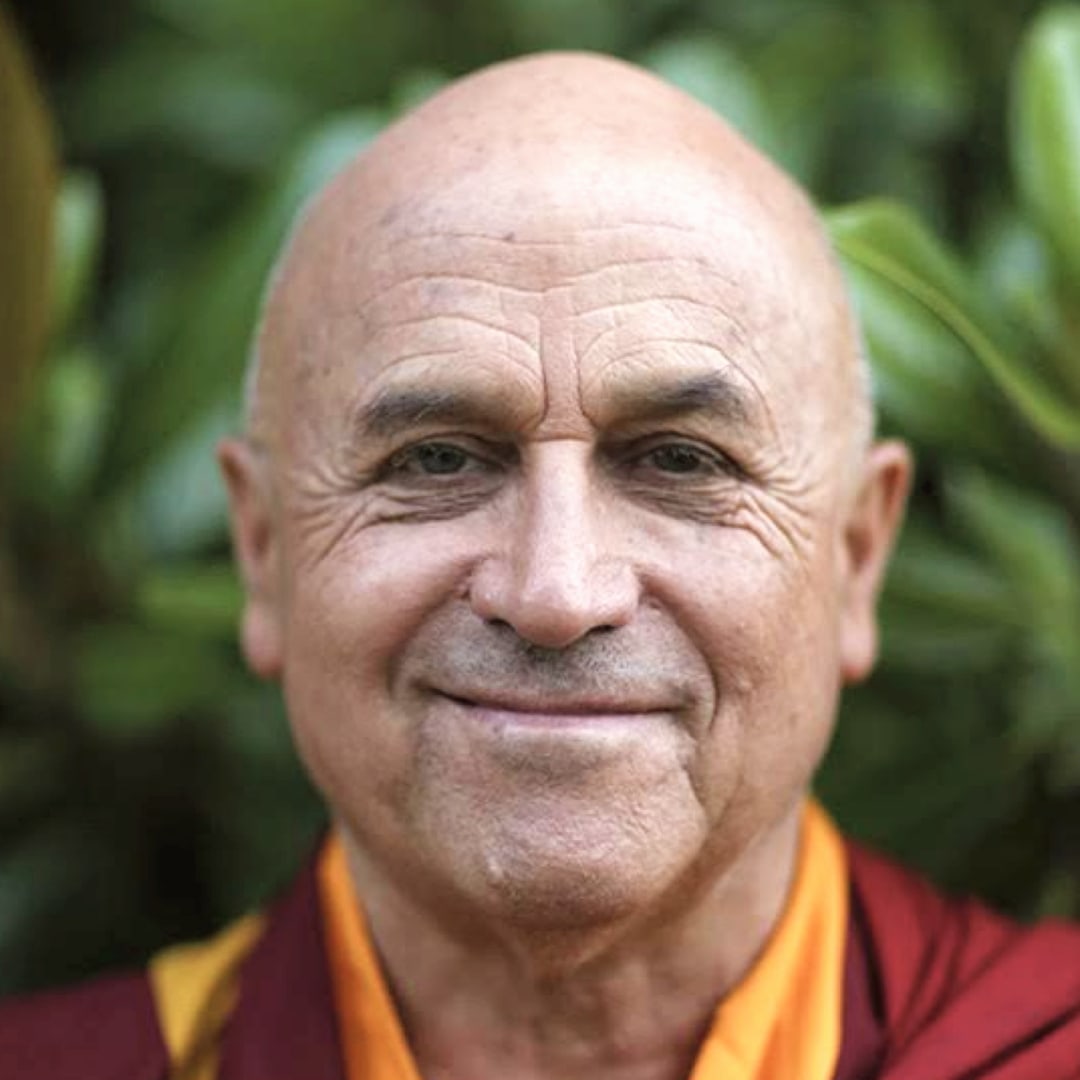
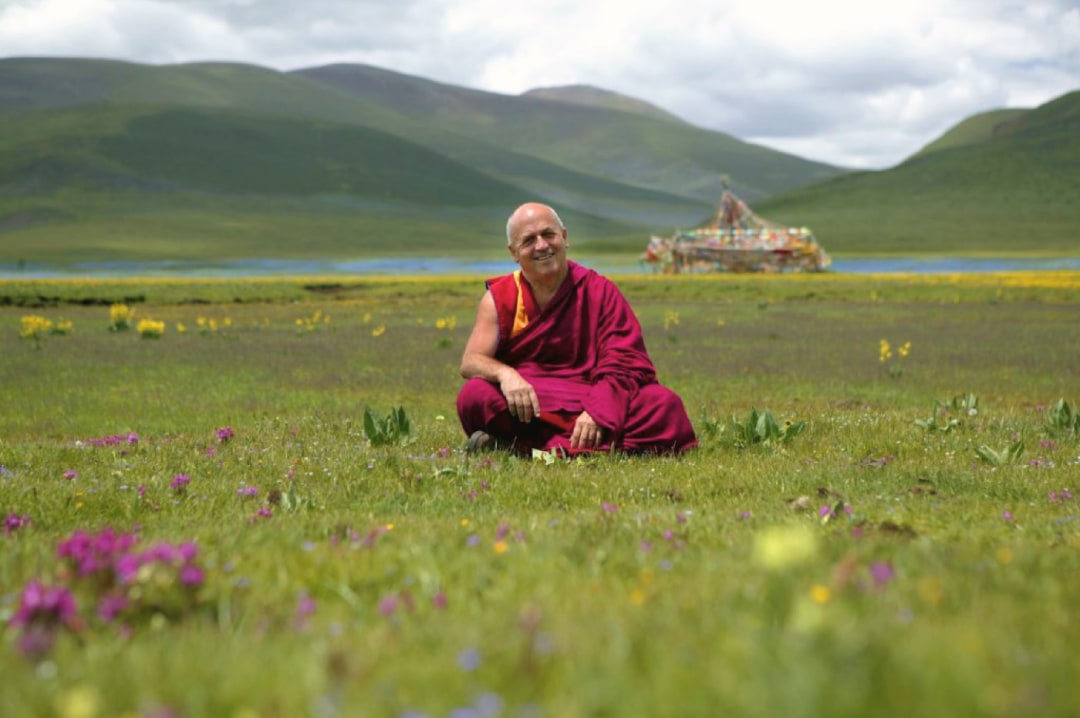
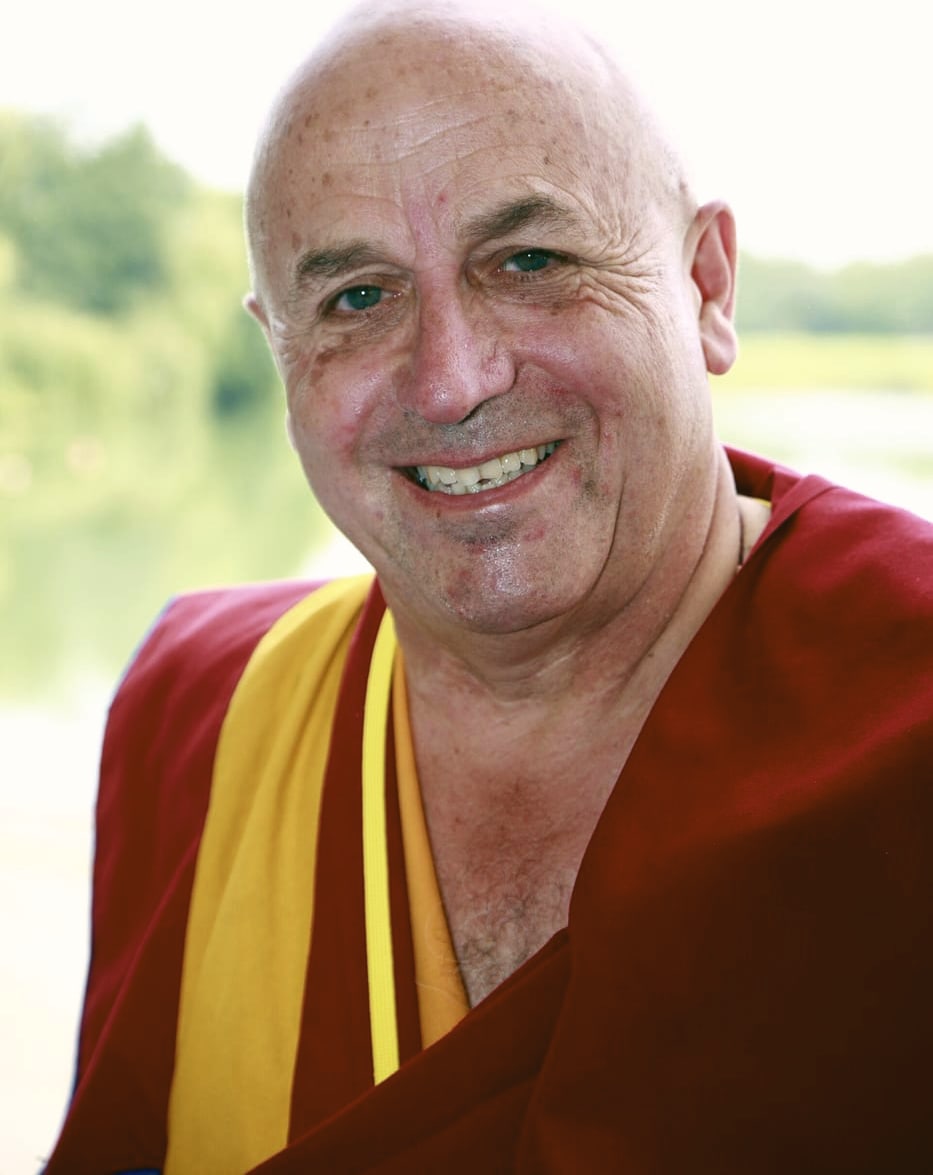
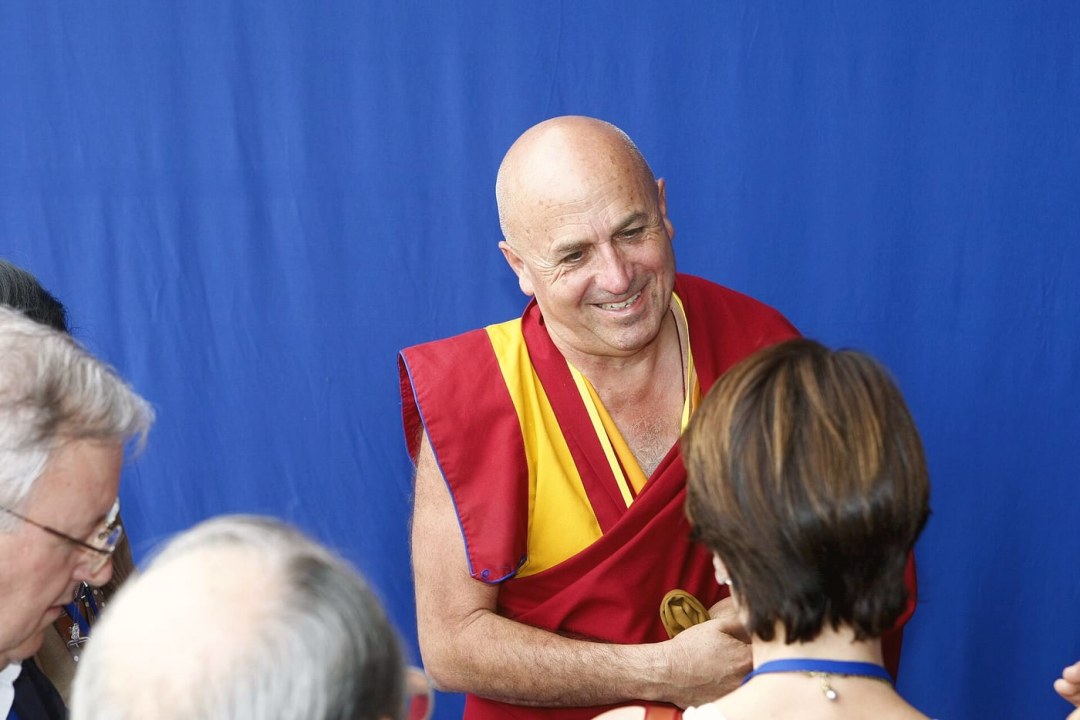
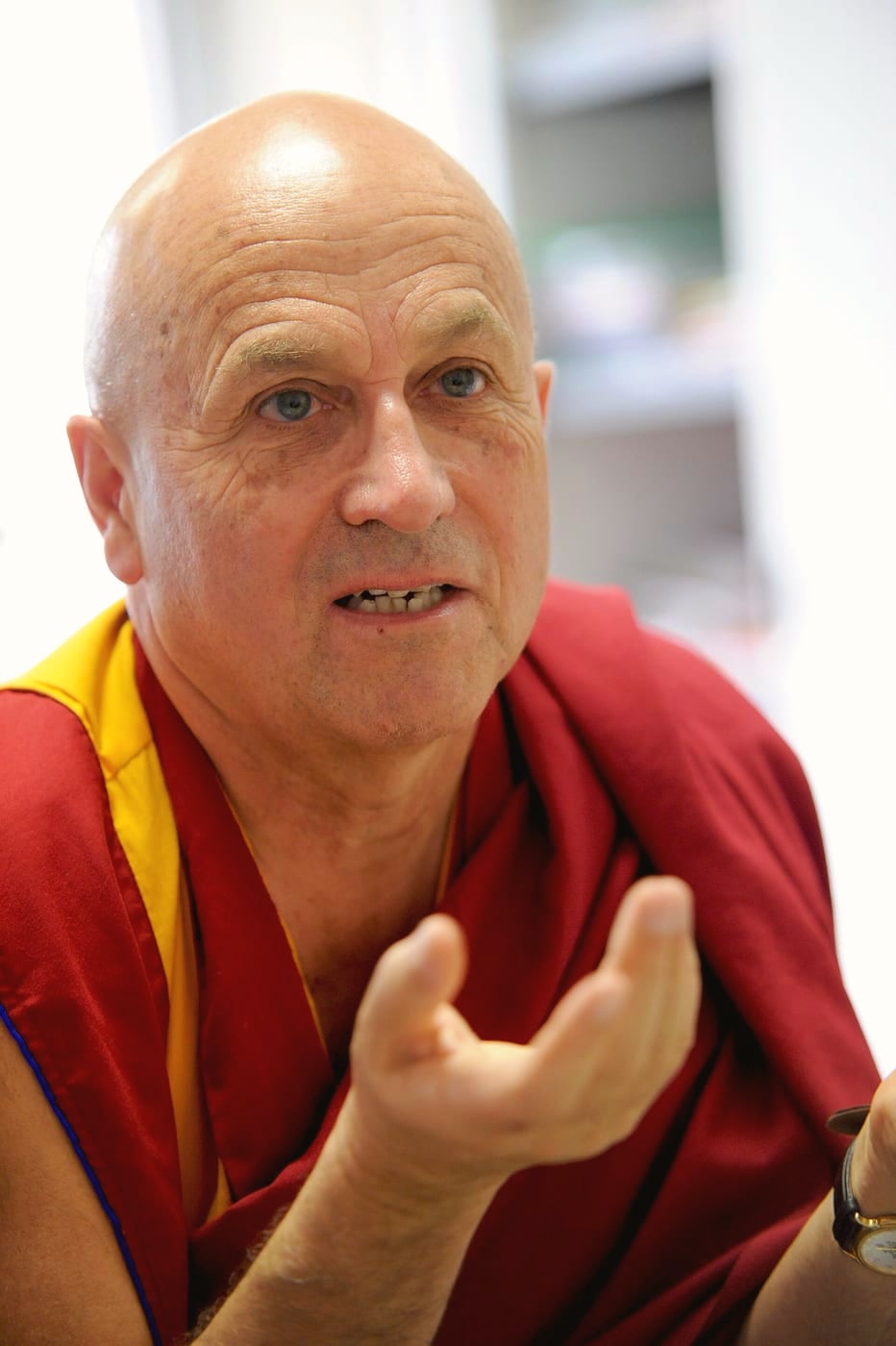
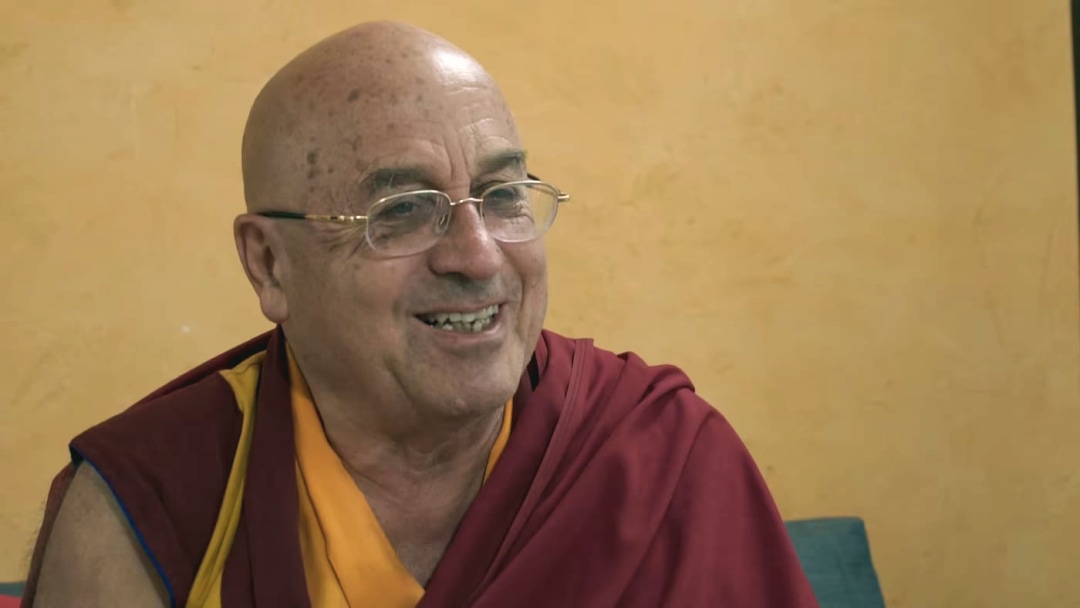
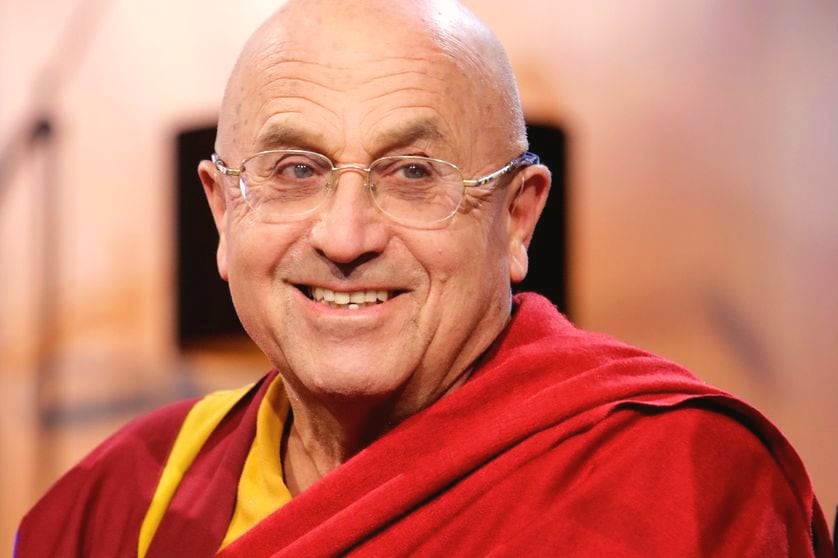
Matthieu Ricard is a Buddhist monk, author, translator, photographer and humanitarian. Born in France in 1946, he is the son of the philosopher Jean-François Revel and the painter Yahne Le Toumelin. He grew up among the personalities and ideas of French intellectual circles, and in 1972 he completed a PhD in molecular genetics at the Pasteur Institute. He then set aside a scientific career to practise Tibetan Buddhism, living mainly in the Himalayas, where he studied with Kangyur Rinpoche and other teachers. He became a close student of Dilgo Khyentse Rinpoche, and he has dedicated his activities to fulfilling Khyentse Rinpoche's vision. He lives at Shechen Tennyi Dargyeling Monastery in Nepal.
Matthieu Ricard is a Buddhist monk, author, translator, photographer and humanitarian. Born in France in 1946, he is the son of the philosopher Jean-François Revel and the painter Yahne Le Toumelin. He grew up among the personalities and ideas of French intellectual circles, and in 1972 he completed a PhD in molecular genetics at the Pasteur Institute. He then set aside a scientific career to practise Tibetan Buddhism, living mainly in the Himalayas, where he studied with Kangyur Rinpoche and other teachers. He became a close student of Dilgo Khyentse Rinpoche, and he has dedicated his activities to fulfilling Khyentse Rinpoche's vision. He lives at Shechen Tennyi Dargyeling Monastery in Nepal.
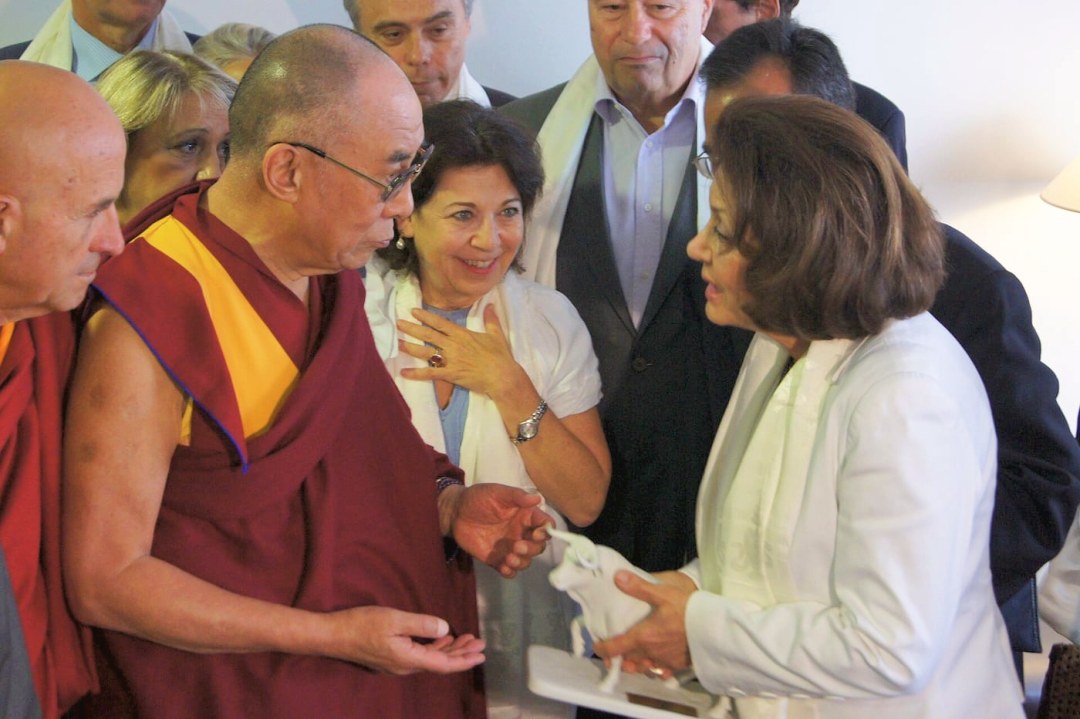
His books include The Monk and the Philosopher, a dialogue with his father, and Happiness: A Guide to Developing Life's Most Important Skill. Others include Altruism: The Power of Compassion to Change Yourself and the World and A Plea for the Animals. He has also translated Tibetan Buddhist texts, among them The Life of Shabkar. His photographs of spiritual masters, landscapes and the people of the Himalayas have appeared in numerous books and magazines, and his book Lumière gathers more than sixty years of his photography. He has served as French interpreter for the Dalai Lama since 1989.
Ricard is a board member of the Mind and Life Institute and has taken part in research on meditation and the brain. He has described using compassion, open awareness and analytic meditation, and he has spent a total of five years in solitary retreat. He is the founder of the humanitarian organisation Karuna-Shechen, whose guiding idea is putting compassion into action. Its projects in India, Nepal and Tibet cover health care, education and social services. He donates the proceeds of his books and conferences to this work. His site notes that he does not consider himself a teacher.

Worth Knowing
Questions
Matthieu Ricard is a French-born Buddhist monk, author, photographer, and humanitarian whose unlikely trajectory—from a doctorate in molecular genetics at the Pasteur Institute to decades of practice in Himalayan monasteries—has made him one of the most intellectually rigorous voices in contemporary Buddhism. Born in 1946 into French intellectual circles (his father was philosopher Jean-François Revel), Ricard abandoned a promising scientific career in 1972 to pursue Tibetan Buddhist practice, eventually becoming the close student of Dilgo Khyentse Rinpoche, one of the tradition's most revered masters. His cultural work spans multiple mediums: translations of Tibetan texts, books exploring the intersection of Buddhism and Western life, photographs spanning six decades, and humanitarian projects through his organization Karuna-Shechen. He has served as French interpreter for the Dalai Lama since 1989 and participated in landmark neuroscience research on meditation and the brain through the Mind and Life Institute. What draws seekers to his work is not charisma or missionary zeal—he notably does not position himself as a teacher—but rather his credibility as someone who has genuinely integrated both scientific rigor and contemplative depth.
Matthieu Ricard practices and represents Tibetan Buddhism, specifically the Kagyu and Nyingma traditions transmitted through his principal teacher, Dilgo Khyentse Rinpoche, and earlier through Kangyur Rinpoche. His lineage is not abstract or distant: since 1972, he has lived primarily in the Himalayas, based at Shechen Tennyi Dargyeling Monastery in Nepal, which situates him in the continuous monastic tradition rather than as a Western interpreter grafting Buddhism onto secular frameworks. Dilgo Khyentse Rinpoche's vision—which Ricard has dedicated his activities to fulfilling—emphasizes the integration of scholarly learning, meditative realization, and compassionate action in the world. This is not the silent retreat Buddhism of popular imagination; Dilgo Khyentse's approach, and thus Ricard's, engages with contemporary issues, translation, scholarship, and humanitarian service as legitimate expressions of Buddhist practice. Understanding his lineage is essential: when Ricard writes on altruism or teaches meditation methods, he is transmitting teachings shaped by decades of study and retreat in direct relationship with masters recognized as enlightened within the Tibetan Buddhist framework.
Start with either The Monk and the Philosopher, a dialogue between Ricard and his father Jean-François Revel, or Happiness: A Guide to Developing Life's Most Important Skill, depending on whether you're drawn to philosophical inquiry or practical meditation guidance. The Monk and the Philosopher is unique in that it captures Ricard's voice before he became a public intellectual—raw, honest exchanges about faith, science, meaning, and family between a Buddhist monk and his skeptical but curious father—making it an entry point that doesn't demand prior Buddhist knowledge. If you prefer something more directly applicable to your life, Happiness breaks down meditation practices and Buddhist psychological concepts (especially compassion cultivation) without assuming doctrinal belief, and it has been influential in secular mindfulness circles. Both books showcase Ricard's ability to translate Buddhist concepts without diluting them for Western consumption. For those drawn to his visual work, the photography collection Lumière offers six decades of his images from the Himalayas and spiritual teachers, bypassing text entirely—a contemplative entry point into his aesthetic sensibility. His website and YouTube channel provide talks and essays if you prefer listening or sampling before committing to a full book.
Ricard's primary distinction is his formal scientific education—a PhD in molecular genetics from the Pasteur Institute—combined with his deep Buddhist practice, a background that shapes how he approaches both writing and research collaboration. Unlike many Tibetan Buddhist monks who pursue primarily scholarly or meditative paths within monastery settings, Ricard has actively engaged the Western intellectual sphere, serving as the Dalai Lama's French interpreter since 1989 and participating in neuroscience research on meditation through the Mind and Life Institute. His published work spans books, photography, and translations, with particular emphasis on applied compassion and humanitarian ethics, exemplified by his founding of Karuna-Shechen to implement Buddhist principles through concrete aid work in the Himalayas. He is notably reticent about spiritual authority: he does not position himself as a teacher, which distinguishes him from many Buddhist figures in the West who cultivate followings around charisma or perceived enlightenment. His willingness to engage secular audiences and take public ethical stances—particularly in A Plea for the Animals—marks him as engaged with contemporary moral questions rather than insulated within monastic tradition.
Ricard's work is not for those seeking quick spiritual fixes, charismatic leadership, or entertainment-style Buddhism; his books and meditations require sustained attention and some capacity for philosophical abstraction. If you're drawn to devotional chanting, energetic practices, or personality-driven teachers, Ricard's reticent, scholarly approach will feel distant—he explicitly does not position himself as a teacher or spiritual authority, which may frustrate seekers accustomed to gurus or charismatic mentors. His emphasis on rigorous meditation practice (he has spent five years in solitary retreat) and complex ethical philosophy means his work demands patience; Happiness, for instance, requires rereading to fully absorb its psychological detail rather than offering inspirational bullet points. Those skeptical of both science and Buddhism simultaneously may find his bridge-building between neuroscience and contemplative practice unconvincing from either direction. Similarly, people seeking music-based spiritual practice, ceremonial immersion, or community-centered retreat experiences will find Ricard's output primarily textual and solitary-focused. His humanitarian work and photography, while accessible, require genuine interest in Himalayan culture and Buddhist monasticism rather than universal spirituality; his photographs are not inspirational posters but complex documentary records of lives lived outside Western frameworks.
Visit his official website, matthieuricard.org, which houses essays, photographs, talks, and information about his books and the Karuna-Shechen humanitarian organization. His YouTube channel, @MatthieuRicardofficial, features recorded talks, meditation practices, and interviews, making his work accessible for those who prefer listening or watching to reading. New books and updated projects are announced through his website and social channels; since he donates all proceeds from his books and conferences to Karuna-Shechen, tracking his publications also means following his humanitarian work. For deeper engagement with his meditation teachings and writings on compassion, his full books (available in multiple languages) are the primary source—there is no subscription model or exclusive membership platform. The Karuna-Shechen website provides updates on humanitarian projects in India, Nepal, and Tibet, connecting his teachings directly to applied practice in Buddhist communities. Note that Ricard maintains a relatively low profile compared to other Buddhist teachers; he does not maintain an extensive tour schedule or frequent retreat teaching, so opportunities are less commercially packaged than with larger Buddhist centers.
The core works are: The Monk and the Philosopher (his dialogue with his father Jean-François Revel), which remains the most direct entry into his thought and its philosophical tensions; Happiness: A Guide to Developing Life's Most Important Skill, which synthesizes Buddhist psychology with Western contemplative science and has been influential in mindfulness circles; Altruism: The Power of Compassion to Change Yourself and the World, his most comprehensive statement on how Buddhist compassion practice intersects with ethics, neuroscience, and social change; and A Plea for the Animals, which applies Buddhist ethics to contemporary animal suffering and environmental destruction. Lumière is essential for understanding his parallel work as a photographer—over six decades of images documenting spiritual masters, Himalayan landscapes, and the lives of people in Buddhist regions. He has also translated significant Tibetan Buddhist texts, including The Life of Shabkar, contributing to Western access to primary sources within his lineage. These works are not written as doctrine but as bridges: Ricard assumes minimal prior Buddhist knowledge while refusing to simplify complex ideas. Collectively, they form a coherent vision of compassion as both meditative practice and real-world action.
If you want philosophical dialogue and don't mind family-centered narrative, begin with The Monk and the Philosopher, where Ricard's voice is most direct and his exchanges with his skeptical father model how to discuss Buddhism with secular thinkers without defensive posturing. If you're interested in practical meditation methods and psychological insight without doctrinal commitment, Happiness is more immediately applicable—it breaks Buddhist concepts into teachable practices and has influenced secular mindfulness approaches. For those already comfortable with Buddhist frameworks or Western psychology, Altruism offers the most ambitious scope, synthesizing neuroscience, ethics, and contemplative philosophy into a coherent vision of how compassion can transform both individual consciousness and society. If you're primarily drawn to his visual work and want to experience his sensibility without reading extensively, Lumière presents six decades of photography with minimal text—landscapes, spiritual teachers, and Himalayan communities captured with contemplative restraint. Most readers find that one of the first three books answers their initial question, and subsequent books deepen understanding of specific dimensions (psychology, ethics, photography, translation). Avoid starting with A Plea for the Animals unless you're already engaged with animal ethics; it is powerful but presumes familiarity with his broader philosophical framework.
While comprehensive press coverage data is limited, Ricard's influence on contemporary Buddhism and meditation science is substantial and documented through institutional recognition: he is a board member of the Mind and Life Institute, which brings him into scientific research contexts with major universities and neuroscience labs studying meditation's neural effects. His role as the Dalai Lama's French interpreter since 1989 positioned him as a cultural bridge during critical decades of Tibetan advocacy in the West, and his books have been widely translated and adopted in mindfulness and psychology curricula internationally. His humanitarian organization, Karuna-Shechen, operates across India, Nepal, and Tibet with documented health care, education, and social service projects, signaling recognition and funding from international development networks. The fact that he has been invited to contribute to scientific studies on meditation and compassion (rather than simply being written about) indicates acknowledgment of his credibility across academic and contemplative spheres. What may surprise Western readers accustomed to Buddhist teachers with mass followings is that Ricard's influence operates more through institutional channels, rigorous scholarship, and humanitarian impact than through media celebrity—consistent with his explicit refusal to position himself as a teacher or public figure.
Ricard has described using three primary meditation approaches: compassion meditation, open awareness meditation, and analytic meditation, each serving different purposes within Buddhist contemplative training. Compassion meditation (metta in Pali, maitri in Sanskrit) involves systematic cultivation of loving-kindness toward oneself, loved ones, strangers, and even those one dislikes—a structured, progressive practice grounded in the Buddhist understanding that compassion is a trainable quality, not merely an emotional state dependent on circumstances. Open awareness meditation (rigpa in Tibetan) involves resting in the natural, non-conceptual clarity of mind without focusing on a specific object—more subtle and requiring substantial preliminary training before attempting successfully. Analytic meditation uses reasoning and reflection on Buddhist teachings to transform conceptual understanding into direct insight, contrasting with purely concentrative approaches to practice. Ricard's own practice is substantial: he has completed five years of solitary retreat, the intensive training recognized in Tibetan Buddhism as essential for deep realization and stabilization of insight. His meditation instruction in books like Happiness emphasizes that these practices address both emotional suffering and fundamental misunderstanding of how the mind works, making them applicable whether one adopts Buddhist beliefs or engages them as psychological technology.


É você? Reivindicar esta página ›
Continue your journey
There's more where this came from.
BrightStar is the global directory of artists, teachers, and healers in the wellness and spiritual movement. Find your next experience — or add yourself.
Discover More Artists
Browse 14,000+ curated profiles across kirtan, yoga, meditation, and beyond.
Explore directory →Find an Event Near You
Kirtan, retreats, sound baths, breathwork, ceremonies — happening this week.
Browse events →Add Your Profile
Are you an artist, teacher, or healer? Get listed — free, AI-assisted, live in minutes.
Get started →