
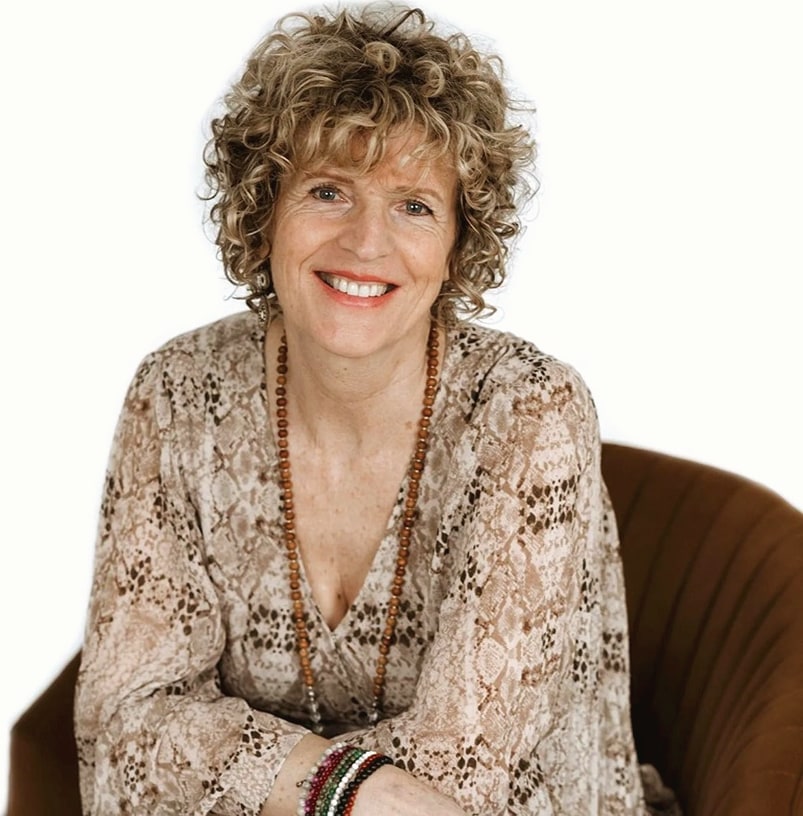
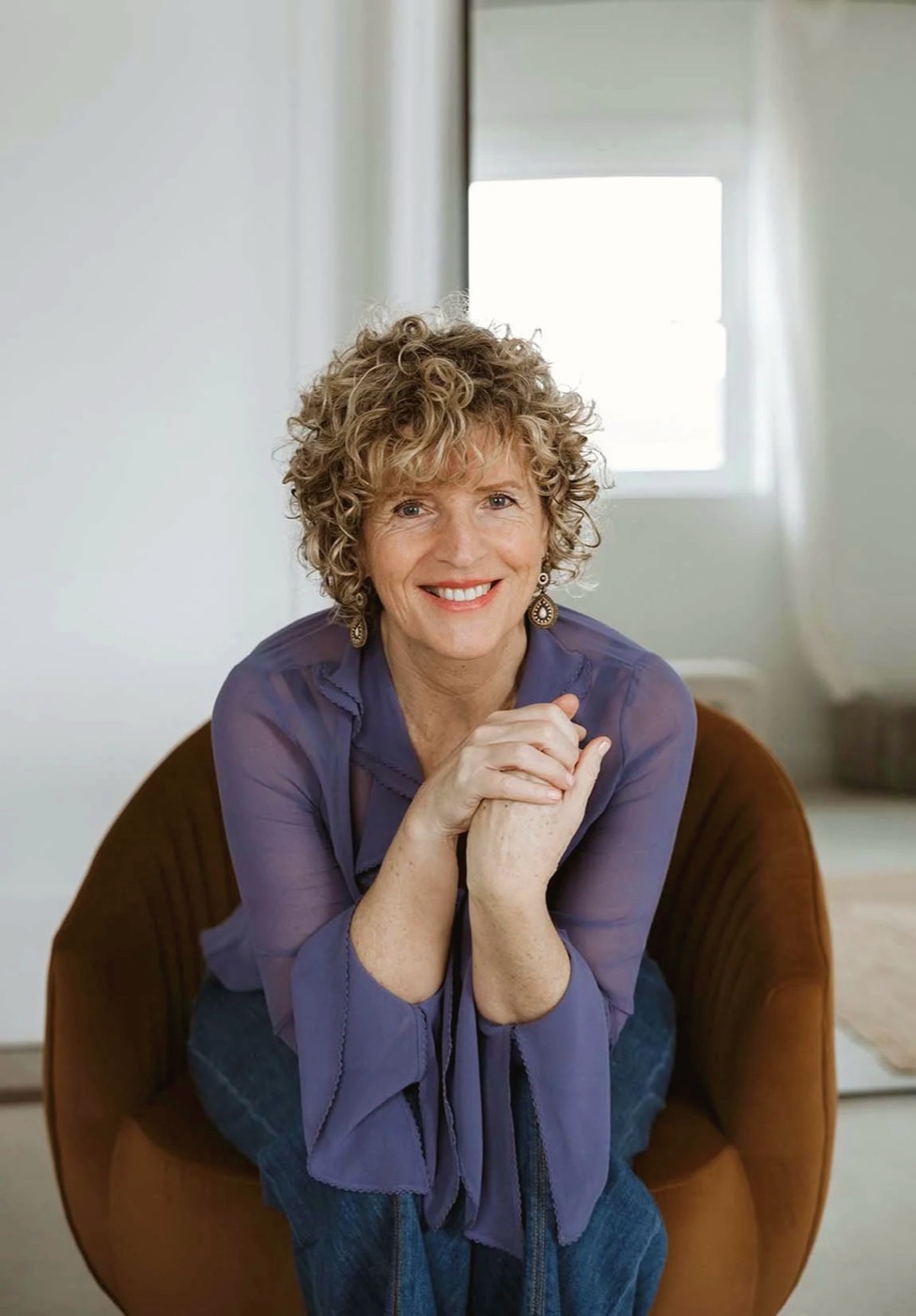
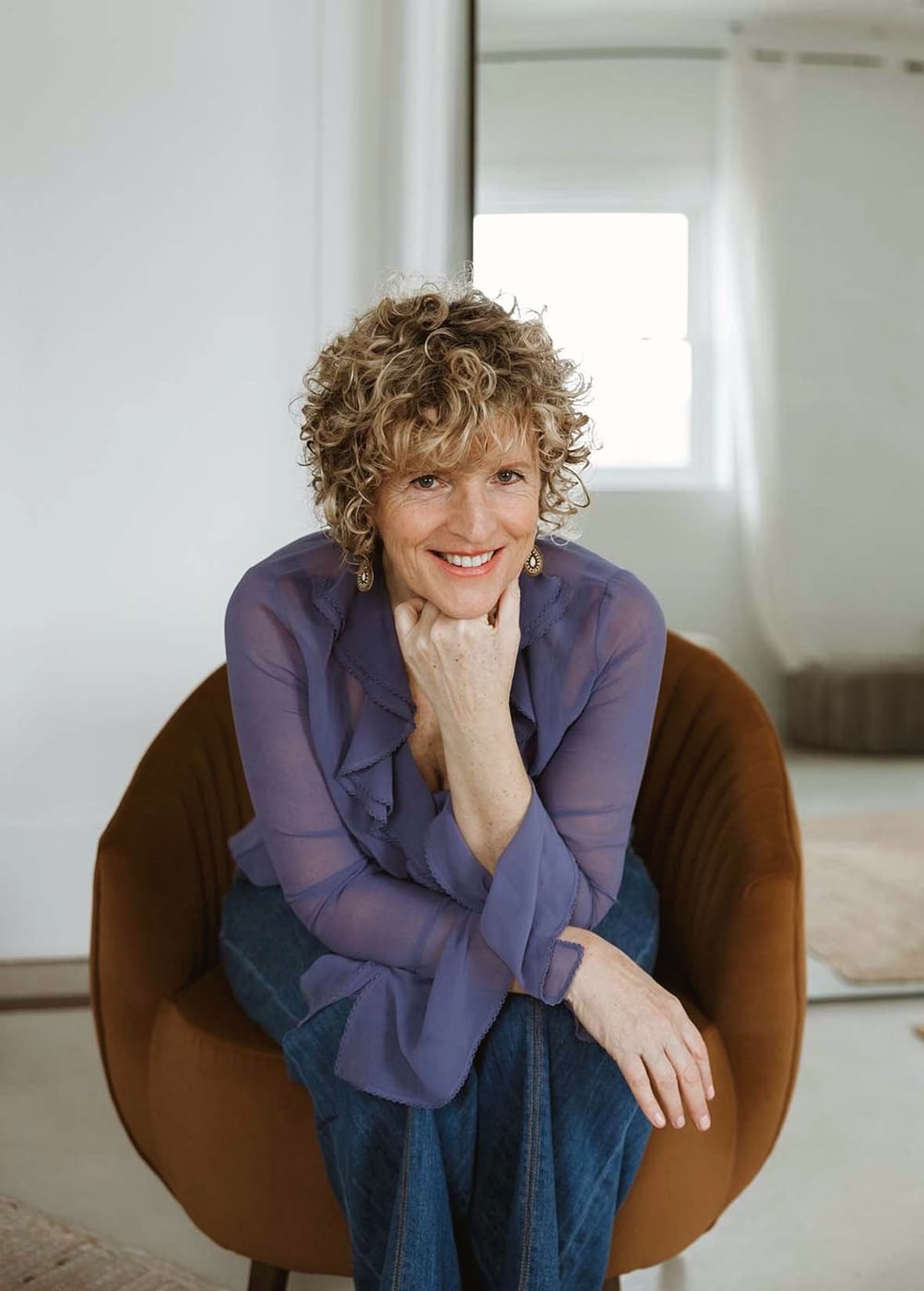



Diane Yeo
Meditation Teacher
Sobre
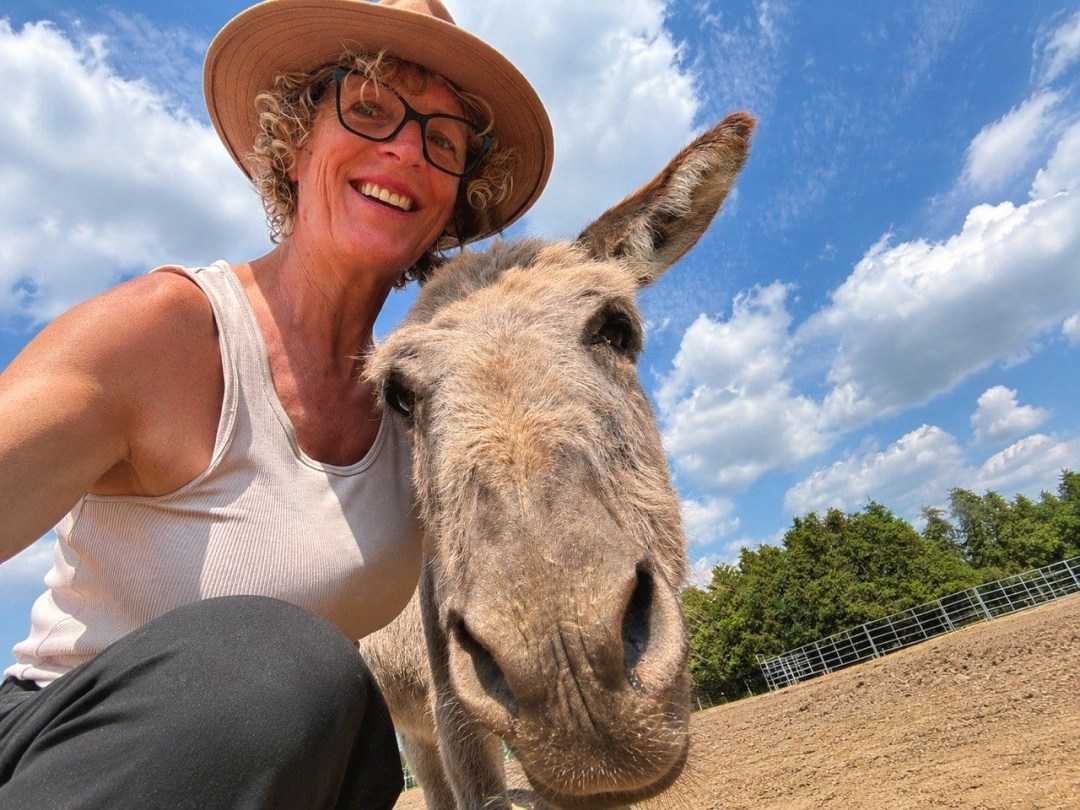
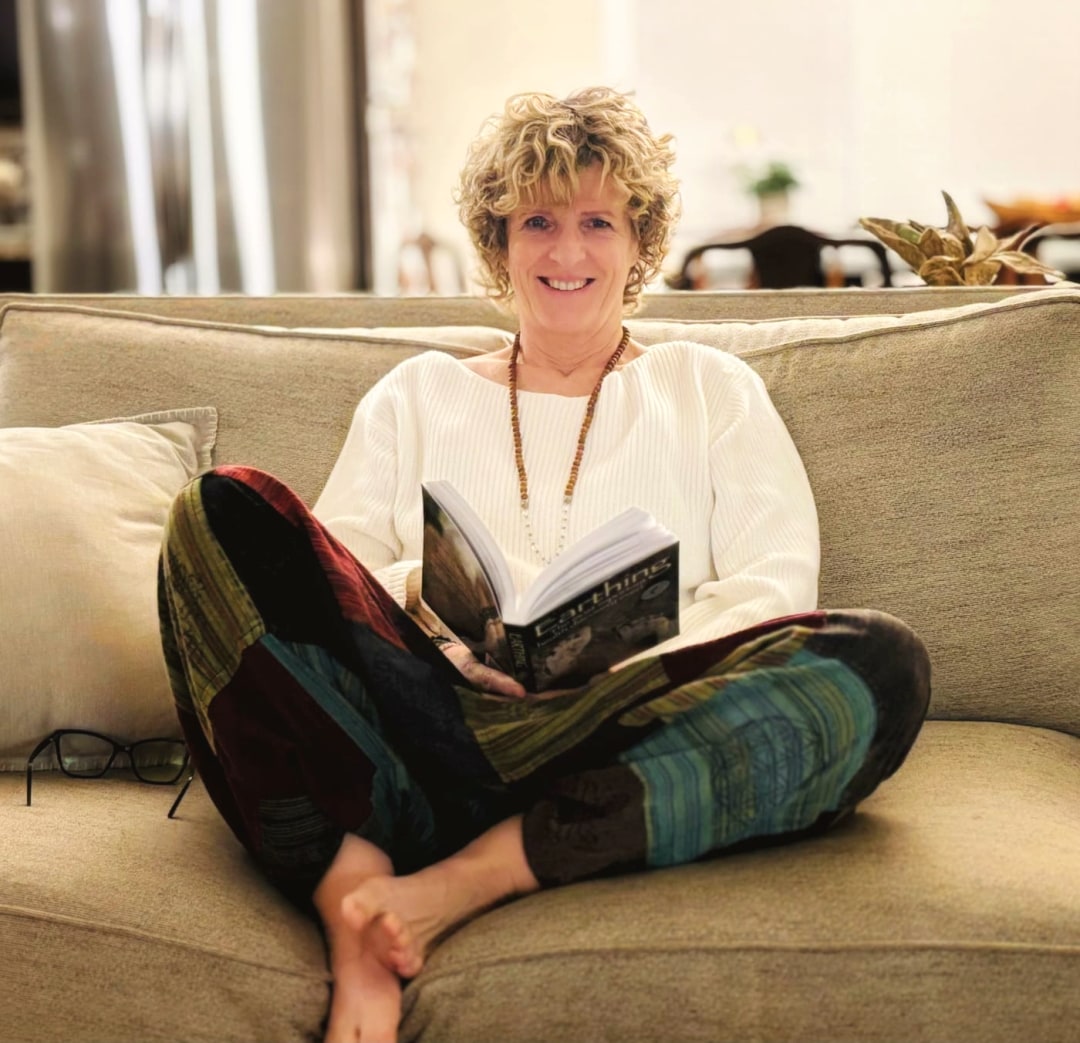
Diane Yeo is a mindfulness coach, facilitator and speaker based in London, Ontario. For the past 20 years she has helped individuals, teams and organizations cultivate presence, resilience, well-being and inner peace through coaching, workshops, retreats, speaking and experiential learning. Her guiding belief is simple: the peace people long for is already within them, and anyone can meditate if they have the desire.
Diane Yeo is a mindfulness coach, facilitator and speaker based in London, Ontario. For the past 20 years she has helped individuals, teams and organizations cultivate presence, resilience, well-being and inner peace through coaching, workshops, retreats, speaking and experiential learning. Her guiding belief is simple: the peace people long for is already within them, and anyone can meditate if they have the desire.
Her own path began at 17, when she tagged along with her mother and brother to a meditation talk. Years later her first formal course was a ten-day silent retreat on Vancouver Island, which she describes as intense and as the thing that cracked open a passion for self-discovery. She has spoken openly about struggling with anxiety, mood swings and addiction, and about coming to understand these experiences as connected to childhood trauma. After 15 years in sales and marketing, she left her job for a six-month in-residence meditation teacher training in British Columbia. She then lived at the centre with other meditation teachers, traveling to teach meditation courses. After two years she developed her own SimplyPresent™ mindfulness program, which she describes as practical, relatable and ever-evolving.
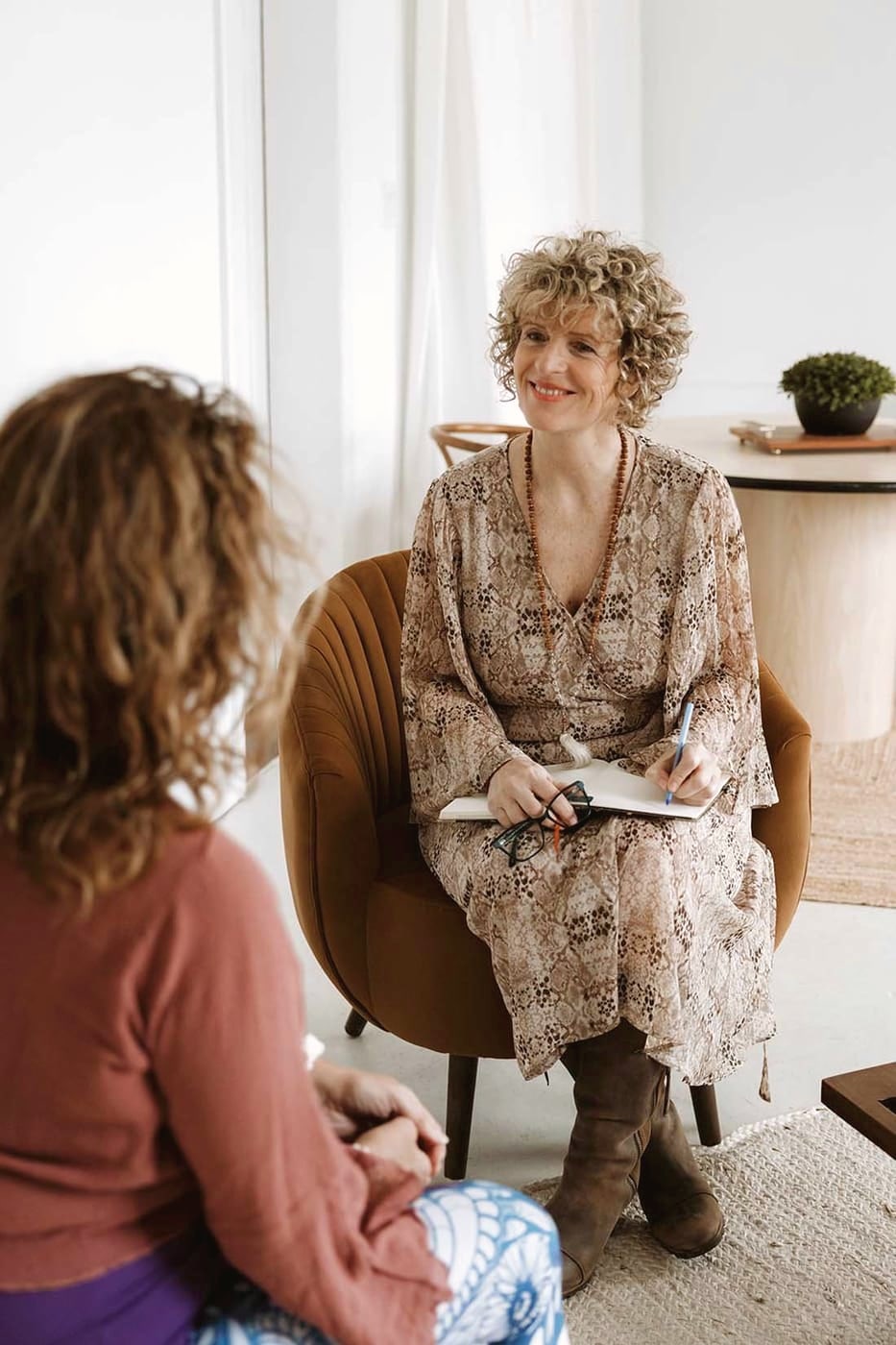
In private coaching, Diane works with mindfulness, Emotional Freedom Technique (EFT/Tapping), inquiry and other evidence-informed approaches. She sees her role not as fixing people but as creating a safe, supportive space where they can slow down and reconnect with their own inner wisdom. Her talks and workshops cover topics such as navigating stress, self-compassion, preventing burnout and mindfulness for everyday life. They have been offered to workplaces, conferences, a university law class and community groups.
She hosts women's retreats and silent retreats in a country setting near London, often alongside other facilitators in yoga, sound and herbal medicine. She also designs custom retreats for organizations. Diane writes a weekly blog and a Mindful Monday newsletter, and shares free guided meditations. She says she has worked with thousands of people from all walks of life and has seen one universal truth: we all want peace, belonging and fulfillment.
Perguntas
Questions
Diane Yeo is a London, Ontario-based mindfulness coach who has spent the past 20 years building a teaching practice grounded in pragmatism rather than spiritual mystique. What distinguishes her is that she's worked with thousands of people across wildly different contexts—corporate teams facing burnout, individuals grappling with anxiety and trauma, law students learning stress management, and community groups seeking grounded presence. Her credibility comes not from claiming special attainment but from having lived the difficult path herself: she's spoken openly about struggling with anxiety, mood swings, and addiction rooted in childhood trauma, and from those struggles built a teaching voice that listeners find believable. After 15 years in sales and marketing, she made an unconventional pivot into full-time meditation teaching—a decision that signals commitment beyond the conventional mindfulness-app industry. People care about her work because she treats meditation not as a lifestyle accessory but as a legitimate tool for resilience and well-being, taught by someone who's walked difficult terrain and emerged with practical insights rather than platitudes.
Diane Yeo's practice roots itself in contemporary mindfulness grounded in the insight meditation tradition, though she doesn't affiliate with a single teacher lineage. Her formal training began with a ten-day silent retreat on Vancouver Island—a Buddhist Vipassana or Theravada-style introduction she describes as "intense" and transformative—and deepened through a six-month in-residence meditation teacher training in British Columbia where she lived and taught alongside other formal trainees. Rather than remaining within a monastic or purely traditionalist framework, she evolved into a secular mindfulness approach informed by contemporary psychology and coaching methodology. This hybrid model is evident in her toolkit: she integrates Emotional Freedom Technique (EFT/Tapping), inquiry, and evidence-based approaches alongside seated meditation practice. The result is a teaching lineage rooted in Eastern contemplative tradition but fully translated into modern therapeutic and organizational contexts—closer to Mindfulness-Based Stress Reduction (MBSR) than to guru-disciple transmission, yet still grounded in the meditative depth of her own practice.
Begin with her free guided meditations on YouTube (channel: @dianeyeomeditation7767), which offer a low-friction entry point to her teaching voice and style without financial or temporal commitment. Her website (dianeyeo.com) serves as a central hub where newcomers can explore her philosophy and offerings, particularly the framing that "anyone can meditate if they have the desire." For regular touchpoints, subscribe to her Mindful Monday newsletter or follow her weekly blog, which ground mindfulness in everyday situations rather than retreat settings or aspirational spirituality. If you resonate with her voice, a private coaching session or workshop offers personalized guidance, though the free resources are genuinely comprehensive for someone building a meditation practice. The entry strategy reflects her core belief: accessibility over gatekeeping. She doesn't require prior experience, philosophical alignment, or membership to a particular tradition—only genuine interest in reconnecting with your own inner wisdom.
Diane Yeo stands out for her refusal to separate meditation from the messy realities of trauma, burnout, and organizational dysfunction—she brings insight meditation practice directly into workplaces, university classrooms, and team retreats, proving that contemplative practice is relevant beyond retreat centers. Most meditation teachers in the public sphere present either transcendent spirituality or clinical mindfulness apps; Diane occupies the rarer middle ground: serious contemplative training married to transparent personal struggles and contemporary coaching tools. Her proprietary SimplyPresent™ program, developed after two years of living full-time at a meditation center, distills 20 years of collective teaching into a framework she describes as "practical, relatable and ever-evolving"—not a fixed doctrine but a living response to what students actually need. Unlike teachers who keep their inner work private, she speaks openly about anxiety, addiction, and childhood trauma as doorways to deeper understanding, modeling the vulnerability she asks of her students. Finally, her integration of Emotional Freedom Technique (EFT/Tapping) and inquiry-based coaching into a mindfulness framework is uncommon; most teachers stay within traditional Buddhist or secular MBSR lanes, while Diane has woven contemporary psychological tools into a coherent practice.
Diane Yeo's teaching is not suited for seekers chasing transcendent spiritual experiences or mystical attainment; her approach is grounded, relatable, and focused on resilience and inner wisdom rather than enlightenment narratives or peak experiences. If you're looking for a teacher to do the work for you—to "fix" your anxiety or burnout through their presence or transmitted energy—this won't resonate; Diane explicitly frames her role as creating a space for your own reconnection, which requires active participation and genuine desire to change. Her methodology is slow and evidence-informed, not result-oriented; if you need quick anxiety relief or immediate performance optimization, a shorter intervention or app might serve better. Finally, her emphasis on presence, self-compassion, and questioning one's patterns won't appeal to people seeking authoritative answers or a predetermined spiritual path. She's teaching inquiry and self-discovery, not doctrine.
Visit her website at dianeyeo.com, which serves as the central hub for her current offerings, upcoming retreats, workshops, and any new content releases. Subscribe to her Mindful Monday newsletter, delivered weekly, to receive her reflections and stay informed of new initiatives; this is also how she announces retreat dates and special events. Follow her YouTube channel (@dianeyeomeditation7767) for new guided meditation uploads and recorded talks, which she updates regularly. Her weekly blog, published on her website, provides another touchpoint for staying connected to her teaching voice and updates on workshops or speaking engagements. While formal tour dates aren't part of her public schedule in the traditional sense (she's rooted in London, Ontario and leads retreats regionally), most of her invitations come through organizational workshops and speaking engagements—watch her website and newsletter for those announcements.
A session with Diane centers on creating psychological and emotional safety before anything else; she positions herself not as an expert dispensing wisdom but as a facilitator helping you slow down and reconnect with your own inner wisdom. Her personal openness about struggling with anxiety, addiction, and trauma gives students permission to show up as they are—neither performing wellness nor hiding difficulty—which many describe as profoundly validating. In workshops for workplaces or community groups, she meets people where they are, whether that's complete meditation novices or practitioners, and her language is contemporary and pragmatic rather than esoteric or spiritually flowery. Her retreats take place in a country setting near London, often designed to include other practitioners—yoga teachers, sound healers, herbalists—which creates a multisensory, supportive environment rather than a silence-and-scripture model. Women's retreats and silent retreats alike emphasize community and peer support alongside individual practice, reflecting her belief that we all seek "peace, belonging and fulfillment." Sessions feel exploratory and curious rather than prescriptive.
Diane's teaching consistently addresses the lived experience of modern overwhelm: navigating stress, preventing burnout, and cultivating self-compassion in contexts where perfectionism and productivity pressure dominate. She speaks frequently about presence—the capacity to be fully available to your own life rather than lost in rumination or reactivity—and frames mindfulness as a practical skill for everyday situations, not a retreat-exclusive practice. Underlying most of her teaching is a single conviction: that the peace people long for is already within them, and that trauma, anxiety, and addiction often arise when we disconnect from that inner resource. She addresses belonging and fulfillment as core human longings, recognizing that meditation practice that ignores relational and social dimensions misses half the picture. Her work with organizations signals another recurring theme: that individual healing and collective resilience are linked. She refuses the false split between personal development and organizational culture, teaching meditation to law students not as a wellness treat but as a prerequisite for ethical, grounded professional life.
Yes, Diane maintains substantial independent-study content: free guided meditations available on her YouTube channel (@dianeyeomeditation7767) cover various lengths and intentions, allowing students to build practice at their own pace. Her weekly blog, published on dianeyeo.com, offers written reflections on mindfulness, stress, self-compassion, and everyday practice—not academic essays but accessible meditations on how contemplative life intersects with real circumstances. The Mindful Monday newsletter delivers similar short-form written teaching and guidance on current themes. While she hasn't published a traditional book or longer recorded retreat series in the data available, the combination of YouTube meditations, weekly blog posts, and newsletter content amounts to a substantial library of asynchronous teaching material. This archive-style approach serves students who can't attend retreats or workshops but want to maintain contact with her voice and methodology. The consistency of her publishing schedule (weekly blog and newsletter) signals that she treats written teaching as integral to her practice, not secondary.
No—her core teaching principle is that "anyone can meditate if they have the desire," and her 20 years of work across diverse populations reflects that belief. She has taught law students, corporate teams, community groups, and individuals from "all walks of life," none of whom required prior meditation experience, Buddhist background, or spiritual vocabulary. Her approach is deliberately demystified and practical: if you can show up with curiosity and willingness, you have what you need. She meets people at their entry point, whether that's complete newcomer seeking stress relief or someone with prior practice seeking deeper work. Her emphasis on coaching and inquiry means the teaching adapts to your questions and context rather than requiring you to fit a predetermined framework. That said, commitment to the work—genuine desire to change, willingness to slow down, openness to questioning your patterns—is essential; this is not a passive consumption model where you absorb something from her presence.


É você? Reivindicar esta página ›
There's more where this came from.
BrightStar is the global directory of artists, teachers, and healers in the wellness and spiritual movement. Find your next experience — or add yourself.
Discover More Artists
Browse 14,000+ curated profiles across kirtan, yoga, meditation, and beyond.
Explore directory →Find an Event Near You
Kirtan, retreats, sound baths, breathwork, ceremonies — happening this week.
Browse events →Add Your Profile
Are you an artist, teacher, or healer? Get listed — free, AI-assisted, live in minutes.
Get started →