

Mais fotos
AC

Ani Choying Drolma
Singer · Kathmandu
Sobre
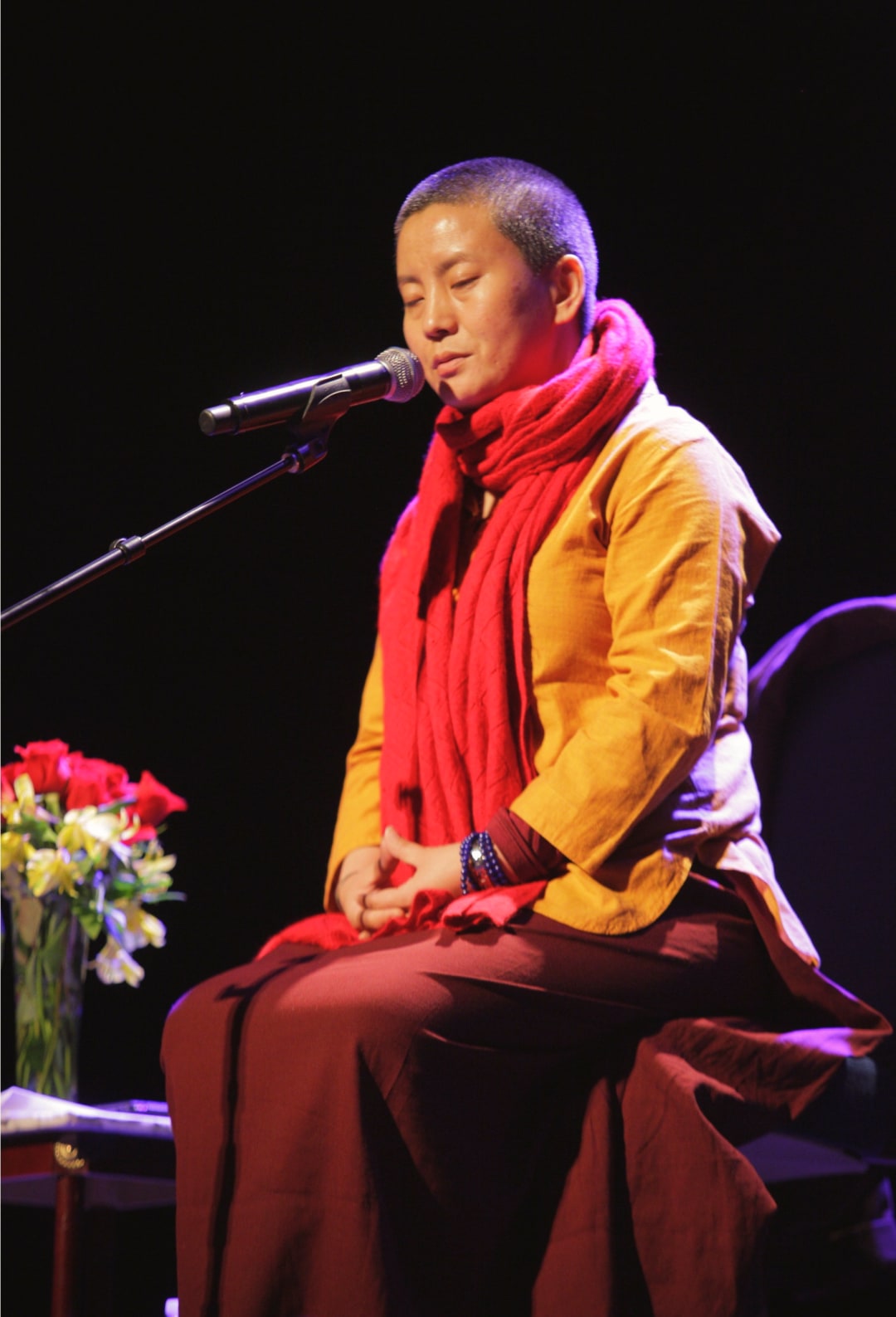
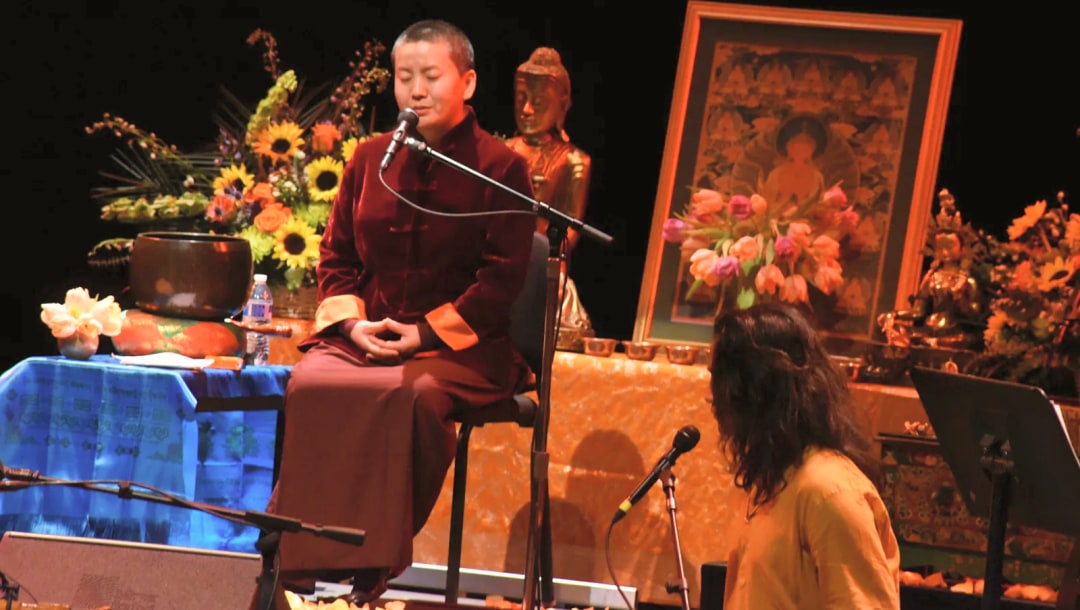
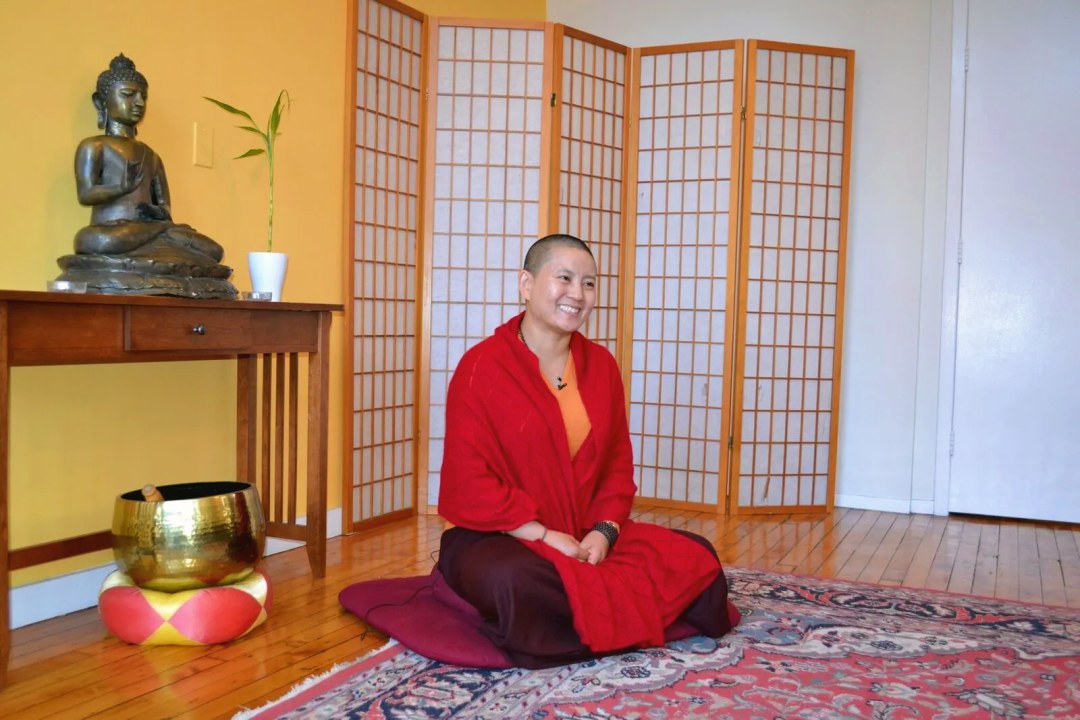
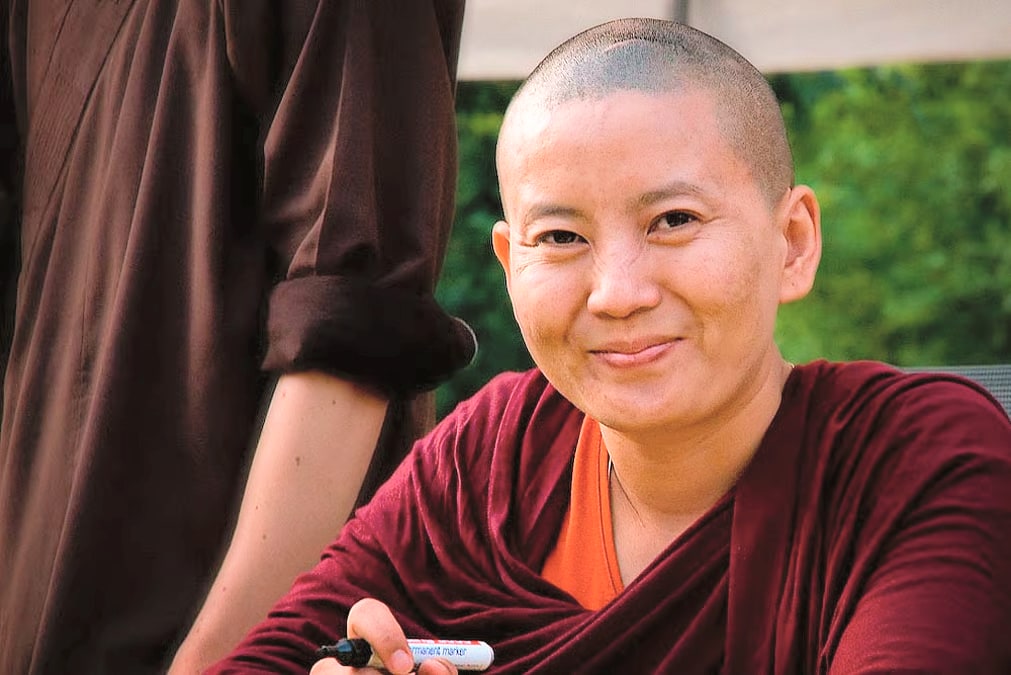
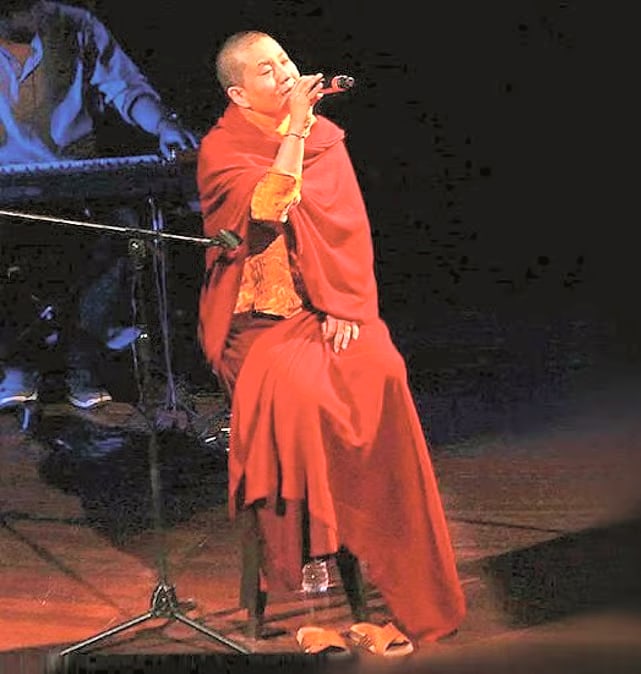
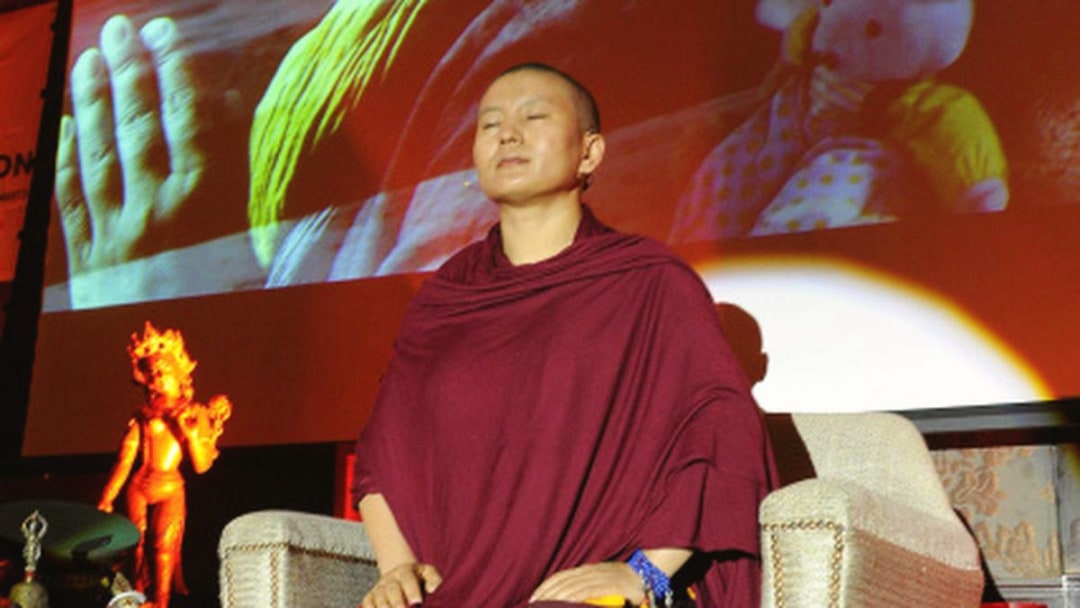
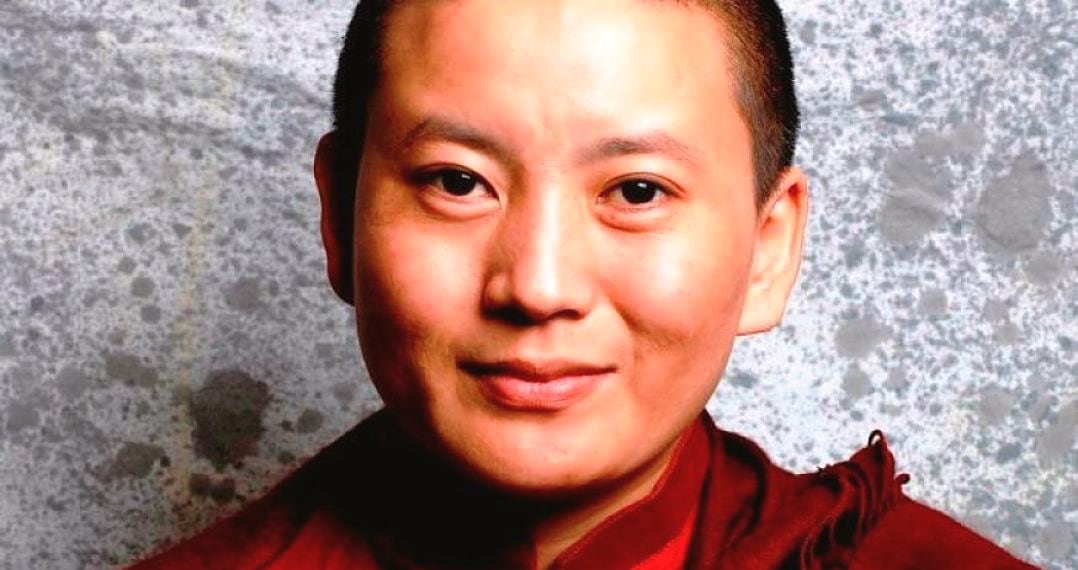
Ani Choying Drolma is a Buddhist nun whose voice has carried Tibetan sacred chants from the meditation halls of Kathmandu to concert stages worldwide. Born Choying Drolma in Nepal, she took ordination as a nun in the Vajrayana Buddhist tradition and has spent more than three decades balancing monastic discipline with a recording career that introduced traditional chant to global listeners unfamiliar with the liturgical music of Himalayan Buddhism.
Ani Choying Drolma is a Buddhist nun whose voice has carried Tibetan sacred chants from the meditation halls of Kathmandu to concert stages worldwide. Born Choying Drolma in Nepal, she took ordination as a nun in the Vajrayana Buddhist tradition and has spent more than three decades balancing monastic discipline with a recording career that introduced traditional chant to global listeners unfamiliar with the liturgical music of Himalayan Buddhism.
Her repertoire draws directly from the Tibetan Buddhist canon, particularly devotional chants to Tara, the female bodhisattva of compassion, and mantra recitations used in daily monastic practice. Where many Western adaptations of sacred music layer production or reinterpretation, Ani Choying preserves the melodic contours and Sanskrit-Tibetan phonetics of the original liturgy, often accompanied only by Tibetan singing bowls or damaru drums. Her voice, a clear soprano trained through years of ritual recitation, delivers these texts with minimal ornamentation, maintaining the meditative function they serve in monastery settings.
Her recording career began in the late 1990s when guitarist Steve Tibbetts, who had been traveling in Nepal, proposed a collaboration. The result was *Cho*, released in 1997 on the Hannibal label, which paired her unaccompanied chant with Tibbetts' sparse guitar textures. The album brought her music to audiences in North America and Europe and marked the beginning of a series of recordings including *Selwa* and *Inner Peace*, albums that remained close to traditional forms while reaching beyond the devotional community. In 2004 she released *Moment*, and later *Smile* and *Warmth*, each documenting different facets of the Tibetan chant repertoire.
Ani Choying was raised in Kathmandu and ordained at a young age under the guidance of Tulku Urgyen Rinpoche, a respected Dzogchen master who established Nagi Gompa, a nunnery perched on the forested slopes above the Kathmandu Valley. She has lived and practiced at Nagi Gompa for much of her adult life, a community where nuns maintain a schedule of study, meditation, and ritual service. Her decision to pursue music was initially unconventional within her monastic environment, but she framed the work as an extension of dharma practice, using royalties and performance fees to fund educational and social welfare projects in Nepal.
Beyond recording, she founded the Arya Tara School in Kathmandu, a boarding school offering free education to girls from marginalized communities across Nepal, including remote Himalayan villages where access to schooling remains limited. The institution provides instruction in Nepali, English, Tibetan language, and Buddhist philosophy, and has educated hundreds of students since its establishment. She has also supported the Nun's Welfare Foundation, which funds healthcare, education, and infrastructure for nuns in Nepal and India. Her international concert schedule has taken her to venues in the United States, Australia, Japan, and across Europe, often performing in theaters, meditation centers, and festivals focused on world sacred music.
Ani Choying continues to reside at Nagi Gompa when not traveling, maintaining her monastic vows and leading group practices. She periodically tours to support the Arya Tara School and related humanitarian projects, and remains active in recording work that documents lesser-known Tibetan liturgical traditions. Interviews with outlets including the BBC and *Tricycle: The Buddhist Review* have profiled both her music and her advocacy for educational access in Nepal.
For listeners seeking an entry point into Tibetan Buddhist chant that honors both tradition and accessibility, Ani Choying Drolma offers recordings that function as both devotional practice and contemplative listening.

Questions
Ani Choying Drolma is a Buddhist nun, social worker, and sacred singer whose distinctive integration of monastic practice, community service, and musical performance has drawn attention from listeners interested in how contemplative traditions translate into real-world engagement. Unlike many spiritual artists who operate primarily in the recording or teaching spheres, she embodies an active commitment to Buddhist monasticism while simultaneously working in social service—a less common combination that gives her practice credibility rooted in lived commitment rather than aesthetic performance alone. Her work resonates with those seeking spiritual expression that doesn't retreat from the world but meets people where they are, combining the rigor of monastic discipline with practical compassion in social contexts. With over 75,000 Spotify followers, she's built an audience among listeners drawn to sacred singing and those interested in how Buddhist nuns navigate contemporary life and social responsibility. Her presence across multiple roles—nun, artist, social worker—makes her distinctive within the landscape of spiritual musicians and teachers who often specialize in one domain.
Ani Choying Drolma's identity as a Buddhist nun grounds her work within Buddhist monasticism, specifically the Tibetan Buddhist tradition, which emphasizes both rigorous philosophical training and engaged compassion in the world. Her integration of social work into her spiritual practice reflects a modern expression of the Bodhisattva path—the commitment to liberation not just for oneself but for all sentient beings—a core principle of Mahayana Buddhism that historically has emphasized active service alongside contemplative practice. The sacred singing tradition she practices draws from Tibetan Buddhist devotional music, which uses mantra, prayer, and chant as direct methods for cultivating both personal transformation and generating benefit for communities. Her simultaneous roles as contemplative practitioner and social worker place her within a lineage of engaged Buddhism, a modern movement that interprets traditional Buddhist teachings as inherently directing practitioners toward social justice and community care. This combination—monastic vows, sacred singing, and institutionalized social work—positions her at the intersection of traditional Buddhist monasticism and contemporary socially engaged Buddhist practice, a growing but still relatively uncommon approach within Western Buddhist communities.
Newcomers unfamiliar with Ani Choying Drolma should begin by listening to her work on Spotify, where her catalog is available and searchable by listeners exploring sacred singing and Buddhist monastic music. Her presence on streaming platforms makes her music immediately accessible for those curious about what a contemporary Buddhist nun's practice sounds like—no prior knowledge of Tibetan Buddhism, Sanskrit, or devotional music practice is necessary to engage with her recordings. Starting with her most-streamed work or playlists curated around sacred chanting and Buddhist music will give a direct sense of her vocal tone, the instrumentation she works with, and the contemplative aesthetic that defines her approach. Listeners benefit from beginning with a single song or short album rather than committing to extended sessions, as sacred singing has an acquired taste—the sparse arrangements and mantric repetition that draw devoted listeners can initially feel minimalist to those accustomed to Western popular music structures. Those interested in understanding the social-work dimensions of her practice should seek out interviews or written profiles that address how she integrates monastic vows with community-facing work, as this critical part of her identity won't be obvious from recordings alone.
Where many contemporary sacred singers operate primarily as performers or recording artists, Ani Choying Drolma's distinction lies in her simultaneous commitment to institutional social work—she is not a nun who sings, but a nun whose singing is one expression of a broader practice rooted in community service and Buddhist monasticism. This integration is rare enough to mark her as unusual within the landscape of spiritual musicians, most of whom have either fully professionalized as artists or retained monastic vows without the institutional social-work component she carries. Her approach reflects a specifically contemporary interpretation of engaged Buddhism, where the Bodhisattva commitment to serve all beings is expressed through direct social action, not just through ritual, teaching, or artistic output. The combination also shapes her likely aesthetic choices—a sacred singer who works daily in social-service contexts will approach sacred music differently than one whose primary role is performer or recording artist, with less pressure toward commercial appeal or virtuosic display and more toward music that serves contemplative and community functions. Her positioning within multiple worlds—Buddhist monasticism, professional social work, and sacred music—makes her work distinctive because it resists the compartmentalization common in contemporary spiritual life, where different roles rarely integrate this directly.
Listeners seeking upbeat, emotionally cathartic, or rhythmically driving music should look elsewhere—sacred singing in the Tibetan Buddhist tradition tends toward restraint, repetition, and meditative pacing that can feel static or austere to those accustomed to Western pop, rock, or even most contemporary world-music aesthetics. Those with limited patience for mantra-based or devotional structures will likely find her work challenging; if you need clear narrative arc, verse-chorus song structures, or lyrical content rooted in secular themes, this music may feel repetitive or inaccessible rather than meaningful. Listeners interested in Buddhism primarily as a philosophical system or wellness framework rather than as a living religious tradition may also find her work less compelling—her music is rooted in actual Buddhist practice and community service, not in Buddhism as a secularized meditation tool or aesthetic. Those seeking virtuosic vocal display or technically impressive instrumental performance should understand that sacred singing prioritizes devotional intention and contemplative clarity over technical showmanship; her vocal approach is likely understated and functional rather than showcasing. Additionally, people looking for instructional content, teaching, or explicit guidance on Buddhist practice should pursue interviews, talks, or written material rather than expecting the recordings alone to convey her teaching or social-justice work—the music documents her practice, not necessarily all dimensions of her identity as a social worker and nun.
Ani Choying Drolma's music is available on Spotify, where she maintains an artist profile with a catalog accessible to all listeners on the platform, whether free or premium accounts. Streaming on Spotify is the most immediate entry point for exploring her recorded work, allowing listeners to sample songs, check play counts to identify her most-engaged audience, and discover algorithmic recommendations of similar sacred singers and Buddhist music. While the data available does not confirm her presence on Apple Music or other specific platforms, Spotify's dominance in music streaming means that checking her artist profile there is the most reliable first step for accessing her recordings. The absence of a dedicated website URL in available information suggests her primary online presence may be through streaming platforms and potentially through social media or community networks rather than a standalone artist website. Those interested in purchasing physical copies, downloading full albums, or supporting her work beyond streaming should seek out additional information through her Spotify profile, which may contain links to related platforms or purchasing options, or investigate whether her social-work organization or monastic community has additional resources or distribution channels.
The data available to us does not currently document major press mentions, mainstream media coverage, or formal recognition through awards or critical accolades—which suggests that Ani Choying Drolma's audience has grown primarily through word-of-mouth, streaming algorithms, and communities interested in Buddhist monasticism and engaged Buddhism rather than through traditional music industry promotion or mainstream press coverage. This absence of major-publication press mentions is not unusual for sacred musicians, whose audiences often exist in niche communities and contemplative circles that operate outside mainstream media attention; 75,600 Spotify followers represents genuine engagement without requiring institutional or critical validation. Her combination of roles as a Buddhist nun, social worker, and singer may actually position her work outside traditional music-journalism frames, since sacred singers who prioritize monastic practice and community service over career advancement are less likely to pursue press or promotional activities. The lack of documented press mentions may reflect either that coverage exists but hasn't been cataloged in available sources, or that her work circulates primarily within Buddhist communities, social-justice networks, and contemplative-music audiences rather than through traditional music-industry channels. For those seeking validation through critical acclaim or mainstream recognition, her work may read as under-the-radar—which for many listeners interested in authentic monastic practice and engaged Buddhism is actually a reassuring sign that commercial considerations are not shaping her output.
Rather than operating as separate domains, Ani Choying Drolma's social work and sacred singing appear to emerge from a shared commitment to Buddhist practice rooted in the Bodhisattva path—the commitment to benefit all beings—which manifests through direct service, contemplative music, and community engagement simultaneously. This integration suggests she sees sacred singing not as an escape from or alternative to social responsibility, but as one expression of the same underlying ethical commitment that drives her institutional work in social service. Her monastic vows, social-work practice, and musical output form a coherent whole, which is relatively uncommon in contemporary spiritual life where these roles are typically professionalized separately—most singers do not simultaneously maintain institutional social-work positions, and most social workers do not sustain rigorous monastic vows. This integration shapes her aesthetic and likely her approach to both music and service; someone working daily in social-service contexts will bring different sensibilities to sacred music than someone whose primary identity is professional musician. The relationship between these practices offers a useful corrective to the commodification of spirituality that marks much contemporary sacred music, where singing becomes a career path; her work suggests an alternative model where music serves the community and spiritual practice directly, rather than functioning as a distinct professional offering.
With over 75,600 Spotify followers, Ani Choying Drolma has built an audience that spans contemplative practitioners, Buddhist communities interested in monastic music, listeners exploring world music and sacred traditions, and those drawn to socially engaged spirituality. Her followers are likely people already familiar with or seeking out meditation music, chant-based practice, and religious or devotional music traditions rather than mainstream popular-music listeners stumbling across her work algorithmically. The specificity of her positioning—Buddhist nun, sacred singer, social worker—suggests her audience self-selects for those interested in Buddhist monasticism as a lived practice rather than Buddhism as wellness or aesthetic; this is a smaller but more committed listener base than one seeking casual inspiration music. Spotify's algorithmic playlists grouping her work with similar sacred singers, Buddhist music, and contemplative recordings will reach listeners already primed for this aesthetic—those exploring meditation music, yoga playlists, or devotional traditions. The 75,600-follower count, while significant within the niche of sacred singers and Buddhist music, is substantially smaller than popular musicians, which reflects the reality that sacred singing rooted in actual monastic commitment and social work operates within intentionally bounded communities rather than seeking mass appeal. This audience profile suggests her work succeeds because it meets listeners where they already are in their contemplative practice, rather than seeking to convert secular audiences or mainstream music consumers.
The available data does not include information about current or upcoming tour dates, retreat schedules, or live performances. To find information about where Ani Choying Drolma appears live, listeners should check her Spotify artist profile for linked websites or social-media accounts that would typically advertise performances and events. Given her dual identity as both a performing musician and an institutional social worker within Buddhist monasticism, her live appearances likely differ from typical concert touring—she may conduct retreats, perform at Buddhist centers or temples, participate in community events tied to her social-work practice, or appear at contemplative-music festivals rather than booking conventional concert venues. Contacting Buddhist monastic communities or organizations focused on engaged Buddhism in areas where she might be based could yield information about her work and any public programs or performances. Streaming platforms like Spotify occasionally update event information for artists, so checking her profile regularly and enabling notifications for new releases or announcements remains the most reliable way to stay informed about her activities.


É você? Reivindicar esta página ›
There's more where this came from.
BrightStar is the global directory of artists, teachers, and healers in the wellness and spiritual movement. Find your next experience — or add yourself.
Discover More Artists
Browse 14,000+ curated profiles across kirtan, yoga, meditation, and beyond.
Explore directory →Find an Event Near You
Kirtan, retreats, sound baths, breathwork, ceremonies — happening this week.
Browse events →Add Your Profile
Are you an artist, teacher, or healer? Get listed — free, AI-assisted, live in minutes.
Get started →