BrightStar

すべてのEventsを見る

意識ある集いに出会う

events

Yoga
Meditation
Breathwork
Qigong
Tai Chi
Sacred Music
World Music
Medicine Music
Sound Healing
Ecstatic Dance
人気の目的地
BaliSedonaLos AngelesCosta RicaNew YorkSan FranciscoAustinMiamiJoshua TreeTulum
すべてのカテゴリを見るすべての目的地を見る

すべての機能を探索

イベントを成長させる強力なツール

プラットフォーム機能

スマートダイナミックプライシング
チケットカテゴリ
座席指定
カート放棄リカバリー
訪問者リカバリー
寄付とスライディングスケール
アフィリエイトシステム
チケットスキャナー
クーポンコード
カスタム質問
チケット共有
アップセルとアドオン
分析とレポート
メールシーケンス
ウェイトリスト / 通知 / リマインダー
人と場所
Artists & TeachersEvent OrganizersVenues & StudiosKnowledge BaseGlossaryInspiration
すべての機能を見る私たちについて
料金ブログ
Language
Saved events
すべてのイベントを見る

events

YogaMeditationBreathworkQigongTai ChiSacred MusicWorld MusicMedicine Music

人気の目的地

BaliSedonaLos AngelesCosta RicaNew YorkSan Francisco

人と場所

Artists & TeachersEvent OrganizersVenues & StudiosKnowledge BaseGlossaryInspiration

プラットフォーム機能

スマートダイナミックプライシングチケットカテゴリ座席指定カート放棄リカバリー訪問者リカバリー寄付とスライディングスケールアフィリエイトシステムチケットスキャナークーポンコードカスタム質問チケット共有アップセルとアドオン分析とレポートメールシーケンスウェイトリスト / 通知 / リマインダー
すべての機能を見る私たちについて
料金ブログ
ログイン探求者クリエイター
  • すべてのイベントを見る
  • 探求者向け
  • ヨガ
  • 瞑想
  • ブレスワーク
  • 気功
  • 太極拳
  • 聖なる音楽
  • ワールドミュージック
  • メディスンミュージック
  • サウンドヒーリング
  • エクスタティックダンス
  • リトリート
  • ワークショップ
  • すべてのカテゴリ →
  • Bali
  • Sedona
  • Los Angeles
  • Costa Rica
  • Tulum
  • Byron Bay
  • San Francisco
  • Austin
  • New York
  • San Diego
  • Denver
  • Seattle
  • Portland
  • Miami
  • すべての都市 →
  • Join the Movement
  • Why we list
  • Sell Globally
  • クリエイター向け
  • チーム向け
  • ライター向け
  • 講師向け
  • キルタンアーティスト向け
  • スタジオ向け
  • フェスティバル向け
  • リトリートセンター向け
  • 非営利団体向け
  • ブランドアンバサダー
  • 無料チケット販売
  • Elevate
  • Amplify
  • 50万人以上のバイヤーネットワーク
  • カート放棄リカバリー
  • スマートダイナミックプライシング
  • チケットカテゴリ
  • 定期イベント
  • 座席指定
  • アフィリエイトシステム
  • ウェイトリスト / 通知
  • チケットスキャナー
  • 埋め込みウィジェット
  • イベント配信
  • メッセージセンター
  • インテグレーション
  • レポート
  • すべての機能 →
  • 概要
  • エコシステム
  • ブログ
  • 用語集
  • インスピレーション
  • ヘルプセンター
  • お問い合わせ
  • APIドキュメント
  • ブランドアセット
  • 採用
  • プレス
  • 利用規約
  • プライバシーポリシー

イベント

  • すべてのイベントを見る
  • 探求者向け
  • ヨガ
  • 瞑想
  • ブレスワーク
  • 気功
  • 太極拳
  • 聖なる音楽
  • ワールドミュージック
  • メディスンミュージック
  • サウンドヒーリング
  • エクスタティックダンス
  • リトリート
  • ワークショップ
  • すべてのカテゴリ →

目的地

  • Bali
  • Sedona
  • Los Angeles
  • Costa Rica
  • Tulum
  • Byron Bay
  • San Francisco
  • Austin
  • New York
  • San Diego
  • Denver
  • Seattle
  • Portland
  • Miami
  • すべての都市 →

クリエイター向け

  • Join the Movement
  • Why we list
  • Sell Globally
  • クリエイター向け
  • チーム向け
  • ライター向け
  • 講師向け
  • キルタンアーティスト向け
  • スタジオ向け
  • フェスティバル向け
  • リトリートセンター向け
  • 非営利団体向け
  • ブランドアンバサダー
  • 無料チケット販売
  • Elevate
  • Amplify

機能

  • 50万人以上のバイヤーネットワーク
  • カート放棄リカバリー
  • スマートダイナミックプライシング
  • チケットカテゴリ
  • 定期イベント
  • 座席指定
  • アフィリエイトシステム
  • ウェイトリスト / 通知
  • チケットスキャナー
  • 埋め込みウィジェット
  • イベント配信
  • メッセージセンター
  • インテグレーション
  • レポート
  • すべての機能 →

会社

  • 概要
  • エコシステム
  • ブログ
  • 用語集
  • インスピレーション
  • ヘルプセンター
  • お問い合わせ
  • APIドキュメント
  • ブランドアセット
  • 採用
  • プレス
  • 利用規約
  • プライバシーポリシー
BrightStar
アプリを入手
App StoreからApp StoreGoogle Playで手に入れようGoogle Play
© 2026 BrightStar. 全著作権所有.
Inspire

Why Does God Allow Suffering? A Reframing of the Argument

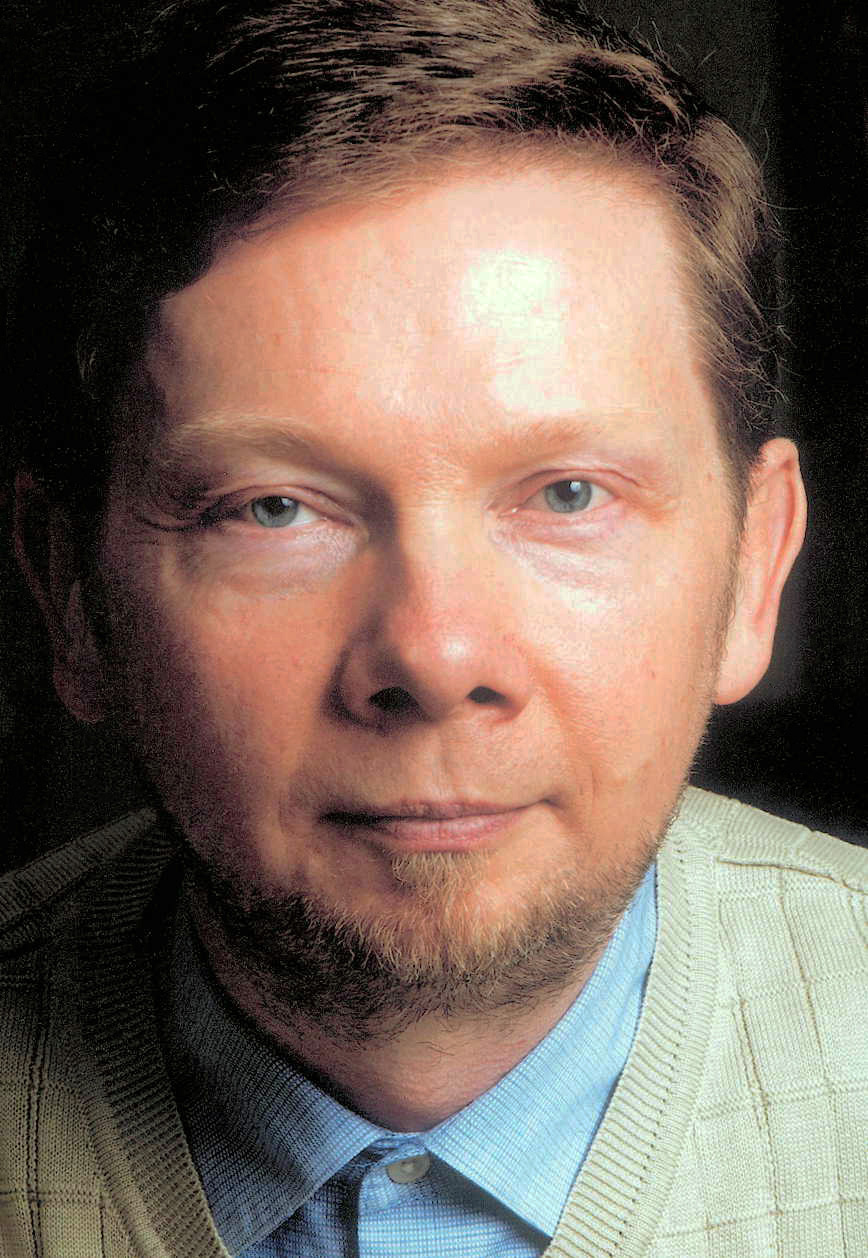
Eckhart Tolle
Eckhart Tolle
Oct 16, 2026
読了 約8分
視聴 · 7

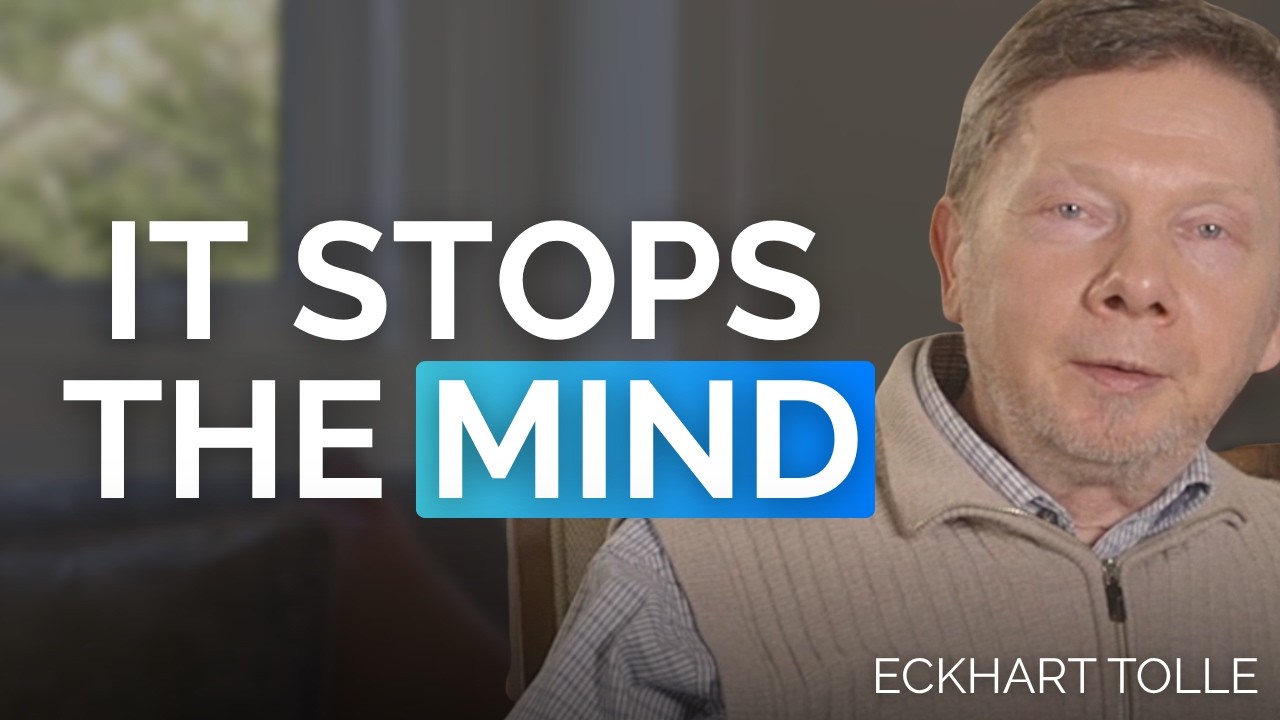
A therapist walks to the microphone carrying a question she has taken out of her sessions and into the room. She has spent close to a decade working with survivors of severe and complex sexual trauma, and lately the cases have felt heavier. Earlier in the week, the speaker she is addressing, Eckhart Tolle, had told a story about a man who finishes a meal and goes looking for the chef. She has questions for that chef. Why did you make this? Why does one person receive a gourmet plate while another gets something rotten? In this short talk, Tolle takes the therapist's anger seriously, then shows how the familiar argument against God, "if there were a God, he could not allow this," depends on one unexamined picture of what God is. He argues that the picture, a controlling power somewhere that makes events happen or permits them, is the real misconception.

読む · 6セクション

What is the chef metaphor doing in this talk?

The metaphor is the thread that ties the session together. The man at dinner has eaten well or badly, and his reaction is to search for whoever prepared the food. The therapist uses it to voice what she feels after work: "when I come out of these sessions and I think about... why did you allow this to happen in your kitchen?" She says plainly that this makes her "very upset sometimes," and she admits, "I have a little bit of resentment, if I'm honest, as a person" (about 3:03 in the video).

It is worth noticing how much she brings into that moment. She describes her work as healing and helping people, and says she is good at it. She also describes a growing sense of hopelessness on behalf of clients whose suffering seems to pile up. Tolle does not hurry past that. His first response, at about 3:25, is that the question itself is justified, and so is the resentment. Before reaching for a theological answer, he gives the feeling its legitimacy. That order matters. A reader who has sat with a grieving client or a survivor knows that an answer offered too quickly can feel like dismissal.

Why does the argument against God keep arriving at the same place?

Tolle then lays out the logic that the therapist's anger echoes. The standard form runs like this: if there were a God, he could not allow this much suffering. People then add a second step: "If I were a god, I would not allow this to happen, obviously. And therefore, I'm morally superior to any god." From there the argument splits. Either there is no God, or there is one, and he is malevolent.

Tolle is careful to show that the argument has several exits, not just one. In his telling, there are at least three conclusions that people have drawn:

  • The universe is random, and things simply happen to people without meaning.
  • A malevolent God, or a lesser and flawed creator, is responsible for the world's suffering.
  • A devil, the antagonist of God, is the one producing the pain.

He does not accept any of these. What he identifies is the single assumption they share. Each one begins by picturing God as "a controlling figure that controls events from somewhere," who "makes things happen or allows things to happen that he could prevent." If that figure is omnipotent, Tolle says, then there are only two options, and both are unappealing. Either God "uses his omnipotence to torture people," or he "doesn't use his omnipotence and just let things go." In neither case is he a God anyone would want to worship.

What did the Gnostics conclude, and where did Tolle part ways with them?

Tolle uses the Gnostics as a historical case study of this reasoning. He describes them, in the early Christian and pre-Christian period, as a sect "interested in two things": direct knowledge of the divine through real inner realization, and a strange belief that the world was created by a malevolent, inferior god, a demiurge, and not by the real God. In his account, the Gnostics pointed to the "dreadful things that were happening in the world," such as suffering children, and concluded that the world itself should be rejected (about 5:31 to 5:55 in the video).

"And that I believe was not a wise conclusion, although there's a lot to be said for the Gnostics otherwise."

That qualified verdict is typical of how Tolle handles traditions. He does not dismiss the Gnostics as simply wrong about everything. He credits their emphasis on inner knowing, and he rejects the conclusion that drove them away from the world. The point he is making is that the Gnostic answer, like the random-universe answer and the devil answer, still rests on the same inherited image of God as a power that could intervene and does not.

What if God is not a controlling figure at all?

The turn in the talk comes near the end, when Tolle names the error directly. He calls the starting assumption "erroneous," and says the traditional case against God is in effect a case against a particular figure, a being who sits somewhere and steers events. He then says: "To see God as a power figure, that controlling entity that either makes bad things happen or does not prevent bad things from happen, I would suggest that is a wrong way of understanding what God actually means" (about 8:16 in the video).

This is a substantial move, and it is easy to flatten. Tolle is not offering a comforting answer that says suffering is secretly part of a plan. He is saying the question was framed on a misconception. The chef in the metaphor is being asked to answer for a kitchen that, in Tolle's view, was never run by a chef who could be summoned to account for each plate. The argument is aimed at a figure that does not match what the word "God" points to in the first place.

For a reader, the practical consequence is that the therapist's anger does not have to be resolved by first accepting or rejecting the chef's existence. Her resentment, and the grief of the client who gets the rotten plate, can be held as human responses. Tolle explicitly validates both. What he questions is the inherited story about who is in charge, and why that story keeps forcing a choice between a cruel God and no God at all.

Why does this matter for people living with suffering?

The talk is short, roughly eight and a half minutes, and it does not attempt to resolve suffering in general. Tolle makes no claim to have ended the problem of evil. What he offers is a way to stop the argument from circling the same two bad options. For someone who works with trauma every day, or who lives inside it, that can be a meaningful shift: the question "why would God allow this?" is allowed to remain painful, without being forced into a verdict about God's character.

The video's own description is direct about the limits here. It says that if you work with suffering or are living with it, you should have somewhere to put it down, and that the talk is "a talk about a question, not a substitute for support." That is an accurate framing. Ideas like Tolle's can loosen a rigid belief, but they do not replace therapy, community, or medical care, and anyone carrying heavy trauma deserves real human support alongside any philosophical reflection.

Where to go from here

If this talk has stirred the same question the therapist brought, the best next step is to watch the full clip with the original framing in mind. Listen for the moments where Tolle moves from validating the resentment to questioning the picture of God underneath it. The description notes that he "goes much further into this in the full session," which is available through the Eckhart Tolle Now membership.

Readers who want to examine the argument themselves can start with three questions the talk raises. First, when you ask why God allows suffering, what image of God are you picturing? Second, does that image describe a controlling power that could intervene, or something else? Third, what changes if the anger is allowed to stand as a true response, without first having to win an argument about the chef? Those questions are less tidy than a verdict, but Tolle's reframing is built to leave them open.
Comments

Loading the conversation…

Transcript

[0:00] If there were a god,

[0:03] the then

[0:04] how could he would he possibly allow

[0:08] the this

[0:09] amount of suffering

[0:11] to happen?

[0:13] Um and and people say, "If I were a god,

[0:17] I would not allow this to happen,

[0:19] obviously. And therefore,

[0:22] I'm

[0:24] morally superior to any god." They

[0:29] >> [bell]

[0:33] >> Hello. Uh so,

[0:37] my question for today,

[0:39] um [sighs and gasps]

[0:40] I'd like to phrase it uh using a

[0:43] metaphor that you used uh

[0:46] earlier this week.

[0:48] You mentioned the story of a man who had

[0:52] just

[0:53] had dinner

[0:55] and had walked around asking if there

[0:58] was a chef. And I loved that metaphor. I

[1:02] wrote it down.

[1:04] So,

[1:05] I have some questions for the chef.

[1:09] >> [clears throat]

[1:09] >> Okay.

[1:11] Um

[1:11] so, I've been a mental health therapist

[1:14] for 10 years,

[1:16] almost 10 years. I specialize working

[1:20] specifically with survivors of sexual

[1:24] trauma,

[1:25] um survivors of very severe and complex

[1:28] trauma.

[1:30] I love what I do. I love healing people.

[1:32] I love helping people.

[1:34] >> [gasps]

[1:35] >> I'm so good at it, too. Um and yeah, I

[1:40] So, sometimes, though, particularly

[1:43] lately, I've been finding myself um

[1:46] working with a lot more intense cases,

[1:50] where there's a lot of just so much

[1:52] trauma for these individuals,

[1:56] that sometimes I feel a little bit

[1:57] hopeless for them at times because of

[2:00] all of the pain and suffering they've

[2:01] gone through. And so,

[2:05] when when I think about this question

[2:07] about

[2:08] When I think about this metaphor of the

[2:10] chef, sometimes when I come out of these

[2:13] sessions

[2:15] and I think about

[2:17] um

[2:18] just as a person, I come out of these

[2:21] sessions and I'm like, "Okay,

[2:23] like so before using the metaphor of the

[2:25] chef, I think

[2:28] okay, why did Why did you make this? Why

[2:31] did you allow this to happen in your

[2:33] kitchen?" And I get it very upset

[2:36] sometimes. I think, you know,

[2:38] if there is a chef

[2:40] that's making the dinner that we're

[2:43] eating, well, why did that person get

[2:44] like

[2:46] a horrible plate? Like their plate was

[2:48] like

[2:49] 2 months old rotten food and this person

[2:52] got this gourmet food.

[2:55] And it it makes me very upset sometimes.

[2:57] So, for me, I

[3:00] I just Yeah, like

[3:03] one I don't even know what's my

[3:04] question, honestly, [clears throat] but

[3:06] I have questions for the chef and I have

[3:09] a little bit of resentment, if I'm

[3:10] honest, as a person.

[3:13] >> Thank you. Thank you. Thank you.

[3:17] >> [applause]

[3:22] >> Of course, the

[3:24] um

[3:25] what you're saying um

[3:28] seems to

[3:29] uh

[3:30] be justified. The question is justified

[3:34] seemingly and

[3:36] if you feel a little bit uh of

[3:39] resentment towards the chef, that's also

[3:41] justified.

[3:43] Um

[3:44] And of course,

[3:45] uh or traditionally,

[3:47] this is used

[3:49] um

[3:51] uh as an argument

[3:54] by many people to prove that

[3:58] actually there is no chef.

[4:01] Uh

[4:01] to uh people who say if there were a god

[4:07] the then

[4:09] how could he would he possibly allow

[4:12] the this

[4:14] amount of suffering

[4:16] to happen.

[4:17] Um and and people say if I were a god I

[4:21] would not allow this to happen obviously

[4:25] and therefore

[4:27] I'm

[4:28] morally superior to any god if there is

[4:31] a god obviously

[4:34] my my morals are much higher than this

[4:36] god's morals

[4:38] which probably means there is no god or

[4:41] if there is a god it's a malevolent

[4:43] being they say. There was the the

[4:47] in ancient in

[4:49] early Christian Christian times and

[4:51] pre-Christian times there were the there

[4:54] was a

[4:55] sect a religious sect called the

[4:57] Gnostics g n o Gnostics Gnostic Gnostic

[5:01] you don't pronounce the g Gnostics

[5:04] they were interested in two things

[5:06] direct knowledge of

[5:09] the divine through

[5:11] real inner realization but they also had

[5:14] a strange belief and that the belief

[5:17] that the entire world was created by a

[5:19] malevolent inferior god not the real

[5:23] god. So their belief was and they they

[5:27] that ample opportunity to to prove

[5:30] because they pointed all the the

[5:32] dreadful things that were happening in

[5:34] the world. Look at the children

[5:35] suffering. Look at this. It is and so

[5:38] they came to the conclusion

[5:40] that this world was a product was

[5:43] created by a demiurge a malevolent

[5:48] god, and they completely rejected this

[5:51] world.

[5:52] And that I believe was not a wise

[5:55] conclusion, although there's a lot to be

[5:57] said said for the Gnostics otherwise.

[6:02] >> [clears throat]

[6:04] >> So,

[6:05] the argument then goes,

[6:08] if there were God, he could not possibly

[6:11] allow these things to happen. Therefore,

[6:13] it proves that

[6:14] we live in a random universe

[6:17] where things just happen randomly to

[6:19] people. That would be one possible

[6:22] conclusion.

[6:23] The other possible conclusion would be

[6:26] what the Gnostics said.

[6:28] And related to that, the Gnostics'

[6:31] conclusion would be to say there is also

[6:35] a devil in this world, the antagonist of

[6:38] God, and that this devil is creating all

[6:42] this suffering. And the devil is here.

[6:44] This is traditional Christian

[6:46] The devil is the antagonist of God and

[6:48] is created

[6:51] making humans suffer and doing all this.

[6:54] So, you have all these possible

[6:56] interpretations or conclusions, none of

[6:59] which, I believe, are actually correct.

[7:05] This the starting point is the

[7:07] assumption

[7:09] that what I would say is the erroneous

[7:11] starting point is the assumption that

[7:14] there there is a god that is a

[7:18] controlling figure that controls events

[7:22] from somewhere and and

[7:25] makes things happen

[7:28] or allows things to happen that he could

[7:30] prevent.

[7:32] So, he's omnipotent. So, either he uses

[7:35] his omnipotence to to torture people, or

[7:39] he doesn't use his omnipotence and just

[7:41] let things go and

[7:44] which either case not a very desirable

[7:47] God.

[7:49] So the the traditional arguments

[7:51] actually for the nonexistence of God is

[7:53] this all the suffering in the world.

[7:56] That's the traditional but the

[7:59] departure of this is

[8:01] in my view

[8:03] a misconception of what God is.

[8:07] To see God as a

[8:09] a power figure that control controlling

[8:13] entity that

[8:16] either makes bad things happen or does

[8:19] not prevent bad things from happen. If

[8:21] he could, that would would be a

[8:24] I would suggest

[8:26] that is a wrong way of

[8:28] understanding what God actually means.

Eckhart Tolle
ArtistEckhart Tolle

German-born spiritual teacher whose 1997 book The Power of Now became one of the most widely read spiritual works of the 21st century. After a profound transformation at 29 — movin…

プロフィールを見るウェブサイト
トピックを見る
Problem-of-sufferingEckhart-tolleGnosticismGod-conceptTrauma-healing

ご質問はありますか?

よくある質問

Tolle argues that the question rests on a misconception of God. The classic argument pictures God as a controlling figure who makes events happen or permits them, and he says that picture is the wrong way of understanding what God actually means. He does not offer a plan-based explanation for suffering.
The metaphor comes from a man who finishes dinner and goes looking for the chef, and it was used by a therapist to voice anger about why some people receive terrible lives while others receive good ones. Tolle treats the anger as justified and then examines the assumption that a chef, or controlling God, is responsible for each plate.
According to Tolle, the Gnostics believed the world was created by a malevolent, inferior god called a demiurge rather than the real God. They pointed to dreadful events, such as suffering children, and concluded the world should be rejected. Tolle says that conclusion was not wise, though he credits the Gnostics' emphasis on inner realization.
Tolle lists three: the universe is random, a malevolent God or flawed creator is responsible, or a devil opposed to God is causing the pain. He argues that all three share one starting assumption, that God is a controlling power who could prevent suffering and does not.
No. The video's description states that the talk is a question to consider, not a substitute for support, and that people working with or living through suffering should have somewhere to put it down. Philosophical reflection can loosen rigid beliefs but does not replace professional or community care.
The video's description says Tolle goes much further into this topic in the full session, which is available through the Eckhart Tolle Now membership. The short clip covers the core argument and reframing in about eight and a half minutes.

読みつづける

More from Eckhart

すべて表示
What You Know for Sure: Consciousness Aware of Itself
Inspire

What You Know for Sure: Consciousness Aware of Itself

Tolle answers Oprah's closing question with one certainty: you are conscious. Here is why noticing that awareness halts thought, and the sma…

1 min read
The Longing Behind the Glass: Why We Reach for Relief
Inspire

The Longing Behind the Glass: Why We Reach for Relief

Alcohol and other substances offer a fleeting escape—but what people are really seeking is freedom from themselves, a spiritual longing misp…

1 min read
Awareness Beyond the Person: The Direct Path to Universal Consciousness
Inspire

Awareness Beyond the Person: The Direct Path to Universal Consciousness

At Monte Sahaja, a seeker discovers that consciousness itself—not the person—is the unchanging witness of all experience. A radical shift in…

1 min read
Speak Up or Stay Silent? A Guru Nanak Guide to Impact
Inspire

Speak Up or Stay Silent? A Guru Nanak Guide to Impact

Should you speak up or stay silent? SathPaal Singh's Guru Nanak-rooted test asks where impact lies, not who is right, from workplace clashes…

1 min read

探索を続ける

旅をつづける

BrightStarのディレクトリから、さらなる智慧と集いを。

もっと記事を読む

教え、インタビュー、ガイドのライブラリ全体をご覧ください。

すべての記事に戻る →

講師とアーティスト

コンシャスな世界の系譜、音楽家、導き手を探しましょう。

アーティストを探す →

イベントを見つける

キルタン、リトリート、サウンドバス、ブレスワーク、フェスティバル — まもなく開かれます。

イベントを見る →