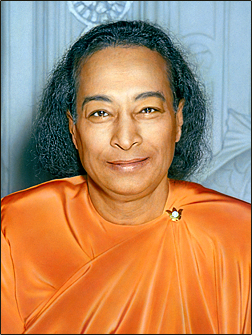
The Daily Dance of Divine Connection
Paramahansa Yogananda invites us to engage in a profound daily communion with the divine through meditation, suggesting that this practice is essential for a balanced life. He emphasizes the importance of not only seeking God in moments of stillness but also carrying that divine love and guidance into our everyday activities. This integration of spiritual practice into daily life is not merely a suggestion; it is a pathway to harmony and fulfillment that resonates deeply within the human experience.
In a world often characterized by chaos and distraction, Yogananda's words remind us of the necessity of grounding ourselves in a spiritual practice that transcends the superficial. The act of meditating daily serves as a sanctuary, a place where we can reconnect with our true selves and the divine essence that permeates all existence. By embodying this connection throughout our daily interactions, we cultivate a life that is not only balanced but also enriched by the love and wisdom that flows from our communion with God.
The image / the metaphor
The imagery in Yogananda's quote evokes a sense of sacredness in the act of meditation, portraying it as a communion with God that is both intimate and transformative. The verbs "commune" and "carry" suggest an active engagement with the divine, where meditation is not a passive retreat but a dynamic exchange. This deep meditation becomes a source of strength and clarity, enabling us to navigate the complexities of life with grace and purpose.
In the speaker's tradition
Paramahansa Yogananda's teachings are rooted in the rich tradition of Hinduism, where concepts such as dharma and bhakti play pivotal roles in understanding one's relationship with the divine. Dharma, or righteous living, emphasizes the importance of aligning our actions with spiritual principles, while bhakti, the path of devotion, encourages a heartfelt connection with God. Yogananda's emphasis on daily communion with God through meditation embodies these principles, inviting practitioners to live in accordance with their highest spiritual truths.
In the Bhagavad Gita, a foundational text in Hindu philosophy, Lord Krishna speaks to Arjuna about the importance of devotion and the pursuit of knowledge. This aligns with Yogananda's message, as both emphasize the necessity of integrating spiritual practice into daily life. The Gita teaches that through devotion and meditation, one can attain a state of union with the divine, echoing Yogananda's call for a balanced life rooted in spiritual awareness.
Living the teaching
Consider a modern scenario where an individual faces the daily grind of work and personal responsibilities. Amidst deadlines and meetings, the practice of daily meditation becomes a refuge, a time to reconnect with the divine and gain clarity. As this person emerges from meditation, they carry with them a sense of peace and purpose, allowing them to approach their tasks with a renewed perspective. This practice transforms their interactions with colleagues, infusing their work with compassion and understanding, ultimately leading to a more harmonious workplace.
In a different context, imagine a challenging moment in a relationship, where misunderstandings and emotions run high. By applying Yogananda's teaching, one might take a step back to engage in meditation, seeking divine guidance and love. This pause allows for reflection and a deeper understanding of the situation, enabling the individual to respond with empathy rather than react impulsively. In this way, the daily practice of communion with God not only nurtures personal growth but also fosters healthier relationships.
A reflection
As we contemplate Yogananda's profound invitation to commune with God daily, we are left with a contemplative question: How can I more fully integrate my spiritual practice into the fabric of my daily life? This inquiry invites us to explore the ways in which we can carry the essence of our meditation into our actions, interactions, and decisions, ultimately leading to a more balanced and fulfilling existence.


