Unveiling the Original Face: A Journey Beyond Identity
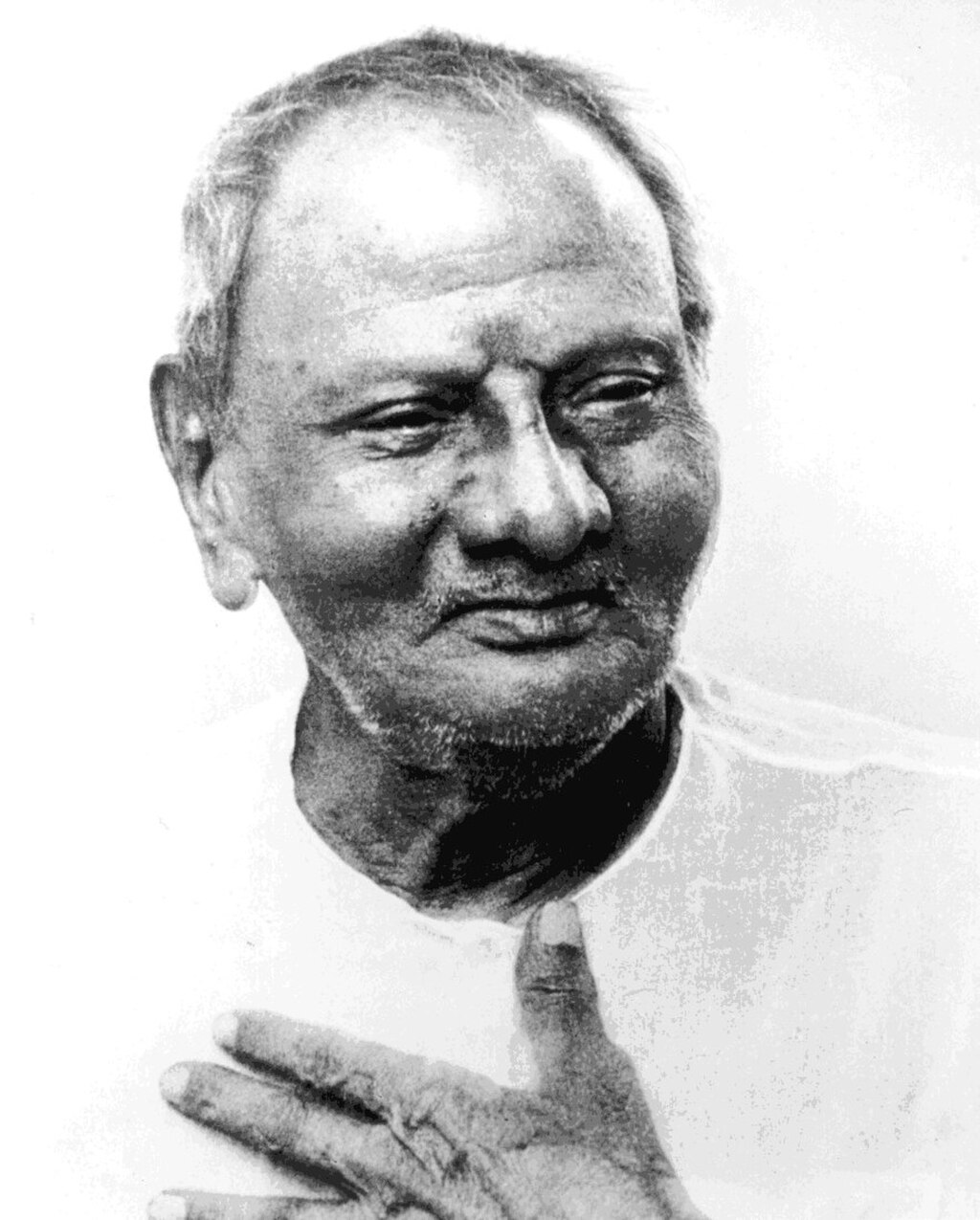
Nisargadatta Maharaj's profound question, "What was your original face before your parents were born?" invites us to explore the essence of our being, unencumbered by the identities and roles we adopt throughout our lives. This inquiry beckons us to peel away the layers of conditioning and societal expectations, urging us to reconnect with our true nature. The stakes are high; in a world that often prioritizes external validation and material success, this question serves as a compass guiding us back to the core of our existence.
To delve deeper, we must recognize that this question is not merely philosophical; it is a call to introspection and self-discovery. It challenges us to confront the narratives we have constructed about ourselves and to question the very foundations of our identity. By contemplating our "original face," we are invited to transcend the transient aspects of our lives and to engage with the timeless essence that resides within us. This exploration is not just an intellectual exercise; it is a transformative journey that can lead to profound insights and a deeper understanding of our interconnectedness with all beings.
The image / the metaphor
The imagery in Maharaj's question is striking and evocative. The phrase "original face" conjures a sense of purity and authenticity, suggesting a state of being that exists prior to the influences of family, culture, and society. The verbs chosen—"was" and "born"—imply a temporal dimension, inviting us to reflect on the nature of existence itself. What does it mean to have an "original face"? It suggests a fundamental essence that is untouched by the complexities of life, a state of being that is both intimate and universal.
In the speaker's tradition
Nisargadatta Maharaj's teachings are rooted in the non-dual tradition, which emphasizes the interconnectedness of all beings and the illusion of separateness. Concepts such as *sunyata* (emptiness) and *fana* (annihilation of the self) resonate deeply with the inquiry posed in this quote. In this context, the "original face" can be seen as a reflection of the ultimate reality, where the individual self dissolves into the greater whole. This perspective aligns with the notion of *kenosis*, or self-emptying, which invites us to relinquish our attachments to identity and to embrace the fullness of existence.
In the text *I Am That*, Maharaj often points to the idea that our true nature is beyond conceptualization and cannot be fully grasped by the mind. This aligns with the teachings of other non-dual philosophers, such as Advaita Vedanta, which posits that the ultimate reality, *Brahman*, is the essence of all beings. By contemplating our "original face," we engage with the profound truth that we are not separate entities but rather expressions of the same underlying consciousness. This realization can lead to a transformative understanding of our place in the universe.
Living the teaching
Consider a modern scenario where this teaching might resonate: a person grappling with their career identity. They may feel trapped in a job that does not reflect their true self, burdened by societal expectations and the desire for external validation. In such moments, Maharaj's question serves as a powerful reminder to pause and reflect on what lies beneath the surface of their professional persona. By contemplating their "original face," they can begin to discern their authentic passions and values, allowing them to make choices that align more closely with their true essence.
Another application of this teaching can be found in relationships. Imagine a conflict arising between two partners, each entrenched in their perspectives and identities. In the heat of the moment, the question of "What was your original face before your parents were born?" can serve as a grounding inquiry. It invites both individuals to step back from their roles and to recognize the shared humanity that underlies their differences. By connecting with their essence, they may find a path toward empathy and understanding, fostering a deeper connection that transcends the surface-level disagreements.
A reflection
As we contemplate Nisargadatta Maharaj's profound question, we are invited to engage in a deeper exploration of our own identities and the essence that lies beneath. What narratives have we constructed about ourselves, and how do they shape our perceptions and interactions? In this moment of reflection, consider this contemplative question: "What does my original face reveal about my true nature, and how can I embody that essence in my daily life?"