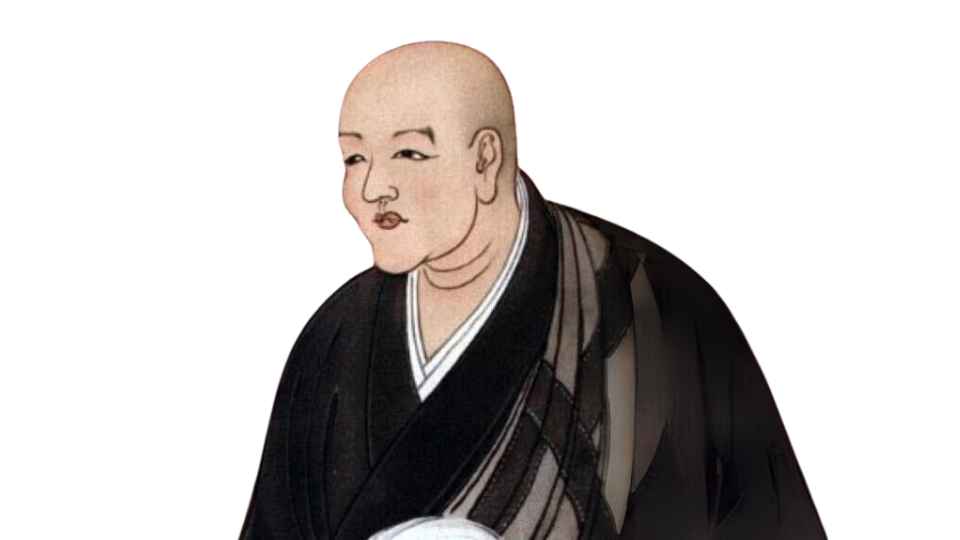
Finding Stillness in the Midst of Motion
“Do not lean to the left or right, neither forward nor backward.” This profound instruction from Dōgen invites us to explore the essence of balance and centeredness in our lives. In a world often characterized by extremes—whether in thought, emotion, or action—this quote serves as a gentle reminder to cultivate a posture of equanimity. The stakes are high; our ability to navigate life's complexities hinges on our capacity to remain centered, allowing us to respond to challenges with clarity and grace.
As we delve deeper into this teaching, we recognize that Dōgen's words resonate beyond mere physical posture. They beckon us to examine our mental and emotional states, urging us to avoid the pitfalls of attachment and aversion. In Zen practice, the concept of balance is not merely a physical stance but a holistic approach to existence, encompassing our thoughts, feelings, and interactions with the world. By embodying this principle, we can cultivate a sense of inner peace that transcends the chaos surrounding us.
The image / the metaphor
At first glance, Dōgen's quote conjures a vivid image of a person striving for balance, perhaps standing on one leg or navigating a narrow path. The verbs “lean” and “do not” evoke a sense of movement and intention, suggesting that our natural inclination may be to sway toward distractions or extremes. This imagery speaks to the human experience of being pulled in various directions—by desires, fears, or societal pressures—while the call to remain centered invites us to find stability amidst the turbulence.
Dōgen’s metaphor extends beyond the physical realm, inviting us to consider the psychological and spiritual dimensions of balance. Leaning to the left or right can symbolize our tendency to cling to preferences or judgments, while leaning forward or backward may represent our inclination to rush toward the future or dwell in the past. In this light, Dōgen’s teaching becomes a profound exploration of presence, urging us to inhabit the moment fully without being swayed by the dualities that often cloud our perception.
In the speaker's tradition
Situated within the rich tapestry of Zen Buddhism, Dōgen's teaching reflects core concepts such as sunyata (emptiness) and prajna (wisdom). The notion of balance resonates with the Zen understanding of non-attachment, where one learns to navigate life without being ensnared by the dualities of existence. This teaching aligns with the practice of zazen, or seated meditation, which encourages practitioners to cultivate a stable and open awareness, free from the distractions of the mind.
In his seminal work, the *Fukanzazengi*, Dōgen emphasizes the importance of posture in meditation, suggesting that the physical alignment of the body can influence the clarity of the mind. This connection between body and mind underscores the Zen principle of integrating practice into daily life, where the act of sitting becomes a profound expression of balance. Just as one must find the right posture to sit comfortably, so too must we find our center in the midst of life’s challenges.
Living the teaching
Consider a modern scenario where this teaching might resonate: a busy professional navigating the demands of work and personal life. In the midst of deadlines and responsibilities, one might feel the urge to lean into stress or anxiety, sacrificing well-being for productivity. By embodying Dōgen's teaching, this individual can practice mindfulness, taking a moment to breathe and reconnect with their center, allowing for a more balanced and thoughtful response to the challenges at hand.
In relationships, the application of this teaching can be equally transformative. During a conflict, it is easy to lean into defensiveness or to retreat into silence, both of which can escalate tensions. By consciously choosing to remain centered—listening deeply and responding with compassion—one can foster a space of understanding and connection. This practice of balance not only enhances personal relationships but also cultivates a sense of harmony within oneself.
A reflection
As we reflect on Dōgen's profound instruction, we are invited to consider: What does it mean for me to find my center amidst the chaos of life? This contemplative question encourages us to explore our own tendencies to lean in various directions—whether toward distraction, anxiety, or attachment—and to cultivate a practice of balance that honors our true nature. In this exploration, we may discover the profound peace that arises from simply being present, grounded in the moment.


