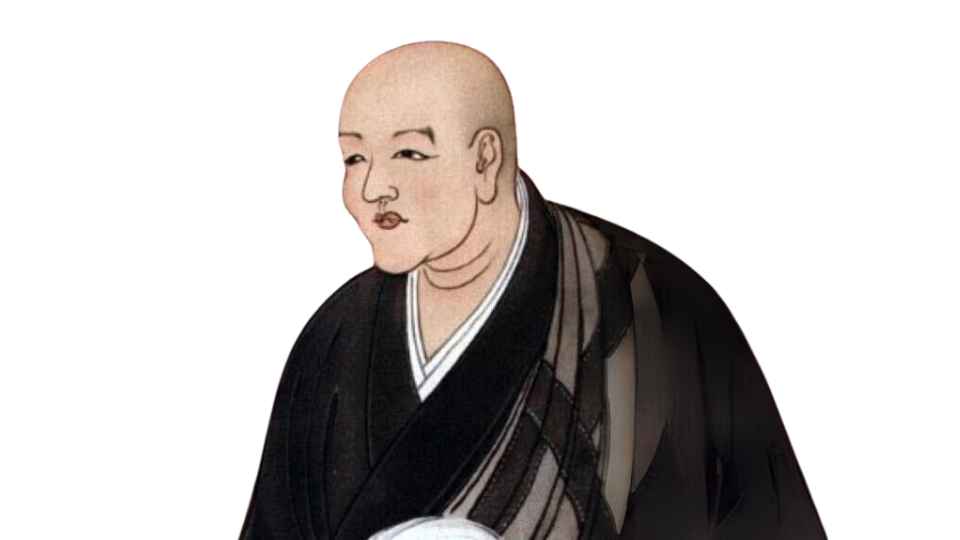
The Art of Non-Attachment: Embracing Equanimity
“Do not grasp; do not push away.” This succinct yet profound teaching from Dōgen invites us to explore the delicate balance of equanimity in our lives. It speaks to the human tendency to cling to what we desire while simultaneously rejecting what we do not want. In a world often characterized by extremes, this quote serves as a gentle reminder of the importance of maintaining a centered presence, free from the turbulence of attachment and aversion. The stakes are high; our emotional well-being and spiritual growth hinge on our ability to navigate these dualities with grace.
At its core, Dōgen's teaching challenges us to reconsider our relationship with desire and aversion, urging us to cultivate a state of being that transcends these oppositional forces. This is not merely a call for passive acceptance but an invitation to engage with life fully, without the distortions of craving or fear. By embodying this principle, we can foster a deeper understanding of ourselves and the world around us, ultimately leading to a more profound sense of peace and clarity. In this exploration, we will delve into the imagery of Dōgen's words, their roots in Zen tradition, and their relevance in our modern lives.
The image / the metaphor
The imagery in Dōgen's quote is striking in its simplicity yet rich in meaning. The verbs “grasp” and “push away” evoke a sense of physicality, suggesting an active engagement with our desires and fears. To grasp implies a tightening, a clenching of the fist around something we wish to possess, while to push away suggests a forceful rejection of what we find undesirable. Together, these actions create a vivid picture of the struggle that often defines our emotional landscape, where we oscillate between longing and aversion, caught in a cycle of suffering.
Dōgen’s metaphor extends beyond mere physical actions; it encapsulates the psychological states that accompany them. Grasping and pushing away are not just actions but reflections of our inner turmoil, revealing our deep-seated fears and desires. This duality can lead to a fragmented sense of self, where we are constantly at war with our own emotions. By inviting us to refrain from both extremes, Dōgen encourages a more holistic approach to existence, one that embraces the fullness of life without the constraints of attachment or aversion.
In the speaker's tradition
To fully appreciate Dōgen's teaching, we must situate it within the rich tapestry of Zen Buddhism. Central to this tradition is the concept of *sunyata*, or emptiness, which invites practitioners to recognize the transient nature of all phenomena. This understanding fosters a sense of detachment that is not about indifference but rather about seeing things as they truly are, free from the distortions of our desires. Dōgen’s exhortation to neither grasp nor push away aligns with this principle, as it encourages us to engage with life without the burdens of attachment.
Living the teaching
Consider a modern scenario where this teaching can be applied: the experience of anxiety in a professional setting. Imagine preparing for a significant presentation. The urge to grasp at the outcome—seeking approval and success—can lead to overwhelming pressure, while the desire to push away the fear of failure can create a sense of avoidance. By embodying Dōgen’s wisdom, one can approach the situation with equanimity, acknowledging both the desire for success and the fear of failure without becoming entangled in either. This balanced perspective allows for a more authentic engagement with the moment, fostering clarity and confidence.
A reflection
As we reflect on Dōgen's profound teaching, we are invited to consider how we navigate our own tendencies to grasp and push away. In what areas of your life do you find yourself clinging to desires or rejecting experiences? This contemplation opens the door to a deeper understanding of your emotional landscape and invites you to explore the possibility of embracing life as it is, without the distortions of attachment or aversion. In this space of inquiry, may you find the seeds of equanimity that lead to a more peaceful existence.


