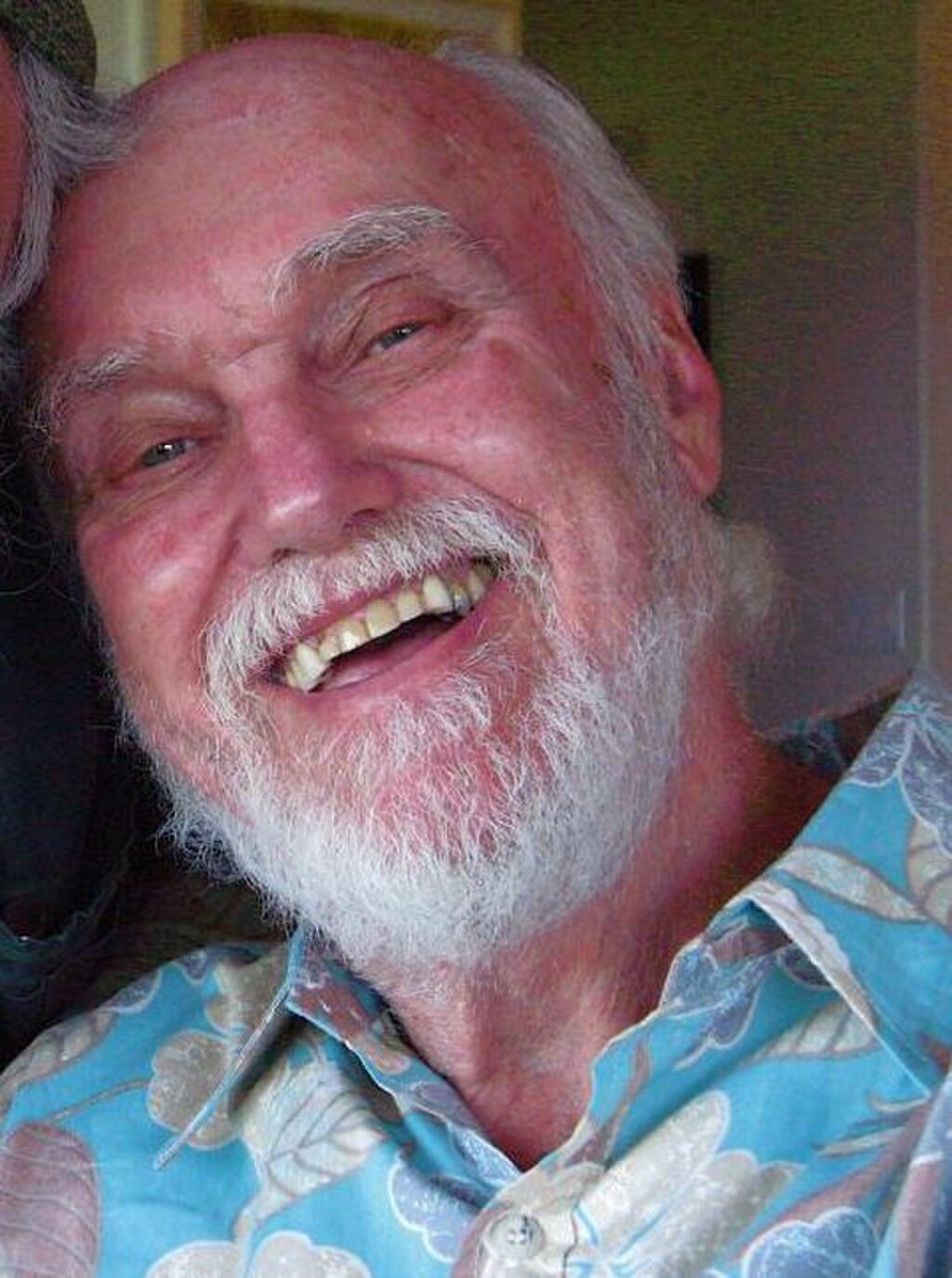
The Weight of Time: Embracing the Present
In the words of Ram Dass, we often find ourselves ensnared by the relentless pull of the past and the future, leaving little room for the richness of the present moment. This quote encapsulates a profound truth about human experience: our incessant preoccupation with time and self-concept can rob us of the beauty and depth of now. The stakes are high; in our quest for meaning and fulfillment, we may overlook the very essence of life that unfolds in the present.
To deepen this understanding, we must recognize that our fixation on what has been or what might be creates a veil that obscures our awareness. This distraction not only diminishes our capacity for joy but also hinders our ability to connect authentically with ourselves and others. Ram Dass invites us to consider the transformative power of presence, urging us to cultivate an awareness that transcends temporal concerns and self-imposed limitations.
The image / the metaphor
At the heart of Ram Dass's quote lies a vivid imagery of entanglement—being "tied up" suggests a constraining force that binds us to our thoughts and narratives. The verbs "tied up" evoke a sense of struggle, as if we are ensnared in a web of our own making, unable to break free and experience the immediacy of life. This metaphor speaks to the human condition, where the mind often races ahead or lingers behind, leaving little space for the present moment to breathe.
Diving deeper into this metaphor, we can see that the act of being "here" and "now" is not merely a physical presence but a state of consciousness. It invites us to disentangle ourselves from the mental constructs that define our identities and perceptions. In this light, the quote becomes a call to liberation—a reminder that true freedom lies in our ability to anchor ourselves in the present, where life unfolds in its most authentic form.
In the speaker's tradition
Ram Dass's teachings are deeply rooted in the Hindu tradition, where concepts such as dharma and bhakti illuminate the path to presence. Dharma, or one's duty, encourages individuals to engage fully with their current circumstances, while bhakti emphasizes devotion and surrender to the divine, fostering a connection that transcends the self. These principles align with the essence of being present, as they invite us to embrace our roles in the tapestry of existence without being burdened by the weight of time.
In the context of Hindu philosophy, we can draw parallels to the concept of sunyata, or emptiness, which suggests that the attachments to past and future are illusions that cloud our perception. The Bhagavad Gita, a seminal text in this tradition, speaks to the importance of performing one's duty without attachment to the fruits of action, urging us to remain anchored in the present moment. This wisdom resonates with Ram Dass's message, reinforcing the idea that liberation comes from letting go of our fixation on time and self.
Living the teaching
Consider a modern scenario where this teaching can be applied: a busy professional, overwhelmed by deadlines and future goals, finds it challenging to engage with colleagues or enjoy the present moment. In such a situation, the teaching of Ram Dass serves as a gentle reminder to pause, breathe, and reconnect with the here and now. By cultivating mindfulness practices, such as meditation or simply taking a moment to appreciate the surroundings, one can begin to break free from the shackles of time and rediscover the joy of being present.
Another application of this teaching might arise in the context of relationships. Imagine a couple caught in a cycle of past grievances and future anxieties, unable to communicate openly and authentically. By embracing the essence of Ram Dass's message, they can learn to let go of their preconceptions and engage with each other in the present moment. This shift not only fosters deeper connection but also allows for healing and growth, as they learn to appreciate each other without the burdens of past narratives or future expectations.
A reflection
As we contemplate the wisdom of Ram Dass's quote, we are invited to reflect on our own relationship with time and presence. How often do we find ourselves caught in the web of our thoughts, distracted by what has been or what might come? In this moment, consider this contemplative question: What would it feel like to fully inhabit the present, releasing the weight of past and future, and embracing the richness of now?