Charting New Territories: The Call to Authentic Leadership
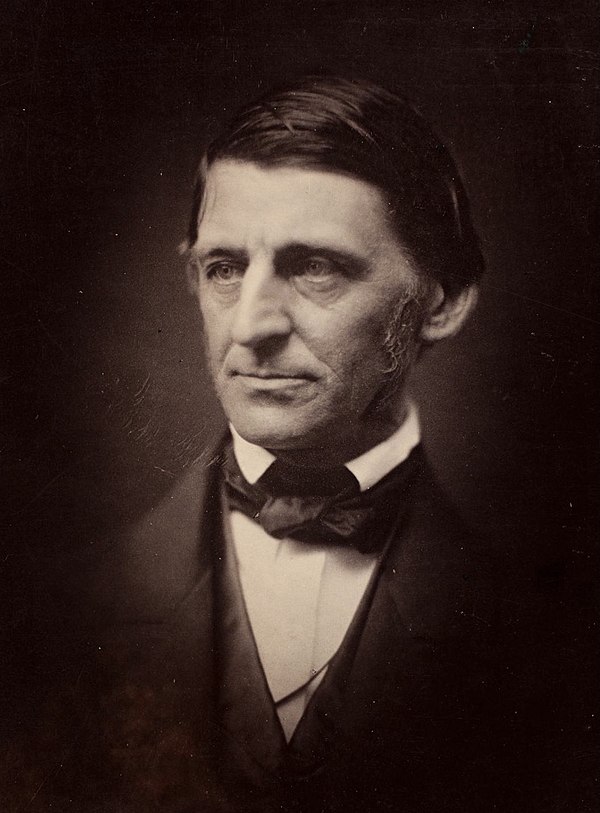
Ralph Waldo Emerson's quote, "Do not go where the path may lead, go instead where there is no path and leave a trail," invites us to embrace the unknown and forge our own paths in life. This call to action resonates deeply in a world often dominated by conformity and the fear of failure. By encouraging us to venture into uncharted territory, Emerson emphasizes the importance of individual agency, creativity, and the legacy we leave behind. In a society that frequently rewards adherence to established norms, this message is both revolutionary and essential.
At its core, Emerson's wisdom speaks to the heart of leadership and character development. It challenges us to reflect on our own journeys and the impact we wish to have on others. By choosing to carve our own paths, we not only cultivate our unique identities but also inspire those around us to do the same. This notion of leaving a trail is not merely about personal achievement; it is about creating a legacy that encourages future generations to explore their potential and embrace their individuality.
The image / the metaphor
The imagery in Emerson's quote is rich and evocative. The "path" symbolizes the conventional routes that many choose to follow—those well-trodden ways that offer a sense of security and predictability. In contrast, the idea of venturing "where there is no path" conjures a sense of adventure and courage. The verbs "go" and "leave" suggest an active engagement with life, urging us to take initiative and responsibility for our choices. This metaphor not only highlights the importance of personal agency but also evokes the idea of pioneering, of being a trailblazer in our own right.
In the speaker's tradition
Emerson's philosophy is deeply rooted in the transcendentalist tradition, which emphasizes the inherent goodness of people and nature, as well as the importance of self-reliance and individual intuition. This perspective aligns with concepts such as dharma, which refers to one's personal duty or path in life, and kenosis, the idea of self-emptying to allow for greater authenticity and connection with the divine. By advocating for the creation of one's own path, Emerson echoes the transcendentalist belief that true fulfillment comes from aligning with one's inner truth and purpose.
In his essays, Emerson often draws upon the idea of the "Oversoul," a concept that suggests a shared spiritual essence among all beings. This interconnectedness implies that when we forge our own paths, we contribute to a collective evolution of consciousness. By leaving a trail, we not only honor our unique journeys but also enrich the tapestry of human experience. Emerson's call to action resonates with the notion that our individual pursuits can have a profound impact on the greater whole, encouraging others to seek their own authenticity.
Living the teaching
Consider a modern scenario where this teaching can be applied: a young entrepreneur who decides to launch a startup in a saturated market. Instead of following the conventional business models that others have used, they choose to innovate, creating a product that reflects their unique vision and values. This decision not only sets them apart but also inspires others in their community to think creatively and pursue their passions. By venturing into uncharted territory, they embody Emerson's call to leave a trail, demonstrating that success can be achieved through authenticity and courage.
Another application of this teaching can be seen in personal relationships. Imagine a couple facing challenges in their communication. Rather than adhering to the typical patterns of conflict resolution, they choose to explore new ways of expressing their feelings and needs. By stepping away from the familiar paths of argument and misunderstanding, they create a new dynamic that fosters deeper connection and understanding. In this way, they leave a trail of love and growth, not only for themselves but also for others who may witness their journey.
A reflection
As we contemplate Emerson's profound words, we are invited to reflect on our own lives: What paths have we followed, and where might we choose to venture into the unknown? In what ways can we leave a trail that inspires others to embrace their own journeys? These questions encourage us to consider the legacy we wish to create and the impact we can have on those around us. In a world that often values conformity, may we find the courage to forge our own paths and illuminate the way for others.


