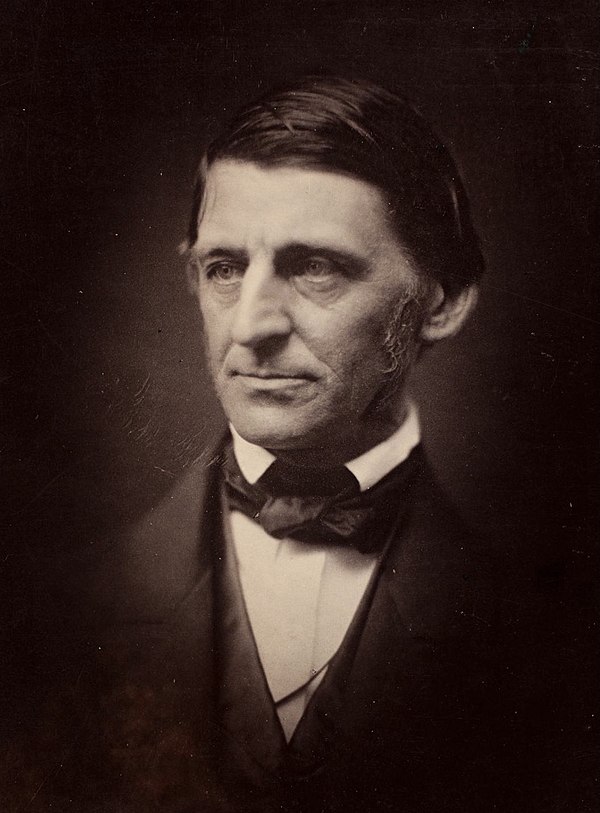
Ralph Waldo Emerson's assertion that "once you make a decision, the universe conspires to make it happen" invites us to consider the profound interplay between intention and manifestation. This quote suggests that our choices are not merely isolated acts but rather catalysts that engage the cosmos in a cooperative dance. The stakes of this understanding are high; it challenges us to recognize the power of our decisions and the responsibility that accompanies them. In a world often characterized by uncertainty and chaos, this perspective offers a pathway to agency and purpose.
Delving deeper, Emerson's words resonate with the idea that the universe is not a passive backdrop to our lives but an active participant in our journeys. When we align our intentions with our actions, we create a resonance that attracts opportunities and resources. This alignment is not merely about wishful thinking; it requires a commitment to clarity and purpose. The universe, in this sense, becomes a mirror reflecting our inner state, suggesting that our external realities are shaped by our internal decisions.
The image / the metaphor
At the heart of Emerson's quote lies a vivid metaphor of collaboration between the individual and the cosmos. The phrase "the universe conspires" evokes a sense of unity and cooperation, as if the very fabric of existence bends to support our aspirations. The use of the verb "conspires" implies a secretive, almost mystical alliance, suggesting that forces beyond our comprehension are at work when we commit to a path. This imagery invites us to envision our decisions as seeds planted in fertile ground, where the universe nurtures their growth.
Going deeper into this metaphor, we can see that it speaks to the interconnectedness of all things. Just as a single decision can ripple through the fabric of reality, so too can our intentions create waves of change that affect not only our lives but the lives of those around us. The universe, in this context, is not a distant entity but an intimate partner in our journey, responding to our desires and actions with synchronicities and serendipities that guide us along our chosen path.
In the speaker's tradition
Emerson's philosophy is deeply rooted in the tradition of transcendentalism, which emphasizes the inherent goodness of people and nature, as well as the importance of individual intuition and self-reliance. This perspective aligns with concepts such as dharma, which refers to one's duty or path in life, and prajna, the wisdom that arises from understanding one's true nature. In this light, Emerson's quote can be seen as an invitation to embrace our unique paths and trust that the universe will support us when we act in accordance with our true selves.
In his essay "Self-Reliance," Emerson articulates the necessity of trusting oneself and the universe's responsiveness to our authentic expressions. He writes, "Trust thyself: every heart vibrates to that iron string." This sentiment echoes the idea that when we make decisions rooted in our true nature, we align ourselves with a greater cosmic order that facilitates our growth and fulfillment. The universe, then, becomes a reflection of our inner truth, responding to the clarity and authenticity of our intentions.
Living the teaching
Consider a modern scenario where this teaching finds relevance: a young professional contemplating a career change. After much reflection, they decide to pursue their passion for art, leaving behind a stable but unfulfilling job. As they take this leap of faith, they begin to notice unexpected opportunities arising—connections with other artists, invitations to showcase their work, and even financial support from friends and family. This unfolding of events illustrates how the universe responds to a clear decision, aligning circumstances to support the individual's new path.
In a different context, imagine a relationship that has become stagnant. One partner decides to communicate openly about their feelings and needs, a decision that requires vulnerability and courage. As they express their intentions, the other partner begins to reciprocate, leading to deeper conversations and a renewed sense of connection. Here, the act of making a conscious decision to engage authentically creates a ripple effect, demonstrating how the universe conspires to foster growth and healing when we align our actions with our intentions.
A reflection
As we contemplate Emerson's assertion, we might ask ourselves: What decisions am I currently hesitating to make, and how might my life change if I embraced them fully? This question invites us to explore the areas in our lives where we feel stuck or uncertain, encouraging us to recognize the power of our choices. By reflecting on our intentions and the potential support of the universe, we can cultivate a deeper sense of agency and purpose, ultimately transforming our lives through the decisions we make.


