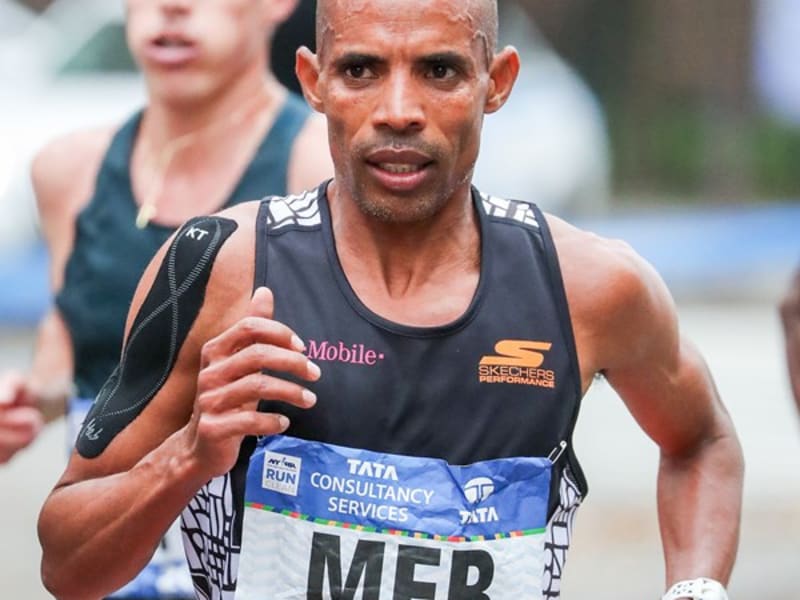
"Run to win" encapsulates a philosophy that transcends the mere act of racing; it speaks to the essence of striving for excellence in all aspects of life. Meb Keflezighi, a celebrated marathoner, invites us to consider not just the physical act of running, but the mental and emotional fortitude required to pursue our goals with vigor and determination. This quote resonates deeply in a world where competition can often feel daunting, yet it also serves as a clarion call to embrace the challenges we face, both on race day and in our daily lives.
In a broader context, "run to win" is a reminder that the journey toward our aspirations is as significant as the destination itself. It encourages us to cultivate a mindset of resilience and focus, urging us to push through obstacles with the intention of achieving our highest potential. This philosophy is not merely about finishing first; it is about the commitment to give our best effort, to engage fully with our passions, and to embrace the transformative power of competition as a means of personal growth.
The image / the metaphor
The imagery of "running" evokes a sense of movement, urgency, and purpose. It conjures up the image of a marathoner, heart pounding, legs straining, yet driven by an inner fire to cross the finish line. The verb "run" implies action, a dynamic engagement with the world, while "to win" introduces a goal-oriented mindset. This duality of action and aspiration captures the essence of what it means to pursue excellence, reminding us that the act of striving is itself a victory.
In the speaker's tradition
Meb Keflezighi's philosophy is deeply rooted in the tradition of marathon running, which is as much about mental toughness as it is about physical endurance. This aligns with concepts such as dharma, which emphasizes the importance of fulfilling one's purpose with dedication and integrity. In the context of running, this means not only striving for personal bests but also embodying the spirit of perseverance and commitment that defines the marathon experience.
Moreover, the teachings found in various spiritual traditions echo this sentiment. For instance, in the Bhagavad Gita, the concept of "karma yoga" encourages individuals to act selflessly and with intention, focusing on the process rather than the fruits of their labor. This resonates with Keflezighi's message, as both advocate for a mindset that values effort and dedication over mere outcomes, fostering a deeper connection to the journey itself.
Living the teaching
Consider a modern scenario where the teaching of "run to win" can be applied: a professional facing a challenging project at work. The pressure to deliver results can be overwhelming, yet embracing this philosophy allows the individual to focus on the process of their work rather than solely on the end result. By committing to excellence in each task, they cultivate a sense of purpose and fulfillment, transforming the experience from one of anxiety to one of growth and achievement.
In a different context, this teaching can be applied to personal relationships. Imagine navigating a difficult conversation with a loved one; the urge to "win" the argument may arise. However, by adopting the mindset of "running to win," one can shift focus from winning the debate to fostering understanding and connection. This approach not only enhances the quality of the relationship but also deepens the emotional resilience required to engage in meaningful dialogue.
A reflection
As we contemplate the essence of "run to win," we are invited to reflect on our own journeys. What does it mean for you to run toward your goals with intention and purpose? In what areas of your life can you embrace the spirit of competition, not as a means to an end, but as a way to deepen your commitment to personal growth and fulfillment? Allow this question to guide you as you navigate the races of your own life.