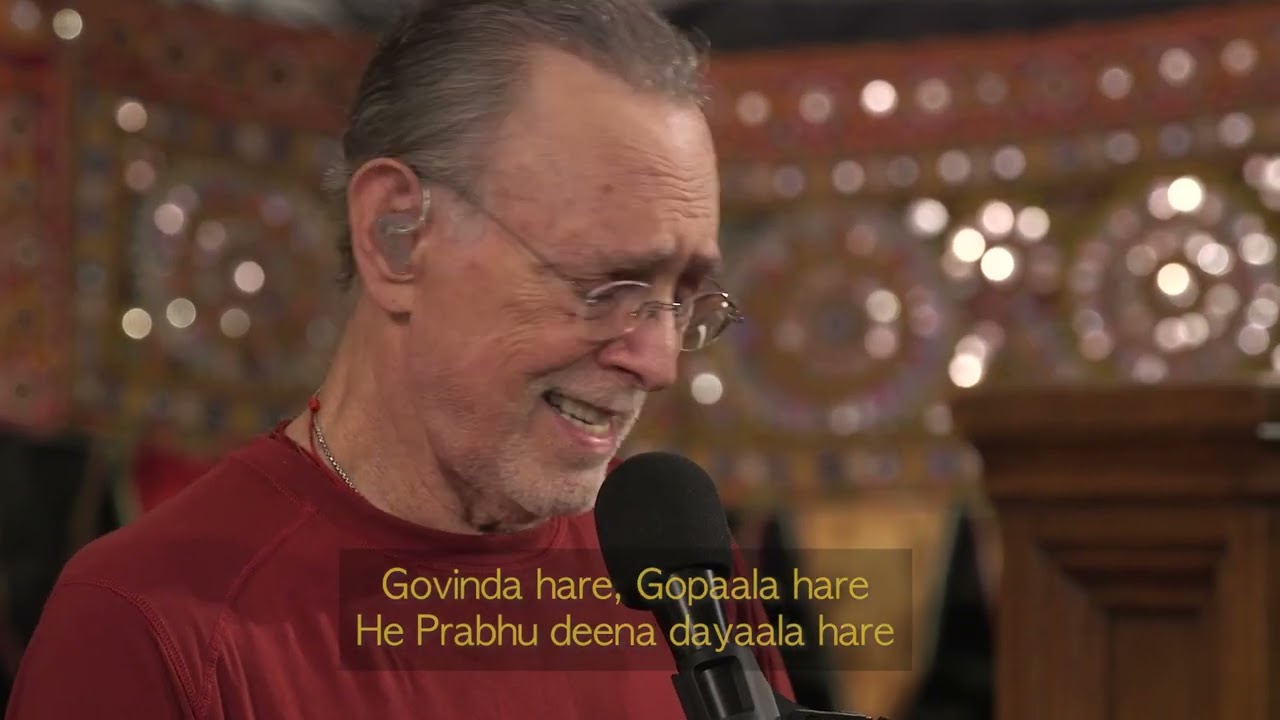
In the simple yet profound words of Krishna Das, "You are loved. Maharaj-ji loves you," we find an invitation to recognize the unconditional love that permeates our existence. This statement is not merely a comforting platitude; it is a profound reminder of our inherent worth and the divine affection that surrounds us. In a world often marked by feelings of isolation and unworthiness, these words serve as a beacon, illuminating the path toward self-acceptance and spiritual awakening.
To understand the depth of this message, we must consider the context in which it is delivered. Krishna Das, a prominent figure in the bhakti tradition, channels the essence of Maharaj-ji, a revered spiritual teacher known for his boundless compassion. This quote encapsulates the core of bhakti—devotional love that transcends the self and connects us to the divine. It beckons us to explore the nature of love, not just as an emotion but as a transformative force that can reshape our understanding of ourselves and our place in the universe.
The image / the metaphor
The imagery in Krishna Das's quote is both tender and powerful. The phrase "You are loved" serves as a gentle caress, a reminder that love is not something we must earn or strive for; it is our birthright. The use of "Maharaj-ji loves you" personalizes this love, grounding it in the figure of a beloved teacher who embodies divine compassion. This intimate connection invites us to feel the warmth of acceptance and belonging, suggesting that love is not an abstract concept but a palpable presence in our lives.
Diving deeper into the metaphor, we can see that love, as expressed in this quote, is an active force. It is not passive or conditional; rather, it is a dynamic energy that flows from the divine to us and through us. This love is akin to a river that nourishes the parched earth, reminding us that we are never truly alone. The act of being loved becomes a transformative experience, urging us to open our hearts and embrace the fullness of our existence, even amidst life's challenges.
In the speaker's tradition
Krishna Das's message resonates deeply within the bhakti tradition, which emphasizes devotion and love for the divine as the highest spiritual practice. Central to this tradition is the concept of bhakti itself, which signifies a deep, personal connection to God characterized by love, surrender, and devotion. This love is not merely an emotion but a path to realizing our true nature, echoing the teachings of saints like Ramakrishna and Meera Bai, who spoke of love as the ultimate means of liberation.
In bhakti literature, we often encounter the idea of "kenosis," or self-emptying, which aligns beautifully with the notion of being loved. To fully receive the love that Maharaj-ji offers, we must be willing to let go of our ego and the barriers we construct around our hearts. This echoes the teachings found in the Bhagavad Gita, where Krishna encourages Arjuna to surrender his fears and doubts, allowing divine love to guide him toward his true purpose. Such surrender opens the door to experiencing the profound love that is always present, waiting for us to acknowledge it.
Living the teaching
Imagine a moment in your life when you felt overwhelmed by self-doubt or unworthiness. Perhaps it was during a challenging time at work, where you questioned your abilities and felt isolated from your colleagues. In such moments, the reminder that "You are loved" can serve as a lifeline, encouraging you to step back from the critical voice within and embrace the truth of your inherent worth. This teaching invites you to recognize that love is not contingent upon your achievements or failures; it is a constant, unwavering presence that supports you through every trial.
In relationships, this message can be transformative as well. Consider a time when you faced conflict with a loved one, where misunderstandings and hurt feelings clouded your connection. By recalling that "Maharaj-ji loves you," you may find the strength to approach the situation with compassion rather than defensiveness. This perspective allows you to see beyond the surface of the conflict, fostering a deeper understanding and connection rooted in love. In daily practice, embracing this teaching can manifest as a commitment to self-compassion, reminding you to treat yourself with the same kindness that Maharaj-ji extends to you.
A reflection
As we contemplate the profound message encapsulated in Krishna Das's words, we are invited to ask ourselves: How do I experience and embody the love that is always present in my life? This question encourages us to reflect on our relationship with ourselves and others, prompting us to explore the ways in which we can open our hearts to receive and share love more fully. In doing so, we may discover that the journey toward recognizing our worth is not a solitary path but a shared experience, woven together by the divine love that connects us all.