Embracing the Future: The Promise of Our Children
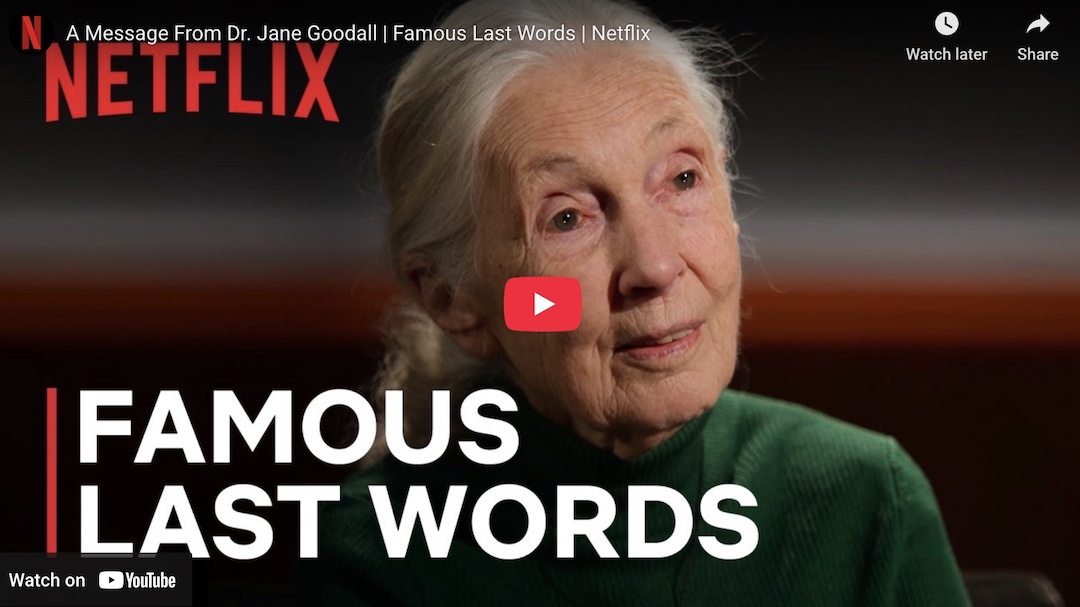
Jane Goodall's poignant assertion, "Children are our hope," encapsulates a profound truth about the interconnectedness of generations and the potential that resides within the young. This statement resonates deeply in a world often overshadowed by despair and environmental degradation. It invites us to reflect on the role of children not merely as passive recipients of our legacy but as active agents of change, embodying the aspirations and dreams we hold for a better future. The stakes are high; our planet's health and the well-being of future generations hinge on how we nurture and empower the youth of today.
To delve deeper into this sentiment, we must consider the essence of hope itself. Hope is not a mere wish for better circumstances; it is an active engagement with the world, a commitment to fostering resilience and creativity in the face of adversity. Children, with their innate curiosity and boundless imagination, represent the embodiment of this hope. They challenge us to envision a world that transcends our current limitations, urging us to cultivate an environment where their potential can flourish. In this light, Goodall's words become a clarion call for us to invest in the future, recognizing that the seeds we plant today will shape the landscape of tomorrow.
The image / the metaphor
The imagery in Goodall's quote is strikingly vivid. By referring to children as "our hope," she evokes a sense of guardianship and responsibility. The word "hope" carries with it a weight of expectation and possibility, suggesting that the future is not predetermined but rather malleable, shaped by the actions we take today. The use of "our" emphasizes a collective ownership, reminding us that the well-being of children is a shared concern that transcends individual boundaries. This metaphor invites us to envision children as luminous stars in the vast expanse of the universe, guiding us toward a brighter horizon.
Diving deeper into this metaphor, we can see that children symbolize not only hope but also renewal and transformation. They are the embodiment of potential, representing the dreams and aspirations that we, as a society, hold dear. In this sense, children are akin to seedlings, fragile yet resilient, requiring nurturing and care to grow into strong, vibrant trees. This metaphor extends beyond mere optimism; it calls us to action, urging us to cultivate an environment where children can thrive, learn, and ultimately lead us toward a more sustainable and compassionate world.
In the speaker's tradition
Jane Goodall's work is deeply rooted in the tradition of contemplative ecology, which emphasizes the interconnectedness of all living beings and the importance of nurturing our relationship with the natural world. This perspective aligns with concepts such as dharma, which speaks to the inherent duty we have to protect and preserve life. In this context, children are not only the future but also the stewards of our planet, tasked with carrying forward the lessons of compassion and respect for nature that we impart to them. Goodall's emphasis on hope reflects a profound understanding of the cycles of life and the responsibility we bear in shaping the world for those who come after us.
Moreover, Goodall's insights resonate with the Buddhist concept of sunyata, or emptiness, which invites us to recognize the impermanence of all things. In acknowledging that our time on this planet is finite, we are called to invest in the next generation, ensuring that they inherit a world rich with opportunities and possibilities. This perspective is echoed in her writings, where she often reflects on the importance of education and empowerment as tools for fostering a sense of agency in children, enabling them to navigate the complexities of the world with wisdom and compassion.
Living the teaching
In contemporary society, the teaching encapsulated in Goodall's quote can be observed in various initiatives aimed at empowering youth. For instance, community gardens and environmental education programs provide children with hands-on experiences that foster a deep connection to nature. These programs not only teach children about sustainability but also instill a sense of responsibility and agency, allowing them to envision themselves as active participants in the stewardship of the Earth. Such initiatives exemplify how we can translate Goodall's message into tangible actions that nurture the hope embodied in our children.
On a more personal level, this teaching can manifest in our relationships with the children in our lives. Whether as parents, educators, or mentors, we have the opportunity to model values of compassion, resilience, and curiosity. In moments of difficulty, we can choose to engage children in conversations about challenges and solutions, fostering a sense of empowerment rather than despair. By actively involving them in discussions about their hopes and dreams, we cultivate an environment where they feel valued and heard, reinforcing the idea that they are indeed our hope for a brighter future.
A reflection
As we contemplate Goodall's profound assertion, we are invited to reflect on our own role in nurturing the hope that resides within our children. What actions can we take today to empower the next generation? How can we create spaces that allow their voices to be heard and their dreams to flourish? In this moment of reflection, let us consider the legacy we wish to leave behind and the ways in which we can actively contribute to a future filled with possibility and promise.