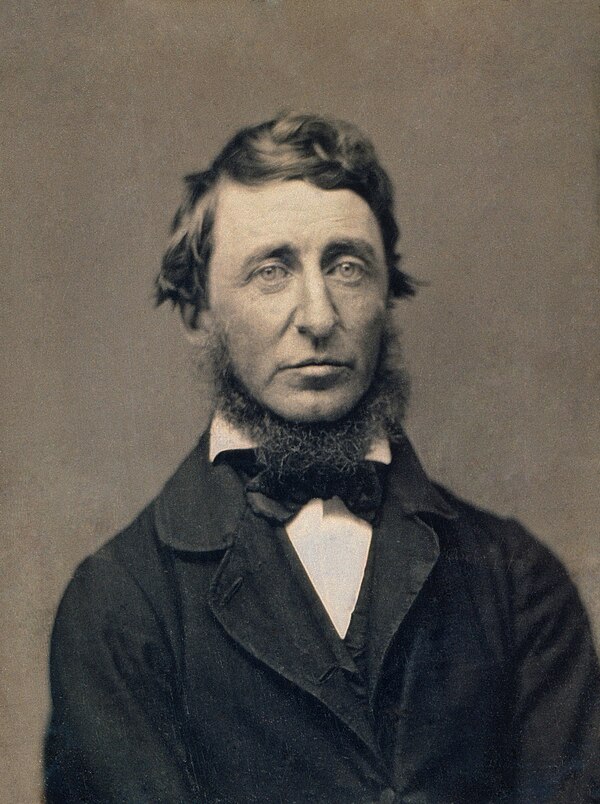
Henry David Thoreau's poignant observation, "It is not enough to be busy. So are the ants. The question is: What are we busy about?" invites us to reflect on the nature of our daily activities and the deeper purpose that underlies them. In a world that often equates busyness with productivity, Thoreau challenges us to examine the essence of our endeavors. This inquiry is not merely an intellectual exercise; it is a vital exploration of our existence and the values we hold dear. The stakes are high, as our lives can easily become a series of tasks devoid of meaning if we do not pause to consider what truly matters.
Thoreau's words resonate deeply in our contemporary context, where the relentless pace of life can lead us to prioritize activity over intention. The metaphor of ants, industrious yet lacking in conscious purpose, serves as a stark reminder that mere busyness does not equate to fulfillment. As we navigate our daily routines, we must cultivate a sense of presence and mindfulness, ensuring that our actions align with our values and aspirations. This reflection is not only an invitation to slow down but also a call to engage with our lives in a more meaningful way.
The image / the metaphor
The imagery in Thoreau's quote evokes a vivid picture of ants, tirelessly working yet seemingly without awareness of their ultimate goal. The choice of the word "busy" carries a connotation of frantic activity, suggesting that one can be engaged in a flurry of tasks without any real direction or purpose. This metaphor serves to highlight the distinction between mere activity and meaningful engagement, prompting us to consider the quality of our efforts rather than their quantity. The ants, while industrious, symbolize a life lived on autopilot, devoid of reflection and intention.
Diving deeper into this metaphor, we can see that Thoreau is not merely critiquing busyness; he is inviting us to explore the nature of our pursuits. The question, "What are we busy about?" becomes a profound inquiry into our motivations and desires. Are we chasing societal expectations, or are we pursuing our true passions? This exploration encourages us to cultivate a sense of purpose that transcends the mundane, allowing us to engage with our lives in a way that is both authentic and fulfilling.
In the speaker's tradition
Thoreau's insights are deeply rooted in the tradition of transcendentalism, a philosophical movement that emphasizes individual intuition and the inherent goodness of people and nature. Central to this tradition is the concept of "dharma," which refers to one's duty or purpose in life. Thoreau's call to examine our busyness aligns with the idea that each individual has a unique path to follow, one that requires introspection and alignment with one's true self. In this light, the question of what we are busy about becomes a quest for understanding our personal dharma.
Moreover, Thoreau's reflections resonate with the Buddhist concept of "sunyata," or emptiness, which invites us to recognize the transient nature of our activities. Just as sunyata encourages us to see beyond the surface of our experiences, Thoreau urges us to look beyond the busyness of life to uncover the deeper significance of our actions. In his work "Walden," Thoreau explores the simplicity of living in harmony with nature, emphasizing the importance of intentionality in our choices. This alignment with nature and self-awareness is a cornerstone of transcendentalist thought, urging us to seek a life of purpose rather than mere activity.
Living the teaching
Consider a modern scenario where the teaching of Thoreau's quote can be applied: the daily grind of work. Many individuals find themselves caught in a cycle of endless meetings, emails, and deadlines, often feeling overwhelmed and unfulfilled. In this context, Thoreau's inquiry prompts a reevaluation of how we spend our time. Are we engaging in tasks that align with our values and contribute to our overall well-being, or are we simply checking boxes on a to-do list? By taking a step back and reflecting on our priorities, we can begin to reshape our work lives in a way that fosters genuine satisfaction and purpose.
Another application of this teaching can be found in our relationships. In moments of conflict or disconnection, it is easy to become preoccupied with the busyness of life, allowing misunderstandings to fester. Thoreau's challenge encourages us to pause and ask ourselves what we are truly busy about in our interactions with others. Are we investing time in nurturing our connections, or are we merely going through the motions? By bringing mindfulness to our relationships, we can cultivate deeper understanding and compassion, transforming our interactions into meaningful exchanges that enrich our lives.
A reflection
As we contemplate Thoreau's profound question, "What are we busy about?" we are invited to engage in a personal inquiry that can illuminate our paths. What activities fill your days, and do they resonate with your core values and aspirations? This contemplation can serve as a guiding light, helping us to discern the difference between mere busyness and a life lived with intention. In a world that often prioritizes productivity over purpose, let us take a moment to reflect on the deeper significance of our actions and the legacy we wish to create.


