The Depths of Presence: Embracing Life Beyond Speed
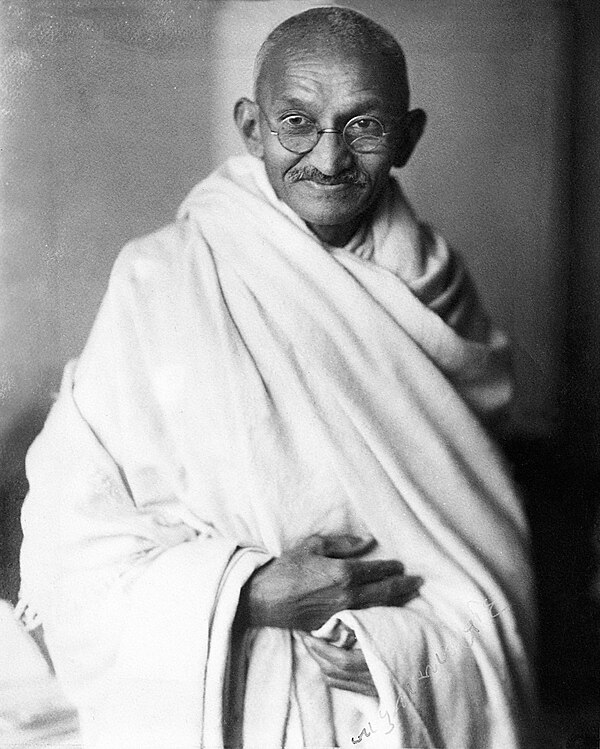
Mahatma Gandhi's poignant assertion, "There is more to life than increasing its speed," invites us to reflect on the essence of existence beyond the relentless pursuit of efficiency and productivity. In a world that often equates worth with busyness, this quote serves as a gentle reminder of the deeper dimensions of life that can be overlooked when we prioritize haste over presence. The stakes are high; in our quest for speed, we risk losing touch with the richness of our experiences, the depth of our relationships, and the beauty of the present moment.
As we delve into Gandhi's wisdom, we uncover a call to simplicity and mindfulness, urging us to slow down and engage fully with our lives. This teaching resonates profoundly in an age characterized by rapid technological advancements and constant connectivity, where the pressure to keep up can overshadow the importance of being present. By embracing a more contemplative approach, we can cultivate a sense of awareness that allows us to appreciate the subtleties of life, fostering a deeper connection to ourselves and the world around us.
The image / the metaphor
The imagery in Gandhi's quote evokes a stark contrast between speed and depth. The verb "increasing" suggests a relentless drive, a compulsion to accelerate our lives, while the phrase "more to life" hints at the richness that lies beyond mere velocity. This juxtaposition creates a felt sense of urgency, challenging us to reconsider our priorities and the ways in which we measure our existence. The metaphor of speed serves as a lens through which we can examine our lives, prompting us to ask whether we are truly living or merely racing through our days.
Diving deeper into this metaphor, we can see that speed often leads to superficiality, where experiences are rushed and moments are fleeting. In contrast, slowing down allows for a more profound engagement with life, where we can savor each experience and cultivate a sense of gratitude. This shift from speed to presence invites us to explore the richness of our inner landscapes, fostering a deeper understanding of ourselves and our connections with others. In this way, Gandhi's words become a guiding light, illuminating the path toward a more meaningful existence.
In the speaker's tradition
In the Bhagavad Gita, a foundational text of Hindu philosophy, Krishna advises Arjuna to act without attachment to the fruits of his actions. This teaching echoes Gandhi's sentiment, as it emphasizes the importance of being present in our actions rather than being consumed by the desire for speed or success. By cultivating a sense of detachment and focusing on the process rather than the outcome, we can experience life more fully, embracing each moment as it unfolds.
Living the teaching
Consider a modern scenario where the teaching of slowing down resonates profoundly: the daily commute. Many individuals find themselves caught in the rush hour, navigating through traffic with a sense of urgency that often leads to frustration and stress. By consciously choosing to approach this time as an opportunity for mindfulness—perhaps through deep breathing, listening to uplifting music, or simply observing the world around us—one can transform a mundane experience into a moment of presence and reflection. This shift not only enhances the commute but also fosters a greater sense of peace and connection to the present moment.
In relationships, the impact of Gandhi's teaching can be equally transformative. Imagine a conversation with a loved one where both parties are preoccupied with their phones, distracted by notifications and the demands of the outside world. By intentionally setting aside devices and engaging fully in the dialogue, we honor the connection we share, allowing for deeper understanding and intimacy. This practice of presence can lead to more meaningful interactions, fostering a sense of belonging and love that transcends the superficiality often found in hurried exchanges.
A reflection
As we contemplate Gandhi's profound insight, we are invited to reflect on our own lives and the pace at which we move through them. Are we racing toward goals at the expense of our well-being and relationships? In what ways can we cultivate a greater sense of presence and simplicity in our daily lives? By engaging with these questions, we can begin to uncover the richness that lies beyond the speed of life, allowing us to embrace each moment with intention and gratitude.


