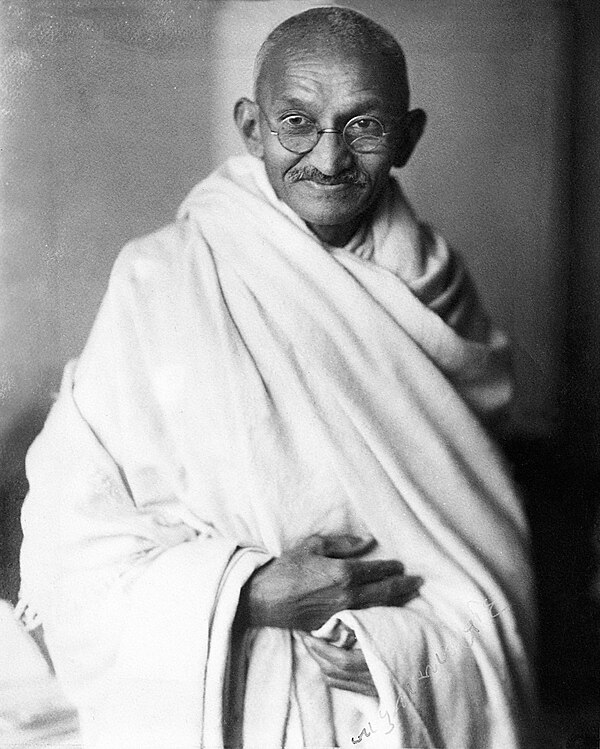
Mahatma Gandhi's assertion that "I cannot conceive of a greater loss than the loss of one's self-respect" invites us to contemplate the profound significance of self-worth in our lives. This statement resonates deeply, suggesting that self-respect is not merely a personal attribute but a cornerstone of our humanity. When we lose our self-respect, we risk losing our identity, our dignity, and our capacity to engage authentically with the world around us. In a society that often measures worth by external achievements, Gandhi's words remind us that true value lies within.
To understand the weight of Gandhi's declaration, we must consider the implications of self-respect in our daily interactions and internal dialogues. Self-respect is intricately tied to our sense of agency and moral compass; it shapes how we perceive ourselves and how we allow others to treat us. In a world rife with challenges to our dignity—be it through societal pressures, personal failures, or external judgments—maintaining self-respect becomes an act of resistance. It is a commitment to honor our intrinsic worth, regardless of circumstances, and to navigate life with integrity and authenticity.
The image / the metaphor
The imagery in Gandhi's quote evokes a stark contrast between the presence and absence of self-respect. The phrase "greater loss" suggests a profound emptiness, a void that cannot be filled by material possessions or accolades. The verbs "conceive" and "loss" imply a deep, almost existential understanding of what it means to be human. When self-respect is compromised, it is as if a vital part of our being has been stripped away, leaving us vulnerable and disconnected from our true selves.
Diving deeper into the metaphor, we can see that self-respect acts as a protective shield, safeguarding our dignity against the harsh realities of life. It is not merely about feeling good about oneself; it is about recognizing our inherent value and the right to be treated with dignity. When we allow external circumstances or the opinions of others to dictate our self-worth, we risk becoming mere shadows of ourselves, devoid of the light that self-respect provides. Thus, Gandhi's words serve as a clarion call to reclaim and nurture this essential aspect of our being.
In the speaker's tradition
Moreover, Gandhi's emphasis on self-respect can be likened to the concept of kenosis, or self-emptying, found in various spiritual traditions. While kenosis often refers to the relinquishing of ego for a higher purpose, it also underscores the importance of self-awareness and self-acceptance. In this light, self-respect becomes a form of self-knowledge that allows us to navigate the complexities of life with grace and humility. The Bhagavad Gita, for instance, teaches that true wisdom arises from understanding one's own nature and acting from a place of inner truth, reinforcing the idea that self-respect is foundational to spiritual growth.
Living the teaching
Consider a modern scenario where the loss of self-respect manifests in the workplace. Imagine an employee who consistently compromises their values to please a demanding boss or to fit into a toxic corporate culture. Over time, this individual may find themselves feeling increasingly disillusioned and disconnected from their true self. The erosion of self-respect can lead to a cycle of dissatisfaction and burnout, highlighting the importance of standing firm in one's values and asserting one's worth in professional settings. By recognizing the intrinsic value of self-respect, individuals can navigate workplace dynamics with integrity and courage.
In the realm of personal relationships, the theme of self-respect becomes equally poignant. Picture a situation where one partner continually undermines the other's feelings or opinions. In such a dynamic, the affected individual may struggle with feelings of inadequacy and self-doubt, leading to a gradual erosion of self-respect. By acknowledging their worth and setting healthy boundaries, they can reclaim their dignity and foster a more balanced and respectful relationship. This practice of honoring oneself not only enhances personal well-being but also cultivates healthier connections with others.
A reflection
As we reflect on Gandhi's profound insight, we are invited to consider the ways in which we honor our own self-respect in our daily lives. Are there areas where we compromise our dignity for the sake of acceptance or approval? In what ways can we cultivate a deeper sense of self-worth that is independent of external validation? By engaging with these contemplative questions, we can begin to explore the rich terrain of self-respect and its transformative power in our lives.


