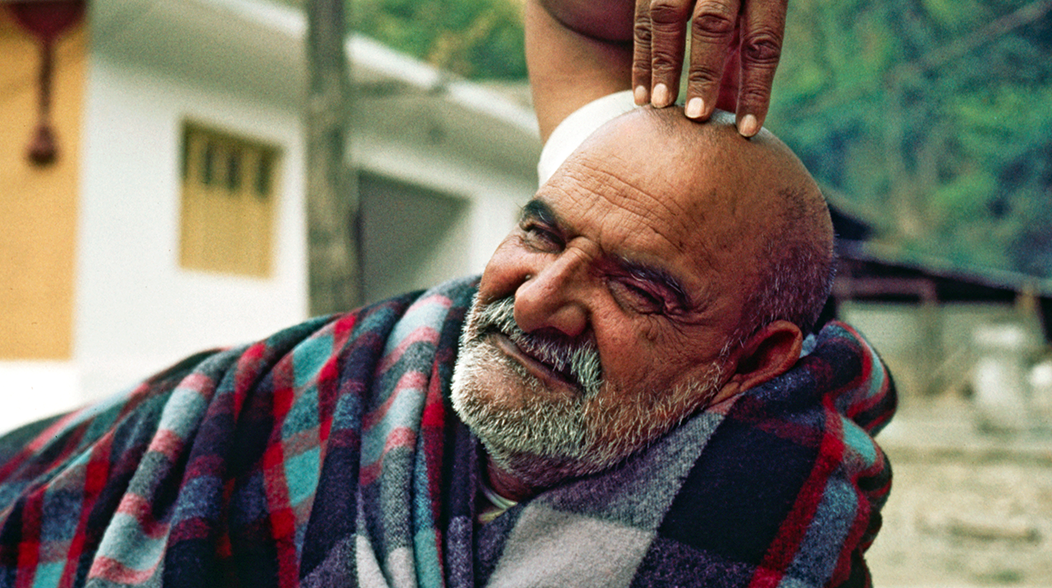
Neem Karoli Baba's succinct yet profound exhortation—"Don't ask. Don't demand. Surrender."—invites us into a deeper understanding of the spiritual journey. In a world often characterized by striving and desire, this quote challenges us to relinquish our need for control and certainty. It speaks to the heart of bhakti, the path of devotion, where surrender becomes not an act of weakness but a profound expression of trust and love. This teaching resonates deeply, urging us to explore the transformative power of letting go.
To surrender is to embrace a radical acceptance of the present moment, a theme that runs through many spiritual traditions. In this context, Neem Karoli Baba's words serve as a reminder that true fulfillment does not arise from incessant asking or demanding but from a quiet, open-hearted yielding to the flow of life. This surrender is not passive; rather, it is an active engagement with the divine, a dance of faith that invites grace into our lives. Understanding this dynamic can illuminate our path and deepen our spiritual practice.
The image / the metaphor
The imagery in Neem Karoli Baba's quote is striking in its simplicity and depth. The verbs "ask," "demand," and "surrender" evoke a spectrum of human experience, from the clamor of desire to the quietude of acceptance. To "ask" suggests a reaching out, a yearning for something beyond ourselves, while "demand" implies a sense of entitlement, a belief that we can control outcomes. In contrast, "surrender" embodies a release, a letting go of the ego's grasp, inviting us to trust in a greater wisdom.
Diving deeper into the metaphor, we can see that surrender is not merely an act of giving up; it is a profound engagement with the essence of existence. It calls us to recognize the limitations of our understanding and the futility of our incessant striving. In this light, surrender becomes an invitation to experience life as it is, rather than how we wish it to be. It is a gentle reminder that the universe operates on its own terms, and our role is to align ourselves with its rhythm rather than resist it.
In the speaker's tradition
Neem Karoli Baba's teachings are deeply rooted in the bhakti tradition, which emphasizes devotion and love for the divine. Central to this path is the concept of surrender, often referred to as "bhakti" itself, where the devotee relinquishes the ego and opens their heart to divine grace. This act of surrender is akin to the Christian notion of kenosis, the self-emptying of one's will to make room for the divine will. In bhakti, surrender is not a loss of self but a transformation into a more profound expression of love and connection.
Living the teaching
Consider a modern scenario where this teaching can be applied: a professional facing the pressures of career advancement. The individual may feel compelled to ask for recognition, demand promotions, or strive tirelessly for success. Yet, by embracing the essence of surrender, they can shift their focus from external validation to internal fulfillment. This does not mean abandoning ambition but rather approaching their work with a sense of trust, allowing opportunities to unfold naturally without the weight of expectation.
In the realm of relationships, surrender can manifest in profound ways. Imagine a couple navigating a challenging period; one partner may feel the urge to demand change or seek answers. However, by practicing surrender, they can create space for understanding and compassion, allowing the relationship to evolve organically. This approach fosters a deeper connection, as both partners learn to trust the process and embrace the uncertainties of love, ultimately leading to a more harmonious union.
A reflection
As we contemplate Neem Karoli Baba's invitation to "surrender," we are called to reflect on our own lives. In what areas do we find ourselves asking or demanding rather than surrendering? This contemplation invites us to explore the nature of our desires and the ways in which we might release our grip on control. By embracing surrender, we open ourselves to the possibility of grace and transformation, allowing life to unfold in its own beautiful way.