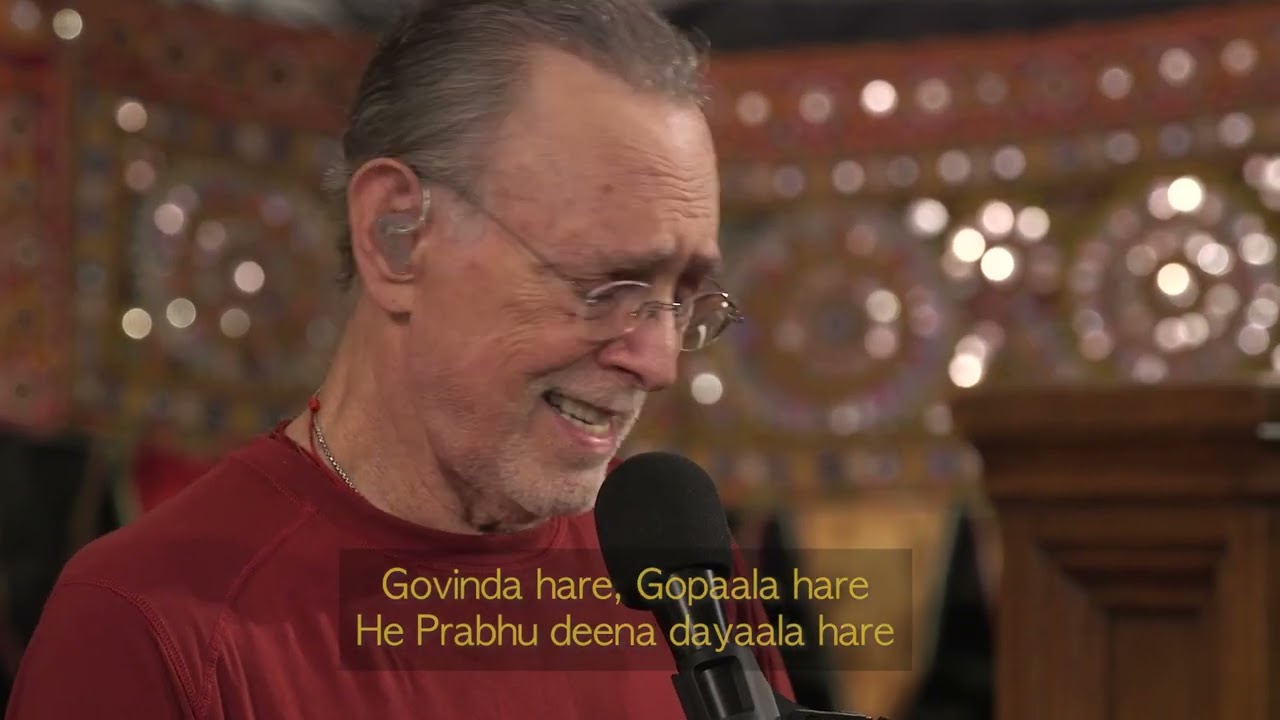
The Simple Path of Love: Embracing Devotion
In the words of Krishna Das, "Devotion is the easiest path. Just love." This profound statement invites us to consider the nature of devotion and its accessibility. In a world often filled with complexity and striving, the idea that love can serve as a straightforward pathway to spiritual fulfillment is both liberating and transformative. It challenges us to rethink our understanding of devotion, suggesting that it need not be laden with arduous rituals or lofty aspirations, but can instead be rooted in the simple act of loving.
To delve deeper into this sentiment, we must recognize that love, in its purest form, transcends the boundaries of intellect and effort. It is an innate quality that resides within each of us, waiting to be expressed. Krishna Das’s assertion serves as a reminder that the essence of devotion lies not in the external trappings of spirituality but in the heartfelt connections we forge with ourselves, others, and the divine. This perspective invites us to explore how love can be both a practice and a state of being, accessible to all who seek it.
The image / the metaphor
At first glance, the quote evokes a sense of simplicity. The word "devotion" conjures images of worship, reverence, and a deep commitment to a higher power. The phrase "the easiest path" suggests that while many spiritual journeys can be fraught with challenges, this particular journey is one of grace and ease. The verb "love" is an action that requires no elaborate instructions; it is a natural expression of our humanity. This imagery invites us to envision a path that is not only straightforward but also filled with warmth and connection.
Diving deeper into the metaphor, we can see that love is not merely an emotion but a transformative force that can reshape our lives. It is a bridge that connects us to the divine and to one another, dissolving barriers and fostering understanding. In this light, devotion becomes an act of surrender, where we let go of our need for control and open ourselves to the flow of love. This path, as Krishna Das suggests, is not about striving for perfection but about embracing the inherent beauty of loving and being loved.
In the speaker's tradition
Krishna Das is a prominent figure within the bhakti tradition, which emphasizes devotion as a means of connecting with the divine. In bhakti, love is not just an emotion but a spiritual practice that cultivates a deep relationship with God. This tradition teaches that through devotion, or bhakti, one can experience a profound sense of unity with the divine, transcending the ego and the illusion of separateness. Concepts such as dharma, or righteous duty, and prajna, or wisdom, further enrich this understanding, suggesting that love and devotion are integral to living a life aligned with one's true purpose.
In the Bhagavad Gita, a foundational text of the bhakti tradition, Krishna himself speaks of the importance of surrendering to love and devotion. He encourages Arjuna to act from a place of love rather than fear or obligation, highlighting that true devotion leads to liberation. This echoes Krishna Das's assertion that the path of devotion is not only accessible but also essential for spiritual growth. The teachings found in these texts remind us that love is the ultimate expression of our spiritual journey, guiding us toward a deeper understanding of ourselves and our connection to the universe.
Living the teaching
Consider a modern scenario where this teaching can be applied: a busy professional feeling overwhelmed by the demands of work and life. In the midst of deadlines and responsibilities, the idea of devotion as love offers a refreshing perspective. Instead of viewing work as a series of tasks to be completed, one can approach it with a sense of love and care, recognizing the impact of their contributions on others. This shift in mindset transforms the workplace into a space of connection and compassion, where love becomes the driving force behind actions.
Another application of this teaching can be found in personal relationships. Imagine a moment of conflict between partners, where misunderstandings have created distance. By embracing the principle of devotion as love, each person can choose to respond with empathy and understanding rather than defensiveness. This conscious choice to love, even in challenging moments, fosters healing and deepens the bond between them. In daily practices, such as meditation or prayer, one can also cultivate this sense of devotion, allowing love to permeate their spiritual life and guide their interactions with the world.
A reflection
As we reflect on Krishna Das's words, we are invited to consider the role of love in our own lives. How can we simplify our spiritual journeys by embracing love as the foundation of our devotion? In what ways can we express love more fully, both to ourselves and to those around us? These contemplative questions encourage us to explore the transformative power of love and to recognize that, indeed, devotion can be the easiest path when we allow love to lead the way.