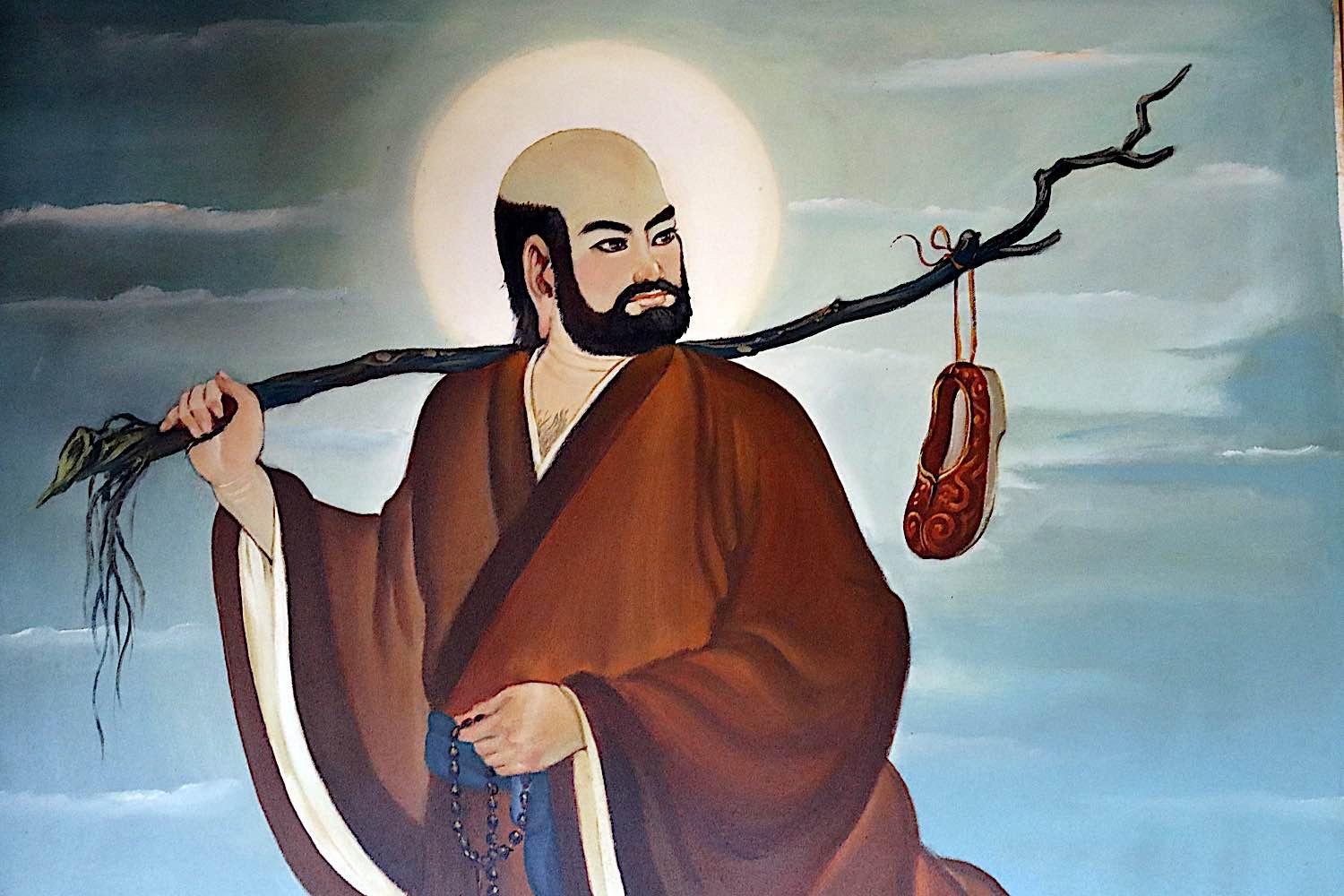
Embracing the Inner Teacher: The Wisdom of Self-Reliance
Bodhidharma's exhortation to "be your own teacher" invites us to cultivate an inner authority that transcends external guidance. This call to self-reliance is not merely a suggestion; it is a profound challenge to the way we often seek wisdom and validation from others. In a world saturated with voices vying for our attention, the ability to turn inward and trust our own insights becomes a radical act of autonomy. This teaching resonates deeply in our contemporary lives, where the quest for authenticity often collides with societal expectations.
To be one's own teacher is to embrace the journey of self-discovery and personal growth. It encourages us to engage with our experiences, thoughts, and emotions as valuable sources of knowledge. This path is not without its difficulties; it requires a willingness to confront our fears, biases, and limitations. Yet, in doing so, we unlock the potential for genuine understanding and wisdom that is uniquely ours, fostering a deeper connection to our true selves and the world around us.
The image / the metaphor
The phrase "be your own teacher" evokes a vivid image of an individual standing at the crossroads of knowledge and experience. The verbs "be" and "teach" suggest an active engagement with one's own learning process, emphasizing the importance of personal agency. This imagery invites us to envision ourselves not merely as passive recipients of wisdom but as active participants in our own educational journey. The felt sense of this quote is one of empowerment, urging us to take ownership of our insights and to trust in our capacity to learn from both triumphs and failures.
Diving deeper into the metaphor, we can see that being one's own teacher implies a relationship with oneself that is both nurturing and critical. It suggests a dialogue between the mind and the heart, where intuition and intellect collaborate to illuminate the path ahead. This internal dynamic fosters a sense of resilience, as we learn to navigate the complexities of life with a discerning eye. In this way, the metaphor extends beyond mere self-reliance; it becomes a holistic approach to understanding our place in the universe and the lessons we are meant to learn.
In the speaker's tradition
Within the Zen tradition that Bodhidharma represents, the concept of self-teaching aligns closely with the principles of dharma and prajna. Dharma, often understood as the natural law or truth, encourages individuals to seek their own understanding of reality. Prajna, or wisdom, is cultivated through direct experience rather than through rote learning or external validation. Bodhidharma's teaching thus emphasizes the importance of personal insight and the transformative power of self-awareness, inviting practitioners to explore the depths of their own consciousness.
A relevant text that echoes this sentiment is the "Heart Sutra," which speaks of emptiness (sunyata) as a fundamental aspect of existence. This emptiness is not a void but rather a space of potential where one can discover their true nature. By recognizing the interconnectedness of all things and the impermanence of our thoughts and beliefs, we can begin to understand that the answers we seek often lie within. Bodhidharma's call to be our own teacher resonates with this understanding, urging us to look inward for the wisdom that transcends conventional teachings.
Living the teaching
Consider a modern scenario where this teaching can be applied: a young professional grappling with career choices. In a society that often pressures individuals to conform to predefined paths, this person might feel lost amidst the cacophony of advice from mentors, peers, and family. By embracing the idea of being their own teacher, they can take a step back to reflect on their passions, values, and aspirations. This introspective process allows them to carve out a unique path that aligns with their authentic self, rather than merely following the expectations of others.
Another application of this teaching can be found in interpersonal relationships. Imagine a moment of conflict between friends, where misunderstandings arise and emotions run high. Instead of seeking validation from external sources or relying on others to mediate, one can turn inward to explore their feelings and motivations. By doing so, they can approach the situation with greater clarity and compassion, ultimately fostering deeper connections and understanding. This practice of self-reflection not only enhances personal growth but also enriches our relationships with others.
A reflection
As we contemplate Bodhidharma's invitation to "be your own teacher," we are called to examine the ways in which we seek knowledge and validation. Are we relying too heavily on external sources, or are we cultivating a relationship with our inner wisdom? In this spirit, I invite you to reflect on this question: What insights have you discovered within yourself that challenge conventional wisdom, and how can you honor those insights in your daily life?
