BrightStar

Parcourir tous les Events

Découvre des rassemblements conscients

events

Yoga
Meditation
Breathwork
Qigong
Sacred Music
World Music
Medicine Music
Sound Healing
Ecstatic Dance
Ceremony
Destinations populaires
BaliSedonaLos AngelesCosta RicaNew YorkSan FranciscoAustin
Voir toutes les catégoriesVoir toutes les destinations

Explorer toutes les fonctionnalités

Des outils puissants pour développer tes événements

Fonctionnalités de la plateforme

Tarification dynamique intelligente
Catégories de billets
Places assignées
Récupération des paniers abandonnés
Récupération des visiteurs
Dons & Prix variables
Système d'affiliation
Scanner de billets
Codes promo
Questions personnalisées
Partage de billets
Ventes additionnelles & Options
Analyses & Rapports
Séquences d'emails
Liste d'attente / Notifier / Rappeler
Personnes & Lieux
Artists & TeachersEvent OrganizersVenues & StudiosKnowledge BaseGlossaryInspiration
Voir toutes les fonctionnalitésÀ propos
TarifsBlog
Language
Saved events
Parcourir tous les événements

events

YogaMeditationBreathworkQigongSacred MusicWorld MusicMedicine MusicSound Healing

Destinations populaires

BaliSedonaLos AngelesCosta RicaNew YorkSan Francisco

Personnes & Lieux

Artists & TeachersEvent OrganizersVenues & StudiosKnowledge BaseGlossaryInspiration

Fonctionnalités de la plateforme

Tarification dynamique intelligenteCatégories de billetsPlaces assignéesRécupération des paniers abandonnésRécupération des visiteursDons & Prix variablesSystème d'affiliationScanner de billetsCodes promoQuestions personnaliséesPartage de billetsVentes additionnelles & OptionsAnalyses & RapportsSéquences d'emailsListe d'attente / Notifier / Rappeler
Voir toutes les fonctionnalitésÀ propos
TarifsBlog
ConnexionS'inscrire
  • Parcourir tous les Événements
  • Pour les chercheurs
  • Yoga
  • Méditation
  • Breathwork
  • Qi gong
  • Musique sacrée
  • Musiques du monde
  • Musique médecine
  • Soins sonores
  • Danse extatique
  • Cérémonie
  • Retraites
  • Ateliers
  • Toutes les catégories →
  • Bali
  • Sedona
  • Los Angeles
  • Costa Rica
  • Byron Bay
  • San Francisco
  • Austin
  • New York
  • San Diego
  • Seattle
  • Toutes les villes →
  • Join the Movement
  • Why we list
  • Sell Globally
  • Pour les créateurs
  • Pour les équipes
  • Pour les écrivains
  • Pour les enseignants
  • Pour les artistes de kirtan
  • Pour les studios
  • Pour les festivals
  • Pour les centres de retraite
  • Pour les associations
  • Ambassadeur de marque
  • Billetterie gratuite
  • Elevate
  • Amplify
  • Réseau de 500K+ acheteurs
  • Récupération des paniers abandonnés
  • Tarification dynamique intelligente
  • Catégories de billets
  • Événements récurrents
  • Places assignées
  • Système d'affiliation
  • Liste d'attente / Notifier
  • Scanner de billets
  • Widget intégrable
  • Diffusion d'événements
  • Messagerie
  • Intégrations
  • Rapports
  • Toutes les fonctionnalités →
  • À propos
  • L'écosystème
  • Blog
  • Glossaire
  • Inspiration
  • Centre d'aide
  • Contact
  • Documentation API
  • Ressources de marque
  • Carrières
  • Presse
  • Conditions d'utilisation
  • Politique de confidentialité

Événements

  • Parcourir tous les Événements
  • Pour les chercheurs
  • Yoga
  • Méditation
  • Breathwork
  • Qi gong
  • Musique sacrée
  • Musiques du monde
  • Musique médecine
  • Soins sonores
  • Danse extatique
  • Cérémonie
  • Retraites
  • Ateliers
  • Toutes les catégories →

Destinations

  • Bali
  • Sedona
  • Los Angeles
  • Costa Rica
  • Byron Bay
  • San Francisco
  • Austin
  • New York
  • San Diego
  • Seattle
  • Toutes les villes →

Pour les créateurs

  • Join the Movement
  • Why we list
  • Sell Globally
  • Pour les créateurs
  • Pour les équipes
  • Pour les écrivains
  • Pour les enseignants
  • Pour les artistes de kirtan
  • Pour les studios
  • Pour les festivals
  • Pour les centres de retraite
  • Pour les associations
  • Ambassadeur de marque
  • Billetterie gratuite
  • Elevate
  • Amplify

Fonctionnalités

  • Réseau de 500K+ acheteurs
  • Récupération des paniers abandonnés
  • Tarification dynamique intelligente
  • Catégories de billets
  • Événements récurrents
  • Places assignées
  • Système d'affiliation
  • Liste d'attente / Notifier
  • Scanner de billets
  • Widget intégrable
  • Diffusion d'événements
  • Messagerie
  • Intégrations
  • Rapports
  • Toutes les fonctionnalités →

Entreprise

  • À propos
  • L'écosystème
  • Blog
  • Glossaire
  • Inspiration
  • Centre d'aide
  • Contact
  • Documentation API
  • Ressources de marque
  • Carrières
  • Presse
  • Conditions d'utilisation
  • Politique de confidentialité
BrightStar
Téléchargez l'app
Télécharger dans l'App StoreDisponible surGoogle Play
© 2026 BrightStar. Tous droits réservés. Crédits photo ·
Glossary›Usui Reiki

Glossary

Usui Reiki

Usui Reiki is a Japanese hands-on healing practice founded by Mikao Usui in the early 1920s, taught through initiation, five precepts, and light-touch or non-touch methods.

Practice it

See all
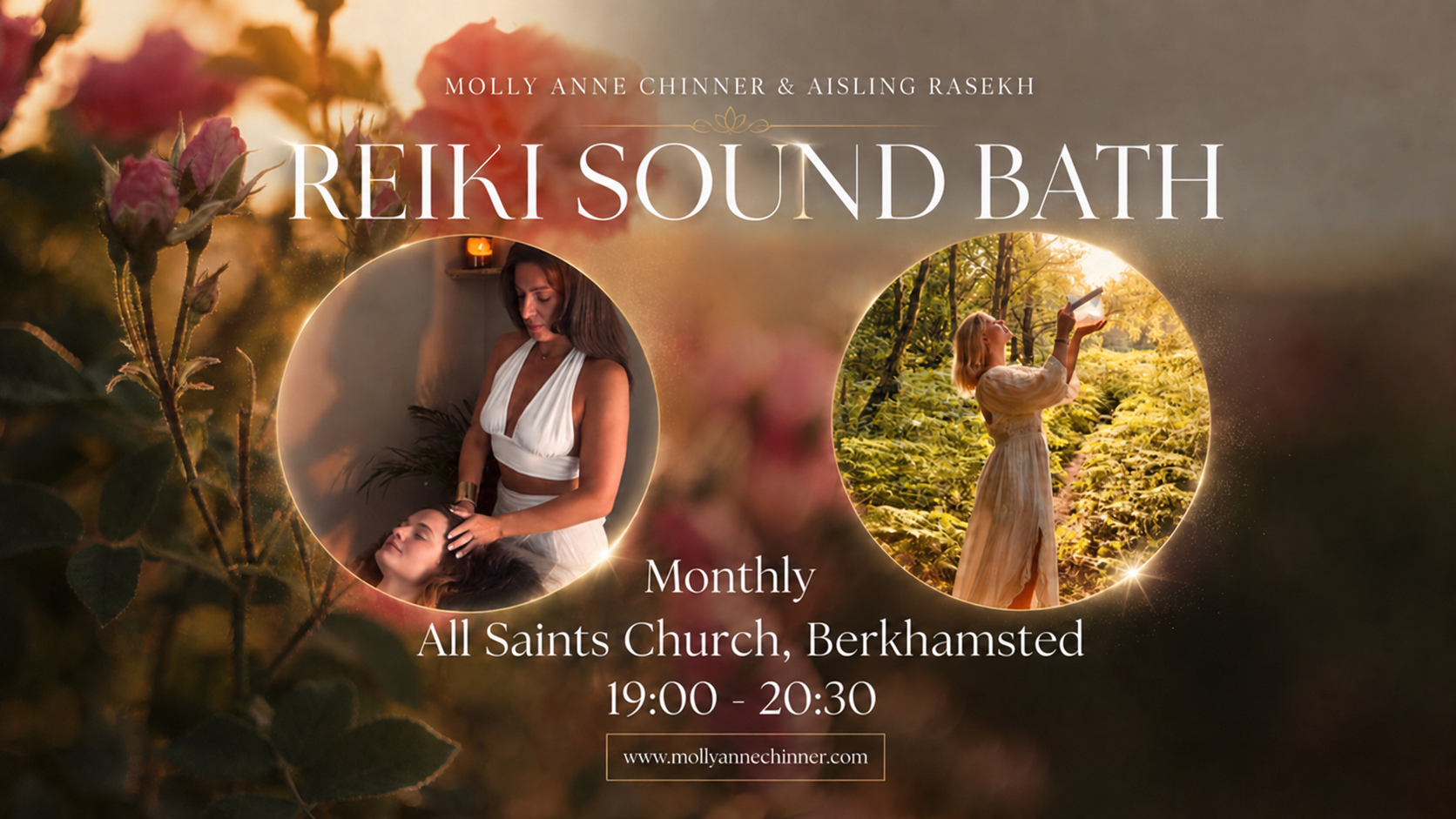
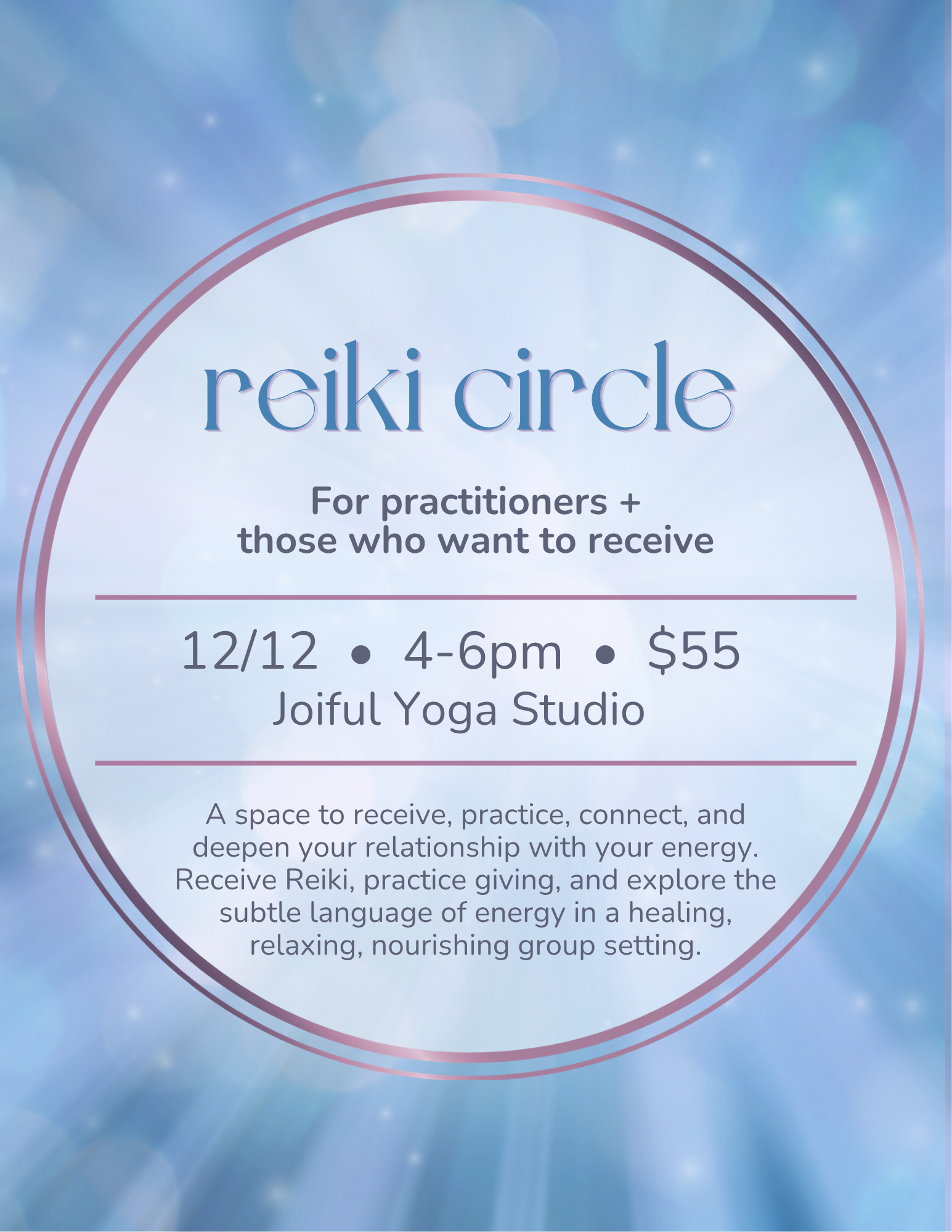
Fri, Dec 11Reconnection to Self RetreatBeaverton, Oregon, USAFri, Dec 11Reiki Sound BathBerkhamsted, England, UKSat, Dec 12Reiki CircleAtlanta, GA, USA
Sonia KreitzerSonia KreitzerSound HealerEmma CairoEmma CairoEnergy HealerSimritSimritMusicianDharana VenturaDharana VenturaEnergy Healer

What is Usui Reiki?

Usui Reiki (usui reiki meaning: “Usui’s spiritual energy”) is a Japanese system of energy-based self-cultivation and hands-on healing founded by Mikao Usui (1865–1926). Practitioners place their hands lightly on or just above the body of themselves or a recipient, with the intention of channeling rei-ki, usually translated as “universal life energy” or “spiritual energy.” Students learn the method through a graded training, historically including an initiation or attunement (called reiju in Japan) given by a teacher.

If you are asking “what is Usui Reiki?” in the plainest terms: it is a lineage-based practice combining a set of ethical precepts, meditation, and a hand-placement method. It is not a medical treatment, and no controlled research has established that it cures any disease.

Origins & lineage

Mikao Usui founded the practice around 1922 in Japan. Accounts place his founding insight on Mount Kurama, north of Kyoto, after a period of fasting and meditation. He then opened a society in Tokyo, the Usui Reiki Ryoho Gakkai (Usui Spiritual Energy Healing Method Society). After the Great Kanto earthquake of 1923, he is reported to have treated many injured people. Usui died in 1926. His memorial stone at Saihoji Temple in Tokyo’s Suginami ward records that he had taught over 2,000 students.

The Gakkai continued under successive presidents, and its members were largely Japanese. Separately, Chujiro Hayashi (1880–1940), a retired naval officer and one of Usui’s students, founded his own clinic and taught in Tokyo. Hawayo Takata (1900–1980), a Japanese American woman from Hawaii, was treated at Hayashi’s clinic in 1935 and trained with him. She brought Reiki to Hawaii and the US mainland, and trained 22 Reiki masters before her death. Most Western Reiki descends from her line.

The Western account of Reiki’s origin, popularized from the 1970s, differs from Japanese sources. It described Usui as a Christian minister or university head who searched for healing methods in Christian texts and Buddhist sutras. Researchers such as Frank Arjava Petter and, later, William Lee Rand and others have noted that the Japanese evidence does not support this account. The memorial stone and Gakkai materials indicate a Japanese practice with roots in Meiji-era spiritual self-cultivation, with Tendai Buddhist and Shinto influences and the emperor Meiji’s poems (gyosei) used in teaching.

How it’s practiced

In a typical session, the recipient lies clothed on a table or sits in a chair. The practitioner places hands in a sequence of positions on the head, torso, and limbs, holding each for several minutes. Recipients often report warmth, tingling, deep relaxation, or sleep. Sessions generally last 45 to 90 minutes. Self-treatment uses the same positions.

Japanese-derived approaches also use gassho (palms together meditation), reiji-ho (a practice of letting the hands be drawn to areas needing attention), and byosen scanning, in which the practitioner senses “toxic” or imbalanced areas through the hands. Takata-lineage teaching emphasizes a fixed set of hand positions.

Usui Reiki today

Seekers now meet Usui Reiki in community classes, private sessions, wellness centers, and weekend workshops, and increasingly through online courses. Some hospitals in the US and UK offer Reiki as a complementary service, usually alongside conventional care. Guided Reiki recordings and distance (remote) sessions are also widespread, though distance practice is a later Western development. Training is conventionally split into three levels. In the Western system, these are First Degree (hands-on), Second Degree (symbols and distance work), and Master/Teacher. Japanese-style schools use Shoden, Okuden, and Shinpiden.

Common misconceptions

  • It is not a religion. Usui’s own system included spiritual teaching, but practitioners of any faith or none take part.
  • It is not a replacement for medical care. Reviews, including Cochrane-style assessments, find the evidence for effects beyond relaxation and placebo to be weak or inconclusive. Reiki should not substitute for diagnosis or treatment.
  • Not all Reiki is the same. Traditional Japanese, Takata-derived, and later hybrid forms (such as Karuna or Holy Fire) differ in structure and claims.
  • The “Christian minister” origin story is disputed and not supported by Japanese records.
  • Practitioners do not use their own energy, according to the tradition’s own view; they are said to act as a channel. This is a belief, not a scientifically established mechanism.

How to begin

For usui reiki for beginners, take a First Degree class (Reiki I or Shoden) with a teacher who can name their lineage and explain both Japanese and Western history. Classes typically run one to two days. Receiving a session first is a good way to see whether you like the experience. Useful readings include The Spirit of Reiki by Walter Lübeck, Frank Arjava Petter, and William Lee Rand, and Reiki: The Legacy of Dr. Usui by Petter. Daily practice of the five precepts and self-treatment is the usual way to continue.

Related terms

chakra balancingtherapeutic touchqigong meditationpolarity therapymagnified healingguided meditation
All termsDiscover