BrightStar

Parcourir tous les Events

Découvre des rassemblements conscients

events

Yoga
Meditation
Breathwork
Qigong
Tai Chi
Sacred Music
World Music
Medicine Music
Sound Healing
Ecstatic Dance
Destinations populaires
BaliSedonaLos AngelesCosta RicaNew YorkSan FranciscoAustinMiamiJoshua TreeTulum
Voir toutes les catégoriesVoir toutes les destinations

Explorer toutes les fonctionnalités

Des outils puissants pour développer tes événements

Fonctionnalités de la plateforme

Tarification dynamique intelligente
Catégories de billets
Places assignées
Récupération des paniers abandonnés
Récupération des visiteurs
Dons & Prix variables
Système d'affiliation
Scanner de billets
Codes promo
Questions personnalisées
Partage de billets
Ventes additionnelles & Options
Analyses & Rapports
Séquences d'emails
Liste d'attente / Notifier / Rappeler
Personnes & Lieux
Artists & TeachersEvent OrganizersVenues & StudiosKnowledge BaseGlossaryInspiration
Voir toutes les fonctionnalitésÀ propos
TarifsBlog
Language
Saved events
Parcourir tous les événements

events

YogaMeditationBreathworkQigongTai ChiSacred MusicWorld MusicMedicine Music

Destinations populaires

BaliSedonaLos AngelesCosta RicaNew YorkSan Francisco

Personnes & Lieux

Artists & TeachersEvent OrganizersVenues & StudiosKnowledge BaseGlossaryInspiration

Fonctionnalités de la plateforme

Tarification dynamique intelligenteCatégories de billetsPlaces assignéesRécupération des paniers abandonnésRécupération des visiteursDons & Prix variablesSystème d'affiliationScanner de billetsCodes promoQuestions personnaliséesPartage de billetsVentes additionnelles & OptionsAnalyses & RapportsSéquences d'emailsListe d'attente / Notifier / Rappeler
Voir toutes les fonctionnalitésÀ propos
TarifsBlog
ConnexionChercheursCréateurs
  • Parcourir tous les Événements
  • Pour les chercheurs
  • Yoga
  • Méditation
  • Breathwork
  • Qi gong
  • Tai-chi
  • Musique sacrée
  • Musiques du monde
  • Musique médecine
  • Soins sonores
  • Danse extatique
  • Retraites
  • Ateliers
  • Toutes les catégories →
  • Bali
  • Sedona
  • Los Angeles
  • Costa Rica
  • Tulum
  • Byron Bay
  • San Francisco
  • Austin
  • New York
  • San Diego
  • Denver
  • Seattle
  • Portland
  • Miami
  • Toutes les villes →
  • Join the Movement
  • Why we list
  • Sell Globally
  • Pour les créateurs
  • Pour les équipes
  • Pour les écrivains
  • Pour les enseignants
  • Pour les artistes de kirtan
  • Pour les studios
  • Pour les festivals
  • Pour les centres de retraite
  • Pour les associations
  • Ambassadeur de marque
  • Études de cas
  • Billetterie gratuite
  • Elevate
  • Amplify
  • Réseau de 500K+ acheteurs
  • Récupération des paniers abandonnés
  • Tarification dynamique intelligente
  • Catégories de billets
  • Événements récurrents
  • Places assignées
  • Système d'affiliation
  • Liste d'attente / Notifier
  • Scanner de billets
  • Widget intégrable
  • Diffusion d'événements
  • Messagerie
  • Intégrations
  • Rapports
  • Toutes les fonctionnalités →
  • À propos
  • L'écosystème
  • Blog
  • Glossaire
  • Inspiration
  • Centre d'aide
  • Contact
  • Documentation API
  • Ressources de marque
  • Carrières
  • Presse
  • Conditions d'utilisation
  • Politique de confidentialité

Événements

  • Parcourir tous les Événements
  • Pour les chercheurs
  • Yoga
  • Méditation
  • Breathwork
  • Qi gong
  • Tai-chi
  • Musique sacrée
  • Musiques du monde
  • Musique médecine
  • Soins sonores
  • Danse extatique
  • Retraites
  • Ateliers
  • Toutes les catégories →

Destinations

  • Bali
  • Sedona
  • Los Angeles
  • Costa Rica
  • Tulum
  • Byron Bay
  • San Francisco
  • Austin
  • New York
  • San Diego
  • Denver
  • Seattle
  • Portland
  • Miami
  • Toutes les villes →

Pour les créateurs

  • Join the Movement
  • Why we list
  • Sell Globally
  • Pour les créateurs
  • Pour les équipes
  • Pour les écrivains
  • Pour les enseignants
  • Pour les artistes de kirtan
  • Pour les studios
  • Pour les festivals
  • Pour les centres de retraite
  • Pour les associations
  • Ambassadeur de marque
  • Études de cas
  • Billetterie gratuite
  • Elevate
  • Amplify

Fonctionnalités

  • Réseau de 500K+ acheteurs
  • Récupération des paniers abandonnés
  • Tarification dynamique intelligente
  • Catégories de billets
  • Événements récurrents
  • Places assignées
  • Système d'affiliation
  • Liste d'attente / Notifier
  • Scanner de billets
  • Widget intégrable
  • Diffusion d'événements
  • Messagerie
  • Intégrations
  • Rapports
  • Toutes les fonctionnalités →

Entreprise

  • À propos
  • L'écosystème
  • Blog
  • Glossaire
  • Inspiration
  • Centre d'aide
  • Contact
  • Documentation API
  • Ressources de marque
  • Carrières
  • Presse
  • Conditions d'utilisation
  • Politique de confidentialité
BrightStar
© 2026 BrightStar. Tous droits réservés.
Glossary›Trova

Glossary

Trova

Trova is a Cuban singer-songwriter tradition originating in the late 19th century, characterized by intimate guitar-accompanied vocals and poetic lyrics.

Practice it

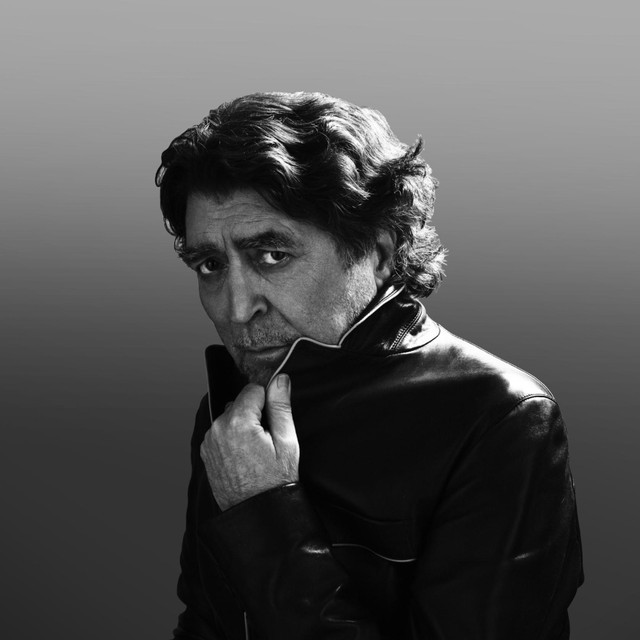
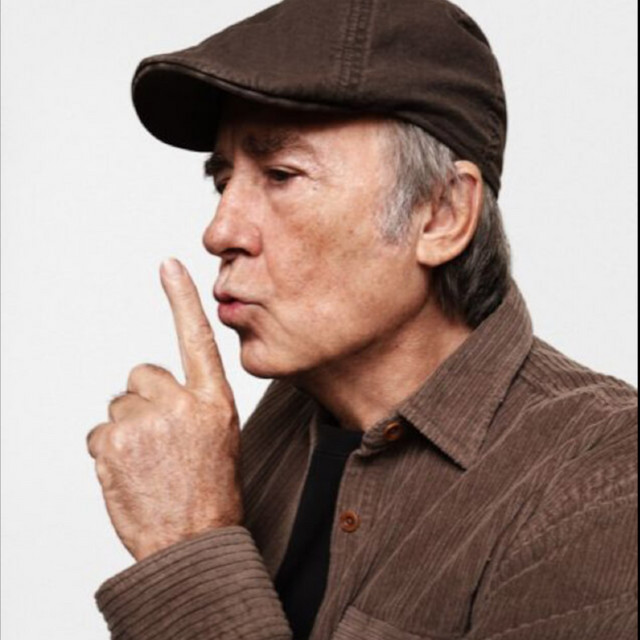
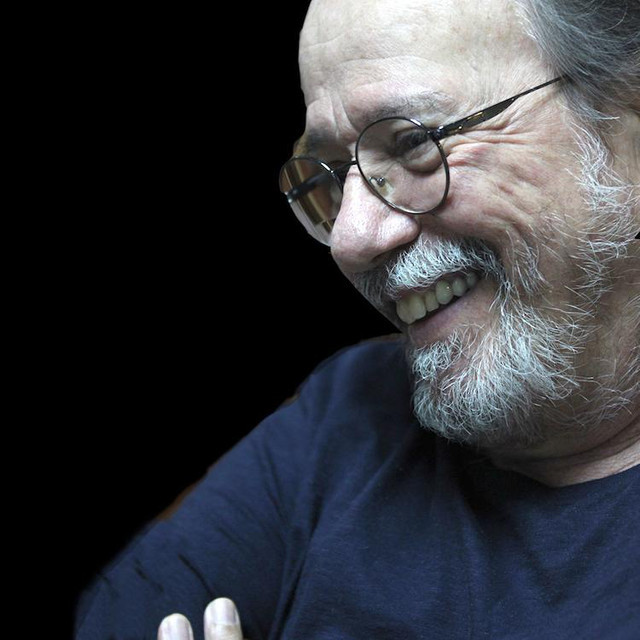
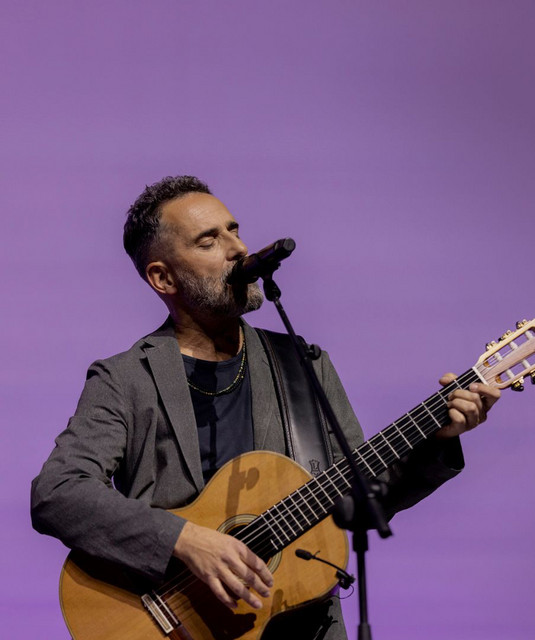
Joaquín SabinaJoaquín SabinaMusicianJoan Manuel SerratJoan Manuel SerratMusicianSilvio RodríguezSilvio RodríguezMusicianJorge DrexlerJorge DrexlerMusician

What is Trova?

Trova is a Cuban musical tradition, not a spiritual or consciousness practice. It emerged in Santiago de Cuba in the late 1800s as an intimate, guitar-based singer-songwriter style centered on trovadores—itinerant musicians who performed original compositions blending poetic lyrics with Spanish-influenced melodies and Cuban rhythmic sensibilities.

Origins & Lineage

Trova originated in the eastern provinces of Cuba, particularly Santiago de Cuba, during the second half of the 19th century. José “Pepe” Sánchez (1856–1918) is recognized as the father of trova and creator of the Cuban bolero; his 1885 composition “Tristezas” is considered the first Cuban bolero. Sánchez was a self-taught tailor and guitarist who composed songs mentally, never learning to write music.

The tradition was carried forward by legendary trovadores including Sindo Garay (1867–1968), Manuel Corona (1880–1950), Alberto Villalón (1882–1955), and María Teresa Vera. These “four greats” of trova established the genre’s foundation between the 1890s and 1920s. The Casa de la Trova in Santiago, founded in the 1950s, became the institutional home for preserving this tradition.

Nueva Trova, a politically conscious evolution of the tradition, emerged in 1967–68 after the Cuban Revolution. Led by Silvio Rodríguez and Pablo Milanés, this movement addressed social justice, colonialism, and revolutionary themes while maintaining trova’s guitar-and-voice intimacy. A concert by Rodríguez, Milanés, and Noel Nicola on February 18, 1968, in Havana marked the movement’s official beginning.

How It’s Practiced

Traditional trova centers on a solo vocalist accompanying themselves on Spanish or classical guitar, performing original compositions with poetic, often romantic or patriotic lyrics. The style emphasizes melodic beauty, intricate fingerstyle guitar work (including arpeggios and habanera pulse), and intimate vocal delivery suitable for small gatherings, street performances, or casas de la trova.

Trovadores historically worked as itinerant musicians, traveling between towns and performing in cafés, parks, and plazas. Some worked in pairs or trios, creating vocal harmonies. The genre incorporated Cuban song forms including bolero, son, guaracha, and habanera, often delivered in strophic structures and moderate tempos.

Trova Today

Contemporary trova continues in Cuba through both traditional repertoire and living practitioners. The Casa de la Trova Pepe Sánchez in Santiago remains a cultural center hosting daily performances. The annual Pepe Sánchez International Trova Festival occurs each March throughout Santiago province.

Modern trovadores blend traditional elements with jazz, rock, and Afro-Cuban influences. Artists like Gerardo Alfonso and the group Buena Fe maintain the guitar-and-voice core while incorporating pop sensibilities. Nueva Trova’s legacy persists throughout Latin America; in 2022, Cuban authorities declared Nueva Trova part of the nation’s cultural heritage.

Parallel traditions exist elsewhere: trova paisa in Colombia centers on improvised verse competitions, while trova yucateca in Mexico blends Cuban bolero with Mexican regional styles.

Common Misconceptions

Trova is not a spiritual practice, meditation technique, or consciousness discipline. It is a secular musical tradition rooted in Afro-Cuban and Spanish cultural heritage. While music can serve contemplative or transformative purposes in any listener’s life, trova itself is an artistic and cultural expression, not a modality designed for spiritual development.

The term “troubadour” (trovador in Spanish) refers to the medieval European poet-musicians, but Cuban trova developed independently as a distinct New World tradition, not as a continuation of European troubadour practices.

How to Begin

To experience trova, seek recordings by foundational artists: Sindo Garay, Trio Matamoros, María Teresa Vera, and Compay Segundo for traditional trova; Silvio Rodríguez, Pablo Milanés, and Noel Nicola for Nueva Trova. The Buena Vista Social Club (1997) album features several trovadores, including Compay Segundo and Eliades Ochoa.

Visit Casa de la Trova venues in Cuba (Santiago, Havana, Trinidad) for live performances. The Pepe Sánchez Festival in March offers immersion in the tradition. For those interested in the lyrical and musical craft, study Spanish classical or flamenco guitar technique and explore Cuban bolero and son repertoire.

Related terms

boleroson cubanonueva cancionlatin american folk musicsinger songwriter traditioncuban music
All termsDiscover