

What is Healing Through Chanting?
Healing through chanting is the deliberate use of the human voice to produce repetitive sounds, words, or phrases—mantras, prayers, sustained vowels, or overtone chants—for the purpose of promoting physical, emotional, mental, or spiritual healing. The practice operates through multiple mechanisms: vibrational frequency, rhythmic breathwork, focused attention, and in many traditions, invocation of sacred language or divine presence. Unlike casual singing, chanting emphasizes sustained repetition, often in conjunction with controlled breathing and meditative awareness. Practitioners report outcomes ranging from stress reduction and nervous system regulation to emotional release and altered states of consciousness.
Origins & Lineage
Chanting as a healing modality has no single point of origin but emerges independently across ancient civilizations. Vedic chanting in India dates to at least 1500 BCE, with the oral transmission of Sanskrit mantras considered both medicine and spiritual technology; Nada Yoga, the yoga of sound, treats specific vibrational patterns as pathways to liberation. Egyptian priests used vocal incantations and vowels in temple healing ceremonies, some temples acoustically designed to amplify chant frequencies. Tibetan Buddhist monks developed overtone chanting and singing bowl practices by the 7th century CE; Gregorian chant became a formalized Christian practice in European monasteries by the Middle Ages. Indigenous shamanic traditions—from Native American ceremonial songs to Amazonian icaros chanted by curanderos during ayahuasca rituals—have used voice, drum, and rattle for millennia to enter trance states and facilitate healing. The Bhakti movement in 7th–15th century India democratized devotional chanting (kirtan) as a communal practice accessible regardless of caste or literacy. In the 20th century, researchers including Alfred Tomatis studied auditory frequencies’ effects on cognition, while Jonathan Goldman’s work in the 1980s popularized vocal toning as a secular therapeutic technique.
How It’s Practiced
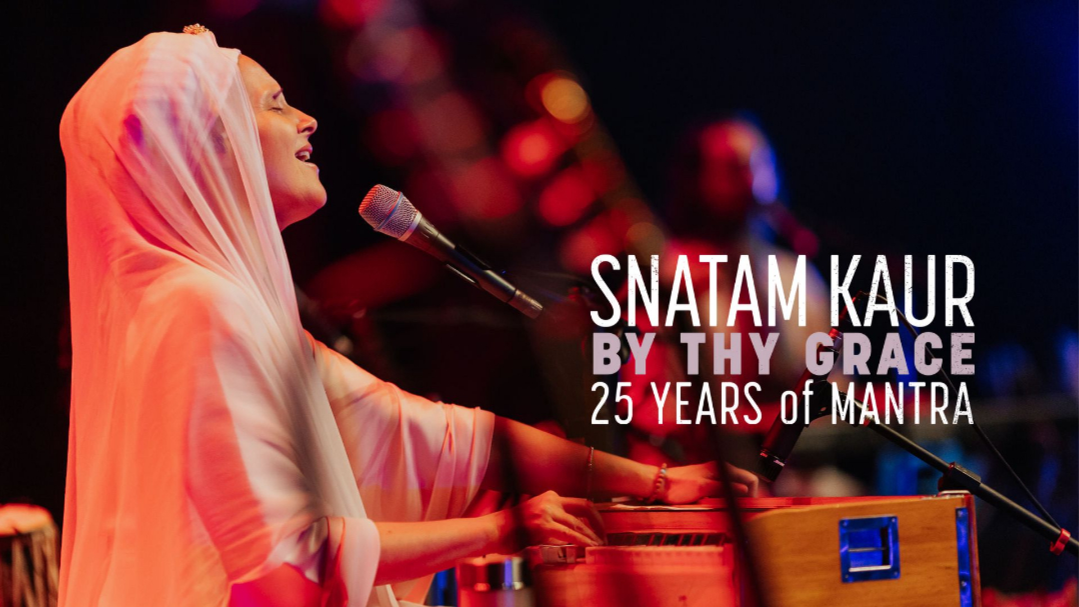
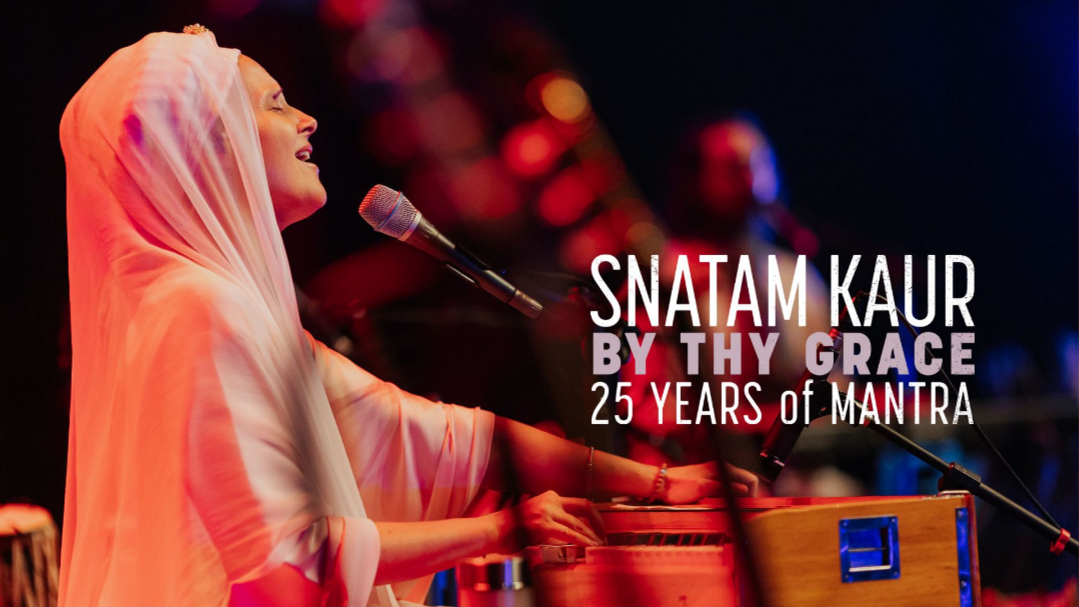
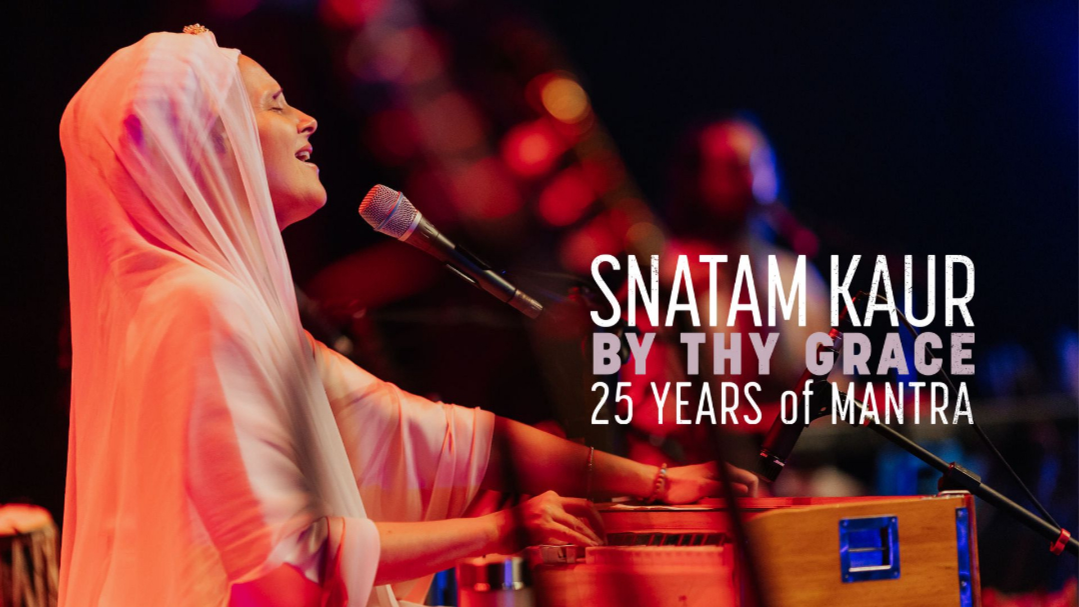
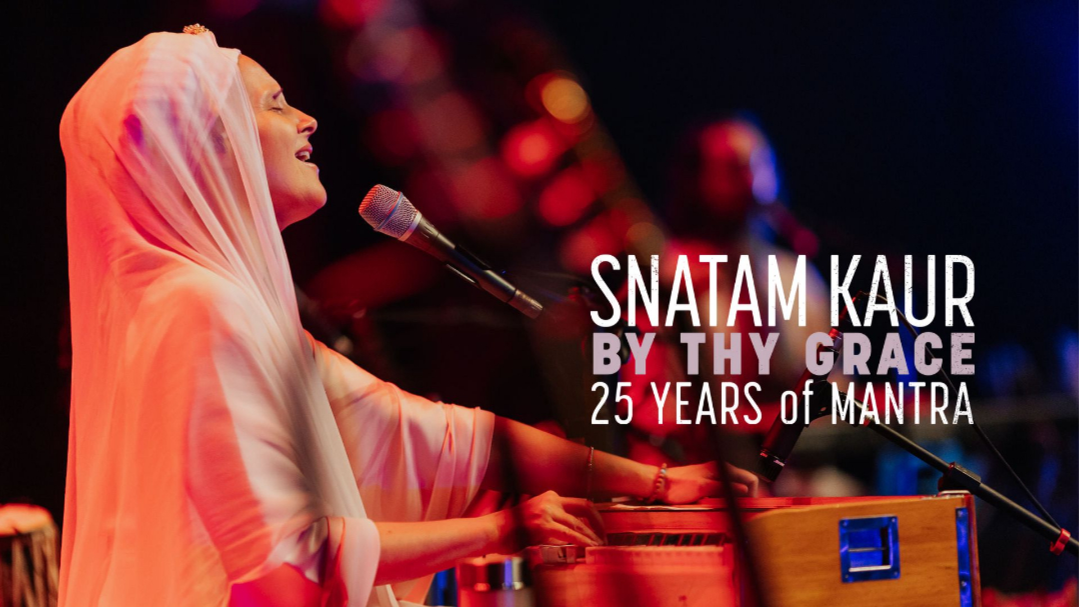
Chanting practices vary widely. In Vedic traditions, precise pronunciation and pitch of Sanskrit syllables (e.g., Om, Gayatri Mantra) are considered essential; practitioners may chant alone or with a teacher. Tibetan monks produce deep, multi-toned chants that create harmonic overtones, believed to activate specific energy centers. Kirtan is call-and-response group singing, often with harmonium and drums, where participants repeat mantras like “Om Namah Shivaya” or “Hare Krishna” in a devotional atmosphere. Vocal toning involves sustained vowel sounds (“Ah,” “Oh,” “Ee”) held at constant pitch to stimulate the vagus nerve and promote parasympathetic activation; no musical training is required. Sufi dhikr uses rhythmic repetition of divine names; Gregorian chant employs monophonic Latin melodies in liturgical settings. Sessions may last from 10 minutes to several hours; some practitioners chant daily, others attend weekly group gatherings. Breath is synchronized with sound production, creating an integrated somatic experience.
Healing Through Chanting Today
Contemporary seekers encounter chanting through multiple channels. Yoga studios and meditation centers offer kirtan nights and mantra workshops. Sound healing practitioners incorporate vocal toning into private sessions or group sound baths. Apps and streaming platforms host chanting recordings by Krishna Das, Deva Premal, and others. Scientific interest has grown: studies published in 2019–2025 demonstrate that Om chanting correlates with reduced cortisol, enhanced alpha and theta brainwave activity, and improved heart rate variability; repetitive religious chanting shows measurable effects on amygdala activation. Music therapy programs in hospitals now include chanting for stress reduction and PTSD management. Online courses teach Vedic chanting techniques; retreats combine silent meditation with chant practice. Some practitioners integrate chanting into psychedelic-assisted therapy. The secular sound healing movement treats chanting as vibrational medicine independent of religious belief, though tension exists between traditional lineage holders and contemporary adaptations.
Common Misconceptions
Healing through chanting is not magic, nor does it replace medical intervention. It does not require perfect pitch, a trained voice, or fluency in Sanskrit—though some traditions emphasize correct pronunciation. Chanting is not exclusive to any single religion; the phenomenon appears cross-culturally. It is not passive listening; active participation—using one’s own voice—produces different neurophysiological effects than hearing recorded chants. The practice does not guarantee specific outcomes; individual responses vary based on psychological state, belief, technique, and consistency. Chanting is not inherently devotional; secular vocal toning and therapeutic humming operate through similar mechanisms without religious framing. It is not a quick fix; sustained practice over weeks or months typically produces more durable results than single sessions. Finally, not all chanting is healing-oriented; some traditions prioritize spiritual awakening, community cohesion, or aesthetic expression over therapeutic effect.
How to Begin
Start with humming: sit comfortably, inhale through the nose, and produce a gentle “mmm” sound on the exhale, feeling the vibration in your skull and chest. Practice for 5 minutes daily. For mantra chanting, begin with “Om”—inhale deeply, then sustain the sound through a long exhale. Jonathan Goldman’s Healing Sounds and Thomas Ashley-Farrand’s Healing Mantras (2000) offer accessible secular introductions. Attend a local kirtan gathering to experience group chanting; organizations like Bhakti Yoga Shala or community yoga centers often host these. For formal training, seek certified teachers of Vedic chanting or Nada Yoga; online courses from institutions such as the Krishnamacharya Yoga Mandiram provide structured learning. Recordings by Krishna Das, Jai Uttal, or Tibetan monks of Santo Domingo de Silos offer models. If interested in clinical applications, explore music therapy credentials or sound healing certifications. Approach with curiosity rather than expectation; notice physiological shifts—breath, heart rate, mental clarity—rather than chasing transcendent experience.