BrightStar

Parcourir tous les Events

Découvre des rassemblements conscients

events

Yoga
Meditation
Breathwork
Qigong
Tai Chi
Sacred Music
World Music
Medicine Music
Sound Healing
Ecstatic Dance
Destinations populaires
BaliSedonaLos AngelesCosta RicaNew YorkSan FranciscoAustinMiamiJoshua TreeTulum
Voir toutes les catégoriesVoir toutes les destinations

Explorer toutes les fonctionnalités

Des outils puissants pour développer tes événements

Fonctionnalités de la plateforme

Tarification dynamique intelligente
Catégories de billets
Places assignées
Récupération des paniers abandonnés
Récupération des visiteurs
Dons & Prix variables
Système d'affiliation
Scanner de billets
Codes promo
Questions personnalisées
Partage de billets
Ventes additionnelles & Options
Analyses & Rapports
Séquences d'emails
Liste d'attente / Notifier / Rappeler
Personnes & Lieux
Artists & TeachersEvent OrganizersVenues & StudiosKnowledge BaseGlossaryInspiration
Voir toutes les fonctionnalitésÀ propos
TarifsBlog
Language
Saved events
Parcourir tous les événements

events

YogaMeditationBreathworkQigongTai ChiSacred MusicWorld MusicMedicine Music

Destinations populaires

BaliSedonaLos AngelesCosta RicaNew YorkSan Francisco

Personnes & Lieux

Artists & TeachersEvent OrganizersVenues & StudiosKnowledge BaseGlossaryInspiration

Fonctionnalités de la plateforme

Tarification dynamique intelligenteCatégories de billetsPlaces assignéesRécupération des paniers abandonnésRécupération des visiteursDons & Prix variablesSystème d'affiliationScanner de billetsCodes promoQuestions personnaliséesPartage de billetsVentes additionnelles & OptionsAnalyses & RapportsSéquences d'emailsListe d'attente / Notifier / Rappeler
Voir toutes les fonctionnalitésÀ propos
TarifsBlog
ConnexionChercheursCréateurs
  • Parcourir tous les Événements
  • Pour les chercheurs
  • Yoga
  • Méditation
  • Breathwork
  • Qi gong
  • Tai-chi
  • Musique sacrée
  • Musiques du monde
  • Musique médecine
  • Soins sonores
  • Danse extatique
  • Retraites
  • Ateliers
  • Toutes les catégories →
  • Bali
  • Sedona
  • Los Angeles
  • Costa Rica
  • Tulum
  • Byron Bay
  • San Francisco
  • Austin
  • New York
  • San Diego
  • Denver
  • Seattle
  • Portland
  • Miami
  • Toutes les villes →
  • Join the Movement
  • Why we list
  • Sell Globally
  • Pour les créateurs
  • Pour les équipes
  • Pour les écrivains
  • Pour les enseignants
  • Pour les artistes de kirtan
  • Pour les studios
  • Pour les festivals
  • Pour les centres de retraite
  • Pour les associations
  • Ambassadeur de marque
  • Études de cas
  • Billetterie gratuite
  • Elevate
  • Amplify
  • Réseau de 500K+ acheteurs
  • Récupération des paniers abandonnés
  • Tarification dynamique intelligente
  • Catégories de billets
  • Événements récurrents
  • Places assignées
  • Système d'affiliation
  • Liste d'attente / Notifier
  • Scanner de billets
  • Widget intégrable
  • Diffusion d'événements
  • Messagerie
  • Intégrations
  • Rapports
  • Toutes les fonctionnalités →
  • À propos
  • L'écosystème
  • Blog
  • Glossaire
  • Inspiration
  • Centre d'aide
  • Contact
  • Documentation API
  • Ressources de marque
  • Carrières
  • Presse
  • Conditions d'utilisation
  • Politique de confidentialité

Événements

  • Parcourir tous les Événements
  • Pour les chercheurs
  • Yoga
  • Méditation
  • Breathwork
  • Qi gong
  • Tai-chi
  • Musique sacrée
  • Musiques du monde
  • Musique médecine
  • Soins sonores
  • Danse extatique
  • Retraites
  • Ateliers
  • Toutes les catégories →

Destinations

  • Bali
  • Sedona
  • Los Angeles
  • Costa Rica
  • Tulum
  • Byron Bay
  • San Francisco
  • Austin
  • New York
  • San Diego
  • Denver
  • Seattle
  • Portland
  • Miami
  • Toutes les villes →

Pour les créateurs

  • Join the Movement
  • Why we list
  • Sell Globally
  • Pour les créateurs
  • Pour les équipes
  • Pour les écrivains
  • Pour les enseignants
  • Pour les artistes de kirtan
  • Pour les studios
  • Pour les festivals
  • Pour les centres de retraite
  • Pour les associations
  • Ambassadeur de marque
  • Études de cas
  • Billetterie gratuite
  • Elevate
  • Amplify

Fonctionnalités

  • Réseau de 500K+ acheteurs
  • Récupération des paniers abandonnés
  • Tarification dynamique intelligente
  • Catégories de billets
  • Événements récurrents
  • Places assignées
  • Système d'affiliation
  • Liste d'attente / Notifier
  • Scanner de billets
  • Widget intégrable
  • Diffusion d'événements
  • Messagerie
  • Intégrations
  • Rapports
  • Toutes les fonctionnalités →

Entreprise

  • À propos
  • L'écosystème
  • Blog
  • Glossaire
  • Inspiration
  • Centre d'aide
  • Contact
  • Documentation API
  • Ressources de marque
  • Carrières
  • Presse
  • Conditions d'utilisation
  • Politique de confidentialité
BrightStar
© 2026 BrightStar. Tous droits réservés.
Watch

Mantra Music at SXSW 2011: Kirtan Performances Bring Chant to Festival Culture

John De Kadt
John De Kadt
Apr 6, 2011
6 min de lecture

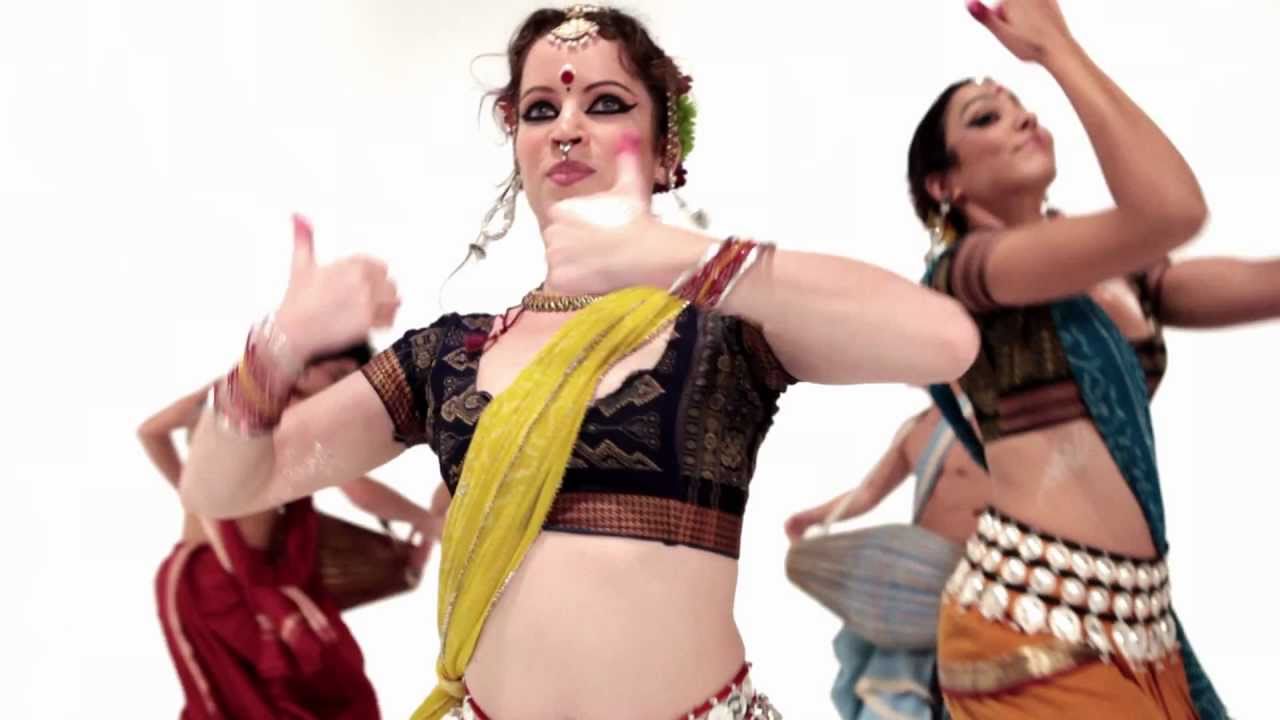
In 2011, Mantralogy's kirtan ensembles The Mayapuris and SRI Kirtan performed at South by Southwest, one of the world's largest music festivals. The Mayapuris brought their chant-based performance to Austin's 6th Street during the festival's peak activity, while SRI Kirtan performed at Whole Foods Market as part of one of the first mantra music events to be programmed at a mainstream retail space. These performances represent an early crossing point between kirtan, a classical Hindu devotional chanting practice, and contemporary festival and commercial culture.

Lecture · 7 sections

What is kirtan, and why does it matter in contemporary music spaces?

Kirtan is a participatory call-and-response chanting practice rooted in Hindu and Bhakti traditions, typically built around the repetition of sacred Sanskrit mantras and divine names. Unlike concert-style performances where audiences observe passively, kirtan invites participants to join in singing, creating a collective meditation through sound. The practice has roots in centuries of devotional worship across India but gained wider Western visibility in the late 20th century through teachers and musicians who adapted the form for non-Hindu audiences while maintaining its spiritual intent.

The presence of kirtan at a cultural event as mainstream and eclectic as SXSW signals a significant shift in how sacred music practices move across cultural contexts. By 2011, kirtan had begun appearing in yoga studios, meditation centers, and alternative music venues across North America, but programming it at a major music festival and at a national retail chain like Whole Foods represented a notable moment of cultural crossover. These performances demonstrated that mantra-based music could find audiences beyond dedicated spiritual communities.

How did The Mayapuris approach performance space on 6th Street?

The Mayapuris' decision to perform on 6th Street during SXSW placed kirtan performance directly into one of the festival's most densely populated spaces. 6th Street in Austin becomes a hub of music, art, and street performance during SXSW, typically filled with rock bands, electronic music, and pop performers. By bringing chant-based music into this environment, The Mayapuris occupied a radical aesthetic position: sacred, participatory, Sanskrit-based devotional music interrupting the texture of mainstream festival culture.

This street performance approach reclaimed the public commons as a space for spiritual practice. Rather than asking audiences to enter a dedicated venue or spiritual center, the performance met people in an unexpected context—stopping traffic and turning heads, as the description notes. This strategy reflects a broader philosophical stance within contemporary kirtan communities: that sacred sound and mantra are not meant to be confined to temples or studios but can function as invitations to contemplation even in secular, commercial, and chaotic spaces.

What was significant about SRI Kirtan's Whole Foods performance?

SRI Kirtan's performance at Whole Foods Market represented a distinct entry point for mantra music into mainstream commercial retail culture. Whole Foods, by 2011, had positioned itself as a wellness-oriented grocery retailer that marketed health, sustainability, and alternative lifestyle values to affluent consumers. Programming a mantra music event in this space created an unusual juxtaposition: sacred Hindu devotional practice entering a capitalist marketplace.

The significance of this pairing is twofold. First, it suggests that Whole Foods saw mantra music as aligned with its brand identity around wellness, mindfulness, and alternative health. Second, it marks one of the first times a major retail chain explicitly programmed a mantra music event, suggesting that by 2011, there was enough market awareness and consumer interest to justify such programming. This represents a moment when kirtan began transitioning from niche spiritual practice to something positioned within mainstream wellness culture.

How does festival performance differ from traditional kirtan environments?

Traditional kirtan typically occurs in temples, ashrams, yoga studios, or dedicated spiritual gatherings where participants come with explicit intention to engage in devotional practice. These environments are acoustically designed for chant, psychologically prepared for meditation, and culturally understood as sacred spaces. The SXSW context radically inverses these conditions: audiences are not necessarily seeking spiritual experience, the acoustic environment is chaotic and competitive, and the cultural frame is entertainment rather than devotion.

This shift requires performers to navigate complex questions about authenticity, intention, and cultural transmission. Does kirtan performed at a music festival remain kirtan in its full spiritual sense, or does it become something else—a musical genre, a wellness product, a cultural commodity? The answer likely depends on how performers frame the practice and whether they maintain the participatory, invitational aspect that defines kirtan. A festival audience can still be invited into call-and-response chanting, and that collective sound-making can still function as a meditative practice, even if the surrounding context is profoundly secular.

What role did Mantralogy play in establishing kirtan in mainstream spaces?

Mantralogy, as a music project or collective, appears to have been intentionally positioning kirtan and mantra-based music within contemporary cultural spaces. By maintaining multiple performing ensembles (The Mayapuris and SRI Kirtan) and pursuing diverse performance contexts (street performance at festivals, retail programming, and presumably other venues), Mantralogy was testing how mantra music could reach and resonate with different audiences.

This approach reflects a particular vision of spiritual music as something that should not remain isolated within dedicated spiritual communities but should permeate secular culture. Whether one views this as a form of spiritual democratization or as a dilution of sacred practice depends largely on one's philosophy about how spiritual traditions should adapt to new contexts. What is clear from the SXSW programming is that by 2011, there were artists and organizations willing to risk the incongruity of placing mantra music directly into mainstream cultural spaces.

What can we learn from early kirtan crossovers into mainstream culture?

The SXSW performances offer several lessons about how sacred practices migrate across cultural boundaries. First, timing matters: by 2011, the infrastructure for kirtan participation—yoga studios, meditation apps, online communities—had already created enough cultural familiarity that festival and retail audiences could encounter the practice without complete incomprehension. Second, boldness in placement creates visibility: performing on 6th Street during peak festival hours guaranteed that The Mayapuris would reach people who had not sought them out, a form of cultural education through interruption.

Third, these performances suggest that sacred practices are not diminished by appearing in secular spaces; instead, they function differently. Festival kirtan is not the same as temple kirtan, just as a mantra performance at a retail chain is not the same as chanting in an ashram. But the practice can still offer something genuine—collective sound-making, rhythmic meditation, and momentary release from the surrounding commercial or entertainment context. The presence of these performances at SXSW indicates that both artists and audiences were willing to experiment with how spiritual practices could exist outside their traditional containers.

Where to go from here

If this moment in 2011 interests you, consider exploring the broader question of how sacred and spiritual practices interface with commercial culture and festival spaces. You might investigate how kirtan communities today navigate similar questions about authenticity and accessibility, or examine how other spiritual or meditative practices (sound baths, meditation, yoga performances) have entered mainstream venues. The SXSW performances by Mantralogy represent an early and bold experiment in this cultural conversation—one that helped establish kirtan as something that could exist not just in dedicated spiritual spaces but in the texture of American festival and retail culture.

Comments

Loading the conversation…

John De Kadt
ArtistJohn De Kadt

John de Kadt is a musician, poet and storyteller who has told ancient myths with world instruments for over 25 years, a style he calls DrumStory, and who created the BlessFest fest…

Voir le profilSite web
Explorer les thèmes
Kirtan-musicMantra-chantFestival-cultureSpiritual-performanceWhole-foods

Des questions ?

Questions fréquemment posées

Kirtan is a participatory, call-and-response chanting practice rooted in Hindu devotional traditions that invites audiences to join in singing Sanskrit mantras and divine names. Unlike concert performances where audiences observe passively, kirtan creates a collective meditation through sound and shared rhythmic participation.
Placing kirtan directly into one of the festival's most chaotic and commercial spaces—among rock bands and pop performances—represented a radical decision to make sacred chanting practice interrupt mainstream festival culture rather than remain confined to spiritual venues. This approach exposed unintended audiences to mantra music in a public commons.
Whole Foods' programming of mantra music in 2011 marked one of the first times a major retail chain explicitly hosted a kirtan event, signaling that mainstream wellness brands saw mantra music as aligned with their market positioning around health and alternative spirituality.
Kirtan functions differently in secular contexts but does not necessarily lose its core practice—participants can still engage in collective call-and-response chanting and rhythmic meditation. However, the cultural frame and audience intention shift significantly when the practice moves from dedicated spiritual spaces to commercial or entertainment-focused venues.
By 2011, a combination of yoga studios, meditation communities, and online accessibility had created enough cultural familiarity that kirtan could enter mainstream venues. Early bold placements like SXSW performances helped establish mantra music as something that could exist outside traditional temples and spiritual centers.
Mantralogy appears to be an ensemble or collective operating multiple kirtan-based groups and deliberately pursuing diverse performance contexts—from street festivals to retail spaces. This approach tested how mantra music could reach broader audiences beyond dedicated spiritual communities.
Sacred practices can function authentically in new contexts if participants maintain their core components—in kirtan's case, participatory chanting and collective meditation. However, the experience and intention shift when sacred music moves from temples to festivals or retail environments, creating a different but still valid form of the practice.

Continuer la lecture

More from John

Voir tout
Percussive Movement and Body Wisdom in Rhythmic Song
Inspire

Percussive Movement and Body Wisdom in Rhythmic Song

A music video exploring embodied rhythm through dance, percussion, and inclusive movement language. Features layered instructions for full-b…

1 min read
Mridanga Kirtan: Mantra Chanting and Temple Dance Performance
Inspire

Mridanga Kirtan: Mantra Chanting and Temple Dance Performance

The Mayapuris perform "Mridanga," a devotional kirtan set to traditional Sanskrit mantras and accompanied by temple dancers. This music vide…

1 min read
Afepakian Remix: Ocarina, Field Recordings and Maleku Voice
Inspire

Afepakian Remix: Ocarina, Field Recordings and Maleku Voice

A mantra-based song becomes an organic electronic piece in the Liquid Bloom Mix of "Afepakian." Here is how ocarina, field sound and an indi…

1 min read
Ra Ma Da Sa: The Mantra of Total Healing
Inspire

Ra Ma Da Sa: The Mantra of Total Healing

Snatam Kaur's sacred healing mantra blends ancient Kundalini tradition with modern production, featuring harmonium, tabla, and ensemble arra…

1 min read

Continue d’explorer

Poursuis ton chemin

Plus de sagesse et de rassemblements dans tout l’annuaire BrightStar.

Plus d’articles

Parcours toute la bibliothèque d’enseignements, d’entretiens et de guides.

Retour à tous les articles →

Enseignants et artistes

Découvre les lignées, les musiciens et les guides du monde conscient.

Explorer les artistes →

Trouver un événement

Kirtan, retraites, bains sonores, breathwork, festivals — bientôt près de chez toi.

Parcourir les événements →