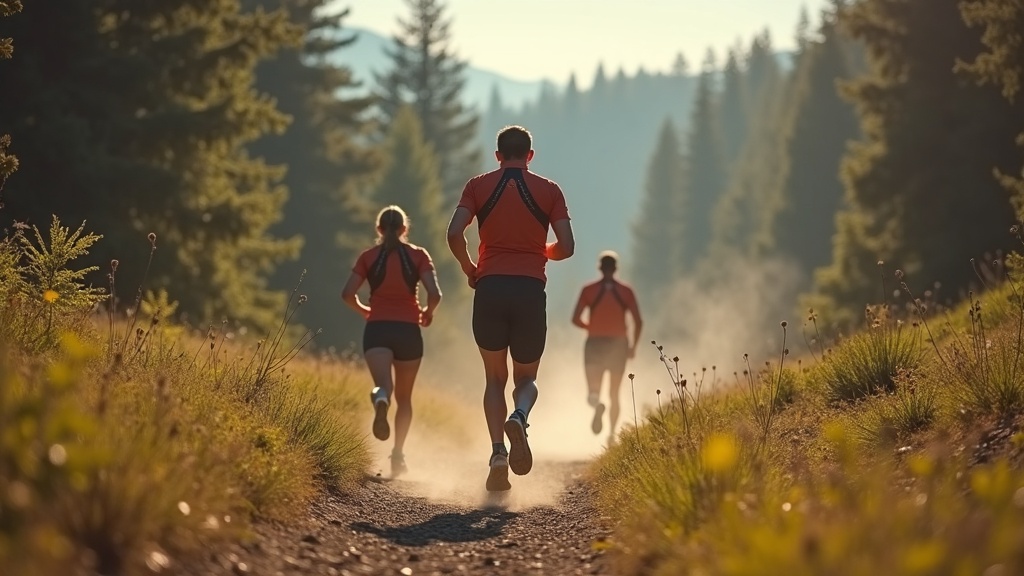
When athletes think endurance sports destinations, minds drift to Boulder's mountain trails, San Diego's coastal routes, or Kona's legendary lava fields. Austin, Texas rarely makes that list—which is precisely why it should be your next training destination. This Texas capital has quietly become one of North America's premier endurance sports cities, offering world-class infrastructure, year-round training weather, and a community that treats cycling, running, and triathlon as cultural cornerstones rather than fringe hobbies.
Austin's endurance sports scene isn't accidental—it's the product of decades of development, fueled by the Livestrong Foundation's presence, an influx of professional athletes, and a city culture that embraces outdoor activity as essential to the Austin identity. Whether you're a professional training for championships or an age-grouper chasing personal records, Austin provides the resources, community, and environment to elevate your performance.
Austin's cycling scene stands among the nation's finest, combining protected infrastructure, dedicated facilities, and terrain that offers everything from flat criterium courses to punishing hill climbs.
The Veloway: America's Premier Cycling Track
The Veloway is Austin's crown jewel for cyclists—a 3.1-mile dedicated cycling loop in Slaughter Creek Metropolitan Park with zero automobile traffic. The smooth, wide circuit features gentle curves and rolling hills perfect for interval training, tempo work, or group rides without intersection stops or traffic concerns.
The Veloway hosts regular organized rides, including weekly time trials and group training sessions. It's become a gathering point for Austin's cycling community, where professionals and age-groupers share the circuit, often pushing each other to new performance levels. The lack of traffic lights or stops makes it ideal for sustained power efforts—perfect for triathletes building bike fitness or cyclists honing time-trial abilities.
Visiting cyclists should arrive early on weekends—the Veloway gets crowded, though the community etiquette is generally excellent. Weekday mornings offer quieter training opportunities. The surface is impeccably maintained, and the loop's design allows athletes to practice cornering, drafting (where legal), and sustained efforts at race pace.
Hill Country Roads: Where Climbing Dreams Come True
West of Austin lies the Hill Country—a sprawling landscape of challenging climbs, fast descents, and stunning scenery that has become legendary among cyclists. Routes like the Willow City Loop, the Three Sisters (Ranch Roads 335, 336, and 337), and Hamilton Pool Road offer climbing that rivals more famous destinations.
The climbs aren't Colorado-length, but they're steep enough and frequent enough to build serious power. The relatively low traffic on many Hill Country roads (weekdays are best) creates safe training environments where cyclists can focus on efforts rather than dodging cars. The rolling terrain is perfect for interval training—attack the climbs hard, recover on descents, repeat.
Hill Country rides also provide triathlon-specific training benefits. The heat, especially summer months, mimics race conditions in places like IRONMAN Texas or Arizona. Learning to sustain power in 95°F heat with sun exposure builds adaptations that pay dividends on race day.
Cycling Infrastructure and Culture
Austin features over 200 miles of bike lanes and shared paths, including the Lance Armstrong Bikeway and protected lanes throughout downtown. While the city isn't Amsterdam, it's remarkably bike-friendly for a Texas metro area, with growing infrastructure investment and a cycling culture that extends beyond endurance athletes to commuters and recreational riders.
The city hosts numerous cycling events, including criteriums, road races, and gran fondos. Local bike shops are plentiful and knowledgeable, many staffed by current or former racers who can provide route recommendations, training advice, and mechanical expertise.
Austin's running scene centers on Lady Bird Lake (formerly Town Lake), a 10-mile multi-use trail circling the reservoir in downtown Austin. The trail provides scenic, mostly shaded running with virtually no car interaction—just miles of sustained effort through the heart of the city.
Lady Bird Lake Trail
The 10-mile loop offers everything runners need: smooth crushed granite and paved surfaces, water fountains, bathrooms, and stunning skyline views. The trail sees heavy use, particularly mornings and evenings, creating a community atmosphere where runners of all abilities share the path.
The trail's flat profile makes it perfect for tempo runs, long steady efforts, and easy recovery days. Runners can add variety by incorporating the pedestrian bridges, creating shorter loops, or venturing onto connected trails like the Barton Creek Greenbelt for more challenging terrain.
Barton Springs Pool: The Open Water Swimming Secret
Barton Springs Pool is a natural spring-fed pool in Zilker Park, maintaining 68-72°F year-round. At roughly 1,000 feet long, it's one of the best open-water swimming venues in the country disguised as a municipal pool. The constant temperature makes it usable every day of the year, providing triathletes with open-water practice even in winter months when other venues freeze.
The pool's length allows for substantial intervals and continuous swimming practice. The natural environment mimics open-water conditions better than traditional pools, helping athletes develop sighting, navigation, and comfort in less controlled environments. Many Austin triathletes make Barton Springs a weekly training staple, building swim fitness and open-water confidence simultaneously.
Running Events
Austin hosts major running events attracting thousands of participants. The Austin Marathon and Half Marathon (February) features a scenic course through the city with strong community support. The 3M Half Marathon (January) is known as one of the country's fastest half marathon courses, with significant net downhill that attracts PR-chasers from across the nation.
Beyond major events, Austin features weekly group runs organized by running stores like RunTex and Rogue Running, creating community training opportunities at every ability level. These groups often include coached workouts, making them valuable training resources for visiting athletes.
The CapTexTri, held annually on Memorial Day weekend, is one of the nation's largest and most competitive triathlons. The Olympic and sprint distance races attract professional and age-group fields, with a challenging Hill Country bike course and run finishing at the Texas State Capitol.
CapTexTri has become a rite of passage for Austin triathletes and a destination race for visitors. The course showcases Austin's triathlon-friendly characteristics: Lady Bird Lake swim, Hill Country cycling, and downtown running. The late-May date means warm temperatures and often windy conditions—excellent preparation for summer IRONMAN racing.
Beyond CapTexTri, the Austin area hosts numerous triathlons throughout the year, from beginner-friendly sprints to IRONMAN 70.3 Texas in nearby Galveston (a popular Austin athlete destination). The local triathlon community is robust, with multiple clubs, coached training sessions, and regular informal workouts.
Austin's climate allows outdoor training every day of the year—a massive advantage over cold-weather cities where winter training moves indoors. Average January temperatures range from 40s to 60s°F, perfect for running and cycling with appropriate layering. Spring and fall are ideal, with moderate temperatures and lower humidity.
The Summer Challenge
Austin's summer requires strategic planning. June through September brings temperatures regularly exceeding 100°F with high humidity and intense sun exposure. These conditions are dangerous for unprepared athletes but invaluable for those racing in hot climates.
Summer training tips for Austin:
- Train early: Start runs and rides by 6:00 AM, finishing before mid-morning heat peaks
- Hydration discipline: Pre-hydrate before workouts, carry ample fluids, and replenish electrolytes aggressively
- Heat acclimation: Build exposure gradually over 10-14 days; your body will adapt remarkably
- Shade seeking: Utilize trails with tree cover; the Barton Creek Greenbelt is significantly cooler than exposed paths
- Indoor alternatives: Don't be stubborn; use treadmills and trainers for high-intensity work when heat is dangerous
- Afternoon avoidance: The 2:00-6:00 PM window is brutally hot; save this time for swimming or recovery
Athletes preparing for races like IRONMAN Arizona, Texas, or any summer event should embrace Austin's summer as a training advantage. Properly executed heat training produces significant physiological adaptations: increased plasma volume, improved sweat response, better cardiovascular efficiency, and mental toughness that translates directly to race day.
No discussion of Austin endurance sports is complete without acknowledging Lance Armstrong's complicated legacy. Armstrong's seven Tour de France titles (later stripped due to doping) put Austin on the cycling map, attracting professional cyclists and creating infrastructure that persists today.
The Livestrong Foundation, founded by Armstrong in 1997, maintains its headquarters in Austin. While Armstrong's athletic achievements are tainted, Livestrong's cancer support work remains impactful, having provided resources to millions affected by cancer. The organization's presence in Austin contributed to the city's endurance sports culture and continues supporting cancer survivors returning to athletic activity.
Austin's cycling community has largely moved beyond the Armstrong era, building identity on current athletes, inclusive community, and infrastructure improvements rather than past controversies. The Lance Armstrong Bikeway exists as both tribute and reminder—cyclists use it daily while the sport continues evolving.
Austin's endurance community is remarkably accessible and welcoming. Major running clubs include:
- Rogue Running: Multiple weekly group runs at various paces, coached workouts, and a strong community culture
- RunTex: Long-established Austin running institution with group runs and clinics
- Gilbert's Gazelles: Competitive running club attracting faster athletes
- Austin Runner's Club: Race organization and community events
Cycling clubs and group rides are equally plentiful:
- Violet Crown Sports Association: Organizes races and group rides
- Austin Cycling Association: Advocacy, events, and community building
- Sponsored shop rides: Local bike shops host regular rides at all levels
- Morning weekday rides: Various groups departing from coffee shops and parks
Triathlon clubs include Austin Triathlon Club and others, providing coached workouts, race travel groups, and community support.
Where to Stay
For training access, downtown Austin provides proximity to Lady Bird Lake trails and easy access to Hill Country rides. South Austin (near Barton Springs and Zilker Park) offers swimming access and great running. West Austin places you closer to Hill Country cycling routes.
When to Visit
March through May and September through November offer ideal training weather. January and February are excellent for athletes escaping northern winters—cool but not cold, perfect for outdoor training. June through August are viable but require heat management.
Getting Around
Austin requires a car for accessing best cycling routes, though downtown running and swimming are walkable from central hotels. Bike transport can be arranged through local shops offering rentals of high-quality road and triathlon bikes.
Recovery and Nutrition
Austin's food scene is exceptional, with numerous options catering to athletic nutrition needs. Juice bars, smoothie shops, and restaurants offering lean proteins and healthy options are abundant. The city's coffee culture provides excellent caffeination opportunities for early training sessions.
Austin athletes are generally welcoming to visitors. Show up to group runs or rides, introduce yourself, and you'll likely find training partners and local knowledge. Social media groups for Austin runners, cyclists, and triathletes actively share route information, training opportunities, and event details.
For athletes seeking races in Austin or similar destinations, platforms like EnduranceFinder help identify events matching your goals and preferences, connecting you with the right racing opportunities whether you're chasing competitive results or completing your first event.
Austin's success as an endurance sports destination stems from convergent factors: climate allowing year-round outdoor training, varied terrain providing everything from flat recovery runs to brutal cycling climbs, dedicated infrastructure like the Veloway and Lady Bird Lake trail, a welcoming community culture, and the Livestrong legacy that established endurance sports as central to city identity.
The city doesn't have Boulder's altitude, San Diego's perfect weather, or Kona's IRONMAN mystique. What it has is accessibility, variety, community, and a culture that treats endurance athletes not as outliers but as mainstream participants in Austin's active lifestyle.
Whether you're visiting for a training block, racing CapTexTri, or considering relocation, Austin offers resources and community that elevate athletic performance while providing the cultural amenities of a major metro area. It's not the endurance capital everyone knows about—but perhaps that's precisely what makes it special.
Pack your running shoes, ship your bike, and discover the endurance sports paradise hiding in the Texas Hill Country. Austin is waiting, and it just might become your favorite training destination.