Transcript
[0:00] start here now an openhearted Guide to
[0:03] the path and practice of meditation is a
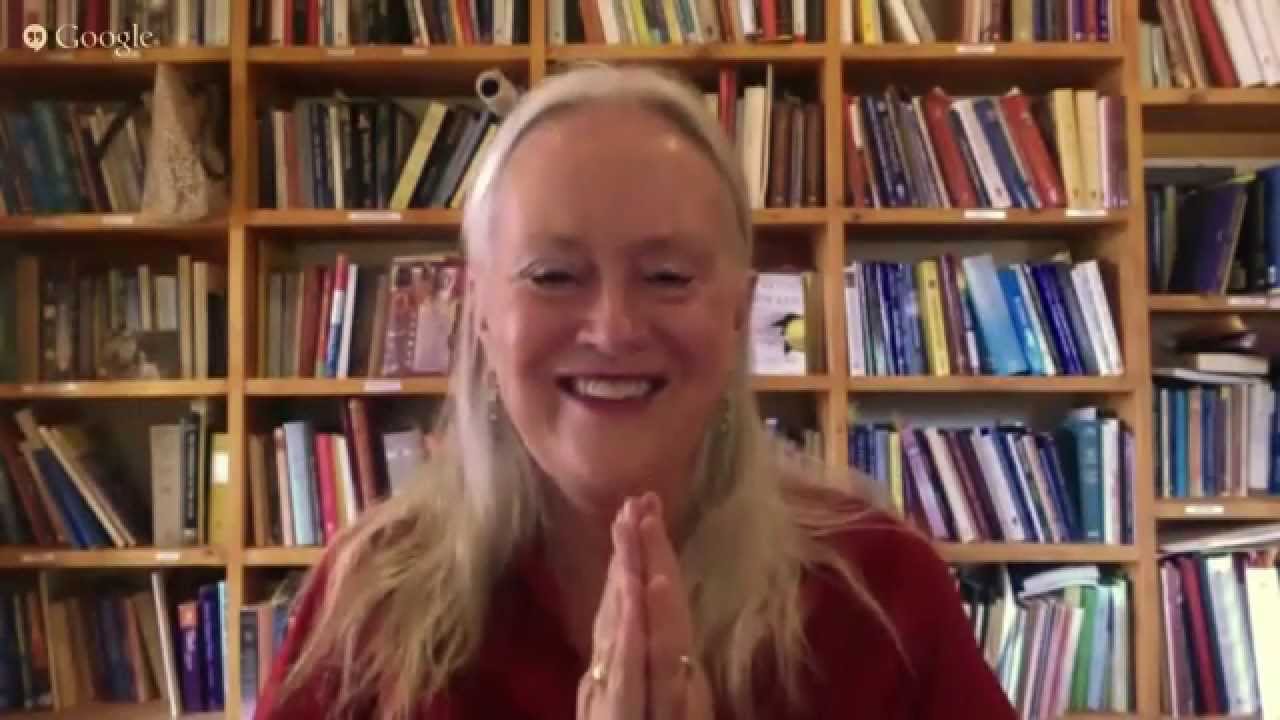
[0:06] presentation by Susan
[0:08] pyer Susan pyer is an internationally
[0:11] renowned meditation teacher and the New
[0:13] York Times best-selling author of eight
[0:15] books including the award-winning how
[0:18] not to be afraid of your own life and
[0:20] the recently released start here now an
[0:23] open-hearted Guide to the path and
[0:24] practice of
[0:25] meditation she is the founder of the
[0:28] Open Heart Project in international
[0:30] online meditation Community with more
[0:32] than 12,000
[0:34] members hello welcome to the second
[0:37] annual uh awaken the world presented by
[0:39] Shambala Mountain Center my name is
[0:41] Susan pyer and I am delighted and
[0:44] honored to be able to talk to you about
[0:46] the practice of meditation which is kind
[0:49] of like the whole idea behind this event
[0:51] is what is meditation and Beyond what
[0:55] meditation is how can I apply the
[0:57] benefits of meditation to my life how
[0:59] can I be awake in the world and it's
[1:01] it's so wonderful that chambala Mountain
[1:03] Center has brought together these so
[1:06] many wonderful teachers from so many
[1:07] different Buddhist Traditions to talk to
[1:09] you about these various aspects and this
[1:13] is happening at a time when just the
[1:16] whole idea of meditation and mindfulness
[1:18] is is really having a moment a really
[1:20] wonderful moment and there is uh a ton
[1:24] of research supporting the benefits of a
[1:27] regular meditation practice and that's
[1:29] in addition of of course to the 2600
[1:31] years of research uh on the Buddhist
[1:34] side showing the benefits of meditation
[1:37] if in the west we're looking at the
[1:39] benefits as as things like well it will
[1:41] help you get a better night's sleep
[1:43] which is great it will uh help regulate
[1:47] your blood pressure if you have high
[1:49] blood pressure it will uh prevent
[1:52] relapse into depression for by
[1:55] 50% if meditation is included as part of
[1:59] a treatment protocol treatment for
[2:01] depression so that's pretty amazing it
[2:03] will lessen symptoms in conditions with
[2:06] a stress related component like ulcers
[2:09] it will do a lot of things it's a pretty
[2:11] amazing practice
[2:13] and excuse me if you add to that the
[2:18] 2600 years again of research done on the
[2:20] Buddhist side that shows that meditation
[2:23] will make you more wise it will make you
[2:26] more compassionate it will make you more
[2:28] patient it will
[2:30] assist you to wake up to the nature it
[2:35] will help you to become
[2:37] enlightened uh everything from get a
[2:40] better night's sleep to uh liberate
[2:42] yourself from suffering for all time
[2:45] that is one amazing
[2:46] practice and because it is so amazing
[2:49] and because of all the current attention
[2:51] on it it's easy to become confused about
[2:55] just what it is and it's also really
[2:57] easy to bring a lot of expectations and
[3:00] and very complicated agendas to the
[3:03] sitting practice of meditation which as
[3:06] I mentioned has all these incredible
[3:08] consequences and at the same time it's
[3:10] important to
[3:11] remember that all it is is sitting down
[3:15] and
[3:16] breathing
[3:18] period so how do you reconcile this
[3:22] notion of all these incredible
[3:24] results and the
[3:26] Simplicity and directness of the
[3:29] practice of just
[3:31] being uh that's an interesting question
[3:34] to me and a question I want to explore
[3:36] with you a little bit in this
[3:40] moment on one hand meditation is a
[3:43] practice the practice of sitting and
[3:45] focusing attention on breath in the case
[3:47] of the practice that most people here
[3:49] are probably talking about very simple
[3:52] very ordinary it's hard to imagine
[3:53] anything more ordinary in fact than
[3:55] sitting and breathing No Frills it was
[3:58] super ordinary
[4:00] at the same time however if you develop
[4:04] a meditation practice over
[4:07] time you find profound changes seem to
[4:12] be
[4:13] happening kind of on their
[4:16] own your life takes on a different form
[4:20] so I'm very interested in this
[4:23] combination of super simple ordinary and
[4:26] then this sort of explosion of magic
[4:28] that also occurs so I think it could be
[4:31] helpful to start by looking at what
[4:34] meditation is is it a way to get a
[4:36] better night's sleep maybe is it a way
[4:39] to you know become enlightened okay uh
[4:43] but that's not really a definition of
[4:45] what it is those are some descriptions
[4:47] of what may result from it but what it
[4:51] is and I would like to offer you a very
[4:53] simple definition is substituting for
[4:56] your discursive mind another object of
[5:00] attention and that's all it is so we
[5:03] could break that down a little bit so
[5:05] what I mean by discursive mind is that
[5:08] part of you and me that is always doing
[5:11] something like what is she talking about
[5:15] and I didn't think that's what
[5:16] mindfulness was and oh I tried it it'll
[5:19] probably never work because I can't stop
[5:20] thinking and I wonder what the Dalai
[5:22] Lama does in his meditation practice and
[5:25] I would probably be much more
[5:26] enlightened if I hadn't said that thing
[5:28] to this person 12 years ago and why do I
[5:30] always do things like I wonder what's
[5:32] for lunch and so on and so so forth we
[5:35] all know this part of ourselves that is
[5:36] just always going blah blah blah blah
[5:38] blah sometimes quite profoundly and
[5:40] brilliantly and sometimes barbarically
[5:43] and violently and most often at least
[5:45] speaking for
[5:46] myself pretty boringly I don't know if
[5:49] that's a
[5:50] word and that is most often where our
[5:52] attention resides is with that stream of
[5:56] thought but that is not the only choice
[5:59] we have we can choose to purposefully
[6:02] place our attention
[6:04] elsewhere and you already know how to do
[6:06] that is the good news because if you've
[6:09] ever
[6:11] um gone to a yoga class or gone for a
[6:15] swim or tried to solve a complicated
[6:19] math problem or sketch a landscape or
[6:23] make out with someone if you've ever
[6:25] done any of these things then you
[6:26] already know what is meant by placing
[6:28] your attention on you're doing rather
[6:31] than what you think about what you're
[6:33] doing and this in uh meditation circles
[6:36] is called synchronizing mind and body
[6:39] bringing your mind and body into the
[6:41] same place and often they're not in the
[6:46] same place like your body lies down to
[6:49] go to sleep but your mind starts
[6:51] answering email or your mind wants to
[6:56] write a novel but your body starts
[6:59] cleaning out classet I have personal
[7:01] experience with both of those um so
[7:03] they're doing two different things and
[7:05] in the practice of meditation you gently
[7:09] align them you bring them into the same
[7:11] place and there are other things that
[7:12] require this like swimming and running
[7:14] and kissing and so on and when our mind
[7:18] and body are
[7:19] synchronized because of the way we're
[7:21] built it seems we relax and relax here
[7:25] doesn't mean space out or get sne snoozy
[7:31] it it's kind more like the relax
[7:33] relaxation that comes with a state of
[7:35] absorption and in our world with every
[7:38] so many billions of things buying for
[7:40] our
[7:41] attention uh this intentional practice
[7:45] of bringing mind and
[7:47] body together again is precious it's
[7:52] valuable so in meditation practice
[7:55] rather than blah blah blah blah blah we
[7:57] place your attention somewhere else
[7:59] that's it
[8:00] and in some practices that something
[8:02] else is an image something you gaze at
[8:05] or visualize in your mind's eye and when
[8:07] your attention Strays you just bring it
[8:09] back in some practices that something
[8:12] else is a sound like you chant something
[8:15] audibly or semi- audibly silently even
[8:18] and when your attention Strays you bring
[8:20] it
[8:20] back and in the most common practice of
[8:25] Buddhist Meditation that something is
[8:27] your breath which is
[8:30] very conveniently located so the
[8:33] definition then to sum up of meditation
[8:36] is placing attention on an object other
[8:39] than your discursive mind and in this
[8:41] case that object is the breath and then
[8:43] when your mind
[8:45] Strays you come back that's it so what
[8:50] meditation is not then is religious it
[8:53] has nothing to do with adopting any
[8:55] foreign beliefs or changing existing
[8:57] beliefs and in fact beliefs are consider
[8:59] considered an obstacle uh in Buddhist
[9:02] thought so if you have have no beliefs
[9:05] you're you're already ahead of the
[9:08] game so it is substitute simple
[9:10] substitution and it is not religious so
[9:13] that's that I think that's a good
[9:14] starting point and another thing that I
[9:17] would like to offer about what
[9:18] meditation is is it is the practice of
[9:22] mindfulness however that is only 50% of
[9:26] the story I would say so when you
[9:29] practice meditation
[9:30] you place attention on breath as
[9:31] mentioned and when it
[9:34] Strays and this is meant into anything
[9:37] that is not breath then you gently come
[9:39] back the gentle piece is very
[9:42] important and begin
[9:46] again and in this way you cultivate this
[9:49] quality of
[9:51] focus
[9:53] concentration Precision there's a sharp
[9:56] edge to the way your mind works you see
[9:59] it's either here or it's here and you
[10:01] develop some sense of agency with its
[10:04] placement which is quite a powerful and
[10:07] pragmatic skill to possess so in this
[10:11] way you are cultivating mindfulness that
[10:14] is what is meant by mindfulness Focus
[10:17] presence concentration and so on at the
[10:20] same time interestingly I
[10:24] think as you meditate whether it's on
[10:27] the cushion or off you start to see
[10:29] things more clearly clearly you see
[10:32] connections between things or people or
[10:35] ideas that you hadn't noticed before you
[10:38] have ideas about things that you may be
[10:40] working on or or are interested in the
[10:42] ideas seem to flow more readily you see
[10:45] patterns that you had been unaware
[10:47] of your mind expands it feels like your
[10:51] mind ambig I know that's another word
[10:54] and this is called awareness your
[10:56] awareness increases so it's more
[10:59] accurate to call meditation the practice
[11:01] of mindfulness awareness rather than
[11:04] simply the practice of mindfulness and
[11:06] the mindfulness piece in our everyday
[11:08] life of course has tremendous
[11:09] application you want to talk to uh your
[11:13] child about something and you can
[11:14] actually focus on them you want to do a
[11:17] piece of work answer your email I hate
[11:19] that always trying to make myself do
[11:21] that um but you're able to actually do
[11:23] that I'm
[11:24] told you want to tell someone you love
[11:26] them you can place your attention on
[11:28] them you can say it with True
[11:30] Heart it has a a great value the
[11:34] awareness piece Which is less often
[11:36] spoken about also has tremendous value
[11:40] and Beyond value value is too small of a
[11:43] word for it because when you cultivate
[11:45] the ability to place your mind in a
[11:47] larger
[11:50] space you are also making a connection
[11:53] to creativity and Innovation and wisdom
[11:57] so these things obviously cannot be
[11:59] valued they are Beyond
[12:01] value
[12:04] and I would add to this and this is my
[12:07] current
[12:08] Obsession the quality of
[12:11] receptivity becomes part of your inner
[12:13] repertoire receptivity and our Western
[12:16] world is a capacity that is overlooked
[12:19] and
[12:21] undervalued and however when we think of
[12:24] the things that are most important to us
[12:27] and I don't know you but I still feel
[12:29] very com able saying these are the
[12:30] things that are most important to you
[12:34] love
[12:36] self-expression wisdom Insight
[12:42] meaning what these things all have in
[12:44] common is that they are things that we
[12:47] receive they are things that arise none
[12:50] of them are things that we can go out
[12:52] and get so you may want love probably
[12:56] most of us do but there's no way that
[12:58] you can say to yourself today I'm going
[12:59] to go out and get love I have this plan
[13:01] I have a checklist I have ideas I've
[13:03] done some research let's make this thing
[13:05] happen just doesn't work that way rather
[13:07] it is something that arises when you
[13:09] relax the same thing with ideas
[13:12] Innovation many people are involved in
[13:14] business uh endeavors where that are
[13:17] predicated on the ability to be
[13:18] Innovative in our fast moving world of
[13:21] course this is a huge uh plus but
[13:25] Innovation doesn't happen through effort
[13:28] Innovation happens through relaxing
[13:30] opening a space in your mind and
[13:32] allowing yourself to receive and then
[13:35] wait wait wait Stay Stay Stay it doesn't
[13:39] respond to Speed it doesn't respond to
[13:42] command
[13:45] so meditation through this sort of
[13:48] expansion of awareness places us into
[13:50] the state of receptivity and acquaints
[13:53] us with what it's like to be in the
[13:55] space of receptivity and like I said I'm
[13:59] fixated on this notion which is probably
[14:03] inappropriate
[14:04] so there are three big misconceptions
[14:07] about meditation practice that I I want
[14:09] to mention
[14:11] uh because they're really common that's
[14:14] why they're the most common uh and the
[14:17] first biggest misconception about Med
[14:19] meditation the first one is the biggest
[14:21] one I see it all the time and it I often
[14:23] forget it myself and fall prey to it is
[14:26] that in order to meditate you have to
[14:28] stop thinking
[14:31] and that is not
[14:32] true all you have to do is stop thinking
[14:35] that one thing because meditation has
[14:38] nothing to do with sensation of thought
[14:41] or thinking happy thoughts or anything
[14:44] with any kind of thought manipulation at
[14:47] all so just if you had been thinking oh
[14:49] I can't meditate because I can't stop
[14:51] thinking you're in luck because that's
[14:53] not required so just to demonstrate a
[14:56] little bit like how weird it that is as
[14:58] a as a agenda I want to ask you to do
[15:01] something with me um you don't have to
[15:03] shift or move it's something you do on
[15:05] the
[15:06] inside so our mind exists to make
[15:09] thought thank you it's that's awesome
[15:12] that's really good that's a very
[15:14] important part of being a human um just
[15:17] like your eyes exist to see things and
[15:19] if you are visually impaired you you can
[15:21] uh use ears as the example so if I ask
[15:24] you right now to just look out through
[15:26] your eyes you're probably already doing
[15:29] that
[15:29] just look out through your
[15:32] eyes and now try not to see
[15:36] anything try I'm not kidding try really
[15:40] hard I'm trying right
[15:44] now it's very
[15:46] frustrating and
[15:49] irrelevant and that's what it's like
[15:51] that's how frustrating and weird it is
[15:52] to try to get your mind to stop thinking
[15:54] things not required rather in meditation
[15:57] you simply take a different relationship
[15:59] to your thoughts so the thoughts are
[16:02] fine it's not a big deal but instead of
[16:04] being carried by them and subsumed by
[16:06] them and trying to change them and only
[16:07] think happy ones and I'll attract weird
[16:10] crappy things to myself unless I think
[16:11] all perfect thoughts which is makes me
[16:14] really angry actually you just let all
[16:17] your thoughts happen it's like imagine
[16:19] that your thoughts are like a freight
[16:21] train that's going like 100 billion
[16:22] miles an hour which often feels like all
[16:25] day long and sometimes all night long so
[16:27] you're not in meditation we're not St
[16:29] standing in front of that train and
[16:30] going stop or you just get squished
[16:34] instead you just like you just like leap
[16:36] off the train and you just sort of sit
[16:39] like on the grassy Hillside that's how I
[16:41] imagine it and the train just keeps
[16:44] going by but you are just sort of
[16:46] enjoying the breeze and yeah it's there
[16:48] it's happening but it's not your focus
[16:50] you're not on the ride anymore so rather
[16:53] than trying to cease thought you just
[16:54] sort of angle yourself a little bit
[16:57] differently in relation to thought so
[16:59] that's the first
[17:00] misconception the second
[17:03] misconception is that meditation is a
[17:05] form of
[17:06] self-help and I would like to really say
[17:09] right now that meditation is not a life
[17:13] hack it is not a faster route to
[17:16] becoming more awesome or if if by
[17:19] awesome you mean more productive more
[17:22] successful and so on though it can be
[17:23] quite supportive in our endeavors to be
[17:26] productive and successful
[17:29] that is not its
[17:31] actual purpose let's say it's those
[17:34] things seem to be side effects and if
[17:37] you apply an agenda to your meditation
[17:39] practice like I'm doing this to become
[17:40] more successful that's fine we all come
[17:42] to meditation because we want something
[17:44] it's not like everything's perfect let
[17:46] me also try meditation we all have
[17:48] something that we want we have we're in
[17:49] pain we want something more whatever it
[17:52] is totally no problem but we need to let
[17:56] go of those things when we practice
[17:59] and not you know mix them too
[18:03] closely
[18:05] so if we do if we try to apply too much
[18:11] self-improvement to our meditation like
[18:13] I need it to do this that and the other
[18:14] for me it's like flushing the magic down
[18:17] the toilet it sort of drains the magic
[18:20] but if you approach it with a this is
[18:22] the technique I'm letting all of my
[18:24] hopes and fears about it go and I just
[18:26] want to do it
[18:30] and then see what
[18:31] happens that is a more useful way to
[18:34] approach it and I would also say that if
[18:37] we continue to over apply the
[18:39] self-improvement agenda our practice
[18:42] won't
[18:43] last because our practice and our mind
[18:46] is just much bigger than any agenda we
[18:50] could imagine applying to it so rather
[18:53] than a way of trying to get
[18:55] somewhere this is something my friend
[18:57] Michael Carroll who a great Buddhist
[18:59] teacher and WR uh awake at work and so
[19:02] on says about meditation we're not
[19:04] trying to get anywhere we're trying to
[19:06] be
[19:07] somewhere that's the Lynch pin that sort
[19:10] of flips the magic switch I would
[19:13] say so it's not a form of
[19:16] self-improvement it's a form of
[19:17] spiritual practice and as such is a way
[19:21] of waking
[19:25] up and opening your heart
[19:29] so I'll just leave it at that and the
[19:31] third
[19:33] misconception is that meditation will
[19:35] make you more
[19:37] peaceful and I'm sorry to say that it
[19:40] won't if by peaceful you
[19:42] mean sort of implacable
[19:46] Untouchable always sort of Zen and you
[19:50] know like Smooth if you look at the way
[19:54] uh meditation or mindfulness is used in
[19:56] advertising or media things whenever it
[19:58] is
[19:59] it's usually some happy perky white
[20:02] person in yoga pants like looking
[20:05] really I don't know what zoned out or
[20:07] Bliss out or something and I and that
[20:10] may be too strong of an over
[20:12] characterization but nonetheless there's
[20:13] some sense that through meditation we
[20:16] could
[20:17] become pain might not hurt
[20:20] us and discomfort might not cause
[20:23] discomfort and when someone breaks our
[20:26] heart it would not destroy us or when
[20:30] someone ignores us it would not hurt our
[20:31] feelings and then if it did we could
[20:34] just somehow meditatively blow it off
[20:36] and come back to some I don't know
[20:41] what so meditation actually does the
[20:45] opposite which is quite surprising to
[20:49] me and I remember once I was uh going
[20:52] through a period where I was just seemed
[20:56] I felt super vulnerable I was doing a
[20:59] lot of compassion
[21:00] practices and I I seemed like all I did
[21:03] was cry I would just like I could have
[21:07] hardly go out because I'd see someone's
[21:09] face and in my mind I saw the suffering
[21:11] of their life and I don't know what I I
[21:14] really saw but I couldn't bear it and I
[21:17] couldn't look at a movie or I couldn't
[21:19] look at a headline it just all was like
[21:22] traumatizing me it felt like
[21:23] traumatizing is a little too strong but
[21:25] it was making me cry and I remember
[21:28] thinking I don't think the Dalai Lama is
[21:31] running to his room and throwing himself
[21:33] on his bed crying you know five times a
[21:35] day I just don't think my teacher sakang
[21:39] meam rache is just like you know going
[21:42] and closing himself in the bathroom to
[21:43] have a good cry all the
[21:45] time what are they
[21:47] doing that I'm not
[21:50] doing so I remember once sometime ago I
[21:53] decided to ask my teacher this question
[21:56] what am I doing wrong and they other
[21:59] also 200 other people there and I was I
[22:03] walked to the mic and I felt myself
[22:05] start to
[22:06] cry on while I was walking to the mic I
[22:09] was like oh this not going to go well
[22:11] this is this is too bad but I but I I my
[22:13] lift was like it was one of those I
[22:15] couldn't I was I couldn't stop myself so
[22:18] I asked
[22:20] him why the more I practice why is it
[22:23] that the more I practice the more I
[22:27] cry am I doing something
[22:30] wrong and he looked at me very kindly
[22:34] with really great kindness I would
[22:37] say and said some of the world's
[22:39] greatest meditators have cried a
[22:42] lot and then he said some other things
[22:44] too but that is the moment that stuck
[22:46] with me
[22:47] as yeah they are crying too maybe not
[22:50] quite the same as me but this notion of
[22:55] feeling of tenderness and vulnerability
[23:00] is the
[23:02] path it's a piece of the path that we
[23:05] all have to sort of find a way to
[23:06] stabilize within that's what I took away
[23:09] from it and so rather than making you
[23:13] less touchable practice actually softens
[23:17] you and makes you more touchable and
[23:20] this happens in this very simple way it
[23:22] seems as you sit and your mind says you
[23:24] suck or no you're great or this is
[23:26] terrible or whatever you you sort of
[23:29] keep letting all of that you continue to
[23:32] let all of that go to bring your
[23:34] attention back to the breath and that is
[23:36] called softening you soften toward
[23:38] yourself it's a you become more gentle
[23:41] toward
[23:42] yourself and when that happens naturally
[23:45] you become more gentle toward others and
[23:50] practice creates more and more opening
[23:52] in your heart and things do touch you
[23:57] more so we each as practitioners have to
[24:00] find our ways of stabilizing within this
[24:02] open State and fortunately the Buddha
[24:04] Dharma has many extraordinary practices
[24:07] including the just the practice of
[24:08] simple breath awareness to help uh give
[24:13] rise to this
[24:17] stability but it doesn't make you more
[24:19] peaceful it makes you more open and as
[24:23] such meditation makes you more
[24:26] genuine so we kind of have a choice here
[24:30] do I want to close my mind and only
[24:32] think happy perky thoughts and not have
[24:35] a any disturbances in my field or do I
[24:40] want to let down my guard
[24:42] completely and open to this world with
[24:45] no guarantees of what's going to
[24:47] happen we only have those two choices it
[24:50] seems and I understand anyone who would
[24:52] make either choice I think you can make
[24:54] a strong case for both choices but if
[24:56] you make the second choice
[25:00] your
[25:01] reward uh so to
[25:04] speak
[25:06] is more
[25:09] genuine more
[25:10] yourself and when you are more authentic
[25:14] when you love it comes from your heart
[25:17] and when someone loves you they're
[25:19] loving the actual
[25:20] you and you are also opening in this to
[25:25] to your when you open to your own
[25:26] vulnerability you are also opening to to
[25:30] Insight W compassion of course wisdom
[25:34] and creativity so they come together so
[25:38] meditation is not about ceasing thought
[25:41] it is not a form of self-improvement it
[25:43] will not make you more peaceful but it
[25:45] will make you more
[25:46] genuine and I think it's important to
[25:49] have some sense of these misconceptions
[25:51] as you can begin or continue your own
[25:56] practice and
[26:00] I guess the last thing I want to say is
[26:04] not so much about how do you begin your
[26:06] practice but how do you continue your
[26:07] practice because we all can anybody can
[26:11] start a meditation practice but for some
[26:13] people I do it 2 three times or two
[26:15] three months or two three years and then
[26:17] it it falls away well how do you
[26:18] continue it so what I've discovered sort
[26:21] of to my chagrin because I wish this
[26:23] wasn't true is that the key to
[26:27] continuing a practice
[26:29] is other people although it is a very
[26:32] solitary practice and we do it in our
[26:33] homes alone most of the time having some
[26:36] sense of Sana of
[26:40] community
[26:42] creates the anchor for your practice I
[26:45] don't know why so it doesn't mean you
[26:47] have to become a Buddhist or go join
[26:49] some meditation center but to practice
[26:51] with others from time to time to even
[26:54] have a friend that you practice with you
[26:56] know maybe they live half the country
[26:57] away but whatever Moment In Time 7 a.m.
[27:01] your time let's say wherever they are
[27:03] let's practice together for 10 minutes
[27:05] you don't even have to see them some
[27:07] sense of I'm not doing this alone and
[27:09] then there is actually one other piece
[27:11] that helps the practice to continue and
[27:13] that is to
[27:15] introduce the notion of a path quality
[27:19] the practice takes you on a journey and
[27:21] if you just think well I'm just going to
[27:23] practice to become less stressed
[27:25] out it quickly will lose a it luster but
[27:30] if there's some sense of this is going
[27:32] somewhere and I'm meeting challenges and
[27:34] I know where to go for
[27:35] advice I'm having really interesting
[27:37] experiences and I know who to talk them
[27:39] over with and this is actually
[27:42] deepening a path quality and this is why
[27:45] I think most corporate mind from this
[27:46] programs sadly will not work is because
[27:50] there is no path quality that's a whole
[27:52] other topic uh those two things will
[27:55] really help so I'll just finish totally
[27:57] right now by saying thank you for
[27:59] listening thank you again to Shambala
[28:01] Mountain Center for staging this really
[28:03] extraordinary event uh awake in the
[28:07] world and I wish you all the best with
[28:11] your own
[28:13] practice to learn more about these
[28:15] presenters please visit the websites
[28:17] listed
[28:26] below nestled in a beautiful beautiful
[28:28] mountain valley in the Colorado Rockies
[28:31] Shambala Mountain Center has been a
[28:33] destination for individual and societal
[28:35] awakenment for over 40
[28:38] years every season Extraordinary People
[28:42] gather here to take part in a rich
[28:44] variety of
[28:46] Retreats some come for a
[28:49] day some for a
[28:52] weekend a
[28:54] week or a
[28:56] month and some stay for decades everyone
[29:00] contributes a little something or
[29:02] perhaps a big something to this ongoing
[29:05] Endeavor of manifesting good human
[29:07] culture good Human
[29:10] Experience it is said that the potency
[29:12] of the teachings practice and blessings
[29:14] that have occurred here over the years
[29:16] from some of the most powerful teachers
[29:19] of our modern era have processed the
[29:21] energies of the land in such a way that
[29:23] people's hearts and Minds become quite
[29:26] available here
[29:28] Shambala Mountain Center is also home to
[29:31] the great stupa of dharmakaya a monument
[29:33] to human kindness and one of the largest
[29:36] and most significant examples of sacred
[29:38] architecture in North America thus a
[29:41] visit to this Mountain Valley Retreat is
[29:43] not only an occasion to slow down and
[29:48] rejuvenate it is an opportunity for
[29:50] genuine
[29:54] transformation awakened heart inherent
[29:57] goodness
[29:59] peace
[30:01] sanity ReDiscover it
[30:03] here radiate it everywhere