BrightStar

Parcourir tous les Events

Discover conscious gatherings

events

Yoga
Meditation
Breathwork
Qigong
Tai Chi
Sacred Music
World Music
Medicine Music
Sound Healing
Ecstatic Dance
Destinations populaires
BaliSedonaLos AngelesCosta RicaNew YorkSan FranciscoAustinMiamiJoshua TreeTulum
Voir toutes les catégoriesVoir toutes les destinations

Explorer toutes les fonctionnalités

Des outils puissants pour développer vos événements

Fonctionnalités de la plateforme

Tarification dynamique intelligente
Catégories de billets
Places assignées
Récupération des paniers abandonnés
Récupération des visiteurs
Dons & Prix variables
Système d'affiliation
Scanner de billets
Codes promo
Questions personnalisées
Partage de billets
Ventes additionnelles & Options
Analyses & Rapports
Séquences d'emails
Liste d'attente / Notifier / Rappeler
Personnes & Lieux
Artists & TeachersEvent OrganizersVenues & StudiosKnowledge BaseGlossaryInspiration
Voir toutes les fonctionnalitésÀ propos
TarifsBlog
Saved events
Parcourir tous les événements

events

YogaMeditationBreathworkQigongTai ChiSacred MusicWorld MusicMedicine Music

Destinations populaires

BaliSedonaLos AngelesCosta RicaNew YorkSan Francisco

Personnes & Lieux

Artists & TeachersEvent OrganizersVenues & StudiosKnowledge BaseGlossaryInspiration

Fonctionnalités de la plateforme

Tarification dynamique intelligenteCatégories de billetsPlaces assignéesRécupération des paniers abandonnésRécupération des visiteursDons & Prix variablesSystème d'affiliationScanner de billetsCodes promoQuestions personnaliséesPartage de billetsVentes additionnelles & OptionsAnalyses & RapportsSéquences d'emailsListe d'attente / Notifier / Rappeler
Voir toutes les fonctionnalitésÀ propos
TarifsBlog
ConnexionChercheursCréateurs
Tibetan BuddhistOm Mani Padme Hum · Om Mani Padme Hum · Om Mani Padme Hum · Om Mani Padme Hum ·
  • Parcourir tous les Events
  • Pour les chercheurs
  • Yoga
  • Meditation
  • Breathwork
  • Qigong
  • Tai Chi
  • Sacred Music
  • Retraites
  • Ateliers
  • Toutes les catégories →
  • Bali
  • Sedona
  • Los Angeles
  • Costa Rica
  • Tulum
  • Byron Bay
  • San Francisco
  • Austin
  • Toutes les villes →
  • Pour les créateurs
  • For Teams
  • Pour les écrivains
  • Pour les enseignants
  • Pour les artistes de kirtan
  • Pour les studios
  • Pour les festivals
  • Pour les centres de retraite
  • Pour les associations
  • Ambassadeur de marque
  • Études de cas
  • Free Ticketing
  • Elevate
  • Amplify
  • Réseau de 350K+ acheteurs
  • Récupération des paniers abandonnés
  • Tarification dynamique intelligente
  • Catégories de billets
  • Événements récurrents
  • Places assignées
  • Système d'affiliation
  • Liste d'attente / Notifier
  • Scanner de billets
  • Widget intégrable
  • Event Syndication
  • Message Center
  • Integrations
  • Reports
  • Toutes les fonctionnalités →
  • À propos
  • The Ecosystem
  • Blog
  • Glossaire
  • Inspiration
  • Centre d'aide
  • Contact
  • Documentation API
  • Ressources de marque
  • Carrières
  • Presse
  • Conditions d'utilisation
  • Politique de confidentialité

Events

  • Parcourir tous les Events
  • Pour les chercheurs
  • Yoga
  • Meditation
  • Breathwork
  • Qigong
  • Tai Chi
  • Sacred Music
  • Retraites
  • Ateliers
  • Toutes les catégories →

Destinations

  • Bali
  • Sedona
  • Los Angeles
  • Costa Rica
  • Tulum
  • Byron Bay
  • San Francisco
  • Austin
  • Toutes les villes →

Pour les créateurs

  • Pour les créateurs
  • For Teams
  • Pour les écrivains
  • Pour les enseignants
  • Pour les artistes de kirtan
  • Pour les studios
  • Pour les festivals
  • Pour les centres de retraite
  • Pour les associations
  • Ambassadeur de marque
  • Études de cas
  • Free Ticketing
  • Elevate
  • Amplify

Fonctionnalités

  • Réseau de 350K+ acheteurs
  • Récupération des paniers abandonnés
  • Tarification dynamique intelligente
  • Catégories de billets
  • Événements récurrents
  • Places assignées
  • Système d'affiliation
  • Liste d'attente / Notifier
  • Scanner de billets
  • Widget intégrable
  • Event Syndication
  • Message Center
  • Integrations
  • Reports
  • Toutes les fonctionnalités →

Entreprise

  • À propos
  • The Ecosystem
  • Blog
  • Glossaire
  • Inspiration
  • Centre d'aide
  • Contact
  • Documentation API
  • Ressources de marque
  • Carrières
  • Presse
  • Conditions d'utilisation
  • Politique de confidentialité
BrightStar
© 2026 BrightStar. Tous droits réservés.
Inspiration

Zazen Practice: FoundationalZen Meditation Guide

Upaya Zen Center
Upaya Zen Center
Sep 3, 2026
6 min read

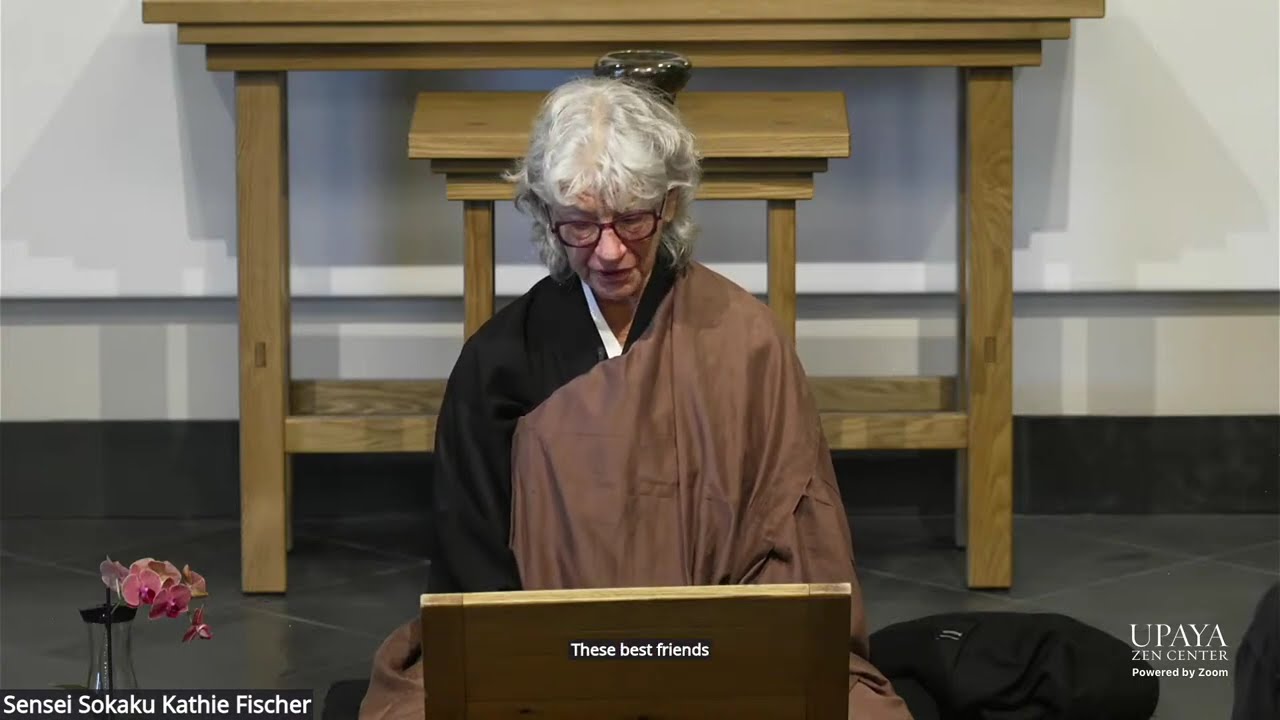
Zazen is the heart of Zen Buddhist practice—a deceptively simple yet profound method of sitting meditation that forms the foundation of contemplative life. Unlike visualization techniques or analytical meditation, zazen involves sitting upright and allowing the mind to settle into its natural state, free from deliberate manipulation or goal-oriented striving. Upaya Zen Center, a residential Buddhist contemplative community in Santa Fe, New Mexico, offers teachings on zazen practice alongside daily group meditation and dharma instruction. This guide draws on Zen training to explain what zazen actually is, how to establish the practice, and why it remains central to Buddhist monasticism and lay practice alike.

Read · 7 sections

What is zazen and how does it differ from other meditation?

Zazen literally means "seated meditation" or "just sitting." It is not a technique designed to achieve a particular mental state or reach enlightenment through effort. Rather, zazen rests on the principle that Buddha-nature is already complete—that clarity, wholeness, and wisdom are intrinsic to awareness itself. The purpose of zazen is not to acquire something new, but to stop obscuring what is already present. This distinguishes zazen from concentration practices (like breath counting) or visualization, which actively direct attention toward an object. In zazen, attention is present but not grasping; the mind is allowed to settle naturally, like sediment in still water.

Why does posture matter in Zen practice?

Zazen begins with the body. The traditional sitting position—either full lotus, half lotus, or Burmese position on a meditation cushion (zafu)—serves multiple purposes. An upright spine facilitates alertness and the free flow of breath and energy; it prevents the mind from falling into drowsiness or restless fantasy. The hands are typically placed in a mudra: the right hand rests in the palm of the left, with thumbs lightly touching at the level of the lower abdomen. This hand position, called dhyana mudra or hokkai join, contains and gathers attention naturally without strain. The eyes are traditionally left half-open, gazing downward at a 45-degree angle, which preserves awareness of the environment while reducing visual distraction. This upright, dignified posture is not mere convention—it is ergonomic wisdom developed across centuries of practice. A collapsed spine invites mental dullness; an overly tense body generates agitation. The middle way of zazen posture supports both stability and ease.

What should the mind do during zazen?

This is perhaps the most misunderstood aspect of zazen. Beginners often imagine that "real" meditation requires a perfectly blank mind—an impossible standard that leads to frustration. In zazen, thoughts and sensations naturally arise; the practice is not to banish them but to notice them without becoming lost in their narratives. When a thought appears—about the past, the future, a frustration, a memory—awareness simply notes its presence and returns to the present moment. This is not suppression or avoidance; it is gentle, non-judgmental observation. The mind is compared to the sky and thoughts to clouds: clouds come and go, but the sky itself is never affected. Some Zen teachers emphasize shikantaza (literally "just sitting"), where the meditator sits without a specific object of focus, simply present. Others recommend following the breath as an anchor, not to control breathing but to gently return attention when the mind wanders into thinking. Both approaches rest on the same understanding: the goal is presence, not blankness.

How long should a zazen session be?

Zazen practice typically occurs in sessions ranging from 20 minutes to an hour, depending on experience and setting. Monasteries often sit for 40-50 minutes at a time, with brief walking meditation (kinhin) between periods of sitting to refresh the body. For beginners establishing a home practice, 20-30 minutes daily is sufficient and more sustainable than attempting longer sits. The quality of presence matters more than duration. A focused 20-minute sitting is more valuable than an hour of fighting sleep or distraction. As the practice matures, the mind naturally settles into longer periods without restlessness. Consistency is more important than length: daily practice, even for 15 minutes, creates deeper transformation than occasional marathon sessions.

What is the relationship between zazen and daily life?

Zazen is not a retreat from the world; it is training in how to meet the world. The clarity and presence developed in sitting practice extends into activity. A mind accustomed to returning to the breath, to non-reactive awareness, becomes less reactive to stress, argument, or loss in daily life. Zen monasteries emphasize this through "working meditation" (samu), where community members clean, cook, and maintain the facility while practicing the same present-moment awareness cultivated on the cushion. The Zen saying goes: "Before enlightenment, chop wood, carry water; after enlightenment, chop wood, carry water." This means that the work itself does not change, but the consciousness bringing to it does. A person practicing zazen learns to notice when the mind contracts into worry or grasping, and to return to a broader, more spacious awareness. Over time, this becomes less a deliberate effort and more a natural way of being.

What happens when the body is uncomfortable?

Physical pain and discomfort during zazen are common, especially for new practitioners. The traditional response is to sit with it—not to ignore pain that signals injury, but to distinguish between the discomfort of stiffness (which is normal and temporary) and sharp pain indicating tissue damage (which requires adjustment). When pain or itch arises, the instruction is to notice it without moving immediately. What often happens is that the impulse to scratch or shift intensifies if resisted, but if observed without reaction, it frequently dissolves on its own. This teaches a crucial insight: much of suffering is not the sensation itself, but our resistance to it and the mental stories we build around it. That said, a practitioner should adjust posture as needed; rigid endurance is not the goal. Over time, the body acclimates, and discomfort decreases. Many students find that the first 15 minutes of sitting involve the most restlessness; by 25-30 minutes, the body settles and the mind becomes steadier.

Where to go from here

Beginning zazen practice is straightforward: a quiet space, a cushion, an upright posture, and a commitment to sitting daily. Upaya Zen Center offers online zazen practice through Zoom, allowing practitioners to join group sits and receive live instruction. Group practice amplifies individual effort through collective energy and accountability. For those seeking deeper training, Upaya offers residential programs, regular dharma talks, and access to experienced teachers. The practice of zazen is simple but not easy; the simplicity is its power. Return again and again to the breath, to the present moment, to the body sitting upright. This is the essence of Zen practice. Over weeks and months, the mind quiets, attention deepens, and a natural wisdom emerges—not because you are achieving something, but because you are allowing what already is to be fully known.

Event Dashboard
Live
$12.4K
Revenue
234
Tickets
89%
Sold
Weekly Performance↑ 23%
Cart Recovery
23 recovered
Instant Pay
No waiting
AI Insights Available
Get personalized growth tips
Try the Demo →

No signup required · Instant access

For Teachers & Guides

Be the Change.Keep the Change!

List your classes, workshops, and trainings with zero platform fees on Seva — and a free teacher profile in the directory. Keep every dollar you earn.

$0
Platform Fee
0%
Per Ticket
Unlimited
Tickets
Free
Profile
List Your Class FreeCreate Your Teacher Profile
Upaya Zen Center
AuthorUpaya Zen Center

Watch more from Upaya Zen Center on YouTube.

View profileWebsite
Explore Topics
ZazenZen-meditationSitting-practicePosture-techniqueBreath-awareness

Got Questions?

Frequently Asked Questions

Zazen is Zen sitting meditation—a practice of simply being present without manipulating the mind. Unlike concentration practices that focus on an object or visualization techniques, zazen rests on the principle that Buddha-nature is already complete; the goal is to stop obscuring clarity rather than to acquire something new.
Beginners can start with 15-30 minutes daily and build from there. Consistency matters more than duration. Many Zen practitioners sit for 40-50 minutes in formal settings, but regular 20-minute sessions create deeper transformation than occasional longer sits.
Sit upright on a meditation cushion (zafu) in full lotus, half lotus, or Burmese position. Place the right hand in the left palm with thumbs lightly touching at your lower belly (dhyana mudra). Keep eyes half-open gazing downward at 45 degrees. Upright posture prevents both drowsiness and restlessness.
In zazen, thoughts naturally arise—this is normal. The practice is to notice them without becoming lost in their stories, then gently return attention to the present moment or breath. Think of thoughts as clouds passing through the sky; the sky itself is never disturbed.
You can establish zazen practice at home with a quiet space and a meditation cushion. Group practice amplifies the work through collective energy and connection to a teacher, but consistent solo practice is valid and foundational for any Zen student.
Distinguish between normal stiffness (temporary and manageable) and sharp pain (requiring adjustment). Most discomfort lessens if observed without immediate reaction. Adjust your posture as needed; rigid endurance is not the goal. The body typically acclimates over time.
Zazen trains the mind to return to presence and non-reactivity, which extends into all activities. A mind practiced in gentle return to the breath becomes less reactive to stress, argument, or loss. This is the bridge between formal practice and "working meditation" in everyday life.

Continue Reading

More from Upaya

View All
Morning Zazen: Zen Meditation Practice Fundamentals
Inspire

Morning Zazen: Zen Meditation Practice Fundamentals

Morning zazen is foundational Zen Buddhist sitting meditation practice. This session from Upaya Zen Center teaches authentic zazen posture, …

1 min read
Morning Zazen Practice: Zen Meditation Fundamentals
Inspire

Morning Zazen Practice: Zen Meditation Fundamentals

Learn the foundations of zazen, Zen Buddhism's core sitting meditation practice, as offered at Upaya Zen Center in Santa Fe.…

1 min read
Why Self-Judgment Feels Automatic and How to Stop
Inspire

Why Self-Judgment Feels Automatic and How to Stop

Self-criticism often feels hardwired into our nervous system, but it's learned. Selena Lael explores the roots of self-judgment and offers g…

1 min read
Liberation Through Grief and Self-Worth in Buddhist Practice
Inspire

Liberation Through Grief and Self-Worth in Buddhist Practice

Br. Phap Huu explores how recognizing our inherent goodness and learning to grieve openly within community liberates us from suffering and s…

1 min read

Keep exploring

Continue your journey

More wisdom and gatherings from across the BrightStar directory.

More Articles

Browse the full library of teachings, interviews, and guides.

Back to all articles →

Teachers & Artists

Explore the lineages, musicians, and guides of the conscious world.

Explore artists →

Find an Event

Kirtan, retreats, sound baths, breathwork, festivals — happening soon.

Browse events →