You've been on seventeen dates in six months. Each one ends the same way: a polite goodbye, a text that trails off, and a quiet sense of relief. The laugh was off-putting. The conversation stalled. There was something weird about their energy. It's your prerogative, after all—nobody can fault you for knowing what you want. But after enough of these cycles, a harder question surfaces: are you actually rejecting unsuitable people, or are you running away from intimacy itself?
This is not a question about lowered standards or settling for less. It's about a psychological pattern that catches many searchers unaware: the way our deepest fears about love can masquerade as simple incompatibility. On the surface, rejecting a date seems straightforward. If someone's laugh grates on you, if their conversational habits feel tedious, if you can't imagine kissing their chin—that's authentic preference. No judgment required. But beneath the threshold of conscious awareness, something else may be operating.
Most people who are actively dating will tell you they're serious about finding love. They show up. They open the dating apps. They talk about what a partner might look like. They project genuine longing. And yet—and this is the crucial turn—a part of them may be working in absolute opposition to that stated goal, ruthlessly examining and rejecting every candidate before genuine closeness becomes possible. The conflict isn't hypocrisy; it's a collision between two truths held simultaneously: we crave love, and we're terrified of it.
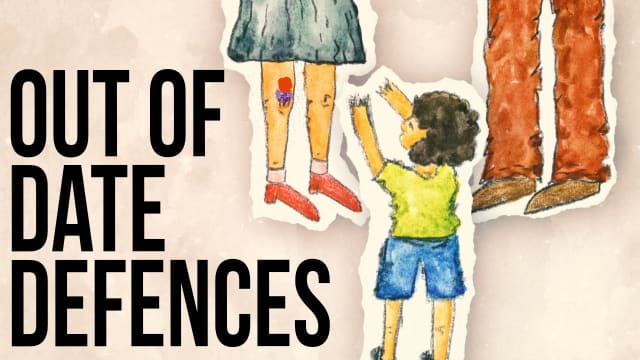
This fear doesn't arise randomly. It has a history. For many people, the earliest experiences with caregivers embedded a lesson about what proximity means. If your attachment figures were unpredictable, neglectful, intrusive, or cruel, you learned that the people who know you up close are the ones most capable of betrayal. Making yourself vulnerable didn't invite care; it invited abuse. Trusting didn't lead to safety; it led to disappointment. You internalized not just memories but a *logic*—a working hypothesis about how relationships operate—that still runs quietly beneath your dating behavior decades later.
This legacy doesn't announce itself. You're not consciously thinking, "I reject this person because I learned to fear intimacy." You simply notice, date after date, that something about them doesn't land right. Their eagerness feels cloying. Their attentiveness feels suffocating. Their interest in you reads as needy or inauthentic. The wrongness feels *real* because, from inside the pattern, it is real. The bias is not a lie; it's a filter through which you perceive reality—one shaped by your history.
There is a single, acute question that can illuminate which dynamic is actually operating. Ask yourself: if this person were *less* keen, less attentive, less enthusiastic about seeing you again, would I like them more? If the answer is no—if you can't remotely imagine why their reduced interest would change anything about the "unbudgeable problem" with their laugh or their chin—then the problem likely resides with them. They may genuinely be unsuitable. Move on.
But if the answer is yes—if you recognize, almost as soon as you ask it, that yes, strangely, you *would* like them more if they texted less often; that yes, you'd make more of an effort if they were busier; that yes, you'd even start to desire and long for them if you didn't quite pass muster in their eyes—then you're looking at something different. You're looking at an attachment mechanism, a pattern forged in childhood, that equates love with danger and solitude with safety.
This is not a character flaw. It's a survival strategy that worked once. When the people around you were unreliable or harmful, maintaining emotional distance was adaptive. Rejecting closeness before it could be forced upon you was rational self-protection. But that logic, however sound it was in your family of origin, has now become the architecture of your romantic failures.
What makes this pattern so stubborn is that it doesn't feel like a choice. It feels like taste, like discernment, like knowing what you deserve. The person who finds themselves rejecting a string of genuinely kind, capable, interested partners isn't lying when they say they want love. They're simply unconsciously loyal to the only state they associate with safety: solitude. And the mind will generate excellent reasons to maintain that loyalty—reasons that sound like preference and wisdom rather than fear.
The shift, when it happens, is seismic. It occurs when you've learned enough about your own history to tolerate what previously felt intolerable: another person's genuine goodness directed toward you. When you can take kindness at face value instead of scanning it for traps. When you can accept someone's curiosity about you without experiencing it as an invasion. When you recognize that the real problem may not lie with them for liking you, but with your past for not allowing you to tolerate another's affection.
This is not something that happens overnight. It's the work of therapy, self-reflection, and often the patient accumulation of small experiences that slowly revise your nervous system's understanding of what intimacy means. But the diagnostic question—would you like them more if they pulled away?—offers a clear entry point. It's a way to look directly at the pattern without judgment, to see whether you're making a sound choice or unconsciously protecting an old wound.
If you find yourself repeatedly single despite genuine effort, consider sitting with that question in real time on your next date. Notice what comes up. If you're rejecting someone for concrete, specific reasons—incompatible values, misaligned life goals, genuine lack of chemistry—that's valid data and worth trusting. But if you notice that the reasons feel nebulous, that your discomfort peaks precisely when they show most interest, or that you feel relief rather than sadness when things end, that's a different kind of signal. It may be time to turn your attention inward, to explore what you learned about love in your earliest relationships, and to ask what would it take to feel safe enough to let someone in. The dating apps will still be there. But so will the pattern—unless you decide to meet it, understand it, and finally let it go.