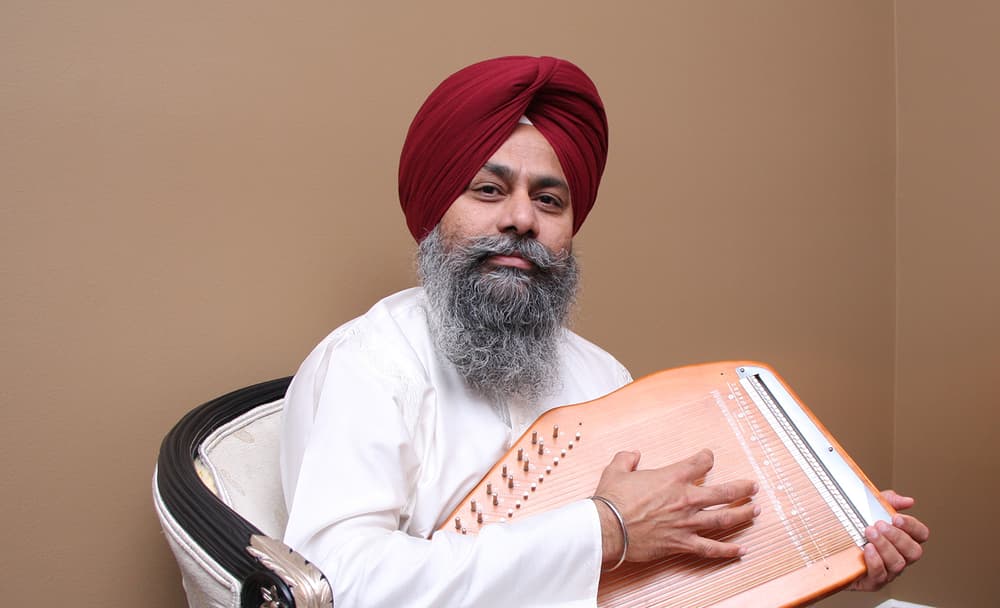
Voice yoga is a accessible vocal practice that combines humming scales and extended Om chanting to generate soothing vibrations throughout the body. This practice requires no prior musical training and uses simple techniques—humming on the B scale and sliding Om tones from B to F# and back—to deepen breath awareness, calm the nervous system, and access the healing resonance of sound. The practice invites practitioners to sit comfortably, breathe deeply, and allow vocal vibrations to relax and soothe the entire system.
What is voice yoga and how does it differ from other vocal practices?
Voice yoga represents a somatic approach to sound that prioritizes the felt experience of vibration and breath integration over musical performance. Unlike conventional singing lessons focused on technique or pitch accuracy, voice yoga treats the voice as a direct tool for nervous system regulation and embodied awareness. The practice acknowledges that sound, when produced with conscious breath and relaxed intention, generates physical vibrations that cascade through the body and can induce deep states of calm and relaxation.
The simplicity of voice yoga makes it fundamentally different from more complex vocal traditions. There is no requirement to learn complex melodies, master difficult intervals, or achieve a particular aesthetic standard. Instead, the practice invites anyone—regardless of musical background—to explore how their own voice, when sustained and attended to with presence, becomes a vehicle for self-soothing and embodied awareness. The focus remains entirely on the sensory and energetic experience rather than on producing a "good" sound.
How do you perform humming on the B scale in voice yoga?
The first segment of basic voice yoga practice involves humming sustained notes on the B scale. This technique begins with finding a comfortable seated position and establishing a calm, natural breath rhythm. The practitioner then produces a sustained humming sound on the note B, allowing the vibrations to resonate throughout the head, sinuses, and face. The humming should be continuous and gentle—not forced or strained—with the mouth gently closed and the sound resonating through the nasal passages and facial bones.
The key to effective B-scale humming lies in maintaining consistent breath support while remaining relaxed. Rather than pushing the voice, the practice asks the vocalist to sustain the tone with minimal effort, paying close attention to where in the body the vibrations are felt. Many practitioners report sensations of tingling or vibration in the face, head, and upper body. The humming can be sustained for as long as feels comfortable on a single breath, then released, followed by another deep breath and repetition. The simplicity of this technique—one note, one vowel sound—removes technical obstacles and allows direct focus on the vibrational experience.
What is the significance of sliding Om tones in voice yoga practice?
The second segment involves extended Om chanting with a unique sliding movement between two pitches: B and F#. This technique asks the vocalist to sustain a deep Om sound and gradually allow the pitch to slide downward from B to F#, then back upward from F# to B. The sliding motion—rather than jumping between fixed pitches—creates a continuous, flowing stream of sound that many practitioners find deeply meditative and soothing.
Om itself carries significance in yogic and contemplative traditions as a primordial sound associated with the fabric of existence. When extended and combined with conscious breathing, Om tones activate the throat chakra and resonate through the central energy channel of the body. The specific interval between B and F# creates a musical relationship that may harmonize with natural resonant frequencies in the body. The "long deep Om's" described in the practice suggest sustained exhalations where the sound is produced not from tension but from a relaxed, open throat and deep belly breath. This generates a profound vibration that can be felt throughout the entire torso.
How does breath awareness connect to voice yoga?
Breath is the foundation of voice yoga. The practice explicitly invites practitioners to "breathe deep" before and during sound production. Each vocal technique—whether humming or Om chanting—is supported by conscious, full breathing. The voice itself is merely the amplification of the exhale; without deep, steady breath, the practice becomes strained and loses its relaxing quality.
The instruction to "sit comfortably" and "breathe deep" at the outset establishes the somatic conditions necessary for the practice to work. A tense body or shallow breath will produce tight, constricted sound. Conversely, when the practitioner settles into an upright but relaxed posture and draws breath deeply into the belly, the resulting vocal vibrations feel fuller, more resonant, and more soothing. The practice essentially trains practitioners to associate voice production with deep, relaxed breathing—a pattern that over time can help rewire the nervous system's default breathing habits.
What physical sensations should you expect from voice yoga vibrations?
The practice explicitly describes relying on "soothing vibrations" as the primary mechanism of effect. These vibrations are not imagined but directly felt. When humming on the B scale, practitioners typically report sensations in the face, sinuses, head, and sometimes down the spine. The high-frequency vibrations created by humming seem to target the upper body and activate cranial bones and facial structures.
Sliding Om tones tend to generate deeper, lower-frequency vibrations felt more prominently in the chest, throat, and belly. Many practitioners describe a sense of the entire torso "buzzing" or "resonating" during extended Om practice. These vibrations are not painful or uncomfortable; the practice emphasizes "deeply enjoying" the sensations. The vibrational experience is central to voice yoga's effectiveness—it is not a byproduct but the essential mechanism through which the nervous system is invited to relax and the mind is drawn into present-moment awareness.
Is prior musical training required for voice yoga practice?
No. The practice is explicitly described as "very easy to follow" and requires zero musical prerequisites. The techniques use single notes and simple intervals, and the instructions are straightforward: sit, breathe, hum or chant Om. There is no expectation of perfect pitch, beautiful tone quality, or musical musicality. The practice is entirely non-judgmental about how the voice sounds.
This accessibility is intentional. Voice yoga democratizes the use of sound for healing and relaxation by removing the barrier of musical skill. Whether someone has sung in a choir, played an instrument, or never produced a deliberate sound in their life, they can practice voice yoga immediately. The only requirement is the willingness to sit, breathe consciously, and sustain a sound while paying attention to the sensations that arise. This makes voice yoga available to virtually anyone seeking a simple, embodied practice for nervous system relaxation and deepened presence.
How does voice yoga fit into a broader yoga or contemplative practice?
Voice yoga represents an application of nada yoga—the yoga of sound—within a modern, accessible format. In classical yoga philosophy, sound (nada) is considered a direct path to liberation and self-realization. Nada yoga traditionally includes practices like listening to internal sounds, chanting mantras, and exploring the relationship between vibration and consciousness. Voice yoga extracts the core mechanism—using one's own voice to generate vibrations and access states of relaxation and presence—and presents it in a simplified, secular form accessible to anyone.
As a complement to other yoga practices, voice yoga strengthens breath awareness and nervous system regulation. It can be performed independently in just a few minutes or incorporated as a closing or opening segment of a longer yoga session. The practice naturally calms the mind because sustained vocalization combined with deep breathing naturally downregulates the nervous system, similar to the effects of extended pranayama (breath work). Additionally, voice yoga cultivates a more intimate, felt relationship with one's own body and breath—qualities that deepen all yoga and contemplative practice.
Where to go from here
Voice yoga is most effectively practiced regularly, even in brief sessions. Setting aside five to ten minutes several times per week to engage in humming scales and Om tones will deepen the felt sense of vibration and relaxation over time. Start with the techniques described—B-scale humming followed by sliding Om tones—and notice where in your body you feel vibrations. Gradually extend the duration of your sustained tones as your breath capacity and comfort increase. Over weeks of practice, you may notice improved breathing habits, greater calm in daily life, and a more embodied sense of presence. Consider exploring other forms of nada yoga and mantra practice as your comfort with vocalization deepens. Recording yourself practicing can also help you track whether your sustained tones become fuller, steadier, and more resonant over time.


