BrightStar

Parcourir tous les Events

Découvre des rassemblements conscients

events

Yoga
Meditation
Breathwork
Qigong
Tai Chi
Sacred Music
World Music
Medicine Music
Sound Healing
Ecstatic Dance
Destinations populaires
BaliSedonaLos AngelesCosta RicaNew YorkSan FranciscoAustinMiamiJoshua TreeTulum
Voir toutes les catégoriesVoir toutes les destinations

Explorer toutes les fonctionnalités

Des outils puissants pour développer tes événements

Fonctionnalités de la plateforme

Tarification dynamique intelligente
Catégories de billets
Places assignées
Récupération des paniers abandonnés
Récupération des visiteurs
Dons & Prix variables
Système d'affiliation
Scanner de billets
Codes promo
Questions personnalisées
Partage de billets
Ventes additionnelles & Options
Analyses & Rapports
Séquences d'emails
Liste d'attente / Notifier / Rappeler
Personnes & Lieux
Artists & TeachersEvent OrganizersVenues & StudiosKnowledge BaseGlossaryInspiration
Voir toutes les fonctionnalitésÀ propos
TarifsBlog
Language
Saved events
Parcourir tous les événements

events

YogaMeditationBreathworkQigongTai ChiSacred MusicWorld MusicMedicine Music

Destinations populaires

BaliSedonaLos AngelesCosta RicaNew YorkSan Francisco

Personnes & Lieux

Artists & TeachersEvent OrganizersVenues & StudiosKnowledge BaseGlossaryInspiration

Fonctionnalités de la plateforme

Tarification dynamique intelligenteCatégories de billetsPlaces assignéesRécupération des paniers abandonnésRécupération des visiteursDons & Prix variablesSystème d'affiliationScanner de billetsCodes promoQuestions personnaliséesPartage de billetsVentes additionnelles & OptionsAnalyses & RapportsSéquences d'emailsListe d'attente / Notifier / Rappeler
Voir toutes les fonctionnalitésÀ propos
TarifsBlog
ConnexionChercheursCréateurs
  • Parcourir tous les Événements
  • Pour les chercheurs
  • Yoga
  • Méditation
  • Breathwork
  • Qi gong
  • Tai-chi
  • Musique sacrée
  • Musiques du monde
  • Musique médecine
  • Soins sonores
  • Danse extatique
  • Retraites
  • Ateliers
  • Toutes les catégories →
  • Bali
  • Sedona
  • Los Angeles
  • Costa Rica
  • Tulum
  • Byron Bay
  • San Francisco
  • Austin
  • New York
  • San Diego
  • Denver
  • Seattle
  • Portland
  • Miami
  • Toutes les villes →
  • Join the Movement
  • Why we list
  • Sell Globally
  • Pour les créateurs
  • Pour les équipes
  • Pour les écrivains
  • Pour les enseignants
  • Pour les artistes de kirtan
  • Pour les studios
  • Pour les festivals
  • Pour les centres de retraite
  • Pour les associations
  • Ambassadeur de marque
  • Études de cas
  • Billetterie gratuite
  • Elevate
  • Amplify
  • Réseau de 500K+ acheteurs
  • Récupération des paniers abandonnés
  • Tarification dynamique intelligente
  • Catégories de billets
  • Événements récurrents
  • Places assignées
  • Système d'affiliation
  • Liste d'attente / Notifier
  • Scanner de billets
  • Widget intégrable
  • Diffusion d'événements
  • Messagerie
  • Intégrations
  • Rapports
  • Toutes les fonctionnalités →
  • À propos
  • L'écosystème
  • Blog
  • Glossaire
  • Inspiration
  • Centre d'aide
  • Contact
  • Documentation API
  • Ressources de marque
  • Carrières
  • Presse
  • Conditions d'utilisation
  • Politique de confidentialité

Événements

  • Parcourir tous les Événements
  • Pour les chercheurs
  • Yoga
  • Méditation
  • Breathwork
  • Qi gong
  • Tai-chi
  • Musique sacrée
  • Musiques du monde
  • Musique médecine
  • Soins sonores
  • Danse extatique
  • Retraites
  • Ateliers
  • Toutes les catégories →

Destinations

  • Bali
  • Sedona
  • Los Angeles
  • Costa Rica
  • Tulum
  • Byron Bay
  • San Francisco
  • Austin
  • New York
  • San Diego
  • Denver
  • Seattle
  • Portland
  • Miami
  • Toutes les villes →

Pour les créateurs

  • Join the Movement
  • Why we list
  • Sell Globally
  • Pour les créateurs
  • Pour les équipes
  • Pour les écrivains
  • Pour les enseignants
  • Pour les artistes de kirtan
  • Pour les studios
  • Pour les festivals
  • Pour les centres de retraite
  • Pour les associations
  • Ambassadeur de marque
  • Études de cas
  • Billetterie gratuite
  • Elevate
  • Amplify

Fonctionnalités

  • Réseau de 500K+ acheteurs
  • Récupération des paniers abandonnés
  • Tarification dynamique intelligente
  • Catégories de billets
  • Événements récurrents
  • Places assignées
  • Système d'affiliation
  • Liste d'attente / Notifier
  • Scanner de billets
  • Widget intégrable
  • Diffusion d'événements
  • Messagerie
  • Intégrations
  • Rapports
  • Toutes les fonctionnalités →

Entreprise

  • À propos
  • L'écosystème
  • Blog
  • Glossaire
  • Inspiration
  • Centre d'aide
  • Contact
  • Documentation API
  • Ressources de marque
  • Carrières
  • Presse
  • Conditions d'utilisation
  • Politique de confidentialité
BrightStar
© 2026 BrightStar. Tous droits réservés.
Inspiration

The Practice of Settling: Guided Vipassana for Modern Life

Hugh Byrne
Hugh Byrne
Aug 3, 2014
8 min de lecture
À regarder · 7

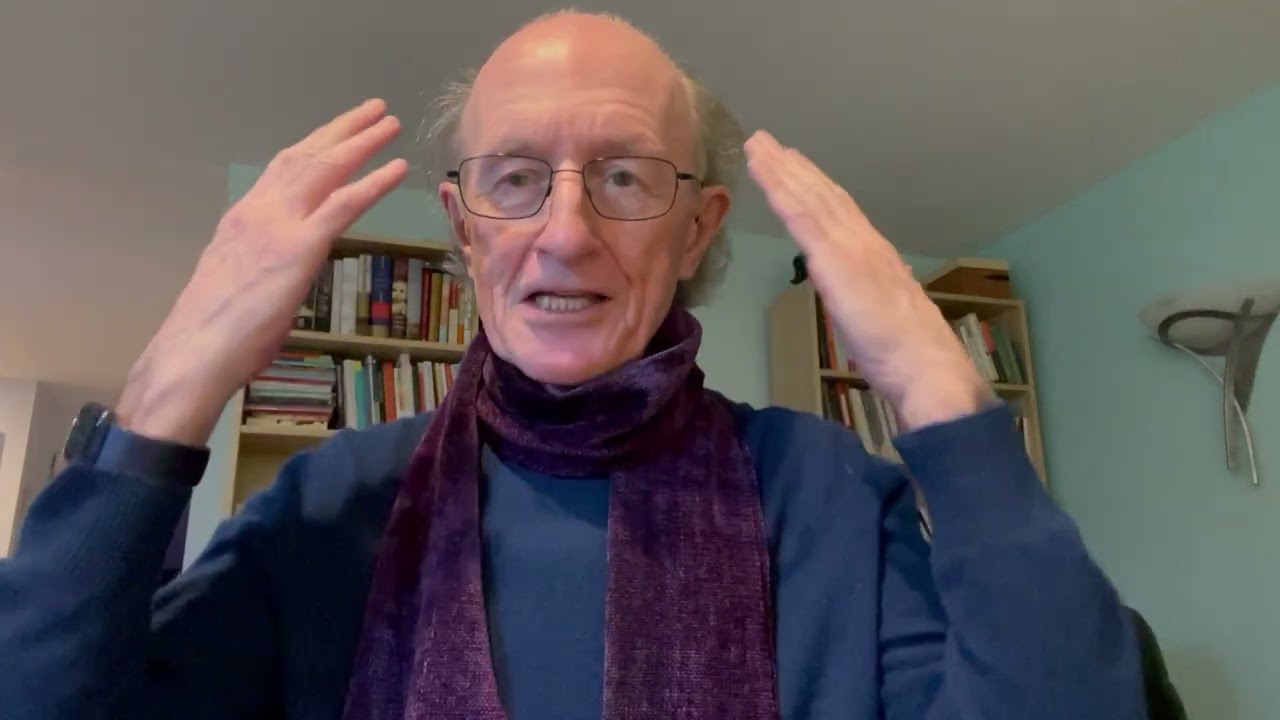
The room darkens. Sixty people settle into chairs and cushions. A meditation teacher pauses for a moment, then speaks simply: "Not to say very much, but what we'll do is begin with a period of meditation, then a talk." What follows is neither mystical nor obscure. It's a methodical journey through the architecture of the mind and body, using tools as concrete as breath and as subtle as attention. Over the next twenty-three minutes, the guide walks the group through a progressive relaxation designed to shift the nervous system from its habitual defensive posture into openness and presence. The sequence isn't haphazard. Each instruction builds on the last, like a musician layering instruments into a composition. The result is a practice that works at once on physiology, psychology, and spirit—a complete reorientation of how we meet our own experience.

Lecture · 6 sections

Why settle before you practice?

The session begins with an assessment of the room. The teacher checks in: Who's new to meditation? Who's been practicing for years? This acknowledgment is itself a teaching—recognition that meditation isn't one thing, but a spectrum of depths and familiarity. Then comes the first invitation: find a comfortable posture, back straight, shoulders relaxed. Eyes gently closed, or soft gaze ahead.

This simplicity masks sophistication. Posture isn't decoration in vipassana practice. It sends a message to the nervous system before a single conscious thought can articulate it. A straight back signals alertness without tension. Relaxed shoulders signal safety. Most people arrive wound tight—their day compressed into muscle and fascia, their nervous system locked in a low-grade fight-or-flight response. Posture is the first intervention, a somatic reset that precedes words.

Then comes deep breathing: full in-breaths that fill the body, momentary pauses, then slow releases. The instruction is deceptively simple—"breathing in, calming the body; breathing out, calming the mind"—but the mechanism is what matters. These full, conscious breaths activate what neuroscientists call the parasympathetic nervous system, the "rest-and-digest" mode that stands in direct opposition to the sympathetic "fight-or-flight" state most people inhabit.

The teacher names this explicitly: "Just shifting from the fight-or-flight mode into the rest and digest mode—from the sympathetic to the parasympathetic nervous system." He's not waxing poetic. He's describing a measurable physiological shift. A long exhale, in particular, signals safety to the body—the nervous system reads it as a sign that the threat has passed, that vigilance can relax. What's striking about this teaching is its integration of ancient practice with modern neuroscience. Vipassana meditation, with roots reaching back twenty-five centuries, didn't have names for the parasympathetic nervous system. But its practitioners knew something fundamental: calm the body, and the mind follows.

What happens when you scan your own body?

After the breathing settles into its natural rhythm, attention shifts inward. The teacher introduces the body scan: "Let your awareness come into the body and you might just briefly scan your body—notice if there's any area where you're holding tension." The scan isn't a relaxation exercise in the modern spa sense. It's an investigation, a deliberate bringing of attention to places usually left in shadow.

He guides awareness toward the shoulders, the belly, the jaw—any place where tension has accumulated, often below conscious awareness. A pocket of tightness in the neck. Clenched abdominal muscles from stress or hurry. A locked jaw from unexpressed emotion. Most people don't notice these tensions until someone draws attention to them. The holding has become so familiar it's invisible.

But then comes something elegant: rather than fight the tension or try to force relaxation, the instruction is to breathe into the area and "allow a natural softening to happen." This reflects a core insight in body-based meditation—that force creates resistance. Attention itself, when held without judgment, can dissolve habitual holding patterns. The breath becomes an instrument of gentle inquiry rather than aggressive change. It's the difference between wrestling your body into submission and inviting it into collaboration.

How can a smile change your nervous system?

Then comes an instruction that might seem almost whimsical but carries real neurological weight: "Invite a smile or half-smile to the corners of the eyes and the mouth." The teacher explains why: "The smile sends a message to the nervous system that we can relax, we don't have to be vigilant." This isn't motivational cheerfulness. It's somatic feedback, a feedback loop that runs from face to body rather than body to face.

The facial muscles, particularly around the eyes and mouth, are wired directly into the nervous system's threat-assessment circuitry. A genuine smile (even a half-smile, even a small one) sends a signal downward to the body that safety exists. The face and nervous system speak the same language. This is why forced positivity doesn't work—the nervous system can tell the difference between a genuine smile and a performance. But a real half-smile, even a modest one, has genuine power. The body receives the message and the sympathetic activation begins to ease.

What does the body actually tell us about presence?

By this point in the meditation—roughly six minutes in—the group has moved through a complete neurophysiological reset. The nervous system has been downregulated. Muscle tension has softened. The instruction has been almost entirely physical. But now the teaching shifts, from body to mind, though the body remains the anchor.

The teacher invites practitioners to choose a meditation object—perhaps the breath, perhaps sensation in the body, perhaps the ambient sounds in the room. "Just meeting the breath as it is without controlling it or changing it—breathing in knowing you're breathing in, breathing out knowing you're breathing out." The instruction is to rest awareness there, to let attention settle like a bird landing on a branch.

Then the inevitable happens: attention wanders. Thoughts arise. Plans, memories, daydreams, internal conversations take over. The mind does what minds do. This is where many new meditators feel they've failed. They came to meditate and ended up thinking. They think they're doing it wrong.

But the teacher reframes it entirely: "Developing a friendly relationship with thought is knowing that thinking isn't a problem in meditation, just something to be noticed. When our attention moves into stories, to wake up and then choose to be present, choose to be here." Thought isn't the enemy. Unconsciousness is. The practice isn't about achieving a blank mind—an impossible and undesirable goal. It's about noticing when awareness has left the present moment and gently, kindly bringing it back. This happens hundreds of times in a sitting. Each return is not a failure but a successful moment of waking up. The practice is built on these small awakenings, not on the absence of thought.

Can you really meet your experience without resistance?

The meditation moves toward its close with a deepening of attitude. The teacher checks in: "Notice where your attention is right now. And just coming back when you wake up out of perhaps a story or planning or remembering or daydreaming." Then the crucial move: "Check in too with your attitude and ask the question: how am I meeting this moment, this experience?"

This is the culmination. The body has been settled. The nervous system has been shifted. Attention has been trained. Now comes the orientation that transforms all of this from technique into genuine practice. Rather than pushing away what's uncomfortable or clinging to what feels good, the instruction is to welcome it all—sensations, emotions, mind states, the sounds of the world—with openness and friendliness.

The teacher invokes Dorothy Hunt, a contemporary Dzogchen teacher: "This moment in the heart space where everything that is, is welcome. This moment in the heart space where everything that is, is welcome." This isn't sentimental. It's a profound reorientation. Most of human suffering stems not from what we experience but from our resistance to it. A headache is uncomfortable; fear of the headache creates suffering. Loneliness is difficult; shame about loneliness compounds it. Grief is painful; the belief that grief means something is wrong intensifies the pain. The practice of welcoming—of meeting experience with curious kindness rather than defensive contraction—is a subtle but complete reversal of our habitual strategy. It's the opposite of everything the nervous system trained us to do to survive.

Where to go from here

The sequence offered here—settling, scanning, focusing, observing, welcoming—can become your own daily practice. Start with five or ten minutes. The breath is always available; the body is always present. As with any skill, consistency matters more than duration. A ten-minute practice done daily will serve you far better than occasional longer sits.

If you're drawn to vipassana practice more deeply, seek out a local meditation group or center that offers instruction and community sitting. The teaching continues to evolve—contemporary teachers integrate modern neuroscience with classical Buddhist psychology, making ancient wisdom accessible to minds shaped by contemporary science. Weekly classes, daylong programs, and retreat periods deepen the practice in ways solo sitting cannot. There's something about practicing in a room with others, surrounded by the collective intention to be present, that catalyzes the teaching.

This is not a practice that demands belief. It doesn't require you to accept any philosophy or join any tradition. It demands only willingness to notice what's true—what's actually present in your own body and mind right now. The nervous system responds to the breath whether or not you believe it will. The body softens when attention meets it with kindness. Thought settles when you stop fighting it. The heart opens when you stop defending against your own experience. These are not theories. They're discoveries you can make yourself, in your own sitting, beginning today.

Comments

Loading the conversation…

Transcript

[0:07] yeah I think not to say very much but

[0:09] what we'll we'll do as I understand you

[0:13] do here and what we do in Washington we

[0:15] begin with a period of meditation little

[0:18] bit of a break and then uh and then a

[0:22] talk and um the theme of the talk this

[0:25] evening is um I'll tell you when we get

[0:28] there um

[0:31] um so let's begin with um with a a set

[0:36] maybe before we do just to check in

[0:38] anyone completely new to meditation

[0:41] hasn't really practiced before um

[0:44] relatively new looks like I got a I know

[0:48] many of you have been practicing uh many

[0:51] many years many decades so uh bear that

[0:54] in mind in uh in guiding the meditation

[0:57] so um certain amount of talking certain

[1:00] amount of silence so if you just like to

[1:03] begin by finding a relaxed and

[1:05] comfortable

[1:08] posture let the back straight and the

[1:10] shoulders

[1:17] relaxed yeah if um if it's comfortable

[1:20] for you you can let your eyes gently

[1:23] close and allow your attention to come

[1:27] inward bringing the mind and the the

[1:30] body body

[1:34] together if you prefer you to keep your

[1:37] eyes open just keep your gaze soft maybe

[1:40] uh looking a few feet ahead of

[1:52] you I'd like to begin a a sitting with

[1:57] um with some basic very simple practices

[2:02] of calming the body and the

[2:07] mind as we know it's very hard to open

[2:11] to our experience when when we're tight

[2:15] or tense or stressed so taking a few

[2:18] minutes to relax and settle can be very

[2:22] helpful at the beginning of a sitting

[2:23] and just a few simple things we can do

[2:27] one is just take some full breaths so

[2:29] you might just take a deep in

[2:32] breath just filling the body with the

[2:34] breath and then pausing momentarily and

[2:38] then just slowly releasing the

[2:44] breath deep in

[2:47] breath

[2:49] relaxing

[2:51] releasing on the out

[2:54] breath just a few more of these full

[2:58] deep breaths

[3:03] imagine you're releasing any stresses

[3:06] any

[3:07] tension from the day just letting

[3:11] it be

[3:13] released as you breathe in you might

[3:15] invite in a quality of

[3:19] calm calm as you breathe

[3:21] in and calm as you breathe

[3:28] out breathing in

[3:31] calming the

[3:33] body breathing

[3:35] out calming the

[3:43] mind it's helpful to remember too that

[3:47] if we get tight or tense in the sitting

[3:50] or in daily life just that we can come

[3:52] back and take a few full

[3:54] breaths just shifting from the fight off

[3:58] light mode into the rest and digest mode

[4:02] from the sympathetic to the

[4:05] parasympathetic nervous

[4:08] system just having just by using the

[4:11] breath coming back to a deep full

[4:17] breath and when you're ready just

[4:19] letting the breath settle into

[4:22] its natural

[4:28] rhythm breae in in a relaxed and easy

[4:39] way now just let your awareness come

[4:42] into the body

[4:44] and you might just briefly scan your

[4:47] body notice if there's any area where

[4:50] you're holding tension perhaps clenching

[4:54] your

[4:56] muscles there might be an area where

[4:59] tension is build built up and you're not

[5:02] really aware of it until you just move

[5:06] the attention through the

[5:09] body and if you do come to a pocket of

[5:12] tightness or tension or holding just

[5:15] pause there and breathing in a relaxed

[5:18] way if you can just allow a

[5:20] natural softening to happen

[5:36] you might pay attention to areas where

[5:39] we tend to hold tension the

[5:43] shoulders just letting the shoulders

[5:45] relax feeling gravity pulling you down

[5:47] to the

[5:52] Earth the belly where we tend to clench

[5:56] the muscles if we're stressed or busy or

[5:58] in a hurry

[6:01] so let the belly be relaxed at

[6:04] ease let the breath come into a

[6:08] relaxed open

[6:22] belly just check out if there's any area

[6:25] where you could just relax and soften a

[6:28] little bit more

[6:48] and you might invite a smile or half

[6:51] smile to

[6:53] the corners of the eyes and the

[6:59] mouth the smile sends a message to the

[7:02] nervous system that we can relax we

[7:05] don't have to be

[7:20] vigilant and the smile can be a an

[7:24] expression of how we how we might choose

[7:28] to meet our EXP

[7:32] experience meeting whatever is arising

[7:35] with an attitude

[7:38] of

[7:40] welcoming allowing our experience to be

[7:43] as it is meeting it with a

[7:45] smile or the half

[7:57] smile just notice what's present for you

[8:00] as we begin this

[8:03] evening odly

[8:07] Sensations

[8:09] emotions mind States

[8:19] mood whatever's coming in from the world

[8:22] around us to see if you can welcome it

[8:25] all bring an attitude of friendliness

[8:30] and kindness to whatever is present

[8:32] whatever is

[8:34] appearing appearing and disappearing

[9:13] you might let your attention rest

[9:15] wherever what in whatever part of your

[9:18] experience helps you to to be present to

[9:22] be

[9:23] here might be in awareness of your

[9:25] breathing

[9:30] the sensations of the in breath and the

[9:32] out

[9:35] breath or paying attention at some other

[9:39] area of the body sensations of the

[9:44] body or opening to The Sounds around

[9:49] us whatever

[9:53] helps ground you in this present moment

[9:57] being here now

[10:02] and if you're newer to the practice it

[10:04] might be a helpful thing just to to be

[10:07] aware of the the in breath and the out

[10:11] breath bringing mindfulness to the

[10:23] breath just meeting the breath as it is

[10:26] without controlling it or changing it

[10:30] breathing

[10:31] in knowing you're breathing

[10:35] in breathing out knowing you're

[10:39] breathing

[10:58] out

[11:28] e

[11:58] for

[12:28] e

[12:58] e

[13:28] for

[13:58] for

[14:28] e e

[15:22] when when your

[15:24] attention moves

[15:26] from your meditation object your f Focus

[15:30] the breath or the body or the sounds

[15:32] into thought into planning or

[15:37] remembering

[15:39] daydreaming internal

[15:43] conversations just pay attention to that

[15:45] moment when you wake up out of

[15:49] thought just acknowledge recognize being

[15:53] awake and then just letting the

[15:55] attention come back to your focus

[15:59] breath of the body of

[16:08] sound and developing a friendly

[16:11] relationship with thought is knowing

[16:14] that thinking isn't a problem in

[16:17] meditation just something to be

[16:20] noticed when our attention moves into

[16:27] stories to wake up and then choose to be

[16:30] present choose to be

[16:58] here

[17:28] e

[17:58] e

[18:28] for

[18:58] for

[19:28] e

[19:58] e e

[20:45] notice where your attention is right now

[20:49] and just coming

[20:52] back when you wake up out of perhaps a

[20:56] story or planning or remembering or

[21:01] daydreaming you might just check in too

[21:04] to with your

[21:07] attitude and ask the question how am I

[21:11] meeting this moment this

[21:14] experience just notice if there's any

[21:18] maybe subtle resistance

[21:20] to anything right now any tightening up

[21:24] or pushing away

[21:32] and see if it's possible to meet that

[21:37] meet whatever's present

[21:39] with

[21:41] kind openhearted curious

[21:52] attention as Dorothy hunt says pieces

[21:56] this moment without judgment

[22:01] this moment in the heart space where

[22:04] everything that is is

[22:07] welcome this moment in the heart space

[22:10] where everything that is is

[22:28] welcome

[22:57] e e

Hugh Byrne
ArtistHugh Byrne

Hugh Byrne, PhD, is a meditation teacher and author of The Here-and-Now Habit and Habit Swap, and a lead teacher at the Insight Meditation Community of Greater Washington.

Voir le profilSite web
Explorer les thèmes
Breath-workVipassana-meditationNervous-systemBody-awarenessMindfulness

Des questions ?

Questions fréquemment posées

Deep breaths activate the parasympathetic nervous system, your body's rest-and-digest mode. A longer exhale especially signals safety to the nervous system, shifting you out of fight-or-flight and allowing tension to release naturally.
Yes—and it's not failure. The practice isn't achieving a blank mind; it's noticing when attention has wandered and gently returning it. Each moment of waking up to distraction is itself a successful moment of practice.
A body scan brings awareness into present sensation. By moving attention through areas of tension—shoulders, belly, jaw—you notice where stress is held unconsciously. Breathing into these areas allows natural softening without force.
Yes. A half-smile sends signals from facial muscles to your nervous system that you're safe and don't need to be vigilant. It's a direct somatic feedback loop—your face communicates to your body to relax.
Welcoming means meeting whatever arises—sensations, emotions, thoughts, sounds—with open, curious kindness rather than resistance. Instead of pushing away discomfort or clinging to pleasure, you befriend all of it without judgment.
Vipassana, or insight meditation, develops clear awareness of what's present without trying to change it. Rather than focusing purely on concentration, it includes observing thoughts, emotions, and bodily sensations as they naturally arise and pass.
Begin with just five to ten minutes in a comfortable upright posture. Use the breath as your anchor—simply notice the in-breath and out-breath. When your mind wanders, gently return to the breath. Consistency matters far more than duration.

Continuer la lecture

More from Hugh

Voir tout
Mindfulness Without Judgment: The Core Practice of Presence
Inspire

Mindfulness Without Judgment: The Core Practice of Presence

A six-minute guided meditation that teaches how to meet this moment—body, emotions, breath—with kindness instead of judgment. Learn the prac…

1 min read
Poetry as a Bridge to Direct Experience in Meditation
Inspire

Poetry as a Bridge to Direct Experience in Meditation

Poetry bypasses conceptual thought to deepen meditation, opening practitioners to direct experience and heart-centered presence.…

1 min read
Nice vs. Loving Kindness: Why Being Kind Starts Inside
Inspire

Nice vs. Loving Kindness: Why Being Kind Starts Inside

Most people who resolve to be kinder find the resolve slipping within days. Eckhart Tolle's short talk on loving kindness argues the fault i…

1 min read
Spiritual Imagination as a Force for Healing and Change
Inspire

Spiritual Imagination as a Force for Healing and Change

Imagination rooted in presence can heal judgment and reshape relationships; fear narrows it. Tara's teaching, its stories and its practices,…

1 min read

Continue d’explorer

Poursuis ton chemin

Plus de sagesse et de rassemblements dans tout l’annuaire BrightStar.

Plus d’articles

Parcours toute la bibliothèque d’enseignements, d’entretiens et de guides.

Retour à tous les articles →

Enseignants et artistes

Découvre les lignées, les musiciens et les guides du monde conscient.

Explorer les artistes →

Trouver un événement

Kirtan, retraites, bains sonores, breathwork, festivals — bientôt près de chez toi.

Parcourir les événements →

