BrightStar

Parcourir tous les Events

Découvre des rassemblements conscients

events

Yoga
Meditation
Breathwork
Qigong
Tai Chi
Sacred Music
World Music
Medicine Music
Sound Healing
Ecstatic Dance
Destinations populaires
BaliSedonaLos AngelesCosta RicaNew YorkSan FranciscoAustinMiamiJoshua TreeTulum
Voir toutes les catégoriesVoir toutes les destinations

Explorer toutes les fonctionnalités

Des outils puissants pour développer tes événements

Fonctionnalités de la plateforme

Tarification dynamique intelligente
Catégories de billets
Places assignées
Récupération des paniers abandonnés
Récupération des visiteurs
Dons & Prix variables
Système d'affiliation
Scanner de billets
Codes promo
Questions personnalisées
Partage de billets
Ventes additionnelles & Options
Analyses & Rapports
Séquences d'emails
Liste d'attente / Notifier / Rappeler
Personnes & Lieux
Artists & TeachersEvent OrganizersVenues & StudiosKnowledge BaseGlossaryInspiration
Voir toutes les fonctionnalitésÀ propos
TarifsBlog
Language
Saved events
Parcourir tous les événements

events

YogaMeditationBreathworkQigongTai ChiSacred MusicWorld MusicMedicine Music

Destinations populaires

BaliSedonaLos AngelesCosta RicaNew YorkSan Francisco

Personnes & Lieux

Artists & TeachersEvent OrganizersVenues & StudiosKnowledge BaseGlossaryInspiration

Fonctionnalités de la plateforme

Tarification dynamique intelligenteCatégories de billetsPlaces assignéesRécupération des paniers abandonnésRécupération des visiteursDons & Prix variablesSystème d'affiliationScanner de billetsCodes promoQuestions personnaliséesPartage de billetsVentes additionnelles & OptionsAnalyses & RapportsSéquences d'emailsListe d'attente / Notifier / Rappeler
Voir toutes les fonctionnalitésÀ propos
TarifsBlog
ConnexionChercheursCréateurs
  • Parcourir tous les Événements
  • Pour les chercheurs
  • Yoga
  • Méditation
  • Breathwork
  • Qi gong
  • Tai-chi
  • Musique sacrée
  • Musiques du monde
  • Musique médecine
  • Soins sonores
  • Danse extatique
  • Retraites
  • Ateliers
  • Toutes les catégories →
  • Bali
  • Sedona
  • Los Angeles
  • Costa Rica
  • Tulum
  • Byron Bay
  • San Francisco
  • Austin
  • New York
  • San Diego
  • Denver
  • Seattle
  • Portland
  • Miami
  • Toutes les villes →
  • Join the Movement
  • Why we list
  • Sell Globally
  • Pour les créateurs
  • Pour les équipes
  • Pour les écrivains
  • Pour les enseignants
  • Pour les artistes de kirtan
  • Pour les studios
  • Pour les festivals
  • Pour les centres de retraite
  • Pour les associations
  • Ambassadeur de marque
  • Billetterie gratuite
  • Elevate
  • Amplify
  • Réseau de 500K+ acheteurs
  • Récupération des paniers abandonnés
  • Tarification dynamique intelligente
  • Catégories de billets
  • Événements récurrents
  • Places assignées
  • Système d'affiliation
  • Liste d'attente / Notifier
  • Scanner de billets
  • Widget intégrable
  • Diffusion d'événements
  • Messagerie
  • Intégrations
  • Rapports
  • Toutes les fonctionnalités →
  • À propos
  • L'écosystème
  • Blog
  • Glossaire
  • Inspiration
  • Centre d'aide
  • Contact
  • Documentation API
  • Ressources de marque
  • Carrières
  • Presse
  • Conditions d'utilisation
  • Politique de confidentialité

Événements

  • Parcourir tous les Événements
  • Pour les chercheurs
  • Yoga
  • Méditation
  • Breathwork
  • Qi gong
  • Tai-chi
  • Musique sacrée
  • Musiques du monde
  • Musique médecine
  • Soins sonores
  • Danse extatique
  • Retraites
  • Ateliers
  • Toutes les catégories →

Destinations

  • Bali
  • Sedona
  • Los Angeles
  • Costa Rica
  • Tulum
  • Byron Bay
  • San Francisco
  • Austin
  • New York
  • San Diego
  • Denver
  • Seattle
  • Portland
  • Miami
  • Toutes les villes →

Pour les créateurs

  • Join the Movement
  • Why we list
  • Sell Globally
  • Pour les créateurs
  • Pour les équipes
  • Pour les écrivains
  • Pour les enseignants
  • Pour les artistes de kirtan
  • Pour les studios
  • Pour les festivals
  • Pour les centres de retraite
  • Pour les associations
  • Ambassadeur de marque
  • Billetterie gratuite
  • Elevate
  • Amplify

Fonctionnalités

  • Réseau de 500K+ acheteurs
  • Récupération des paniers abandonnés
  • Tarification dynamique intelligente
  • Catégories de billets
  • Événements récurrents
  • Places assignées
  • Système d'affiliation
  • Liste d'attente / Notifier
  • Scanner de billets
  • Widget intégrable
  • Diffusion d'événements
  • Messagerie
  • Intégrations
  • Rapports
  • Toutes les fonctionnalités →

Entreprise

  • À propos
  • L'écosystème
  • Blog
  • Glossaire
  • Inspiration
  • Centre d'aide
  • Contact
  • Documentation API
  • Ressources de marque
  • Carrières
  • Presse
  • Conditions d'utilisation
  • Politique de confidentialité
BrightStar
Téléchargez l'app
Télécharger dans l'App StoreDisponible surGoogle Play
© 2026 BrightStar. Tous droits réservés.
Inspiration

Integrating Spirituality with Abundance: A 29-Year Perspective

Oneness Movement
Oneness Movement
Jun 18, 2025
6 min de lecture

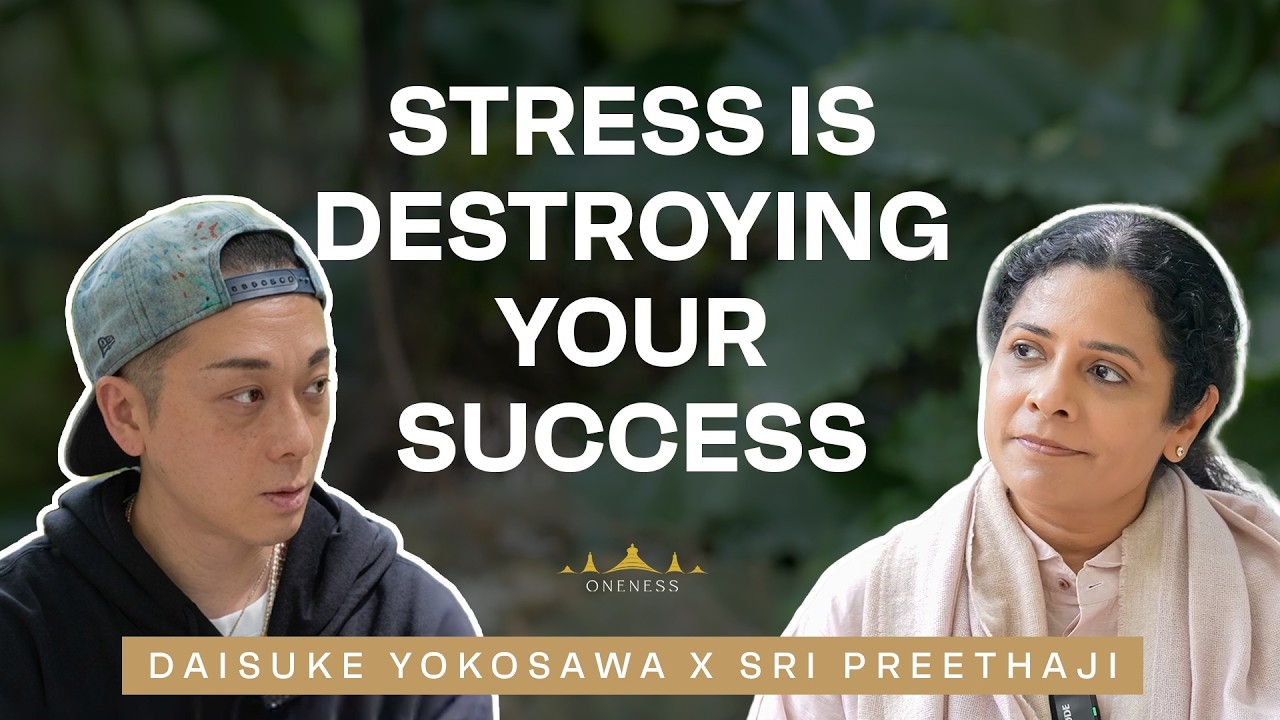
Uma Prajapathi, who has lived in the Auroville community for 29 years, discusses how the Oneness Movement's approach to abundance challenges conventional spiritual narratives that separate enlightenment from material wellbeing. Her experience at the Oneness Abundance Festival demonstrates that integrating abundance consciousness with spiritual practice is not a contradiction but a natural evolution of understanding—one that requires examining and releasing inherited beliefs about scarcity, unworthiness, and the supposed incompatibility of wealth and wisdom.

Lecture · 7 sections

What are old beliefs about spirituality and abundance?

Many spiritual traditions have historically presented a false binary: one must choose between material success and spiritual development. This framework positions abundance as a distraction from enlightenment, suggesting that renunciation of wealth is inherently more evolved than engaging with prosperity. Uma Prajapathi's experience within the Auroville community—an intentional settlement founded on spiritual principles—illustrates how this belief system has shaped spiritual practitioners for generations. After nearly three decades in such an environment, her openness to reconsidering the relationship between abundance and spiritual growth represents a significant shift in how consciousness-based communities are approaching material wellbeing.

The "old belief" structure typically operates at multiple levels: the conviction that desire for material resources stems from spiritual immaturity; the assumption that enlightened beings automatically transcend economic concerns; and the unconscious internalization that accepting abundance requires spiritual compromise. These beliefs often manifest as subtle self-sabotage in practitioners—creating invisible blocks to prosperity even when consciously committed to spiritual growth.

How does the Oneness Movement reframe abundance?

The Oneness Movement's approach presented at the Abundance Festival positions material flow and spiritual enlightenment not as opposed forces but as complementary expressions of consciousness. This framework recognizes that the capacity to receive, create, and manage abundance is itself a form of spiritual maturity. Rather than transcending material reality through denial, this perspective suggests that full enlightenment includes the capacity to engage consciously and skillfully with resources, wealth creation, and prosperity.

This reframing doesn't promote materialism or endless consumption. Instead, it addresses the psychological and spiritual blocks that prevent practitioners from fully inhabiting their lives and contributing their gifts at scale. If someone carries a subconscious belief that "wealthy people are spiritually shallow," they will unconsciously sabotage their own success. If someone equates renunciation with enlightenment, they may unconsciously choose scarcity even when opportunities for abundance appear. The Oneness perspective suggests these blocks are themselves the work of spiritual practice—beliefs that limit the expression of one's full potential and capacity to serve.

What personal shifts occur when releasing scarcity consciousness?

Uma Prajapathi's 29-year journey in Auroville provides a real-time case study of how deeply embedded scarcity beliefs can be. Living in a spiritual community that de-prioritizes material accumulation, she would have experienced repeated cultural reinforcement of non-attachment as the highest value. Her willingness to engage with the Oneness Abundance Festival suggests a readiness to examine whether that framework served her fully—or whether it had become a comfortable identity that actually limited her growth and contribution.

When practitioners begin releasing old scarcity narratives, several shifts typically emerge:

  • Psychological freedom: No longer needing to defend poverty or renunciation as morally superior creates space to make authentic choices about resources without spiritual justification.
  • Energy availability: The constant internal conflict between "wanting" and "spiritual practice" consumes enormous psychological energy. Releasing this conflict frees energy for creation and service.
  • Authentic contribution: Many gifted teachers, healers, and change-makers unconsciously price their offerings too low or give away their labor, operating from internalized beliefs about unworthiness or the spiritual impurity of accepting payment.
  • Generosity expansion: Paradoxically, the capacity to give increases when someone is no longer operating from a scarcity mindset—whether that scarcity is material or spiritual.

Why does a 29-year spiritual practitioner need to reconsider abundance?

Uma Prajapathi's timeline is significant. Twenty-nine years represents deep integration into a particular consciousness framework. Yet spiritual maturity includes the capacity to examine one's own beliefs, even those that have served as anchors for decades. Her engagement with the Oneness Abundance Festival indicates that she recognized something incomplete in her previous framework—not that it was "wrong," but that it may have been partial.

This pattern appears across contemplative traditions. Long-term practitioners eventually encounter the question: "Have I transcended scarcity consciousness, or have I simply adopted a spiritual identity around it?" The distinction is crucial. True non-attachment flows from abundance consciousness—the knowing that one is provided for, that resources flow, that needs are met. False non-attachment often masks fear, unworthiness, or identification with the role of "renunciate." Only extended practice and honest self-inquiry can reveal which is operating.

For someone in a 29-year spiritual community, the invitation to reconsider abundance represents permission to integrate what may have been previously compartmentalized—the possibility that her spiritual practice could include rather than exclude material engagement.

What does integration of spirituality and abundance look like practically?

The reframing doesn't mean abandoning spiritual values or embracing consumer culture. Instead, integration suggests that a truly enlightened person can:

  • Create and manage financial resources skillfully without attachment or obsession
  • Recognize their worth and price their gifts, time, and labor appropriately
  • Experience material flow as natural and aligned with their purpose, not as compromising their spiritual integrity
  • Use abundance to serve others more effectively and sustainably
  • Hold possessions lightly while engaging with them fully

This middle path avoids both extremes: the extreme of spiritual materialism (where wealth becomes the primary goal) and the extreme of poverty-based spirituality (where scarcity becomes a spiritual identity). Instead, abundance becomes a tool and an expression of consciousness—neither pursued obsessively nor rejected defensively.

How do core beliefs shape material outcomes?

Deep within consciousness, beliefs act as filters that determine which opportunities are visible and which are invisible. Someone carrying a conviction that "I am not the kind of person who creates wealth" will literally not perceive opportunities that would build wealth. Their attention will skip over them, their mind will find reasons not to pursue them, and their actions will align with the underlying belief.

This operates through multiple channels: the reticular activating system (which determines what information enters conscious awareness), behavioral patterns (which align with self-concept), and energy field (which unconsciously communicates beliefs to others). A person can intellectually understand that abundance is possible while their deeper operating system runs a program of scarcity.

Uma Prajapathi's transformation—from a framework where material simplicity was equated with spiritual advancement, to one that sees abundance consciousness as compatible with enlightenment—likely involved examining these underlying programs. This level of belief work is often invisible from the outside but represents profound inner reorganization.

Where to go from here

Uma Prajapathi's experience invites several directions for continued exploration. First, those in long-term spiritual communities might examine whether their frameworks around renunciation serve their actual development or whether they've become comfortable identities. Second, practitioners across traditions can investigate their own unconscious beliefs about worthiness, material flow, and the supposed opposition between spiritual and material success. Third, teachers and communities might consider how abundance consciousness could deepen rather than dilute their practice—how enlightenment includes the capacity to steward resources, serve sustainably, and model integrated living.

The Oneness Movement's approach suggests that the future of spirituality may involve neither the retreat from material life nor the surrender to consumerism, but rather a mature engagement where consciousness and abundance naturally flow together.

Comments

Loading the conversation…

Oneness Movement
Artist
Oneness Movement

Watch more from Oneness Movement on YouTube.

Site web
Explorer les thèmes
Abundance-consciousnessBeliefs-spiritualityScarcity-mindsetEnlightenmentAuroville

Des questions ?

Questions fréquemment posées

Yes. Uma Prajapathi's experience through the Oneness Movement demonstrates that abundance consciousness and spiritual development are compatible. The opposition between them is an inherited belief, not a spiritual law. True enlightenment includes the capacity to engage consciously with resources and prosperity without attachment.
Common signs include unconsciously pricing your work too low, defending poverty as morally superior, feeling guilt when receiving money, sabotaging opportunities without knowing why, or identifying strongly with renunciation as a spiritual marker. These indicate beliefs operating beneath conscious awareness.
Subconscious beliefs act as filters determining which opportunities you notice and pursue. If you believe "wealthy people are spiritually hollow" or "I'm not the kind of person who creates wealth," your mind will skip over opportunities and your actions will align with those assumptions.
No. The Oneness approach integrates consciousness with abundance—teaching skillful engagement with resources without obsession or attachment. It avoids both poverty-based spirituality (where scarcity becomes an identity) and spiritual materialism (where wealth becomes the goal).
Deep spiritual practice eventually includes examining whether frameworks serve authentic growth or have become comfortable identities. True non-attachment flows from abundance consciousness, not fear. Long-term practitioners learn to distinguish between transcended scarcity and scarcity adopted as a spiritual role.
Paradoxically, the capacity to give expands when someone releases scarcity thinking. When you know resources flow and your needs are provided for, you can give freely without depleting yourself. Scarcity consciousness, by contrast, creates stinginess even in spiritual practitioners.
According to the perspective shared, yes. Enlightenment includes the capacity to create, manage, and steward resources skillfully—not in obsession but as natural expression of consciousness. Full spiritual development encompasses rather than excludes material engagement.

Continuer la lecture

More on Inspiration

Voir tout
Leader's Edge: Power Without Stress or Burnout
Inspire

Leader's Edge: Power Without Stress or Burnout

True leadership excellence comes from a calm state of mind, not from stress-driven hustle. Learn why a leader's real edge depends on the men…

1 min read
Inner State Over Stress: Why Clarity Drives Leadership
Inspire

Inner State Over Stress: Why Clarity Drives Leadership

True leadership emerges from inner calm and clarity, not stress. Learn why sustainable success requires vision for both your organization an…

1 min read
When Your Spiritual Path Becomes a Burden on Others
Inspire

When Your Spiritual Path Becomes a Burden on Others

How to share your spiritual growth without preaching—and why the real work is transformation of self, not conversion of others.…

1 min read
How Suffering Becomes the Path to Real Peace
Inspire

How Suffering Becomes the Path to Real Peace

Hardship isn't only an obstacle—it's often where genuine awareness begins. The deepest peace comes not from ease, but from facing challenges…

1 min read

Continue d’explorer

Poursuis ton chemin

Plus de sagesse et de rassemblements dans tout l’annuaire BrightStar.

Plus d’articles

Parcours toute la bibliothèque d’enseignements, d’entretiens et de guides.

Retour à tous les articles →

Enseignants et artistes

Découvre les lignées, les musiciens et les guides du monde conscient.

Explorer les artistes →

Trouver un événement

Kirtan, retraites, bains sonores, breathwork, festivals — bientôt près de chez toi.

Parcourir les événements →