BrightStar

Parcourir tous les Events

Découvre des rassemblements conscients

events

Yoga
Meditation
Breathwork
Qigong
Tai Chi
Sacred Music
World Music
Medicine Music
Sound Healing
Ecstatic Dance
Destinations populaires
BaliSedonaLos AngelesCosta RicaNew YorkSan FranciscoAustinMiamiJoshua TreeTulum
Voir toutes les catégoriesVoir toutes les destinations

Explorer toutes les fonctionnalités

Des outils puissants pour développer tes événements

Fonctionnalités de la plateforme

Tarification dynamique intelligente
Catégories de billets
Places assignées
Récupération des paniers abandonnés
Récupération des visiteurs
Dons & Prix variables
Système d'affiliation
Scanner de billets
Codes promo
Questions personnalisées
Partage de billets
Ventes additionnelles & Options
Analyses & Rapports
Séquences d'emails
Liste d'attente / Notifier / Rappeler
Personnes & Lieux
Artists & TeachersEvent OrganizersVenues & StudiosKnowledge BaseGlossaryInspiration
Voir toutes les fonctionnalitésÀ propos
TarifsBlog
Language
Saved events
Parcourir tous les événements

events

YogaMeditationBreathworkQigongTai ChiSacred MusicWorld MusicMedicine Music

Destinations populaires

BaliSedonaLos AngelesCosta RicaNew YorkSan Francisco

Personnes & Lieux

Artists & TeachersEvent OrganizersVenues & StudiosKnowledge BaseGlossaryInspiration

Fonctionnalités de la plateforme

Tarification dynamique intelligenteCatégories de billetsPlaces assignéesRécupération des paniers abandonnésRécupération des visiteursDons & Prix variablesSystème d'affiliationScanner de billetsCodes promoQuestions personnaliséesPartage de billetsVentes additionnelles & OptionsAnalyses & RapportsSéquences d'emailsListe d'attente / Notifier / Rappeler
Voir toutes les fonctionnalitésÀ propos
TarifsBlog
ConnexionChercheursCréateurs
  • Parcourir tous les Événements
  • Pour les chercheurs
  • Yoga
  • Méditation
  • Breathwork
  • Qi gong
  • Tai-chi
  • Musique sacrée
  • Musiques du monde
  • Musique médecine
  • Soins sonores
  • Danse extatique
  • Retraites
  • Ateliers
  • Toutes les catégories →
  • Bali
  • Sedona
  • Los Angeles
  • Costa Rica
  • Tulum
  • Byron Bay
  • San Francisco
  • Austin
  • New York
  • San Diego
  • Denver
  • Seattle
  • Portland
  • Miami
  • Toutes les villes →
  • Join the Movement
  • Sell Globally
  • Pour les créateurs
  • Pour les équipes
  • Pour les écrivains
  • Pour les enseignants
  • Pour les artistes de kirtan
  • Pour les studios
  • Pour les festivals
  • Pour les centres de retraite
  • Pour les associations
  • Ambassadeur de marque
  • Études de cas
  • Billetterie gratuite
  • Elevate
  • Amplify
  • Réseau de 500K+ acheteurs
  • Récupération des paniers abandonnés
  • Tarification dynamique intelligente
  • Catégories de billets
  • Événements récurrents
  • Places assignées
  • Système d'affiliation
  • Liste d'attente / Notifier
  • Scanner de billets
  • Widget intégrable
  • Diffusion d'événements
  • Messagerie
  • Intégrations
  • Rapports
  • Toutes les fonctionnalités →
  • À propos
  • L'écosystème
  • Blog
  • Glossaire
  • Inspiration
  • Centre d'aide
  • Contact
  • Documentation API
  • Ressources de marque
  • Carrières
  • Presse
  • Conditions d'utilisation
  • Politique de confidentialité

Événements

  • Parcourir tous les Événements
  • Pour les chercheurs
  • Yoga
  • Méditation
  • Breathwork
  • Qi gong
  • Tai-chi
  • Musique sacrée
  • Musiques du monde
  • Musique médecine
  • Soins sonores
  • Danse extatique
  • Retraites
  • Ateliers
  • Toutes les catégories →

Destinations

  • Bali
  • Sedona
  • Los Angeles
  • Costa Rica
  • Tulum
  • Byron Bay
  • San Francisco
  • Austin
  • New York
  • San Diego
  • Denver
  • Seattle
  • Portland
  • Miami
  • Toutes les villes →

Pour les créateurs

  • Join the Movement
  • Sell Globally
  • Pour les créateurs
  • Pour les équipes
  • Pour les écrivains
  • Pour les enseignants
  • Pour les artistes de kirtan
  • Pour les studios
  • Pour les festivals
  • Pour les centres de retraite
  • Pour les associations
  • Ambassadeur de marque
  • Études de cas
  • Billetterie gratuite
  • Elevate
  • Amplify

Fonctionnalités

  • Réseau de 500K+ acheteurs
  • Récupération des paniers abandonnés
  • Tarification dynamique intelligente
  • Catégories de billets
  • Événements récurrents
  • Places assignées
  • Système d'affiliation
  • Liste d'attente / Notifier
  • Scanner de billets
  • Widget intégrable
  • Diffusion d'événements
  • Messagerie
  • Intégrations
  • Rapports
  • Toutes les fonctionnalités →

Entreprise

  • À propos
  • L'écosystème
  • Blog
  • Glossaire
  • Inspiration
  • Centre d'aide
  • Contact
  • Documentation API
  • Ressources de marque
  • Carrières
  • Presse
  • Conditions d'utilisation
  • Politique de confidentialité
BrightStar
© 2026 BrightStar. Tous droits réservés.
Inspiration

Happiness From Within: Breath-BasedTools for Mental Freedom

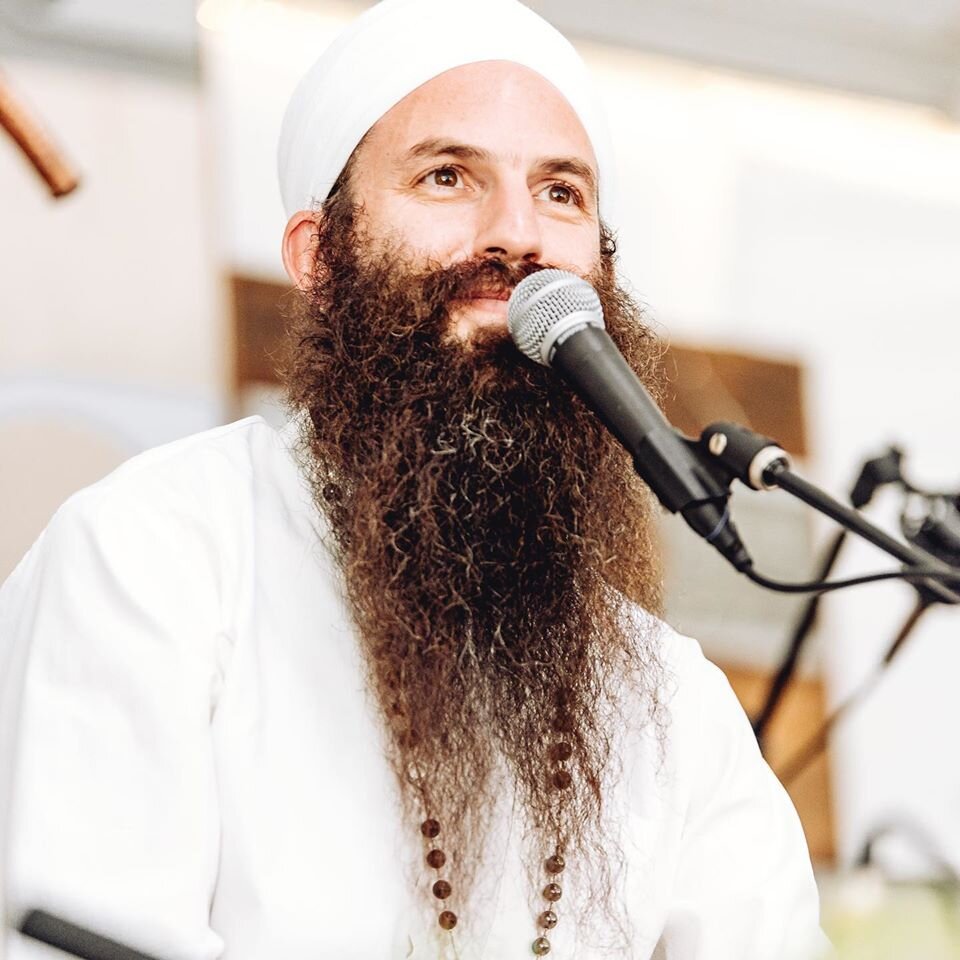
Jai Dev Singh
Jai Dev Singh
Apr 26, 2015
7 min de lecture
À regarder · 6

Happiness is not tied to external circumstances—it arises from our inner capacity to process stuck thoughts and emotions. The Art of Living Happiness Program teaches specific breathing techniques rooted in ancient practices that modern science now validates. These simple techniques work by anchoring awareness in the present moment via breath, interrupting the thought-emotion-action cycle that generates suffering. Participants learn tools they can deploy anywhere—in traffic, at work, with family—to shift from a reactive, stressed state to genuine joy and enthusiasm.

Lecture · 7 sections

What Is Real Happiness, and Why Does It Vanish?

Jai Dev Singh opens with a precise observation: the speaker notes that talking about a happiness program is like "speaking to an Eskimo about snow"—everyone already knows what happiness feels like. The problem is not ignorance of happiness itself, but confusion about where it lives. Most people bind happiness to external conditions: the perfect partner, the right job, the smooth commute. When those conditions change, so does their mood.

Singh illustrates this with the traffic example. You wake up in a perfect moment, vibrant and content. Then you hit congestion. Your happiness vanishes. But is the unhappiness actually in the traffic? If so, everyone in traffic should be unhappy every time. Yet we know people sometimes sail through gridlock unfazed, while others collapse into frustration. The variable is not the traffic. The variable is what's happening in the mind.

The real source of unhappiness, Singh teaches, is not the external event but the mind's relationship to it. Specifically, the mind becomes caught in what "should have, would have, could have been"—regret about the past, anxiety about the future—while missing the only moment where life actually happens: now. When the mind is trapped in these loops of blame, guilt, anger, and regret, happiness drains away, no matter how favorable the circumstances.

Why Do Our Minds Get Stuck?

Singh identifies a core dysfunction: most people spend their days absent from the present moment, even when things are going well. Thoughts pull awareness backward to yesterday's failures or forward to tomorrow's threats. Meanwhile, the actual quality of life collapses. When the mind is stuck this way, the person is less successful, less enthusiastic, and less capable of enjoying whatever they're doing.

This stuckness isn't just uncomfortable—it's the engine of poor results. Singh notes that "thoughts generate actions which create the results, good or bad, depending on the thoughts that we have." A mind caught in regret and guilt does not produce creative, bold, or joyful action. It produces defensive, contracted, survival-mode behavior.

Importantly, Singh doesn't blame people for having these thoughts. Thoughts about the past and future arise naturally in all human minds. The problem is that most people lack tools to address the inner world of thought. Without such tools, people are left only with self-talk—"Just think positive," "Don't worry"—which rarely works because it operates at the same cognitive level as the problem.

Concrete Tools, Not Complicated Systems

Singh emphasizes that the Happiness Program does not require a lifestyle overhaul or rigid discipline. The tools are simple, ancient, and backed by modern neuroscience. They rest on a single accessible fact: everyone breathes, all day, every day. There is no lifestyle change required. "We all have to breathe," Singh says. "So it's nothing more than just breathing in a very specific way."

The approach teaches specific breathing patterns and rhythms that can be practiced anywhere without anyone noticing. You can do them stuck in traffic, during a work meeting, while your children are demanding attention, or while your boss is pushing a deadline. The tool is invisible and immediate.

Why does this work? Singh explains the mechanism: our breathing, emotions, and thoughts are not separate systems—they are "actually one thing." When one shifts, the others shift with it. Because thoughts can become stuck, but breath is always rooted in the present moment, working skillfully with breath can dislodge stuck thought patterns. The breath cannot be in yesterday or tomorrow; it is always here, now. By anchoring awareness through breath, a person returns to the present and the mind's grip on old pain loosens.

How Breath Interrupts the Thought-Emotion Cycle

Singh describes the mechanism in practical terms. Thoughts generate emotions, which generate actions, which create results. If someone is caught in guilt or regret, that emotional state shapes how they show up at work, at home, in relationships. They are not fully present; they are "happily parked" in the past, even while physically present.

By using breath in a specific rhythm, the practitioner directly interrupts this cycle. The breath brings the mind into unity with the body and the present moment. Singh calls this state "harmony"—not a disconnected, dissociated blankness, but a coherent alignment where thought, emotion, breath, and action are integrated rather than fragmented.

The effect is measurable. When you arrive at your appointment—business, personal, or family—you are "vibrant, alive," not still lost in the mental fog of traffic or past stress. The same external circumstances (arriving at a meeting or picking up a child from school) now happens with joy and presence rather than residual distraction.

Why Ancient Practices Now Have Scientific Credibility

Singh notes that these breathing tools were used "in ancient times" and "got lost over time." Today, science is rediscovering and validating them. Modern research on breath work, vagal tone, the polyvagal system, and heart-rate variability supports what contemplative traditions knew: the breath is a direct window into and lever for the nervous system.

Singh is careful not to claim these are "new discoveries." Rather, science is now offering a language and measurement framework for practices that have always worked. This convergence of ancient wisdom and modern evidence gives practitioners confidence that they're learning something real, not a placebo or wishful thinking.

Why This Matters Across Life Domains

Singh stresses that "almost anyone needs it because we all have something in life that's holding us back." This is not framed as a crisis intervention for the severely depressed. Rather, it's a recognition that every human carries patterns—tendencies, habits of thought, emotional reactions—that limit their freedom and joy.

The Happiness Program addresses these not by trying to fix or fight them directly, but by "going above it, by going beyond it." In other words, you don't analyze your anger or guilt endlessly; you use breath and techniques to shift your state so that old patterns simply have less power over you. You transcend the problem rather than becoming entangled in it.

This applies equally in high-stress contexts (deadlines, conflict) and ordinary ones (commuting, daily interactions). The tool works because it is not domain-specific; it is neurological, applicable wherever the mind and breath operate.

What Participants Learn Over a Weekend

Singh indicates that the actual techniques and deeper instruction require "a little time to explain and teach." A weekend retreat provides space to learn the tools, practice them with guidance, and return home with confidence in using them. The promise is straightforward: over a weekend, you learn simple practices you can deploy indefinitely, in any circumstance, without special equipment or conditions.

The emphasis on simplicity cannot be overstated. Singh repeats that the tools "are not complicated." This is not mystique or false humility; it reflects the actual design. If the tools required hours of practice, complex visualization, or lifestyle upheaval, they would fail for most people in real life. The Art of Living approach is built for ordinary life: traffic, work stress, family demands.

Where to go from here

If you resonate with the idea that happiness is an internal capacity rather than an external achievement, and if you recognize patterns of regret, blame, or stress that pull you away from the present moment, the Happiness Program offers a concrete entry point. Rather than more therapy, more thinking, or more willpower, it offers tools grounded in breath and presence. You can explore the Art of Living Retreat Center's offerings or seek instruction in similar breathing-based practices (many contemplative traditions offer comparable methods). The key is to move from understanding intellectually that the mind is the problem to actively practicing a method that rewires your relationship to thought and emotion.

Comments

Loading the conversation…

Transcript

[0:02] Hi, my name is Ratri and I'm here to

[0:04] speak to you about the happiness

[0:06] program. And speaking about happiness as

[0:10] a program in a sense is really like

[0:12] speaking to an Eskimo about snow. It's

[0:16] there. It's there all the

[0:18] time. And we all have known what it

[0:20] means to be happy. So I'm not talking

[0:23] about that happiness which is tied to

[0:26] something outside yourself. I'm talking

[0:28] about the happiness in which we are the

[0:32] source, the ability to do something

[0:35] within ourselves to take away what is

[0:39] creating

[0:40] unhappiness. So if you notice, you could

[0:43] have everything. You could be in the

[0:45] most perfect moment in the morning, but

[0:47] when you get into the traffic, something

[0:50] gets stuck and you lose your

[0:53] happiness. Is it in the traffic? If it

[0:56] was in the traffic, if the traffic was

[0:58] what got you lost into

[1:00] unhappiness, then every single time you

[1:04] drive in traffic and every single person

[1:06] that's sitting in traffic should be

[1:08] unhappy. But that is not the case.

[1:11] Sometimes we're happy, sometimes we're

[1:13] not, sometimes we're stressed. So in

[1:17] order to tap into happiness in the way

[1:19] I'm talking about the source of you

[1:21] being happy, we have to look at what

[1:23] generates unhappiness.

[1:26] And if we look when we are happy we are

[1:28] the most successful we are having the

[1:31] most quality of life with whatever we're

[1:33] doing we are the most enthusiastic but

[1:35] it gets lost and that gets lost because

[1:39] our mind gets caught in something that

[1:42] happened yesterday and something that

[1:44] might happen

[1:45] tomorrow. If you notice we are sitting

[1:48] here thinking about what should have

[1:50] would have could have been but we're not

[1:53] really here right now. And we don't know

[1:55] how to address this inner world of

[1:57] thought, of regret, of anger, of guilt,

[2:01] of blame. And through this program, we

[2:05] offer concrete tools that take away

[2:09] those thoughts that allow you to drop

[2:14] what you could do as a child, move on to

[2:17] the present moment, and live life even

[2:20] in the traffic jam with joy, with

[2:23] enthusiasm. So that when you arrive at

[2:25] your appointment, the business

[2:27] appointment or the boyfriend or the

[2:29] girlfriend or for your children to pick

[2:31] them up after school, you are vibrant.

[2:34] You are alive and not still lost and

[2:37] stuck in traffic though you are happily

[2:40] parked. This requires tools. Talking to

[2:43] ourselves doesn't work. And the tools

[2:46] are not complicated. These tools were

[2:48] used in ancient times. They just over

[2:51] time got lost. And actually today

[2:54] science very much talks about these

[2:56] tools. They have realized something as

[2:59] simple as breathing which we all do. So

[3:02] there's no lifestyle change required.

[3:04] There's no having to do or not to do

[3:06] something. We all have to breathe. So

[3:08] it's nothing more than just breathing in

[3:12] a very specific way so that we can

[3:15] remove thoughts that are not working for

[3:18] us. Because we know thoughts generate

[3:21] actions which we create the results good

[3:24] or bad depending on the thoughts that we

[3:26] have. Now how does the breath work? We

[3:29] need a little time to explain it to you

[3:30] to teach it to you. It's very simple

[3:33] over a course of a weekend. You learn it

[3:36] and then you go home with tools that you

[3:38] can use while stuck in traffic, while

[3:41] your children are screaming at you,

[3:42] while your boss is calling you in for a

[3:45] deadline. You do this specific rhythm,

[3:47] specific thing that no one sees you

[3:49] doing. You do and you find that your

[3:52] mind is joyful. It's happy. And it's

[3:56] very simple. The way it works is

[3:58] breathing is always in the present

[4:01] moment. It's not stuck anywhere. It's

[4:03] the mind which is stuck. But our

[4:05] breathing, our emotions, our thoughts

[4:08] are interlin. They're not interconnected

[4:11] as if they're two separate things.

[4:13] They're actually one thing. And when we

[4:17] use the breath to remove the thought,

[4:20] then we live in that unity, in that one

[4:23] piece of harmony. So I invite you to

[4:26] come talk to us more on the happiness

[4:29] program. Anybody can do it. And the

[4:32] reality is almost anyone needs it

[4:34] because we all have something in life

[4:37] that's holding us back. You will learn

[4:40] tools, techniques. You will also learn

[4:43] awareness about what is not working for

[4:45] you. The tendencies in your life that

[4:48] are not serving you. Not to get rid of

[4:50] them by trying to fix it, but by going

[4:54] above it, by going beyond it through

[4:57] these techniques. So again, I invite you

[5:00] to look us up for the happiness

Jai Dev Singh
ArtistJai Dev Singh

Kundalini Yoga and mantra teacher rooted in Yogi Bhajan's lineage, offering transformative spiritual practices through dynamic classes, mantra recordings, and global workshops.

Voir le profilSite web
Explorer les thèmes
Breath-workHappinessPresent-momentThought-patternsStress-relief

Des questions ?

Questions fréquemment posées

Breathing, emotions, and thoughts are interconnected as one unified system rather than separate processes. Because breath is always anchored in the present moment while the mind often gets stuck in past regret or future anxiety, using breath in specific rhythms can interrupt stuck thought patterns and return you to coherent presence. This shift in state directly reduces stress and unlocks a more joyful, resourceful mindset.
Yes. The techniques taught in the Happiness Program are specifically designed to be quick, invisible, and deployable anywhere—while in traffic, during a meeting, or while dealing with demanding situations. You perform a specific breathing rhythm that no one else sees, and the mind shifts from reactive stress to clarity and presence.
Self-talk and positive thinking operate at the cognitive level where the stuck patterns themselves live, so they rarely work. Breathing-based tools work at a deeper neurological level, interrupting the thought-emotion-breath cycle before the mind can get caught again. You're not trying to fix or analyze the thoughts; you're shifting your state so the stuck patterns lose their grip.
No. These tools require no lifestyle change because everyone already breathes. You learn specific breathing rhythms that take seconds to a few minutes and can be woven into your existing day—during your commute, at work, or with family. The simplicity is intentional; complex systems fail in real life.
These practices were used extensively in ancient contemplative traditions but were largely lost over time. Modern neuroscience and research on breath work, the vagus nerve, and emotional regulation now validate what these traditions always knew, giving contemporary practitioners confidence that the tools are real and grounded in how the nervous system actually works.
The program doesn't eliminate difficult emotions or erase the past. Instead, it teaches you to shift your relationship to those thoughts and emotions so they have less power over your present-moment experience. You learn awareness of patterns that aren't serving you and the ability to move beyond them rather than being trapped by them.

Continuer la lecture

More from Jai

Voir tout
Lime Ginger Tea Recipe: Reduce Inflammation & Water Retention
Inspire

Lime Ginger Tea Recipe: Reduce Inflammation & Water Retention

A three-ingredient Ayurvedic tea that kindles digestion, calms inflammation, and grounds the body. Learn how to brew it and why each ingredi…

1 min read
Solar Plexus Chakra Sound Bath: Restore Inner Confidence
Inspire

Solar Plexus Chakra Sound Bath: Restore Inner Confidence

A sound bath for the solar plexus chakra helps you reconnect with personal power, confidence, and decision-making ability. Learn how Manipur…

1 min read
Govinda Jaya: How Sacred Sound Awakens the Heart
Inspire

Govinda Jaya: How Sacred Sound Awakens the Heart

Radhika Das channels the liberating power of mantra through a luminous kirtan performance at Medicine Festival, invoking divine names to pur…

1 min read
Om Namah Shivaya Chant: Ecstatic Trance Meditation
Inspire

Om Namah Shivaya Chant: Ecstatic Trance Meditation

Jai Uttal guides listeners into an ecstatic chant trance with Om Namah Shivaya, the Sanskrit invocation of Shiva consciousness. A 91-second …

1 min read

Continue d’explorer

Poursuis ton chemin

Plus de sagesse et de rassemblements dans tout l’annuaire BrightStar.

Plus d’articles

Parcours toute la bibliothèque d’enseignements, d’entretiens et de guides.

Retour à tous les articles →

Enseignants et artistes

Découvre les lignées, les musiciens et les guides du monde conscient.

Explorer les artistes →

Trouver un événement

Kirtan, retraites, bains sonores, breathwork, festivals — bientôt près de chez toi.

Parcourir les événements →