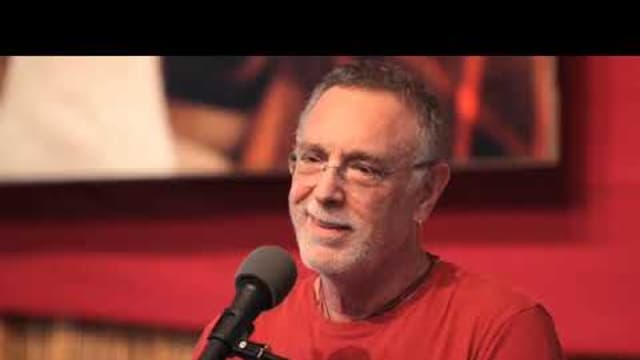
Mirabai Ceiba's twelve-minute recording of the Guru Ram Das chant is a single, unbroken immersion in one phrase, sung over and over in a room that answers back with applause. Posted in October 2012, it has since drawn more than twenty million views, which makes it one of the most-played sung mantra recordings on YouTube. The video contains no lecture and no spoken instructions. What it offers is the chant itself, and the description Ceiba attached to it frames that chant as a practice for the heart: a mantra of humility, relaxation and self-healing that opens the mind toward infinity and invites guidance from compassion. This article explains what you are hearing, why the repetition matters, and how to work with the chant if you want to sing it yourself.
The first half-minute is mostly instrumental texture. The transcript registers music and little else until about 29 seconds, when the first clear phrase arrives: "Guru, guru, Wahe Guru, guru." From there the structure settles into a loop. The core words are Guru, Wahe Guru, and Ram Das, and the singer moves through them in short, even units, returning to the opening line again and again. Listen closely and you will hear that the pattern is not a melody that develops; it is a cycle that tightens and loosens as the room joins in.
That distinction matters for anyone approaching the recording for the first time. Many devotional recordings build toward a climax. This one holds still. The emotional movement comes from the steadiness of the cycle rather than from any change in key or tempo, and the chant asks the listener to stay inside the loop instead of waiting for the next section.
Between the sung phrases, the caption track shows applause at several points, including around 166 seconds, 280 seconds, and 364 seconds, and again near the end. Those breaks suggest a live audience, and they change how the recording breathes. When the room responds, the chant stops being a solo offering and becomes a shared exchange, a pattern that people in many devotional traditions use to bring a gathering into the same rhythm. The applause is not a flourish. It marks the points where the group re-enters the mantra together.
If you sing along at home, you can reproduce that effect without an audience. Sing the opening phrase, let a breath complete it, and then return. The point of the call-and-response is the return, not the performance. Each time you come back to the first line, you reset the attention you have been holding.
Ceiba's description makes four specific claims. The mantra "relates directly to healing and protective energy of the heart chakra." It is "a mantra of humility, relaxation and self healing." It "projects the mind to infinity." And it "opens the space to be guided from the heart and compassion." Those are the intentions the video asks you to bring. They are not claims the recording proves; a chant cannot demonstrate its own effect on the body. What the recording can do is give you a steady sound to practice with while you explore those intentions yourself.
Read together, the four phrases describe a particular sequence. Humility comes first, a willingness to stop steering. Relaxation follows, as the repeated words slow the thinking. Self-healing is the next step, a turning of attention toward the body and the heart. Only then does the description speak of infinity and guidance, which suggests the intention is to widen the mind after it has softened, rather than to chase an experience.
Because the chant is so repetitive, the most common problem is drift: the words keep coming, but the attention has left. A few practical habits help. Sit or stand with the spine upright and the chest open, since the description's focus on the heart is easier to hold when the body is not collapsed. Let the breath set the length of each phrase, so that you sing on the exhale and pause on the inhale rather than forcing the words into a fixed tempo. And when you notice you have wandered, return to the opening phrase without criticizing yourself. The return is the practice.
It also helps to keep your volume moderate. The recording is loud and communal, but a home practice can be quiet. Some people find that a softer voice makes it easier to hear the room inside their own head, which is closer to what the description means by being guided from the heart.
The machine-generated caption track for this video is badly garbled. Words like "Ram Das" appear as "Damas," "Danas," and "Randas," and many segments are only tags for music or applause. That is one reason the recording is best heard rather than read. If you want to learn the words, listen to several passes and sing with the recording instead of relying on the captions. The pronunciation in the actual audio is clearer than the text suggests.
Start with a single listen from beginning to end, without singing, so you can hear the cycle as a whole. On a second listen, join the opening phrase and stay with it. On a third, sing through the applause breaks and notice how the room re-enters. Then try a short daily practice of five or ten minutes, using the same opening line each time, and track what changes in your attention and mood over a week. Ceiba's own description points toward humility, relaxation, self-healing, and compassion as the intentions to hold. Treat those as questions to explore in your own practice, not as results the video guarantees.