BrightStar

Parcourir tous les Events

Découvre des rassemblements conscients

events

Yoga
Meditation
Breathwork
Qigong
Tai Chi
Sacred Music
World Music
Medicine Music
Sound Healing
Ecstatic Dance
Destinations populaires
BaliSedonaLos AngelesCosta RicaNew YorkSan FranciscoAustinMiamiJoshua TreeTulum
Voir toutes les catégoriesVoir toutes les destinations

Explorer toutes les fonctionnalités

Des outils puissants pour développer tes événements

Fonctionnalités de la plateforme

Tarification dynamique intelligente
Catégories de billets
Places assignées
Récupération des paniers abandonnés
Récupération des visiteurs
Dons & Prix variables
Système d'affiliation
Scanner de billets
Codes promo
Questions personnalisées
Partage de billets
Ventes additionnelles & Options
Analyses & Rapports
Séquences d'emails
Liste d'attente / Notifier / Rappeler
Personnes & Lieux
Artists & TeachersEvent OrganizersVenues & StudiosKnowledge BaseGlossaryInspiration
Voir toutes les fonctionnalitésÀ propos
TarifsBlog
Language
Saved events
Parcourir tous les événements

events

YogaMeditationBreathworkQigongTai ChiSacred MusicWorld MusicMedicine Music

Destinations populaires

BaliSedonaLos AngelesCosta RicaNew YorkSan Francisco

Personnes & Lieux

Artists & TeachersEvent OrganizersVenues & StudiosKnowledge BaseGlossaryInspiration

Fonctionnalités de la plateforme

Tarification dynamique intelligenteCatégories de billetsPlaces assignéesRécupération des paniers abandonnésRécupération des visiteursDons & Prix variablesSystème d'affiliationScanner de billetsCodes promoQuestions personnaliséesPartage de billetsVentes additionnelles & OptionsAnalyses & RapportsSéquences d'emailsListe d'attente / Notifier / Rappeler
Voir toutes les fonctionnalitésÀ propos
TarifsBlog
ConnexionChercheursCréateurs
  • Parcourir tous les Événements
  • Pour les chercheurs
  • Yoga
  • Méditation
  • Breathwork
  • Qi gong
  • Tai-chi
  • Musique sacrée
  • Musiques du monde
  • Musique médecine
  • Soins sonores
  • Danse extatique
  • Retraites
  • Ateliers
  • Toutes les catégories →
  • Bali
  • Sedona
  • Los Angeles
  • Costa Rica
  • Tulum
  • Byron Bay
  • San Francisco
  • Austin
  • New York
  • San Diego
  • Denver
  • Seattle
  • Portland
  • Miami
  • Toutes les villes →
  • Join the Movement
  • Sell Globally
  • Pour les créateurs
  • Pour les équipes
  • Pour les écrivains
  • Pour les enseignants
  • Pour les artistes de kirtan
  • Pour les studios
  • Pour les festivals
  • Pour les centres de retraite
  • Pour les associations
  • Ambassadeur de marque
  • Études de cas
  • Billetterie gratuite
  • Elevate
  • Amplify
  • Réseau de 500K+ acheteurs
  • Récupération des paniers abandonnés
  • Tarification dynamique intelligente
  • Catégories de billets
  • Événements récurrents
  • Places assignées
  • Système d'affiliation
  • Liste d'attente / Notifier
  • Scanner de billets
  • Widget intégrable
  • Diffusion d'événements
  • Messagerie
  • Intégrations
  • Rapports
  • Toutes les fonctionnalités →
  • À propos
  • L'écosystème
  • Blog
  • Glossaire
  • Inspiration
  • Centre d'aide
  • Contact
  • Documentation API
  • Ressources de marque
  • Carrières
  • Presse
  • Conditions d'utilisation
  • Politique de confidentialité

Événements

  • Parcourir tous les Événements
  • Pour les chercheurs
  • Yoga
  • Méditation
  • Breathwork
  • Qi gong
  • Tai-chi
  • Musique sacrée
  • Musiques du monde
  • Musique médecine
  • Soins sonores
  • Danse extatique
  • Retraites
  • Ateliers
  • Toutes les catégories →

Destinations

  • Bali
  • Sedona
  • Los Angeles
  • Costa Rica
  • Tulum
  • Byron Bay
  • San Francisco
  • Austin
  • New York
  • San Diego
  • Denver
  • Seattle
  • Portland
  • Miami
  • Toutes les villes →

Pour les créateurs

  • Join the Movement
  • Sell Globally
  • Pour les créateurs
  • Pour les équipes
  • Pour les écrivains
  • Pour les enseignants
  • Pour les artistes de kirtan
  • Pour les studios
  • Pour les festivals
  • Pour les centres de retraite
  • Pour les associations
  • Ambassadeur de marque
  • Études de cas
  • Billetterie gratuite
  • Elevate
  • Amplify

Fonctionnalités

  • Réseau de 500K+ acheteurs
  • Récupération des paniers abandonnés
  • Tarification dynamique intelligente
  • Catégories de billets
  • Événements récurrents
  • Places assignées
  • Système d'affiliation
  • Liste d'attente / Notifier
  • Scanner de billets
  • Widget intégrable
  • Diffusion d'événements
  • Messagerie
  • Intégrations
  • Rapports
  • Toutes les fonctionnalités →

Entreprise

  • À propos
  • L'écosystème
  • Blog
  • Glossaire
  • Inspiration
  • Centre d'aide
  • Contact
  • Documentation API
  • Ressources de marque
  • Carrières
  • Presse
  • Conditions d'utilisation
  • Politique de confidentialité
BrightStar
© 2026 BrightStar. Tous droits réservés.
Inspiration

Feldenkrais Method: How MovementRewires Brain and Body

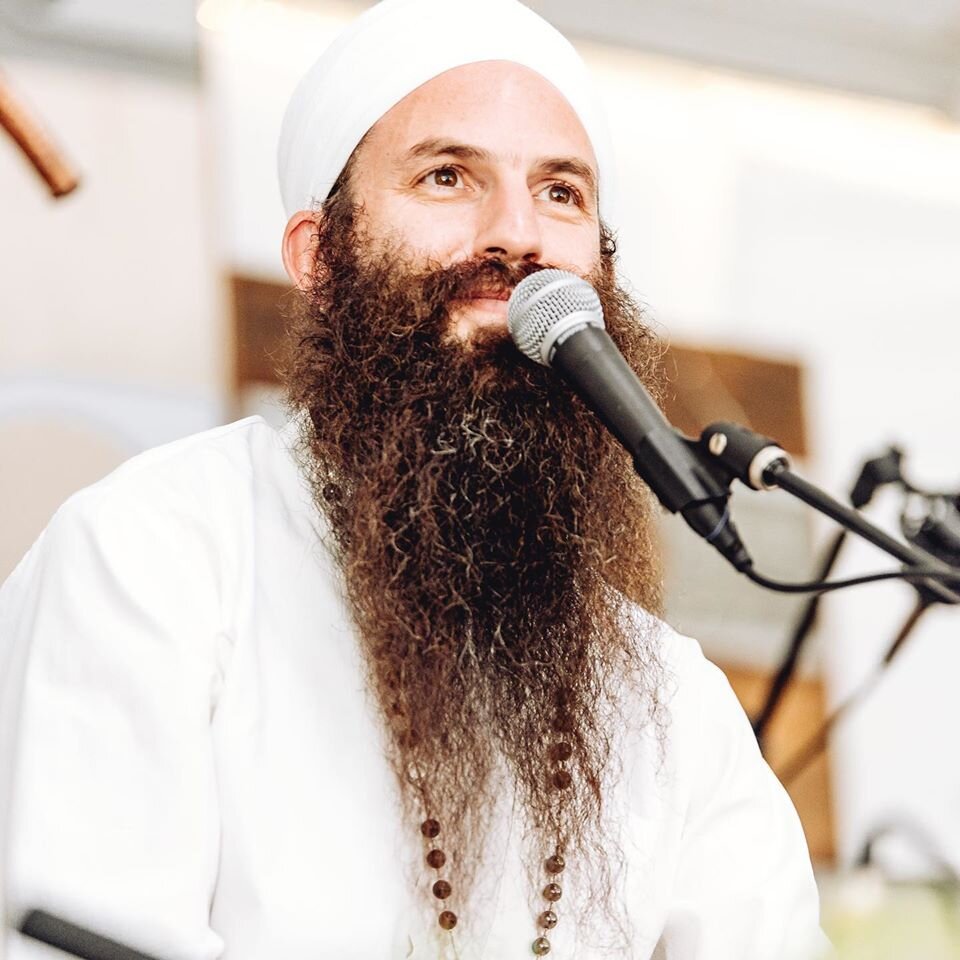
Jai Dev Singh
Jai Dev Singh
Jul 7, 2017
7 min de lecture
À regarder · 9

The Feldenkrais Method of somatic education is built on a simple yet radical premise: by using movement, you can learn to do anything better. The method treats the brain and body not as separate entities—with the brain "in charge" of the body—but as a unified system where movement patterns directly shape cognitive and emotional capacity. Developed by Moshe Feldenkrais, an engineer, martial artist, and physicist, the approach emerged from decades of research into how humans learn and reorganize themselves through awareness.

Lecture · 8 sections

What Is the Core Philosophy Behind Movement-Based Learning?

Feldenkrais rejected the cultural assumption that brain and body are separate domains. Instead, he proposed that "the brain is the body"—they are one integrated system, and how you move directly reflects and shapes how you think, feel, and navigate life. As explained in the recorded conversation with practitioner Lavinia Plonka, "How you move is how you move through life." This principle suggests that improving movement patterns at the nervous system level creates cascading improvements in decision-making, emotional regulation, and the ability to realize personal goals.

Rather than relying on analysis or conscious willpower to change behavior, the Feldenkrais Method leverages the brain's capacity to learn through gentle, exploratory movement. The nervous system processes movement as information, and when given the freedom to discover efficient patterns without pressure to perform, it naturally reorganizes toward ease and coordination.

How Does the Practice Actually Work?

The Feldenkrais Method operates through two primary formats:

  • Group classes (Awareness Through Movement): Practitioners lead small, subtle, delicate movements that expand the field of attention. Participants work according to their own ability, experiencing rather than executing movements. There is no performance demand, no "correct" way to do it—each person explores at their own pace, allowing the nervous system to register the information without effort or imitation.
  • Individual sessions (Functional Integration): A trained practitioner moves the client's body, bypassing the need for active participation. This approach opens the field of attention even further, as the person can relax completely and experience learning through proprioceptive input alone.

The key distinction from other movement practices is the emphasis on awareness, not achievement. Rather than pursuing a fitness goal or mastering a technique, practitioners develop consciousness of their own movement patterns—how they habitually organize themselves, where they create unnecessary tension, and which patterns serve or hinder their actual intentions.

Can Movement Really Resolve Chronic Pain?

Lavinia Plonka's entry into the Feldenkrais Method illustrates the method's power over pain. As a performer—mime, clown, choreographer—she suffered persistent back pain after performances, despite extensive treatment from chiropractors, acupuncturists, and massage therapists. After her first Feldenkrais class, costing only $10, the pain disappeared. That single experience sparked her curiosity enough to pursue formal training, which eventually became her life's work.

The mechanism behind this pain relief is not mechanical correction but nervous system reorganization. Chronic pain often persists not because of structural damage but because the nervous system has learned a pattern of protective tension—a habit of muscle guarding, postural distortion, or anticipatory contraction. Movement-based learning can interrupt these patterns by introducing novel, gentle experiences that allow the nervous system to recognize options it previously didn't perceive. As the body becomes more organized through improved awareness of movement, the protective tension can finally release.

Who Benefits Most From the Feldenkrais Method?

While Feldenkrais himself developed the method not primarily for better joints or improved walking—but "to realize your avowed and unavowed dreams"—the practice attracts diverse populations:

  • Older adults seeking to maintain mobility and independence
  • Peak performers (athletes, dancers, musicians) pursuing refinement at the margins of their ability
  • People with neurological conditions or developmental challenges
  • Individuals working through pain, anxiety, or movement restrictions

The underlying principle applies universally: "Everybody has a body and a brain and a dream." The work is fundamentally about self-knowledge—understanding how you move, how you react, and where you habitually limit yourself—so that you can move toward what you actually want.

How Does Movement Unlock Psychological and Creative Potential?

Plonka's personal transformation demonstrates a subtler mechanism: how releasing movement patterns can free psychological expression. From age four or five, she had declared her intention to become a writer. But in Catholic school, her writing was censored; she was "shut up." This psychological shutdown manifested physically: she developed TMJ, and for two years her mouth wouldn't open properly. She then became a mime—literally choosing silence as a career.

During Feldenkrais training, something shifted. The physical restrictions began to ease, and unexpectedly, words began to emerge. She has since written five books, created multiple audio programs, and maintains a monthly column. In her words, the linkage is real but not mechanical: "As my body became more organized, my mind and my life became more organized."

The underlying dynamic involves what Feldenkrais called "body anxiety patterns"—habitual patterns of nervous tension that activate whenever a person approaches a situation carrying emotional weight. Plonka recognized that whenever she tried to show her writing to someone, a wave of tension would flood her body, triggering self-doubt and abandonment of the project. Through movement exploration, she became aware of this pattern in her body, not just intellectually. Once she could relax her nervous system in response to vulnerability, the anxiety lost its grip. The mechanism was not psychological analysis but somatic awareness: discovering, through movement, that her body could be calm even when facing rejection or judgment.

What Is the Relationship Between Body Awareness and Personal Agency?

Feldenkrais proposed that personal agency—the ability to get what you want—depends on self-knowledge: "If I know what I'm doing, if I know how I move, if I know how I react to people, if I know where I'm getting in my own way, I'm going to get what I want." This is not positive thinking or visualization; it is embodied awareness of the patterns that actually constrain choice.

Many people operate with blind spots about their own behavior. They may not realize they habitually brace their shoulders when stressed, that they hold their breath during difficult conversations, or that they collapse their posture when facing criticism. These patterns become so automatic that they feel invisible—the default, not a choice. The Feldenkrais Method makes these patterns visible and changeable, not through force or retraining, but through gentle exploration that allows the nervous system to discover alternatives.

Plonka emphasizes that this is not a simple cause-and-effect framework: "To say there's a direct cause and effect thing would diminish the power of his work because it's not Cartesian. I really feel that his work is quantum." Rather than a linear mind-body causality, the Feldenkrais Method operates on the principle that body and mind are reflections of each other. As one shifts, the other follows—not mechanistically, but systemically.

How Does the Feldenkrais Method Connect to Other Somatic and Philosophical Traditions?

Plonka notes that the Feldenkrais Method draws on insights parallel to yoga. Many of Feldenkrais's lessons were based on yogic principles, though the methodology differs significantly. She also mentions Ravi Shankar's album method, which addresses emotion regulation through integrated somatic practice, and Bharata Natyam, the classical South Indian dance tradition, which encodes 2,000 years of refined movement knowledge.

These convergences suggest that the Feldenkrais Method is not isolated but part of a larger lineage of practices that recognize the body as a gateway to consciousness and agency. What distinguishes Feldenkrais is its emphasis on personal discovery rather than imitation of form—you don't learn a technique, you learn how you learn.

Where to Go From Here

If you experience chronic pain that hasn't resolved through conventional treatment, if you perform at a high level and want to refine your capacity, or if you sense that habitual patterns are limiting your potential, the Feldenkrais Method offers a different avenue: not fixing what's "wrong" with you, but expanding your awareness of what's possible. Classes and individual sessions are available worldwide through certified practitioners. The initial investment of time and attention is modest, but the implications—as Plonka's journey illustrates—can be profound. The method asks a simple question: What would change if you truly knew how you move?

Comments

Loading the conversation…

Transcript

[0:01] [Music]

[0:09] So the Feldon Christ method is the full

[0:11] name for it is actually the Feldon

[0:13] Christ method of somatic education. The

[0:16] idea behind it is that by using movement

[0:21] I can learn to do anything better.

[0:24] Feldon Christ was an engineer, a martial

[0:26] artist, a physicist. You know, he worked

[0:29] with the cures and he used all that

[0:31] knowledge to develop a method that uses

[0:36] the brain and the body as a unit. So,

[0:40] our culture has had a tendency to

[0:41] separate brain from body, you know, or

[0:43] even say that the brain's in charge of

[0:45] the body. And he was really the first

[0:47] person to say that the brain is the

[0:49] body. And so he felt that instead of

[0:53] talking and analyzing that you could

[0:56] learn to become a better person or a

[0:57] more functional person by learning how

[1:00] you move. He said how you move is how

[1:02] you move through life. So that's the

[1:04] theory or the philosophy behind it. How

[1:07] we do it is

[1:09] through specific movements that people

[1:12] can learn in groups. They're very small,

[1:16] very subtle, very delicate movements

[1:17] that allow a person to expand their

[1:20] field of attention. Instead of doing a

[1:23] big movement where they feel they have

[1:24] to perform or execute or imitate, each

[1:28] person works according to their ability,

[1:30] experiencing the movement and allowing

[1:32] the nervous system to process it as

[1:34] information because all movement is

[1:36] information. And then we also work with

[1:38] people one-on-one where they don't even

[1:41] have to do the movement. The

[1:42] practitioner moves them. So it it opens

[1:45] up the field of attention even more.

[1:47] What inspired you to get involved with

[1:49] this? Well, what inspires what inspired

[1:51] me was what inspires a lot of people

[1:53] actually and that was chronic

[1:55] pain. I was my in my former life. I was

[1:59] a performer. I worked as a mime, a

[2:01] clown, a choreographer, a very very

[2:04] physical lifestyle. And my back hurt all

[2:07] the time, especially after a show. And

[2:09] there was nothing wrong with me.

[2:11] Technically, nothing wrong with me. And

[2:14] I had spent an awful lot of money on

[2:16] chiropractors, acupuncturists, massage

[2:18] therapists, and after my first Feldon

[2:20] Christ class, I had no back pain. And

[2:22] that was $10. And so I was like, "Okay,

[2:25] there's there's something here." So I

[2:27] actually it was just a series of magical

[2:30] events that I just happened to find out

[2:32] about a training right when I was

[2:34] getting excited and I dove in. I had no

[2:36] intention of being a practitioner at the

[2:38] time, but by the time I was done, I knew

[2:41] that this was something very important

[2:42] for the world. And what's the journey

[2:44] been like since then? What kind of

[2:46] things have you seen? What have you

[2:47] discovered for yourself, for others?

[2:50] Well, I would say the most important

[2:52] thing that I've discovered, I mean,

[2:55] you're looking back on a

[2:57] lifetime, is that every single thing

[2:59] that I've done has led to where I am

[3:01] today. I mean, if I think back, you

[3:04] know, to when I was uh 20 and becoming a

[3:07] mime, the reason I became a mime was

[3:10] because I thought I could change the

[3:11] world by expressing my feelings to other

[3:13] people and having them see things and

[3:16] being really, really interested in how

[3:19] we communicate through our bodies. Cut

[3:22] to no. So, so here I am working with

[3:27] people and helping them learn how to

[3:29] express themselves and how to understand

[3:32] what their emotions are doing. And now

[3:35] I've got the science. So, I've got the

[3:38] theater, I've got the art, I've got the

[3:40] science, and I love to communicate. I

[3:43] mean, as a mom, I was a communicator. As

[3:45] a writer, I'm a communicator. So, it's

[3:47] kind of it's almost as if there was a

[3:49] plan, but I always felt like I was just

[3:52] kind of floating from one thing to

[3:53] another. And yet, looking back, you

[3:55] could say, "Oh, yeah, she knew. She knew

[3:57] she was going to become a body language

[3:59] expert, but I didn't." And you find

[4:02] there are certain groups of people that

[4:04] benefit the most from this program of

[4:06] practice. Well, you know, that's one of

[4:09] the problems I think with Felden Christ

[4:11] because I really believe that it can

[4:13] benefit everybody because everybody has

[4:16] a body and a brain and a dream. I know

[4:20] that sounds crazy, but Feldon Christ

[4:22] said that he developed this method not

[4:25] so that you would have better shoulder

[4:27] joints or uh walk better. He said it was

[4:30] to realize your avowed and unavoued

[4:34] dreams.

[4:37] So, how could moving better help you

[4:40] realize your dreams? And his idea was

[4:42] that if if I know what I'm doing, if I

[4:45] know how I move, if I know how I react

[4:47] to people, if I know where I'm getting

[4:49] in my own way, I'm going to get what I

[4:52] want. And so, to me, the work is about

[4:56] that. So, it could be for anybody. The

[5:00] populations that seem to be the most

[5:01] attracted to it, that's a different

[5:03] question, right? So there's senior

[5:05] citizens, older people who would like to

[5:07] maintain their

[5:09] mobility. And then the opposite is

[5:11] people at the peak of their performance,

[5:13] whether they're athletes, dancers,

[5:14] musicians, they gravitate to it because

[5:17] they want to be even better. And then in

[5:20] between we have people with neurological

[5:22] challenges, babies and children with

[5:24] developmental issues, people who need a

[5:26] little help to get along the way. So,

[5:30] you know, it's it's all of that.

[5:32] It's awesome. Actually, can I ask how

[5:35] has helped you to reach your vowed or

[5:38] unavowed dreams? Oh my gosh, there's so

[5:40] many levels to that question. You'll

[5:42] have me here all day, but I I I suppose

[5:45] the ma major one was when I

[5:49] was I guess from the time I was like

[5:52] four or five years old, I told people I

[5:54] wanted to be a writer. I wanted to

[5:56] write. Wanted to write. And then some

[5:58] things happened in school where I was

[6:00] censored, where I was shut up. Certain

[6:03] things about my writing were I went to

[6:05] Catholic school. Maybe that'll answer

[6:07] everything. Um, and so I literally shut

[6:11] up. I mean, I had

[6:13] TMJ. Uh, my my mouth for two years my

[6:16] mouth wouldn't open and then I became a

[6:20] mime, you know. So, I was constantly

[6:23] silent. And in my training all of a

[6:26] sudden the words started to come out.

[6:30] And so to me that is the biggest

[6:31] unavowed now avowed dream. I've written

[6:34] five books. I've created half a dozen

[6:37] audio programs. I have a monthly column.

[6:39] To me writing is like you know I mean

[6:42] I've written a bunch of novels that are

[6:43] in my file cabinet but at least I wrote

[6:44] them you know. So to me that would not

[6:47] have

[6:48] happened if I hadn't accessed something

[6:51] that could let go of this feeling of

[6:54] being shut down. Does that make sense?

[6:56] It does. Maybe to just delve into a

[6:59] little more. What would you say is the

[7:00] link between the movement and the

[7:02] physical and this transformation in

[7:06] opening up and writing. Mhm. So for me

[7:09] and I can only speak about my own

[7:11] experience,

[7:12] uh as agile and as kind of proficient as

[7:17] I was as a performer, the core behind it

[7:21] was a kind of nervous tension, a need to

[7:24] perform, a need to be, you know, the

[7:26] best in the room. There was uh probably

[7:31] that was the cause of some of my pain.

[7:33] And then when I would write something,

[7:36] this feeling of tension would overcome

[7:38] my body and I would abandon the project.

[7:41] Oh, this sucks. No one's going to want

[7:43] to read it. And the feeling inside of me

[7:46] was similar to certain anxieties that I

[7:50] So, so Feling Christ talks a lot about

[7:52] body anxiety patterns. So through

[7:55] movement, I began to realize how

[7:58] physically I was getting in my own way.

[8:00] How this anxiety pattern would build up

[8:03] in me when I actually had to hand

[8:06] somebody a piece of paper that had my

[8:08] words on it. And then I didn't feel that

[8:11] anymore. So it's without analysis,

[8:15] without story, just finding a way to

[8:18] relax the body to be ready for whatever

[8:22] comes my way to be okay if they say,

[8:24] "Well, we don't like your piece." You

[8:25] know, to be okay with that. Um, you

[8:29] know, to say there's a direct cause and

[8:31] effect thing would diminish the power of

[8:34] his work because it's not it's not

[8:37] decardian. I really feel that his work

[8:39] is quantum. Thinking of the whole body,

[8:42] the body mind as reflections of each

[8:44] other. As my body became more organized,

[8:47] my mind and my life became more

[8:49] organized. Does that help? It does.

[8:51] That's great. Okay, cool. Um, and then

[8:53] this last part is a anything at all that

[8:56] you want to share without a question,

[8:58] just anything that comes to mind.

[9:02] I think that

[9:04] um from the perspective of my

[9:07] relationship to the experiences I've had

[9:09] here, I just want to share with people

[9:12] that uh the Feldon Christ method can

[9:14] enhance any person's practice. It can

[9:18] improve a meditation practice. uh Feldon

[9:21] Christ himself of course was a master at

[9:24] yoga and many of his lessons were based

[9:26] in yoga asas and so therefore that

[9:30] understanding of how the body can

[9:33] integrate a study that's as ancient as

[9:36] yoga can be very valuable for a place

[9:38] like this I I really do feel that the

[9:41] felden christ method is for everyone

[9:45] and tell me a little about this place

[9:47] did you have a favorite physical place

[9:50] here or part of the experience?

[9:53] Well, in terms of a favorite physical

[9:56] place, just being in the mountains, you

[9:59] know, we didn't get a lot of sun this

[10:01] weekend, but those moments where I could

[10:04] look out over the mountains and see the

[10:06] sun coming in was stupendous. It was

[10:10] really, really beautiful. And I thought

[10:12] the our classroom I think I I I'm

[10:15] assuming all the classrooms are the

[10:16] same, but you know the classroom was an

[10:18] excellent place for learning. A

[10:20] beautiful space with a great vibe. So

[10:23] for myself as a teacher, that was great.

[10:27] But in terms of favorite place, h I

[10:28] don't know. I'd have to stay here a

[10:30] couple more weeks and then I'll let you

[10:31] know. Love sometime. Bob, anything you

[10:34] want to add? does

[10:39] um talked about the album method.

[10:44] You know, it's so interesting that

[10:45] you're bringing that up because last

[10:47] night I was reading about Shri Sri

[10:48] Ravish Shankar and how he was speaking

[10:51] about every emotion is associated with a

[10:55] rhythm of the breath. So the Alba method

[10:58] to answer is a it's a western approach

[11:02] to emotion regulation that integrates

[11:06] the breath, the face and the postural

[11:09] attitude. So that's I mean that's the

[11:11] other thing I teach. It's more recent

[11:13] for me. I mean I've been doing it for 10

[11:15] years but I've only recently become

[11:17] certified to actually teach people on

[11:19] the outside and it to me it's very

[11:22] related to felon Christ and I integrate

[11:24] it with Felden Christ. But when I read

[11:26] that about uh Ravi Shankar, I thought

[11:29] well you know of course it's I mean the

[11:32] Barata Natyam talked about that 2,000

[11:35] years ago but now there's this western

[11:38] approach that is very viable for people

[11:42] and very useful and I would be curious

[11:45] someday to because I know that he has

[11:47] certain breathing exercises that free up

[11:50] the emotions but has he actually

[11:52] patterned them out? That was a question

[11:54] that I had because the patterns are

[11:57] really interesting. Every emotion has a

[11:59] breath pattern.

[12:01] Beautiful. Did that is that enough? I

[12:03] mean, you know, I could go on and on

[12:04] about Ela, too.

[12:07] Thank you for sharing. Thank you.

[12:11] [Music]

Jai Dev Singh
ArtistJai Dev Singh

Kundalini Yoga and mantra teacher rooted in Yogi Bhajan's lineage, offering transformative spiritual practices through dynamic classes, mantra recordings, and global workshops.

Voir le profilSite web
Explorer les thèmes
Feldenkrais-methodSomatic-educationBody-awarenessChronic-painNervous-system

Des questions ?

Questions fréquemment posées

The Feldenkrais Method is a form of somatic education that uses subtle, exploratory movement to help the nervous system learn better patterns. Unlike fitness or technique-based practices, it emphasizes personal discovery and awareness rather than imitation or performance. Movements are small and delicate, allowing each person to work at their own pace and expand their field of attention without pressure to execute correctly.
Yes, many people experience pain relief through the Feldenkrais Method because chronic pain often stems from protective tension patterns the nervous system has learned, not just from structural damage. By introducing gentle, novel movement experiences, the method allows the nervous system to recognize alternatives to habitual guarding, enabling it to finally release unnecessary tension.
The Feldenkrais Method recognizes that anxiety patterns are encoded in the body as much as the mind. When you release physical tension and become aware of your habitual movement patterns—such as bracing or collapsing in response to stress—you can also release the emotional patterns tied to them. This creates space for previously blocked capacities, like writing or public expression, to emerge.
While people with pain and peak performers are commonly drawn to the method, it benefits anyone because everyone has a body and nervous system. Feldenkrais developed the method specifically to help people realize their dreams by becoming aware of how they limit themselves. Older adults seeking mobility, people with developmental challenges, and anyone wanting greater self-knowledge can benefit.
Group classes (Awareness Through Movement) involve guided, subtle movements that expand attention; you work at your own pace without performance pressure. Private sessions (Functional Integration) involve a practitioner moving your body while you relax, allowing learning through proprioceptive input alone. Both approaches allow the nervous system to register movement as information without effort.
Many of Feldenkrais's principles parallel yoga, and he drew on yogic insights. However, the Feldenkrais Method emphasizes personal discovery of your own patterns rather than learning a prescribed form or technique. Similar somatic wisdom appears in traditions like Bharata Natyam and modern approaches to emotion regulation, reflecting a broader recognition that the body is a gateway to consciousness.
The Feldenkrais Method is based on the principle that the brain and body are a unified system—the brain is the body. As you become more organized and aware in how you move, your nervous system becomes more organized overall, which naturally extends to clearer thinking, better emotional regulation, and greater agency in pursuing what you want.

Continuer la lecture

More from Jai

Voir tout
Lime Ginger Tea Recipe: Reduce Inflammation & Water Retention
Inspire

Lime Ginger Tea Recipe: Reduce Inflammation & Water Retention

A three-ingredient Ayurvedic tea that kindles digestion, calms inflammation, and grounds the body. Learn how to brew it and why each ingredi…

1 min read
Solar Plexus Chakra Sound Bath: Restore Inner Confidence
Inspire

Solar Plexus Chakra Sound Bath: Restore Inner Confidence

A sound bath for the solar plexus chakra helps you reconnect with personal power, confidence, and decision-making ability. Learn how Manipur…

1 min read
Minimal Vocalization as Spiritual Practice: Power in Simplicity
Inspire

Minimal Vocalization as Spiritual Practice: Power in Simplicity

A brief live vocal interlude demonstrates how devotional sound—stripped to its essence—can invoke presence and transformation through pure r…

1 min read
Govinda Jaya: How Sacred Sound Awakens the Heart
Inspire

Govinda Jaya: How Sacred Sound Awakens the Heart

Radhika Das channels the liberating power of mantra through a luminous kirtan performance at Medicine Festival, invoking divine names to pur…

1 min read

Continue d’explorer

Poursuis ton chemin

Plus de sagesse et de rassemblements dans tout l’annuaire BrightStar.

Plus d’articles

Parcours toute la bibliothèque d’enseignements, d’entretiens et de guides.

Retour à tous les articles →

Enseignants et artistes

Découvre les lignées, les musiciens et les guides du monde conscient.

Explorer les artistes →

Trouver un événement

Kirtan, retraites, bains sonores, breathwork, festivals — bientôt près de chez toi.

Parcourir les événements →