BrightStar

Parcourir tous les Events

Découvre des rassemblements conscients

events

Yoga
Meditation
Breathwork
Qigong
Tai Chi
Sacred Music
World Music
Medicine Music
Sound Healing
Ecstatic Dance
Destinations populaires
BaliSedonaLos AngelesCosta RicaNew YorkSan FranciscoAustinMiamiJoshua TreeTulum
Voir toutes les catégoriesVoir toutes les destinations

Explorer toutes les fonctionnalités

Des outils puissants pour développer tes événements

Fonctionnalités de la plateforme

Tarification dynamique intelligente
Catégories de billets
Places assignées
Récupération des paniers abandonnés
Récupération des visiteurs
Dons & Prix variables
Système d'affiliation
Scanner de billets
Codes promo
Questions personnalisées
Partage de billets
Ventes additionnelles & Options
Analyses & Rapports
Séquences d'emails
Liste d'attente / Notifier / Rappeler
Personnes & Lieux
Artists & TeachersEvent OrganizersVenues & StudiosKnowledge BaseGlossaryInspiration
Voir toutes les fonctionnalitésÀ propos
TarifsBlog
Language
Saved events
Parcourir tous les événements

events

YogaMeditationBreathworkQigongTai ChiSacred MusicWorld MusicMedicine Music

Destinations populaires

BaliSedonaLos AngelesCosta RicaNew YorkSan Francisco

Personnes & Lieux

Artists & TeachersEvent OrganizersVenues & StudiosKnowledge BaseGlossaryInspiration

Fonctionnalités de la plateforme

Tarification dynamique intelligenteCatégories de billetsPlaces assignéesRécupération des paniers abandonnésRécupération des visiteursDons & Prix variablesSystème d'affiliationScanner de billetsCodes promoQuestions personnaliséesPartage de billetsVentes additionnelles & OptionsAnalyses & RapportsSéquences d'emailsListe d'attente / Notifier / Rappeler
Voir toutes les fonctionnalitésÀ propos
TarifsBlog
ConnexionChercheursCréateurs
  • Parcourir tous les Événements
  • Pour les chercheurs
  • Yoga
  • Méditation
  • Breathwork
  • Qi gong
  • Tai-chi
  • Musique sacrée
  • Musiques du monde
  • Musique médecine
  • Soins sonores
  • Danse extatique
  • Retraites
  • Ateliers
  • Toutes les catégories →
  • Bali
  • Sedona
  • Los Angeles
  • Costa Rica
  • Tulum
  • Byron Bay
  • San Francisco
  • Austin
  • New York
  • San Diego
  • Denver
  • Seattle
  • Portland
  • Miami
  • Toutes les villes →
  • Join the Movement
  • Sell Globally
  • Pour les créateurs
  • Pour les équipes
  • Pour les écrivains
  • Pour les enseignants
  • Pour les artistes de kirtan
  • Pour les studios
  • Pour les festivals
  • Pour les centres de retraite
  • Pour les associations
  • Ambassadeur de marque
  • Études de cas
  • Billetterie gratuite
  • Elevate
  • Amplify
  • Réseau de 500K+ acheteurs
  • Récupération des paniers abandonnés
  • Tarification dynamique intelligente
  • Catégories de billets
  • Événements récurrents
  • Places assignées
  • Système d'affiliation
  • Liste d'attente / Notifier
  • Scanner de billets
  • Widget intégrable
  • Diffusion d'événements
  • Messagerie
  • Intégrations
  • Rapports
  • Toutes les fonctionnalités →
  • À propos
  • L'écosystème
  • Blog
  • Glossaire
  • Inspiration
  • Centre d'aide
  • Contact
  • Documentation API
  • Ressources de marque
  • Carrières
  • Presse
  • Conditions d'utilisation
  • Politique de confidentialité

Événements

  • Parcourir tous les Événements
  • Pour les chercheurs
  • Yoga
  • Méditation
  • Breathwork
  • Qi gong
  • Tai-chi
  • Musique sacrée
  • Musiques du monde
  • Musique médecine
  • Soins sonores
  • Danse extatique
  • Retraites
  • Ateliers
  • Toutes les catégories →

Destinations

  • Bali
  • Sedona
  • Los Angeles
  • Costa Rica
  • Tulum
  • Byron Bay
  • San Francisco
  • Austin
  • New York
  • San Diego
  • Denver
  • Seattle
  • Portland
  • Miami
  • Toutes les villes →

Pour les créateurs

  • Join the Movement
  • Sell Globally
  • Pour les créateurs
  • Pour les équipes
  • Pour les écrivains
  • Pour les enseignants
  • Pour les artistes de kirtan
  • Pour les studios
  • Pour les festivals
  • Pour les centres de retraite
  • Pour les associations
  • Ambassadeur de marque
  • Études de cas
  • Billetterie gratuite
  • Elevate
  • Amplify

Fonctionnalités

  • Réseau de 500K+ acheteurs
  • Récupération des paniers abandonnés
  • Tarification dynamique intelligente
  • Catégories de billets
  • Événements récurrents
  • Places assignées
  • Système d'affiliation
  • Liste d'attente / Notifier
  • Scanner de billets
  • Widget intégrable
  • Diffusion d'événements
  • Messagerie
  • Intégrations
  • Rapports
  • Toutes les fonctionnalités →

Entreprise

  • À propos
  • L'écosystème
  • Blog
  • Glossaire
  • Inspiration
  • Centre d'aide
  • Contact
  • Documentation API
  • Ressources de marque
  • Carrières
  • Presse
  • Conditions d'utilisation
  • Politique de confidentialité
BrightStar
© 2026 BrightStar. Tous droits réservés.
Inspiration

Core Strength Basics: Planking as Essential Fitness

Gisele Bündchen
Gisele Bündchen
Sep 5, 2014
6 min de lecture

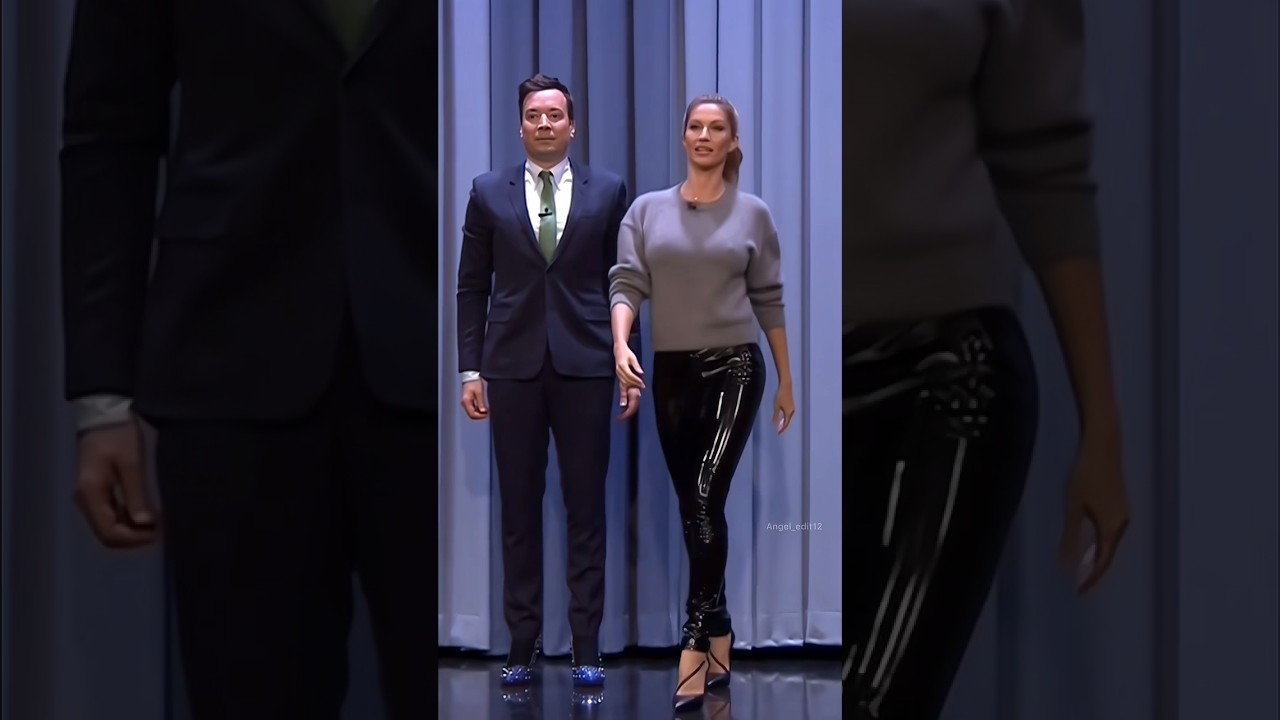
The plank is deceptively simple—hold your body in a straight line, suspended between forearms and toes, and breathe. For under a minute, sometimes two, your core does nearly all the work. It looks nothing like the explosive moves that dominate fitness media, yet it remains one of the most efficient tools for building core strength. This is the kind of workout that travels well, requires no equipment, and delivers real results. It's the kind of thing that, when demonstrated on live television, reminds millions of viewers that they can do this too.

Lecture · 7 sections

What Makes a Plank Work?

A plank is an isometric exercise—meaning your muscles contract without moving the joints. Unlike push-ups or crunches, where you're actively lifting or lowering, a plank holds tension steady. This constant engagement recruits not just the rectus abdominis (what most people think of as the "six-pack" muscle), but the deeper core stabilizers: the transverse abdominis, obliques, and erector spinae along the spine. When you hold a plank, you're teaching your entire midsection to work as an integrated unit, exactly as it needs to during real-world movement—whether you're lifting something, bending over, or simply standing upright.

The beauty of the plank is that it's honest work. There's nowhere to hide. You can't swing momentum, can't use an easier range of motion to cheat the difficulty, can't rest halfway through. The moment your hips sag or your shoulders round, the exercise becomes ineffective and potentially harmful to the lower back. This demand for proper alignment is exactly why it works so well.

Why Accessibility Matters in Fitness

When fitness education reaches mass audiences—especially on platforms like late-night television—something meaningful shifts. Most people don't have access to personal trainers. Most gyms are intimidating environments filled with expensive machines and unspoken rules. Most fitness advice on social media is either oversimplified or so specialized it feels irrelevant. But a plank? A plank speaks a different language. It's something you can do in your living room, at home, in the time it takes to watch a few minutes of television.

Demonstrating exercises on accessible platforms—bringing them out of the gym and into ordinary spaces—is a quiet form of democratization. When people see basic, effective exercises performed by someone other than a bodybuilder or professional athlete, it creates permission. It suggests that core strength isn't something that belongs only to the elite or the dedicated; it's something available to anyone willing to hold a position for thirty seconds.

Proper Plank Form: The Details That Matter

Starting position: Begin face-down. Place your forearms on the ground with elbows directly beneath your shoulders. Your hands can be clasped or flat, depending on what feels stable. Your toes should be on the ground, hip-width apart, creating a straight line from the back of your head to your heels.

Alignment: This is where the work actually lives. Your hips should be level with your shoulders and ankles—not sagging down (which strains the lower back) and not hiked up toward the ceiling (which makes the exercise easier and less effective). Your core should feel actively engaged, not passively held. Think about drawing your navel toward your spine; this engagement of the transverse abdominis is what stabilizes everything else.

Breathing: Many people hold their breath during planks, but steady breathing is essential. Inhale for four counts, exhale for four counts, and maintain this rhythm. Holding your breath increases intra-abdominal pressure in a way that can elevate blood pressure and reduce the effectiveness of the core engagement.

Shoulder position: Your shoulders should be packed—pulled down and back, away from your ears. This prevents strain on the shoulder joint and keeps the work distributed properly through your core.

Duration, Progression, and Variation

The length of a plank hold matters far less than most people think. Thirty seconds of proper form beats two minutes of sloppy alignment. For beginners, thirty to forty-five seconds is a solid starting point. For intermediate practitioners, sixty to ninety seconds is reasonable. Beyond two minutes, you're often just testing endurance rather than building core strength.

What matters more than duration is progression. Once the standard forearm plank becomes comfortable, the variations expand significantly. A high plank—hands directly beneath shoulders instead of forearms—increases the difficulty by shifting more load through the arms and shoulders. Side planks target the obliques and lateral core stabilizers. Planks with one leg lifted engage the glutes and create an asymmetrical load that demands more from the deep stabilizers. Planks with arm reaches—extending one arm forward while holding the position—integrate shoulder stability into the movement.

For those just beginning, a plank hold can start from the knees instead of the toes, reducing the load while maintaining proper form and engagement. This modification allows someone to build strength progressively rather than dropping into an exercise they can't perform correctly.

Why This Exercise Endures

Fitness trends cycle. Certain exercises become fashionable and fade. But the plank has remained a staple in strength and conditioning programs for decades because it delivers results that people can feel and see. Core strength—real, functional core strength—affects posture, reduces back pain, improves athletic performance, and supports better alignment in everyday life.

The plank also exists in a sweet spot: it's challenging enough to be worthwhile but simple enough that virtually anyone can do it. It requires no equipment, no gym membership, no special clothes. It takes ninety seconds out of your day. This is why it can travel from a personal trainer's studio to a physical therapist's clinic to a late-night television show and remain exactly what it is: genuinely effective work.

Building a Sustainable Practice

Like any exercise, consistency matters more than intensity. Three planks a week, performed with perfect form, will create more strength gain than random weekend bursts of intensity. The key is treating it as something you can sustain—not as a punishment or a test of willpower, but as a basic movement skill you're developing over time.

A simple approach: perform a plank hold at the beginning of your workout, when your nervous system is fresh and you can maintain proper form. Hold for thirty to sixty seconds, rest for thirty seconds, and repeat for two to four rounds. Some days you'll hold longer; some days you'll hold the same duration but with better alignment. Both represent progress.

The other value of the plank is that it teaches something essential: that simple things, done well, create real change. You don't need elaborate equipment or complex programming. You need intention, alignment, and consistency. This lesson transfers far beyond fitness.

Where to go from here

If you're new to planks, start with thirty-second holds on your knees, performed two or three times per week. Focus entirely on proper alignment: neutral spine, engaged core, shoulders packed back. Once you can hold sixty seconds from your knees with perfect form, transition to your toes. From there, introduce variations—side planks, high planks, or planks with single-leg lifts—rather than pushing duration longer. Remember that the exercise is only as good as the form you bring to it. A strict thirty-second plank will always outperform a sloppy two-minute hold. This is the philosophy that makes planking so effective: less is more when it's done right.
Comments

Loading the conversation…

Gisele Bündchen
ArtistGisele Bündchen

Gisele Bündchen is a Brazilian author, environmentalist and longtime meditation practitioner who credits meditation with a more conscious, joyful life, as she describes in her best…

Voir le profilSite web
Explorer les thèmes
Core-strengthPlankingFitness-basicsExercise-formFunctional-fitness

Des questions ?

Questions fréquemment posées

Thirty to sixty seconds of proper form is far more valuable than longer durations with poor alignment. Quality matters infinitely more than duration. Once the standard plank becomes comfortable, progress by adding variations rather than extending hold times.
Yes. Start on your knees instead of your toes to reduce the load while maintaining proper form and core engagement. This modification allows you to build foundational strength before progressing to full-body planks.
Planks engage the entire core system: the rectus abdominis, transverse abdominis, obliques, and erector spinae. They also recruit the shoulders, chest, and glutes as stabilizers, making them a genuinely integrated full-body movement.
Holding your breath during a plank increases intra-abdominal pressure unnecessarily and reduces the effectiveness of your core engagement. Steady breathing—inhaling and exhaling on a four-count rhythm—maintains stability and allows the core to work more efficiently.
Your hips should be level with your shoulders and ankles, creating a straight line from head to heels. Your core should feel actively engaged, and your shoulders should be packed back away from your ears. Any sagging or hiking of the hips compromises both effectiveness and safety.
Three times per week is a sustainable frequency for building core strength. Perform planks when you're fresh and can maintain proper form, rather than as a final fatigued exercise. Consistency over intensity creates the best results.
A forearm plank has your elbows beneath your shoulders, reducing the load on your arms and shoulders while maintaining core engagement. A high plank uses straight arms with hands beneath your shoulders, increasing the difficulty and engaging your shoulders and chest more heavily.

Continuer la lecture

More from Gisele

Voir tout
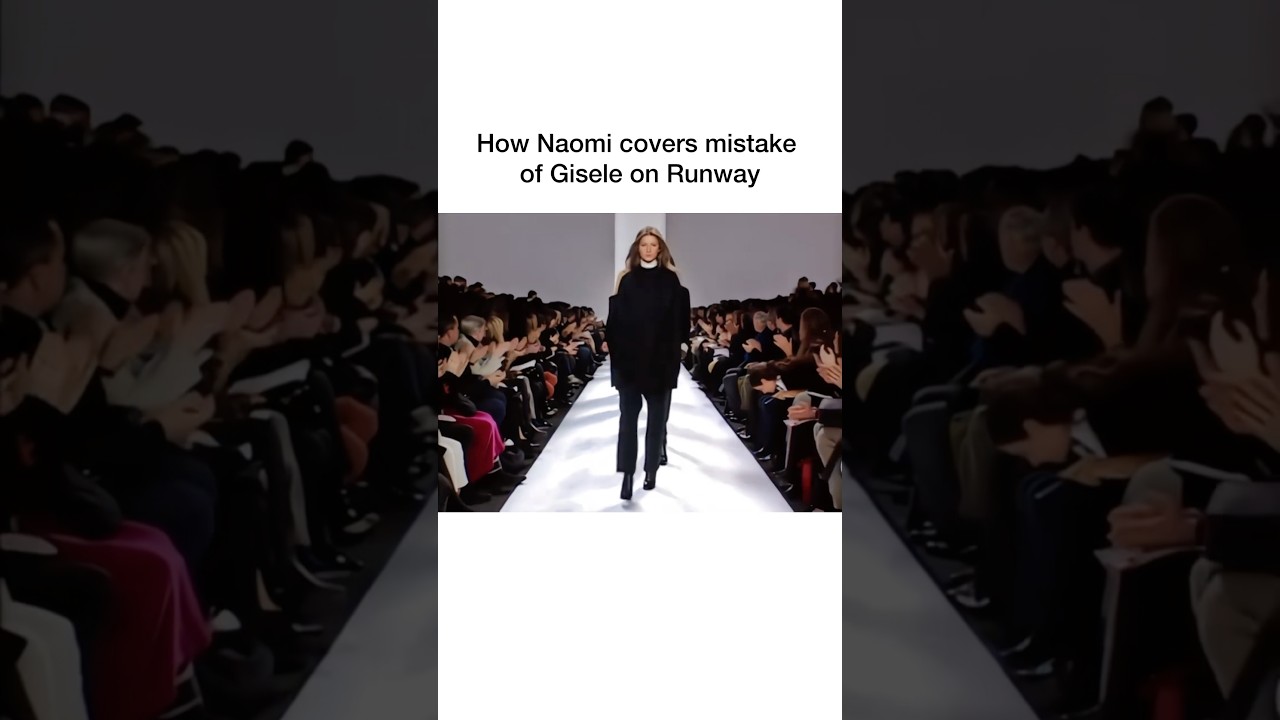
Runway Grace and Professional Solidarity in Fashion
Inspire

Runway Grace and Professional Solidarity in Fashion

A brief look at an iconic moment when Naomi Campbell's stage presence and professionalism covered for a struggling fellow model on the runwa…

1 min read
Supermodel Posture Basics: How Hip Movement Shapes Your Walk
Inspire

Supermodel Posture Basics: How Hip Movement Shapes Your Walk

Gisele Bündchen teaches the runway walk's simplest secret: hip engagement. In just 23 seconds, she shows how this single movement reshapes y…

1 min read
You Are Not the Body: Understanding Your True Nature
Inspire

You Are Not the Body: Understanding Your True Nature

Eckhart Tolle explores the distinction between physical form and deeper consciousness, arguing that your essence transcends bodily existence…

1 min read
Consciousness Awakening Through You: Non-Dual Reality
Inspire

Consciousness Awakening Through You: Non-Dual Reality

You are not separate from universal consciousness—you're the means through which the universe awakens to itself. Explore non-dual consciousn…

1 min read

Continue d’explorer

Poursuis ton chemin

Plus de sagesse et de rassemblements dans tout l’annuaire BrightStar.

Plus d’articles

Parcours toute la bibliothèque d’enseignements, d’entretiens et de guides.

Retour à tous les articles →

Enseignants et artistes

Découvre les lignées, les musiciens et les guides du monde conscient.

Explorer les artistes →

Trouver un événement

Kirtan, retraites, bains sonores, breathwork, festivals — bientôt près de chez toi.

Parcourir les événements →