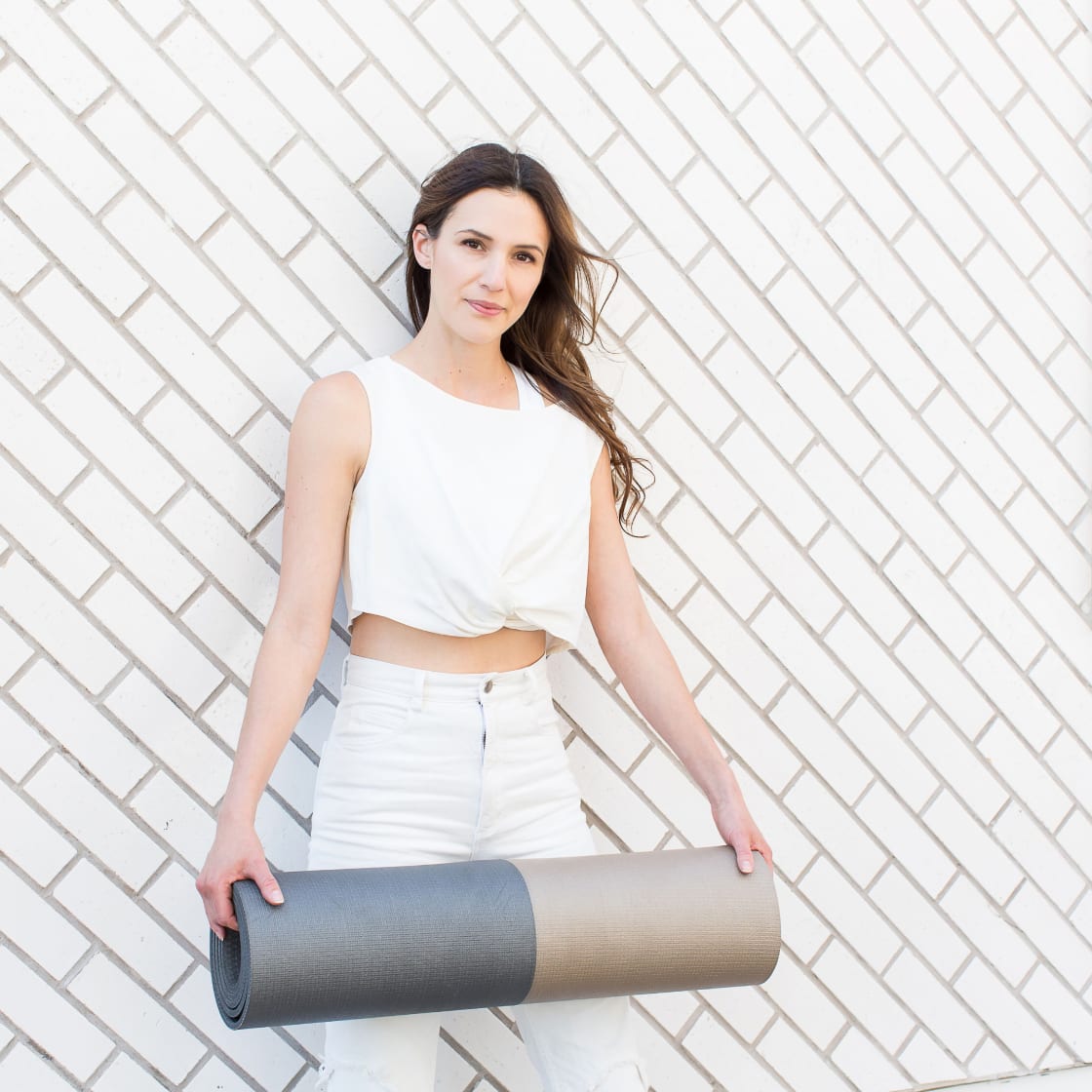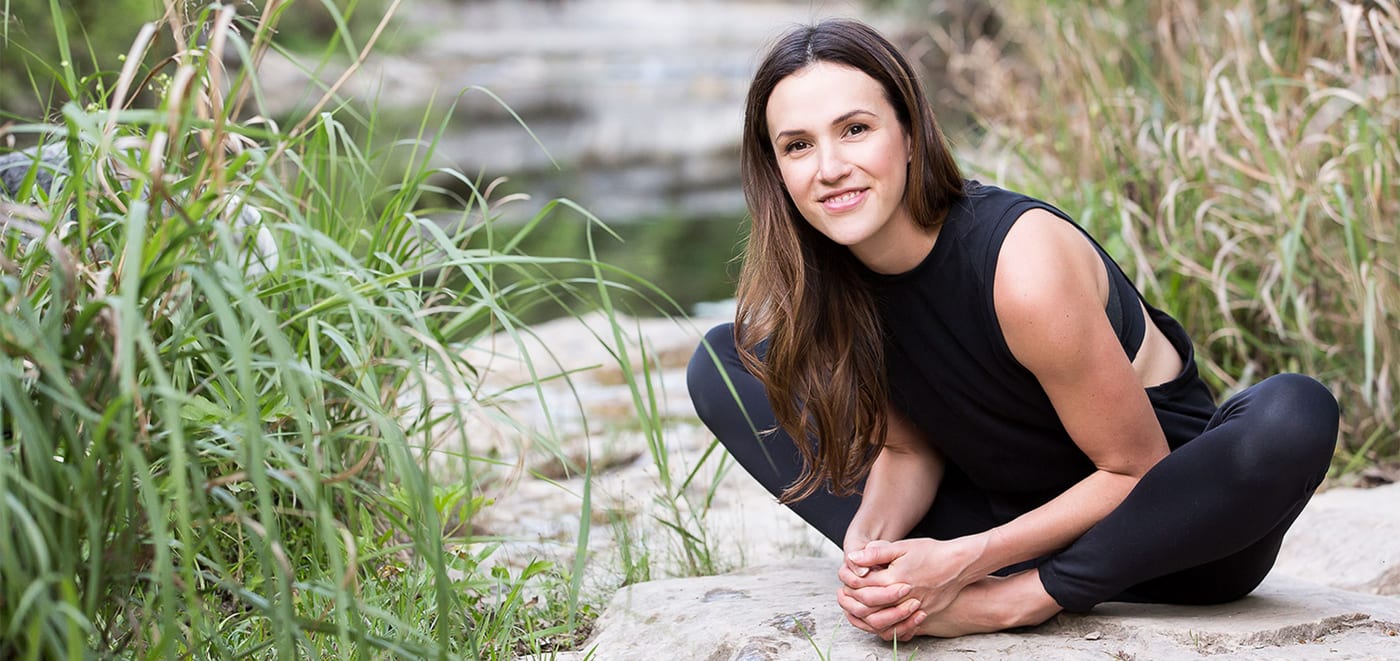

Adriene Mishler is a yoga teacher, actor, writer, activist and entrepreneur from Austin, Texas. She is best known as the host of the YouTube channel Yoga With Adriene, an online community of more than 12 million subscribers that offers yoga and mindfulness practices at no cost. Her stated mission is to make tools for mental, emotional and physical health accessible to everyone, and the channel is practiced in homes, offices, schools and community centers around the world. Her own summary of the practice is simple: "Yoga is really the art of waking up."
Austin is Mishler's hometown and remains her base. She was certified there and has since trained with master teachers across the United States for 20 years. The record of her early life is thin, and what is documented points to a path that ran through the performing arts as much as through yoga. She has a professional theater background and has worked in television, voiceover, film and dance.
That history matters to how she teaches. Her classes have a sense of pacing and narrative, and an attention to voice and presence, that reflect a performer's training. She did not come to yoga instruction as a fitness instructor who adopted spiritual language, or as a monastic figure who adopted a camera. She came as an artist who took the practice seriously.
Mishler began hosting the YouTube channel as part of her aim to make health tools available to people regardless of cost or circumstance. The details of the channel's earliest days are not part of the public record I can draw on here, so it is safest to describe the turn in terms of intent: she chose a free, open, digital format as the vehicle for her teaching, and she has kept that choice at the center of her work.
Public recognition followed. Google named Yoga With Adriene the most searched workout of 2015, a sign that her approach had reached well beyond the existing yoga audience.
Mishler's central contribution is a way of teaching that is rigorous in its reverence and relaxed in its delivery. She speaks of a deep respect for yoga philosophy and its origins, and she combines traditional yoga and breath technique with developmental movement, storytelling, neuroscience and mindfulness for modern life. She does not position her work within a single exclusive lineage; it is a deliberate blend, shaped by two decades of study with multiple teachers.
Her invitation to "Find What Feels Good" is the phrase most associated with her. It is more than a slogan. It asks students to listen to their own bodies, to modify or rest freely, and to set aside the perfectionism that often follows people onto the mat. Her tone is playful, wise, inclusive and humorous, and it welcomes all shapes and personalities. For people who find yoga intimidating, that tone is often the entry point.
The approach has trade-offs, and it is fair to name them. Students seeking strict adherence to a single traditional lineage, or highly athletic and alignment-focused instruction, may find her eclecticism too casual. Those who want deep grounding in a specific philosophical tradition may need supplementary study. Her work is built for access first.
The free YouTube channel is the foundation. For newcomers, her "Yoga For Beginners" and "Foundations of Yoga" series are designed as entry points to a sustainable home practice, requiring no prior knowledge and no special equipment. She also hosts an annual free at-home yoga retreat on the channel, offering extended immersion for those who want to go deeper.
She co-founded Find What Feels Good, a subscription app described as the first "Netflix For Yoga," which extends the channel's offerings with additional practices. She also co-owns the Practice Yoga Austin studio, an in-person anchor in her home city. She keeps a weekly letter to her community, a more intimate form of communication than social media. She has not published a traditional book, and recorded lecture-style content is not part of her current output.
Beyond teaching, Mishler sits on the boards of Fusebox Live, an international hybrid arts festival, and Medicinal Media, a non-profit focused on mental health in the digital landscape. The two roles reflect the two strands of her life: the arts and the question of how technology can support, rather than erode, wellbeing.
Today Mishler continues to teach primarily online, while living in Austin with her dog, Benji. She enjoys traveling to host community events in yoga, meditation and self-care, though in-person touring is not a regular feature of her work; her website and channel are the authoritative sources for any announcements. The free-first model remains intact, with the app and studio as supplementary rather than necessary ways to practice with her. She has been named one of the 100 most influential people in Health and Fitness in multiple years.
Mishler's importance lies in who she reaches and how. Her classes are used by people of all ages, ethnicities and backgrounds, in settings from living rooms to schools. By removing cost as a barrier, and by speaking in conversational language rather than jargon, she has made a practice that can feel exclusive into something ordinary and available.
She also models a different relationship to wellness. In a culture of achievement metrics and transformation narratives, her emphasis on self-trust, humor and self-compassion is quietly countercultural. Her classes tend to leave people calmer and more connected to their bodies rather than chasing an ideal.
Her legacy, still being written, may be less about any single class than about a standard: that serious, thoughtful teaching can be generous, free and warm, and that waking up, in her phrase, does not require becoming solemn.