BrightStar

Parcourir tous les Events

Discover conscious gatherings

events

Yoga
Meditation
Breathwork
Qigong
Tai Chi
Sacred Music
World Music
Medicine Music
Sound Healing
Ecstatic Dance
Destinations populaires
BaliSedonaLos AngelesCosta RicaNew YorkSan FranciscoAustinMiamiJoshua TreeTulum
Voir toutes les catégoriesVoir toutes les destinations

Explorer toutes les fonctionnalités

Des outils puissants pour développer vos événements

Fonctionnalités de la plateforme

Tarification dynamique intelligente
Catégories de billets
Places assignées
Récupération des paniers abandonnés
Récupération des visiteurs
Dons & Prix variables
Système d'affiliation
Scanner de billets
Codes promo
Questions personnalisées
Partage de billets
Ventes additionnelles & Options
Analyses & Rapports
Séquences d'emails
Liste d'attente / Notifier / Rappeler
Personnes & Lieux
Artists & TeachersEvent OrganizersVenues & StudiosKnowledge BaseGlossaryInspiration
Voir toutes les fonctionnalitésÀ propos
TarifsBlog
Parcourir tous les événements

events

YogaMeditationBreathworkQigongTai ChiSacred MusicWorld MusicMedicine Music

Destinations populaires

BaliSedonaLos AngelesCosta RicaNew YorkSan Francisco

Personnes & Lieux

Artists & TeachersEvent OrganizersVenues & StudiosKnowledge BaseGlossaryInspiration

Fonctionnalités de la plateforme

Tarification dynamique intelligenteCatégories de billetsPlaces assignéesRécupération des paniers abandonnésRécupération des visiteursDons & Prix variablesSystème d'affiliationScanner de billetsCodes promoQuestions personnaliséesPartage de billetsVentes additionnelles & OptionsAnalyses & RapportsSéquences d'emailsListe d'attente / Notifier / Rappeler
Voir toutes les fonctionnalitésÀ propos
TarifsBlog
ConnexionChercheursCréateurs
Tibetan BuddhistOm Mani Padme Hum · Om Mani Padme Hum · Om Mani Padme Hum · Om Mani Padme Hum · Om Mani Padme Hum ·
  • Parcourir tous les Events
  • Pour les chercheurs
  • Yoga
  • Meditation
  • Breathwork
  • Qigong
  • Tai Chi
  • Sacred Music
  • Retraites
  • Ateliers
  • Toutes les catégories →
  • Bali
  • Sedona
  • Los Angeles
  • Costa Rica
  • Tulum
  • Byron Bay
  • San Francisco
  • Austin
  • Toutes les villes →
  • Pour les créateurs
  • For Teams
  • Pour les écrivains
  • Pour les enseignants
  • Pour les artistes de kirtan
  • Pour les studios
  • Pour les festivals
  • Pour les centres de retraite
  • Pour les associations
  • Ambassadeur de marque
  • Études de cas
  • Seva
  • Elevate
  • Amplify
  • Réseau de 350K+ acheteurs
  • Récupération des paniers abandonnés
  • Tarification dynamique intelligente
  • Catégories de billets
  • Événements récurrents
  • Places assignées
  • Système d'affiliation
  • Liste d'attente / Notifier
  • Scanner de billets
  • Widget intégrable
  • Event Syndication
  • Message Center
  • Integrations
  • Reports
  • Toutes les fonctionnalités →
  • À propos
  • The Ecosystem
  • Blog
  • Glossaire
  • Inspiration
  • Centre d'aide
  • Contact
  • Documentation API
  • Ressources de marque
  • Carrières
  • Presse
  • Conditions d'utilisation
  • Politique de confidentialité

Events

  • Parcourir tous les Events
  • Pour les chercheurs
  • Yoga
  • Meditation
  • Breathwork
  • Qigong
  • Tai Chi
  • Sacred Music
  • Retraites
  • Ateliers
  • Toutes les catégories →

Destinations

  • Bali
  • Sedona
  • Los Angeles
  • Costa Rica
  • Tulum
  • Byron Bay
  • San Francisco
  • Austin
  • Toutes les villes →

Pour les créateurs

  • Pour les créateurs
  • For Teams
  • Pour les écrivains
  • Pour les enseignants
  • Pour les artistes de kirtan
  • Pour les studios
  • Pour les festivals
  • Pour les centres de retraite
  • Pour les associations
  • Ambassadeur de marque
  • Études de cas
  • Seva
  • Elevate
  • Amplify

Fonctionnalités

  • Réseau de 350K+ acheteurs
  • Récupération des paniers abandonnés
  • Tarification dynamique intelligente
  • Catégories de billets
  • Événements récurrents
  • Places assignées
  • Système d'affiliation
  • Liste d'attente / Notifier
  • Scanner de billets
  • Widget intégrable
  • Event Syndication
  • Message Center
  • Integrations
  • Reports
  • Toutes les fonctionnalités →

Entreprise

  • À propos
  • The Ecosystem
  • Blog
  • Glossaire
  • Inspiration
  • Centre d'aide
  • Contact
  • Documentation API
  • Ressources de marque
  • Carrières
  • Presse
  • Conditions d'utilisation
  • Politique de confidentialité
BrightStar
© 2026 BrightStar. Tous droits réservés.
Back to Sonya Renee Taylor
Sonya Renee Taylor's Teaching: Approach, Method, and Voice
Teaching

Sonya Renee Taylor's Teaching: Approach, Method, and Voice

Walking into a Sonya Renee Taylor session means encountering someone who treats political education like revival—not in the evangelical sense, but in the sense of waking something already present.

Sonya Renee Taylor
Sonya Renee Taylor
Jul 15, 2026
4 min read
Read · 5 sections

Sonya Renee Taylor's Teaching: Approach, Method, and Voice

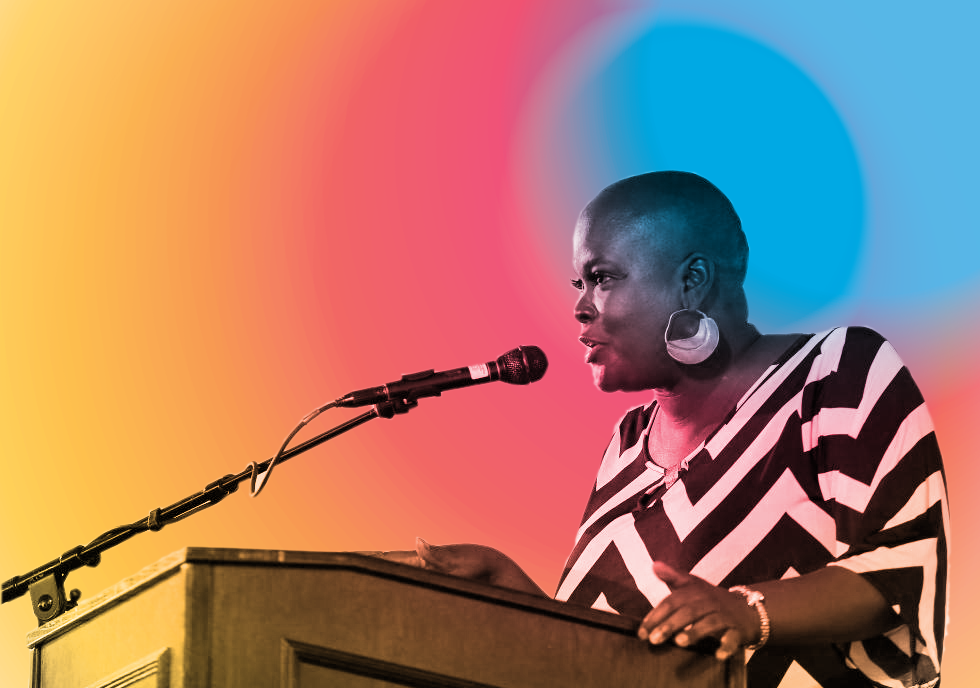
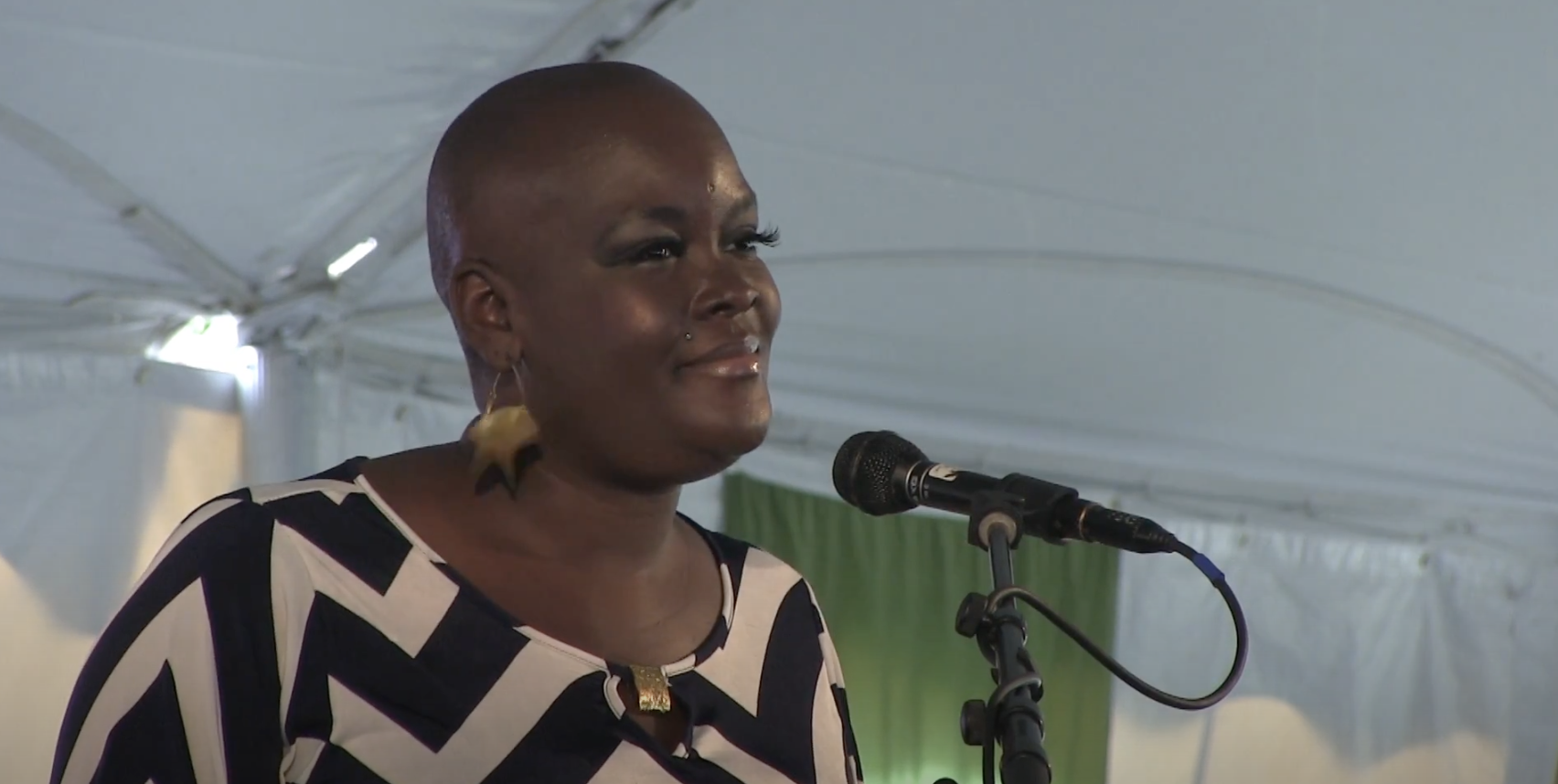
Walking into a Sonya Renee Taylor session means encountering someone who treats political education like revival—not in the evangelical sense, but in the sense of waking something already present. Her teaching comes out of the slam poetry circuit, where she earned a national championship in 2003, and that background remains visible. The pacing of her talks carries rhythmic intentionality. Words land with emphasis. Silence gets used as punctuation. She'll pause after a provocation, letting it settle before moving forward. This is performance training repurposed for pedagogy, and it creates an atmosphere that feels less like lecture and more like witnessing.

Her sessions, whether hour-long keynotes or multi-day retreats, typically move between direct instruction, guided reflection, and what she calls "shame interruption exercises." She often begins by naming the systems at play—white supremacy, ableism, capitalism—then quickly pivots inward, asking participants to notice where those systems live in their own bodies and thoughts. The structure is predictable in the way liturgy is predictable: you know the arc, but the repetition is part of the method. The work doesn't aim for novelty. It aims for practice.

The Central Questions

Taylor consistently pushes participants to sit with questions that have no clean answers. Where does your shame live? What would change if you believed your body was not an apology? How does your personal body shame uphold systemic oppression? These aren't rhetorical flourishes. She gives people time to write, to sit in discomfort, to resist the urge to answer quickly. The questions are designed to expose the connective tissue between individual internalized oppression and structural violence—the through-line that animates all her work since founding The Body Is Not An Apology in 2011.

She returns again and again to the relationship between shame and control, framing body-based oppression not as a side effect of other systems but as foundational to them. In her teaching, fatphobia isn't separate from racism, which isn't separate from ableism. This intersectional framing, heavily influenced by Black feminist thought and disability justice movements, means the work refuses to let anyone off the hook. If you came hoping to focus only on your particular axis of oppression, her method will redirect you toward complicity and interconnection.

Delivery and Aesthetic

Taylor's delivery blends spoken word cadence with the direct address of Black sermonic tradition. She uses humor, but sparingly—a raised eyebrow, a well-timed aside that acknowledges the absurdity of supremacist logic. The laughter she generates tends to be the uncomfortable kind, recognition humor. She tells stories from her own life—childhood experiences of body shame, moments of awakening—but never as confession. The personal material functions as illustration, not catharsis. She's not processing onstage; she's demonstrating methodology.

Silence plays a larger role than in many social justice educational spaces. She'll let a room sit quiet for what feels, especially in our current moment, like an unbearably long time. This refusal to fill空 every second is itself a teaching: that discomfort has information, that not everything requires immediate resolution.

Who It's For

This teaching lands most readily for people already somewhat versed in intersectional frameworks and ready to do internal work, not just intellectual work. Taylor assumes familiarity with terms like "white supremacy" and "body-based oppression" without extensive definition. Newcomers to social justice discourse may find the entry point steep. Her approach also requires a willingness to implicate oneself—to move beyond allyship performance toward examining personal participation in oppressive systems.

The work may bounce off those seeking either pure theory or pure therapy. Taylor operates in the space between: political education that insists the body matters, embodiment work that refuses to ignore structure. People uncomfortable with emotional vulnerability in educational settings, or those skeptical of bringing the personal into political analysis, will likely resist her method.

Additionally, her framework centers radical self-love as revolutionary praxis, which can feel incompatible with certain activist traditions that emphasize collective duty over individual healing. Critics from more traditional left organizing backgrounds sometimes dismiss body positivity work as liberal individualism. Taylor anticipates this critique but doesn't retreat from it, arguing instead that the binary between self-work and systemic work is false.

Tradition and Lineage

Taylor belongs to a teaching tradition that runs through Black feminist thought, particularly the Combahee River Collective's insistence that personal experience constitutes legitimate political knowledge. Her work also draws from disability justice educators like Patty Berne and Mia Mingus, poets who teach like Audre Lorde and June Jordan, and the embodied pedagogy emerging from somatics and transformative justice circles. She's part of a generation translating academic intersectionality into accessible movement practice—creating frameworks that work in community centers, not just universities.

Her contribution is making body liberation legible as political strategy, not lifestyle branding. Whether that claim holds up under scrutiny is precisely what her teaching asks us to examine.
Sonya Renee Taylor
AboutSonya Renee Taylor

Sonya Renee Taylor is a poet, activist, and founder of The Body Is Not An Apology movement, known for pioneering radical self-love as a framework for social justice. Her work bridg…

View profile

Continue Reading

More about Sonya Renee Taylor

View All
Who Is Sonya Renee Taylor? Life, Work, and Legacy
Article

Who Is Sonya Renee Taylor? Life, Work, and Legacy

The Music of Sonya Renee Taylor: Sound, Sacred Texture, and Lineage
Article

The Music of Sonya Renee Taylor: Sound, Sacred Texture, and Lineage

Essential Sonya Renee Taylor Albums: A Listening Guide
Article

Essential Sonya Renee Taylor Albums: A Listening Guide

Where to Start with Sonya Renee Taylor: A Beginner's Guide
Article

Where to Start with Sonya Renee Taylor: A Beginner's Guide

Keep exploring

Continue your journey

More wisdom and gatherings from across the BrightStar directory.

More Articles

Browse the full library of teachings, interviews, and guides.

Back to all articles →

Teachers & Artists

Explore the lineages, musicians, and guides of the conscious world.

Explore artists →

Find an Event

Kirtan, retreats, sound baths, breathwork, festivals — happening soon.

Browse events →