BrightStar

Parcourir tous les Events

Discover conscious gatherings

events

Yoga
Meditation
Breathwork
Qigong
Tai Chi
Sacred Music
World Music
Medicine Music
Sound Healing
Ecstatic Dance
Destinations populaires
BaliSedonaLos AngelesCosta RicaNew YorkSan FranciscoAustinMiamiJoshua TreeTulum
Voir toutes les catégoriesVoir toutes les destinations

Explorer toutes les fonctionnalités

Des outils puissants pour développer vos événements

Fonctionnalités de la plateforme

Tarification dynamique intelligente
Catégories de billets
Places assignées
Récupération des paniers abandonnés
Récupération des visiteurs
Dons & Prix variables
Système d'affiliation
Scanner de billets
Codes promo
Questions personnalisées
Partage de billets
Ventes additionnelles & Options
Analyses & Rapports
Séquences d'emails
Liste d'attente / Notifier / Rappeler
Personnes & Lieux
Artists & TeachersEvent OrganizersVenues & StudiosKnowledge BaseGlossaryInspiration
Voir toutes les fonctionnalitésÀ propos
TarifsBlog
Parcourir tous les événements

events

YogaMeditationBreathworkQigongTai ChiSacred MusicWorld MusicMedicine Music

Destinations populaires

BaliSedonaLos AngelesCosta RicaNew YorkSan Francisco

Personnes & Lieux

Artists & TeachersEvent OrganizersVenues & StudiosKnowledge BaseGlossaryInspiration

Fonctionnalités de la plateforme

Tarification dynamique intelligenteCatégories de billetsPlaces assignéesRécupération des paniers abandonnésRécupération des visiteursDons & Prix variablesSystème d'affiliationScanner de billetsCodes promoQuestions personnaliséesPartage de billetsVentes additionnelles & OptionsAnalyses & RapportsSéquences d'emailsListe d'attente / Notifier / Rappeler
Voir toutes les fonctionnalitésÀ propos
TarifsBlog
ConnexionChercheursCréateurs
Tibetan BuddhistOm Mani Padme Hum · Om Mani Padme Hum · Om Mani Padme Hum · Om Mani Padme Hum · Om Mani Padme Hum ·
  • Parcourir tous les Events
  • Pour les chercheurs
  • Yoga
  • Meditation
  • Breathwork
  • Qigong
  • Tai Chi
  • Sacred Music
  • Retraites
  • Ateliers
  • Toutes les catégories →
  • Bali
  • Sedona
  • Los Angeles
  • Costa Rica
  • Tulum
  • Byron Bay
  • San Francisco
  • Austin
  • Toutes les villes →
  • Pour les créateurs
  • For Teams
  • Pour les écrivains
  • Pour les enseignants
  • Pour les artistes de kirtan
  • Pour les studios
  • Pour les festivals
  • Pour les centres de retraite
  • Pour les associations
  • Ambassadeur de marque
  • Études de cas
  • Seva
  • Elevate
  • Amplify
  • Réseau de 350K+ acheteurs
  • Récupération des paniers abandonnés
  • Tarification dynamique intelligente
  • Catégories de billets
  • Événements récurrents
  • Places assignées
  • Système d'affiliation
  • Liste d'attente / Notifier
  • Scanner de billets
  • Widget intégrable
  • Event Syndication
  • Message Center
  • Integrations
  • Reports
  • Toutes les fonctionnalités →
  • À propos
  • The Ecosystem
  • Blog
  • Glossaire
  • Inspiration
  • Centre d'aide
  • Contact
  • Documentation API
  • Ressources de marque
  • Carrières
  • Presse
  • Conditions d'utilisation
  • Politique de confidentialité

Events

  • Parcourir tous les Events
  • Pour les chercheurs
  • Yoga
  • Meditation
  • Breathwork
  • Qigong
  • Tai Chi
  • Sacred Music
  • Retraites
  • Ateliers
  • Toutes les catégories →

Destinations

  • Bali
  • Sedona
  • Los Angeles
  • Costa Rica
  • Tulum
  • Byron Bay
  • San Francisco
  • Austin
  • Toutes les villes →

Pour les créateurs

  • Pour les créateurs
  • For Teams
  • Pour les écrivains
  • Pour les enseignants
  • Pour les artistes de kirtan
  • Pour les studios
  • Pour les festivals
  • Pour les centres de retraite
  • Pour les associations
  • Ambassadeur de marque
  • Études de cas
  • Seva
  • Elevate
  • Amplify

Fonctionnalités

  • Réseau de 350K+ acheteurs
  • Récupération des paniers abandonnés
  • Tarification dynamique intelligente
  • Catégories de billets
  • Événements récurrents
  • Places assignées
  • Système d'affiliation
  • Liste d'attente / Notifier
  • Scanner de billets
  • Widget intégrable
  • Event Syndication
  • Message Center
  • Integrations
  • Reports
  • Toutes les fonctionnalités →

Entreprise

  • À propos
  • The Ecosystem
  • Blog
  • Glossaire
  • Inspiration
  • Centre d'aide
  • Contact
  • Documentation API
  • Ressources de marque
  • Carrières
  • Presse
  • Conditions d'utilisation
  • Politique de confidentialité
BrightStar
© 2026 BrightStar. Tous droits réservés.
Back to Rupda
Rupda's Teaching: Approach, Method, and Voice
Teaching

Rupda's Teaching: Approach, Method, and Voice

A session with Rupda does not begin with questions about your story. It begins with attention to what is happening now—the tightness in your chest, the flutter beneath your ribs, the quality of your breath as you settle into the chair. The room is quiet.

Rupda
Rupda
Jul 18, 2026
3 min read
Read · 3 sections

Rupda's Teaching: Approach, Method, and Voice

A session with Rupda does not begin with questions about your story. It begins with attention to what is happening now—the tightness in your chest, the flutter beneath your ribs, the quality of your breath as you settle into the chair. The room is quiet. There is no rush to speak. Rupda's gaze is steady but not intrusive, and the silence holds until something shifts: a sigh, a subtle adjustment in posture, a flicker of recognition that the body has something to say before language arrives.

This is the grammar of Rupda's work. Over 45 years of practice, they have refined a teaching style rooted in somatic attention—healing that begins not with cognitive insight or narrative coherence, but with the lived experience of the nervous system. Sessions feel less like therapy in the conventional sense and more like careful archaeological work, unearthing what the body has stored and guarded. Rupda tracks sensation with precision, offering language where students may have none: "Notice the heat rising," or "What does that tightness want to do?" The pacing is deliberate, sometimes maddeningly slow for those accustomed to progress measured in breakthroughs.

In retreats, this approach expands into group process. Participants move through embodied exercises, partner work, and periods of solo reflection. Rupda facilitates demonstrations—working with a single person while the group witnesses—and these become teaching moments about presence, about tracking, about what it means to hold space without collapsing or fixing. The aesthetic is spare. There is little performance here, no charismatic storytelling or theatrical revelation. Rupda uses story when necessary, but more often returns to the immediate: "What's alive in you right now?" The teaching unfolds through repetition and refinement rather than crescendo.

Recurring Themes and Questions

Certain themes surface again and again. The relationship between safety and capacity. The ways trauma lives not as memory alone but as incomplete physical responses—freeze, collapse, bracing—that the nervous system continues to enact. The difference between thinking about healing and feeling the micro-shifts that constitute it. Rupda returns consistently to the question of presence: not as abstract mindfulness, but as the specific, embodied capacity to remain with discomfort, sensation, and aliveness without dissociating or numbing.

They push students to sit with uncomfortable questions. What are you avoiding by staying busy in your head? What does your body know that you refuse to hear? Can you tolerate feeling good? This last question—often the hardest—points to a core paradox in trauma work: that the nervous system habituated to threat may resist ease as dangerous unfamiliarity.

The facilitator trainings add another layer: the ethics and mechanics of holding therapeutic space. Rupda emphasizes that technique without embodied self-awareness becomes manipulation or performance. Trainees are asked to confront their own unmetabolized material, their rescuer patterns, their need to be seen as helpful. It's unglamorous work, requiring repeated examination of one's own nervous system activation while attempting to support another's.

Lineage and Limitations

Rupda's work belongs to the somatic therapy lineage that emerged in the late twentieth century—practices like Somatic Experiencing, Hakomi, and trauma-informed bodywork that challenge the dominance of cognitive and narrative models. This is therapeutic territory influenced by neuroscience, attachment theory, and body-centered practices that preceded contemporary trauma discourse. The emphasis on heart-centered presence adds a dimension that gestures toward contemplative traditions, though Rupda's teaching remains firmly anchored in therapeutic rather than spiritual language.

This work lands deeply for those ready to slow down and metabolize sensation rather than sprint toward insight. It serves people exhausted by talking about trauma without relief, and practitioners weary of techniques that feel divorced from genuine contact. But it can bounce off those seeking dramatic catharsis, clear protocols, or rapid resolution. Rupda's teaching demands patience and tolerance for ambiguity. Progress is measured in millimeters—a slightly deeper breath, a moment of sustained presence with discomfort, the gradual expansion of the nervous system's capacity.

For students steeped in intellectual or spiritual bypassing, the insistence on returning to raw sensation can feel reductive or frustrating. And for those seeking a warm, relational holding, Rupda's spare presence may read as withholding. This is teaching that refuses to comfort prematurely, that trusts the body's intelligence more than the facilitator's interpretations. It is serious work, offered seriously, by someone who has spent decades in the unglamorous, essential labor of helping people come home to themselves.
Rupda
AboutRupda

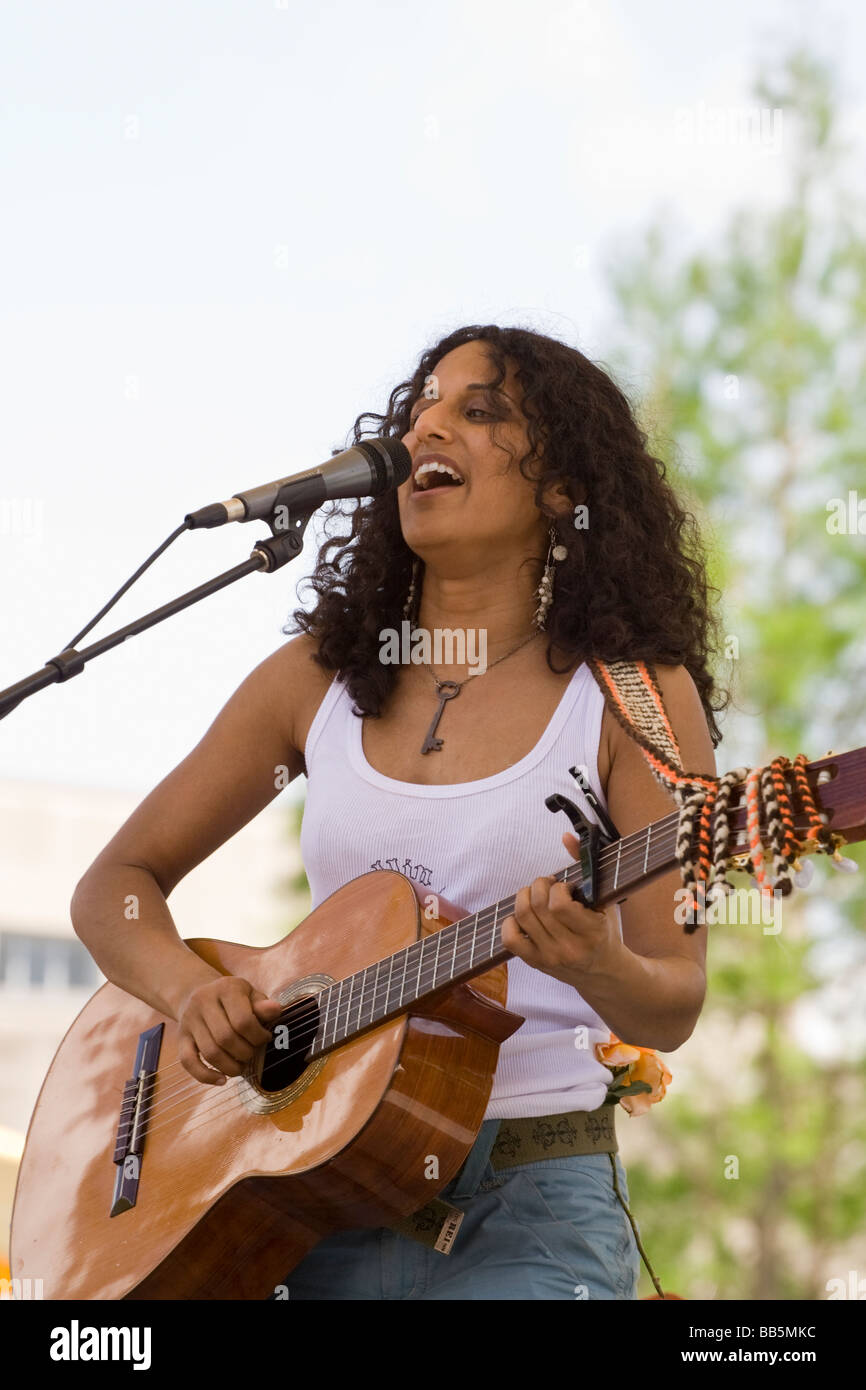
Rupda is a trauma therapist and facilitator who has practiced somatic and embodied transformation work for over four decades. Their heart-centered approach integrates body-based he…

View profileWebsite

Continue Reading

More about Rupda

View All
Where to Start with Rupda: A Beginner's Guide
Article

Where to Start with Rupda: A Beginner's Guide

Who Is Rupda? Life, Work, and Legacy
Article

Who Is Rupda? Life, Work, and Legacy

Keep exploring

Continue your journey

More wisdom and gatherings from across the BrightStar directory.

More Articles

Browse the full library of teachings, interviews, and guides.

Back to all articles →

Teachers & Artists

Explore the lineages, musicians, and guides of the conscious world.

Explore artists →

Find an Event

Kirtan, retreats, sound baths, breathwork, festivals — happening soon.

Browse events →