BrightStar

Parcourir tous les Events

Discover conscious gatherings

events

Yoga
Meditation
Breathwork
Qigong
Tai Chi
Sacred Music
World Music
Medicine Music
Sound Healing
Ecstatic Dance
Destinations populaires
BaliSedonaLos AngelesCosta RicaNew YorkSan FranciscoAustinMiamiJoshua TreeTulum
Voir toutes les catégoriesVoir toutes les destinations

Explorer toutes les fonctionnalités

Des outils puissants pour développer vos événements

Fonctionnalités de la plateforme

Tarification dynamique intelligente
Catégories de billets
Places assignées
Récupération des paniers abandonnés
Récupération des visiteurs
Dons & Prix variables
Système d'affiliation
Scanner de billets
Codes promo
Questions personnalisées
Partage de billets
Ventes additionnelles & Options
Analyses & Rapports
Séquences d'emails
Liste d'attente / Notifier / Rappeler
Personnes & Lieux
Artists & TeachersEvent OrganizersVenues & StudiosKnowledge BaseGlossaryInspiration
Voir toutes les fonctionnalitésÀ propos
TarifsBlog
Parcourir tous les événements

events

YogaMeditationBreathworkQigongTai ChiSacred MusicWorld MusicMedicine Music

Destinations populaires

BaliSedonaLos AngelesCosta RicaNew YorkSan Francisco

Personnes & Lieux

Artists & TeachersEvent OrganizersVenues & StudiosKnowledge BaseGlossaryInspiration

Fonctionnalités de la plateforme

Tarification dynamique intelligenteCatégories de billetsPlaces assignéesRécupération des paniers abandonnésRécupération des visiteursDons & Prix variablesSystème d'affiliationScanner de billetsCodes promoQuestions personnaliséesPartage de billetsVentes additionnelles & OptionsAnalyses & RapportsSéquences d'emailsListe d'attente / Notifier / Rappeler
Voir toutes les fonctionnalitésÀ propos
TarifsBlog
ConnexionChercheursCréateurs
Tibetan BuddhistOm Mani Padme Hum · Om Mani Padme Hum · Om Mani Padme Hum · Om Mani Padme Hum · Om Mani Padme Hum ·
  • Parcourir tous les Events
  • Pour les chercheurs
  • Yoga
  • Meditation
  • Breathwork
  • Qigong
  • Tai Chi
  • Sacred Music
  • Retraites
  • Ateliers
  • Toutes les catégories →
  • Bali
  • Sedona
  • Los Angeles
  • Costa Rica
  • Tulum
  • Byron Bay
  • San Francisco
  • Austin
  • Toutes les villes →
  • Pour les créateurs
  • For Teams
  • Pour les écrivains
  • Pour les enseignants
  • Pour les artistes de kirtan
  • Pour les studios
  • Pour les festivals
  • Pour les centres de retraite
  • Pour les associations
  • Ambassadeur de marque
  • Études de cas
  • Seva
  • Elevate
  • Amplify
  • Réseau de 350K+ acheteurs
  • Récupération des paniers abandonnés
  • Tarification dynamique intelligente
  • Catégories de billets
  • Événements récurrents
  • Places assignées
  • Système d'affiliation
  • Liste d'attente / Notifier
  • Scanner de billets
  • Widget intégrable
  • Event Syndication
  • Message Center
  • Integrations
  • Reports
  • Toutes les fonctionnalités →
  • À propos
  • The Ecosystem
  • Blog
  • Glossaire
  • Inspiration
  • Centre d'aide
  • Contact
  • Documentation API
  • Ressources de marque
  • Carrières
  • Presse
  • Conditions d'utilisation
  • Politique de confidentialité

Events

  • Parcourir tous les Events
  • Pour les chercheurs
  • Yoga
  • Meditation
  • Breathwork
  • Qigong
  • Tai Chi
  • Sacred Music
  • Retraites
  • Ateliers
  • Toutes les catégories →

Destinations

  • Bali
  • Sedona
  • Los Angeles
  • Costa Rica
  • Tulum
  • Byron Bay
  • San Francisco
  • Austin
  • Toutes les villes →

Pour les créateurs

  • Pour les créateurs
  • For Teams
  • Pour les écrivains
  • Pour les enseignants
  • Pour les artistes de kirtan
  • Pour les studios
  • Pour les festivals
  • Pour les centres de retraite
  • Pour les associations
  • Ambassadeur de marque
  • Études de cas
  • Seva
  • Elevate
  • Amplify

Fonctionnalités

  • Réseau de 350K+ acheteurs
  • Récupération des paniers abandonnés
  • Tarification dynamique intelligente
  • Catégories de billets
  • Événements récurrents
  • Places assignées
  • Système d'affiliation
  • Liste d'attente / Notifier
  • Scanner de billets
  • Widget intégrable
  • Event Syndication
  • Message Center
  • Integrations
  • Reports
  • Toutes les fonctionnalités →

Entreprise

  • À propos
  • The Ecosystem
  • Blog
  • Glossaire
  • Inspiration
  • Centre d'aide
  • Contact
  • Documentation API
  • Ressources de marque
  • Carrières
  • Presse
  • Conditions d'utilisation
  • Politique de confidentialité
BrightStar
© 2026 BrightStar. Tous droits réservés.
Back to Radhika Das
Radhika Das's Teaching: Approach, Method, and Voice
Teaching

Radhika Das's Teaching: Approach, Method, and Voice

A typical evening with Radhika Das begins not with fanfare but with arrival—people settling into chairs or cushions, the ambient hum of a gathering space. The musician sits, often cross-legged, with his ensemble: tabla, harmonium, violin.

RD
Radhika Das
Jul 9, 2026
4 min read
Read · 7 sections

Radhika Das's Teaching: Approach, Method, and Voice

The Shape of a Session

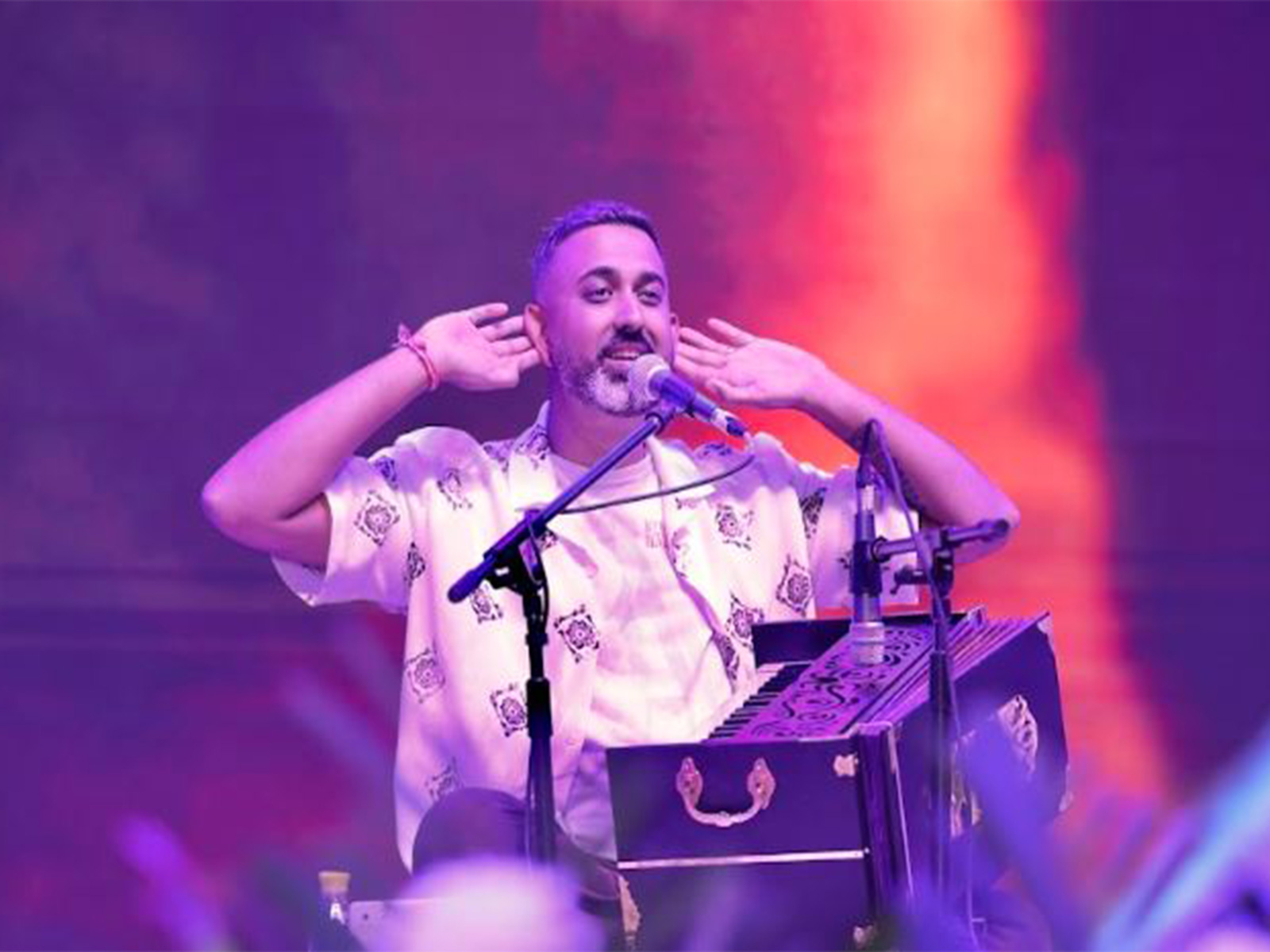
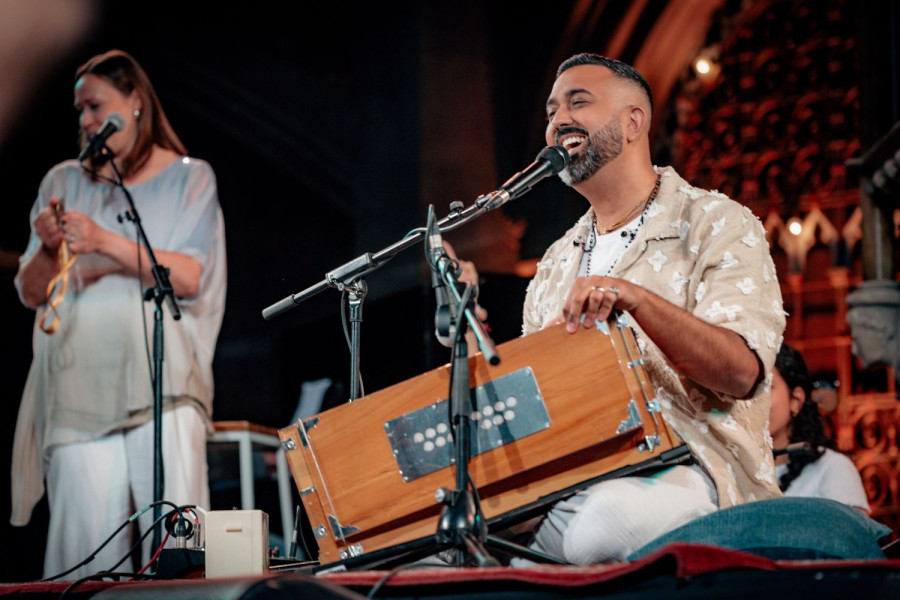
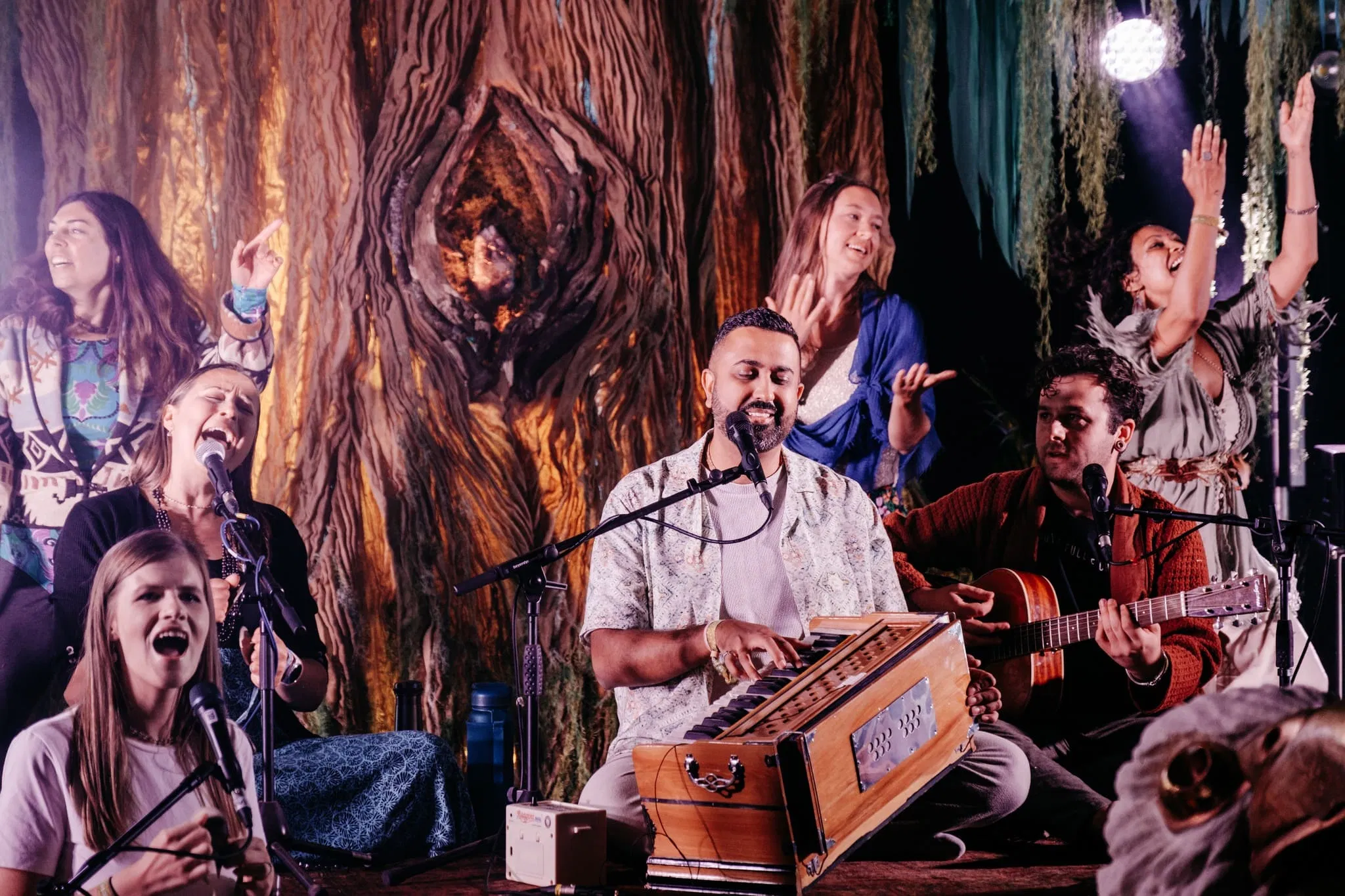
A typical evening with Radhika Das begins not with fanfare but with arrival—people settling into chairs or cushions, the ambient hum of a gathering space. The musician sits, often cross-legged, with his ensemble: tabla, harmonium, violin. There is no lecture podium, no stage separation. What unfolds over the next hour or two is neither concert nor sermon, but something closer to collective remembering.

He typically opens with a brief invocation or story—sometimes drawn from scripture, sometimes from his own observation of contemporary life. This functions less as entertainment and more as orientation, a way of signaling what kind of listening is being asked for. Then the chanting begins. The melodies are repetitive by design; a single mantra might be sung for ten, fifteen, twenty minutes, the melody shifting subtly as musicians and voices find their way deeper into the resonance. Radhika doesn't perform at the room; he enters the chant alongside everyone else, his voice becoming part of the collective body rather than its focal point.

The architecture is deliberate. Silence punctuates the singing—moments where the chanting stops and participants sit with whatever has been stirred. These pauses matter as much as the sound itself. The evening closes gently, often with a final mantra held longer than the rest, before a slow return to ordinary awareness.

Recurring Themes

Across his teaching—whether in formal retreats, London's Union Chapel, or international venues—certain preoccupations surface repeatedly. Chief among them is the notion of remembrance: that spiritual practice is fundamentally about remembering what one has forgotten, not acquiring something new. This sits at odds with contemporary spirituality's emphasis on optimization and self-improvement.

He returns insistently to the heart. Not metaphorically alone, but as a real seat of knowing, a location where thinking and feeling refuse separation. In a culture that venerates the thinking mind, his insistence that the heart has its own intelligence reads as both ancient and countercultural.

There is also his careful, unflinching treatment of longing—the ache he traces back to his own teenage years when he first encountered monks whose presence awakened something unnamed in him. He doesn't sentimentalize this longing or offer glib solutions. Instead, he positions it as the engine of genuine seeking, something to honor rather than pacify.

Questions at the Center

The work Radhika invites students to sit with are not comfortable ones. Chief among them: What are you really hungry for? Beneath the surface request for stress relief or mindfulness, what is the actual ache? He suggests that many who come to kirtan are fleeing something they can't name, and that this flight—if met with honesty—becomes a path.

He also asks: What does it mean to surrender? This question moves through his teaching like an underground river. In a hyperindividualistic moment, the vulnerability required to chant with others, to let your voice join a collective sound, to admit you don't have all the answers—these become radical acts.

And implicitly: Can sound itself teach? His pedagogy trusts that mantra, raga, rhythm carry wisdom that bypasses analytical mind. This isn't anti-intellectual; it's an acknowledgment that the body, the nervous system, the heart, know things the thinking mind cannot access.

Aesthetic and Delivery

Radhika's teaching voice is notably spare. He uses humor, but it is dry, observational, never deployed to defuse genuine inquiry. He tells stories—about his guru, his own practice, encounters with doubt—but these land with specificity rather than abstraction. He quotes scripture when he does, but often refracts it through contemporary life, refusing the false divide between "spiritual" and "ordinary."

His greatest aesthetic tool is silence. He is comfortable with extended quiet in a room, trusting that participants are working with the reverberations of chant rather than needing constant guidance. This patience—both his own and what he asks of others—distinguishes his work from more entertainment-oriented approaches to kirtan.

Who It Lands For, Who It Doesn't

His teaching resonates deeply with those already oriented toward devotional practice, those with a lineage connection to Bhakti Yoga, and those hungry for something that cannot be purchased or optimized. It speaks to seekers genuinely willing to sit with discomfort, to let discipline and surrender reshape them.

It will likely feel oblique to those seeking immediate stress relief, those skeptical of religious or scriptural frameworks, or those uncomfortable with emotional vulnerability in group settings. His refusal to secularize or psychologize his teaching—to strip it of its devotional depth—means some approach it as quaint rather than urgent.

The Tradition He Carries

Radhika Das belongs squarely within the lineage of Bhakti Yoga, specifically the devotional schools that emphasize the heart's capacity for direct relationship with the divine. His adoption of the name "Das"—servant—signals this clearly; he is not a guru dispensing wisdom but a practitioner serving a practice that precedes him. He carries forward a tradition stretching back through centuries of devotional teachers while insisting its questions remain contemporary and vital. He is, in short, neither fundamentalist nor diluter, but a serious tradesman doing serious work in an unserous age.

RD
AboutRadhika Das

London-born kirtan singer sharing the devotional practice of Bhakti mantra meditation with audiences worldwide.

View profileWebsite

Continue Reading

More about Radhika Das

View All
Who Is Radhika Das? Life, Work, and Legacy
Article

Who Is Radhika Das? Life, Work, and Legacy

The Music of Radhika Das: Sound, Sacred Texture, and Lineage
Article

The Music of Radhika Das: Sound, Sacred Texture, and Lineage

Mantra by Radhika Das: A Listening Guide
Article

Mantra by Radhika Das: A Listening Guide

Essential Radhika Das Albums: A Listening Guide
Article

Essential Radhika Das Albums: A Listening Guide

Keep exploring

Continue your journey

More wisdom and gatherings from across the BrightStar directory.

More Articles

Browse the full library of teachings, interviews, and guides.

Back to all articles →

Teachers & Artists

Explore the lineages, musicians, and guides of the conscious world.

Explore artists →

Find an Event

Kirtan, retreats, sound baths, breathwork, festivals — happening soon.

Browse events →