
John de Kadt's story work stretches back more than twenty-five years, but his documented recordings begin in 2004 with Kora Sutra. From there the catalog moves from rhythm-centered albums in the mid-2000s toward kirtan, chant, and devotional song. Along the way he became a poet and storyteller, a DrumStory performer, a founding member of The Rememberers, and the creator of BlessFest. The releases below include full albums, compilation appearances, and singles, so they are best heard as a trail of breadcrumbs rather than a strict ladder. What stays constant is his stated devotion to slowing the world down and returning to the tempo of nature. Read from newest to oldest, the guide goes from a present-day single back to the earliest rhythms.
2026 · Single. Lumina is the newest entry in the catalog, and the title suggests light, which suits an artist so concerned with remembrance and clarity. As a single it is a small, focused offering rather than a full journey, a good way to hear where his sound sits today. It works as a bookend to the long arc described above. After two decades of drums, chants, and collaborations, it shows a musician still releasing new work and still circling the same themes of presence and return. Listen to it as a postcard from the present moment. Start with the title track itself, Lumina, and let it set the tone before you travel backward through the catalog.

2024 · Album. Jila Ji is the most recent full-length album in the catalog, which makes it the best snapshot of John de Kadt as a mature artist. Its title carries a devotional, affectionate tone, in keeping with the kirtan-leading side of his work. Expect an album built for sitting, breathing, and singing along rather than for background listening. In his arc it follows the community-minded years of BlessFest and The Rememberers, and it feels like the fruit of that gathering energy. It rewards a quiet evening and a little patience. With no tracklist to point to, begin with the opening track and let the sequence unfold in the order he intended.

2022 · Single. Lila is a Sanskrit word often associated with divine play, and this remix gives that idea a contemporary spin. It is the one place in the catalog where his devotional material meets a remixer's touch, in this case Dersy. That makes it a bridge for listeners who come from electronic or dance-floor spaces rather than the kirtan circle. In the arc it marks a willingness to let his songs travel into new settings. It is brief and rhythmic, and it invites movement. The track to drop into is the only one on offer, "Lila (Dersy Remix)," which is a gentle way to see how his music behaves in a modern, produced context.

2018 · Single. The names Radhe and Shyam point to the heart of bhakti tradition, so this single sits squarely in his devotional territory. The year 2018 is also when BlessFest began, and the release feels connected to that spirit of community and sacred gathering. It is a compact piece, suited to a morning practice or a quiet walk. In the arc it captures the point where his kirtan-leading became central to his public identity. Treat it as a doorway rather than a destination. Begin with the title track, "Radhe Shyam Vibrations," and notice how the repeated names open a spacious, meditative state.

2015 · Compilation. This is a compilation rather than a solo studio statement, built for yoga classes and Sanskrit chanting. It places his voice among a wider community of practitioners, which tells you something about how his music has been used in the world: as a companion to movement and breath. In the arc it falls between his album work and his later singles, showing his reach into the yoga community. It is functional in the best sense, meant to support practice rather than demand attention. Without a confirmed tracklist, start at the top and treat the first chant as your cue to settle in before your next class.
2013 · Album. The title reads like an instruction, and the album plays like one: an invitation to soften, release, and trust. It is among the most emotionally direct entries in the catalog, a good fit for listeners drawn to heart-centered chanting and song. It comes after the collaborative energy of 2012 and before the devotional singles that follow, so it holds the middle of his arc with warmth. This is an album for lingering, ideally with the lights low. With no tracklist confirmed, begin with the opening track, then let the whole record play through without skipping, since the sequencing appears to be part of the experience.
2012 · Compilation. Bhakti Fest is a compilation tied to the festival world of devotional music, where kirtan artists share a stage and a crowd sings together. His presence here shows his early roots in that community, long before he created BlessFest. It captures the festival atmosphere more than it presents a single artistic vision, so listen for the communal feeling rather than a tight narrative. In the arc it marks a moment of connection with the wider bhakti scene. It also works as a sampler of the tradition he belongs to. Begin at the first track and treat the full compilation as a tour of the gathering.
2012 · Album. One River is an image of unity: many streams, one flow. That fits a musician who approaches story and song as ritual and remembrance. It is a full album from a productive year and one of the clearest places to hear his voice and instruments carry a continuous mood. In the arc it sits after the rhythm experiments of the 2000s and signals a deeper move toward devotion and gathering. It suits a long, unhurried listen, perhaps by water if you can manage it. Without a confirmed tracklist, drop in at the opening track and let it carry you downstream.
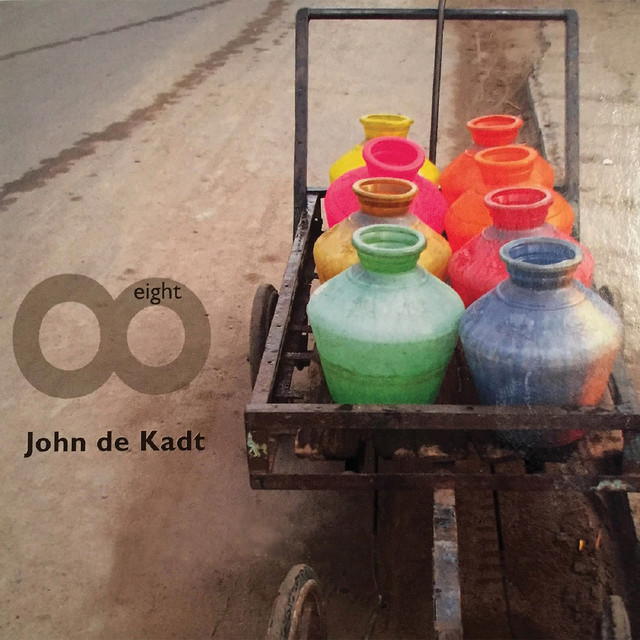
2008 · Album. Eight is a compact, numerically titled album, and the title hints at a counted or cyclical idea, an infinity sign turned upright. It comes from the period when he was widening his palette beyond the first records, and it connects the early rhythm-driven work with the chant-focused releases ahead. Treat it as a transitional record, curious and searching rather than settled. It is useful for hearing how his musical vocabulary grew. With no confirmed tracklist, the best entry is the opening track, which will tell you quickly whether you want to follow him into the deeper, more devotional years that come after.
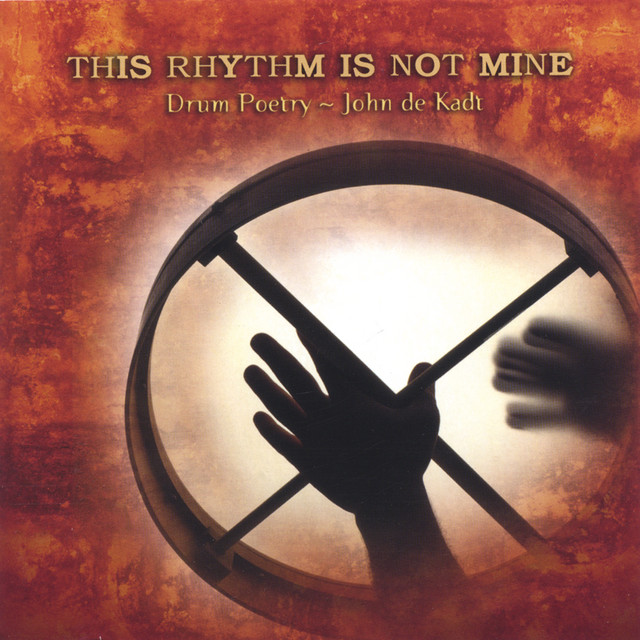
2005 · Album. The title is a humble statement, suggesting that the rhythm belongs to nature or tradition and he is merely its steward. That outlook matches the DrumStory approach, in which he plays percussive and melodic instruments from across the globe while telling ancient myths. This second album in the catalog is drum-forward in spirit and earthy in tone. In the arc it deepens the ideas planted by his debut and gives them more confidence. It is a good pick if you want to hear the roots of his percussion work. Begin with the opening track, and let the pulse establish itself before you decide where to go next.

2004 · Album. Kora Sutra is the earliest documented album, and its title nods to the kora, the West African stringed instrument, which fits his global instrument collection. It is the starting point for everything that follows: the percussion, the world-music curiosity, and the sense of music as a way to slow down. Because it is the beginning, it is best heard as origin rather than culmination. It has the charm of a first statement. For a new listener, it offers context for the later chants and kirtans. With no confirmed tracklist, start at the opening track and hear where the journey began.
Devotional: Jila Ji (2024). It is his most recent full album and the clearest expression of his kirtan-leading voice. If you want something shorter, try the single "Radhe Shyam Vibrations."
Contemplative: One River (2012). Its unified title and unhurried feel make it the best choice for sitting with a cup of tea and letting your thoughts settle.
Energetic: This Rhythm Is Not Mine (2005). It leads with the percussion that anchors his DrumStory work, so it is the one to choose when you want pulse and movement. For a modern spin, add "Lila (Dersy Remix)."
Healing: Let Go Into Love (2013). The title is an instruction for the heart. Play it when you need to release something, and let it do the quiet work. After that, return to Lumina to see where the light leads next.


