

Jim Gelcer's catalog begins in 2010 with Bhagavan, his debut kirtan album, made after a jazz-and-session career in Toronto and a turn toward Sivananda Yoga. Eight full albums anchor the story: Bhagavan, How High the Bird, Bhakti Groove Machine, Going Om, Melodies Pure and True, Jim and Paul Play Glenn and Ludwig, Cape Town to Kolkata and, most recently, Quiet Expanse (2025). Between them sit nineteen singles. From 2020 onward these gather into named themes: reconciliation, resistance, resilience, forgiveness, healing. The arc runs from devotional groove toward spacious, meditative restraint. Albums are listed newest first.

Released in 2025, this is the newest full album and the clearest picture of where Gelcer stands now. It is unhurried and open, with a drummer's instinct for leaving space and a chanter's patience with repetition. Phrases are allowed to settle rather than build toward climax. It sits at the far end of his arc, the point where fifteen years of kirtan meet a jazz musician's trust in silence. Track listings aren't documented here, so begin at track one and let the room around the voice teach you how to listen to everything else.

"Healing" is a 2025 single, and its title says what it offers: a short, gentle piece suited to the edges of a day, morning stillness or a wind-down hour. It belongs to the run of one-word, quality-named releases that define his recent period, each one a small vessel for a single intention. Within the arc, it shows him working in concentrated form after years of longer devotional sets. Drop into the title track itself. With a single release, there is nowhere else to begin, and that simplicity is the point.

Another 2025 single, "Hope" continues the thematic sequence that runs through his recent work. It carries the same intimate, meditation-paced spirit as its neighbors, offering a brief, steady lift rather than a dramatic one. In the larger story, it is part of a deliberate conversation about emotional and spiritual resilience, set against the harder subjects of his 2022 releases. Start with the title track, the single piece on the release. It pairs naturally with "Healing" if you want a gentle two-song sequence for a quiet evening or a slow morning.
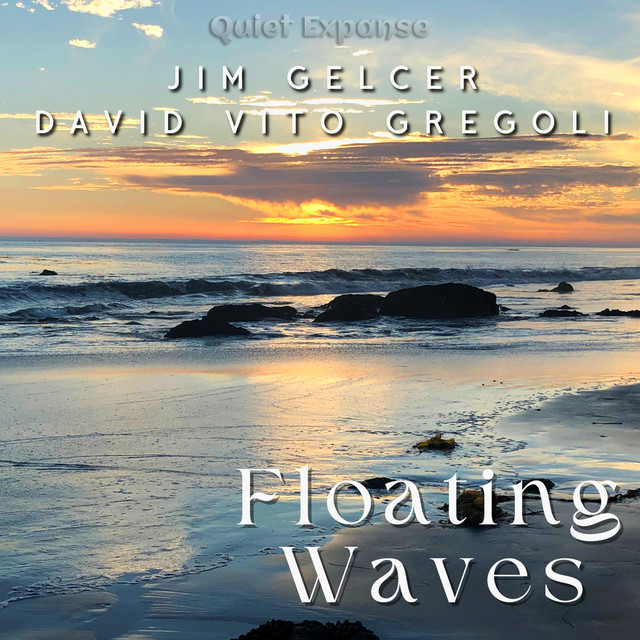
"Floating Waves," from 2025, has the most pictorial title of the recent singles, suggesting buoyancy, drift and release. Where his themed singles name virtues, this one names a sensation, and it suits listeners who want something to rest inside rather than reflect on. It fits his late-career pull toward spaciousness, the same instinct that shapes Quiet Expanse. The drop-in point is the title track, the only piece on the release. Let it play without much attention, the way you might watch water from a shoreline.
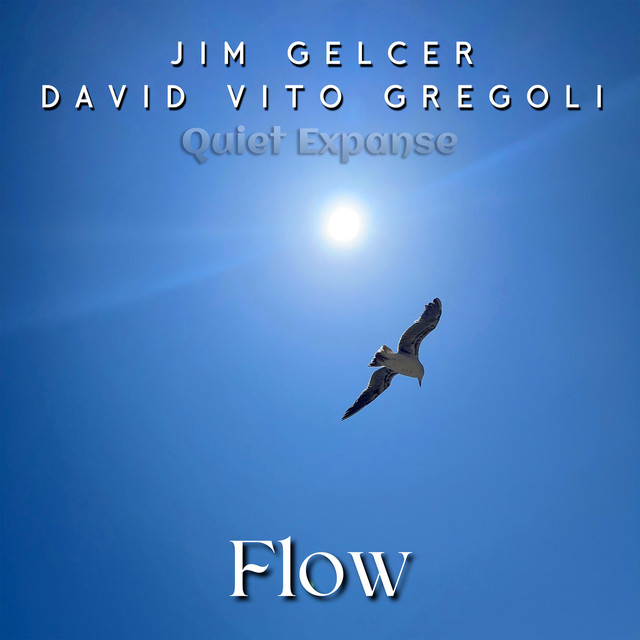
"Flow" is a 2025 single, and the title speaks to the continuity at the heart of both yoga practice and improvisation, two disciplines that shaped him. Within the arc it reads as a quiet nod to his jazz past, where phrases move into one another without effort. It is a compact entry in a busy release year, easy to slip into a practice playlist between more structured pieces. Begin with the title track, the single piece here, and notice how little it asks of you beyond staying present.

Released in 2025, this single takes its title from Erik Satie's celebrated piano miniature, a piece long loved for its calm, floating stillness. It is the one release in the recent run that points outward to the classical repertoire, echoing his earlier Glenn-and-Ludwig project. It shows a musician comfortable stepping outside kirtan while keeping its contemplative temperament. The drop-in point is the title track itself. Pair it with Quiet Expanse when you want gentle, unhurried listening that asks nothing of you.

"Letting Go" is a 2024 single, one of a cluster of themed releases that year addressing inner work. Its title names a practice that sits close to the heart of yoga: release, surrender, exhale. The pacing described in his recent music is slow and meditative, sometimes holding a single phrase for minutes, and this single fits that mold. In the arc it marks the period when he committed to short, intention-driven pieces. Start with the title track, the single piece, ideally at the end of a long day.

This 2024 single names a quality rather than a mood, and it fits a musician whose reputation rests on an honest blend of traditions. Gelcer has never presented kirtan as a pure artifact; he openly folds in jazz, R&B and rock. "Authenticity" lands in the middle of his 2024 thematic run, alongside forgiveness, resilience and compassion. As a single it is brief and focused. Drop into the title track, the only piece on the release, and listen for the plain sincerity of voice that sits at the core of his sound.

"Compassion," from 2024, is among the most devotional-feeling titles in his recent singles, echoing the bhakti path at the center of his practice. It sits within a sequence that treats emotional and ethical qualities as subjects for chant and reflection. For a newcomer, it can serve as a gentle entry into how he approaches contemporary themes through a traditional lens. The track to start with is the title track, the single piece on the release. It rewards a few repeat listens, as repetition is part of the method.

A 2024 single, "Resilience" speaks to endurance without bravado, which suits the restrained palette of his recent work. It follows the sharper-edged 2022 releases like "Warrior Spirit" and "Resistance," but with a quieter temperament, as if the lesson had moved from defiance toward steadiness. In the arc it shows him tracing the emotional landscape of the 2020s in small, deliberate steps. Start with the title track, the single piece here. It makes a good midday listen when you need grounding more than comfort.

"Forgiveness" is a 2024 single and one of the most emotionally direct titles in his catalog. It extends a thread that began with "Reconcile" in 2020, returning to the work of repair with more patience. The setting is meditative and unhurried, in keeping with the pacing of his recent output. Within the arc it feels like a companion to "Letting Go," and the two pair well in sequence. Drop into the title track, the single piece on the release, and give it unhurried time.
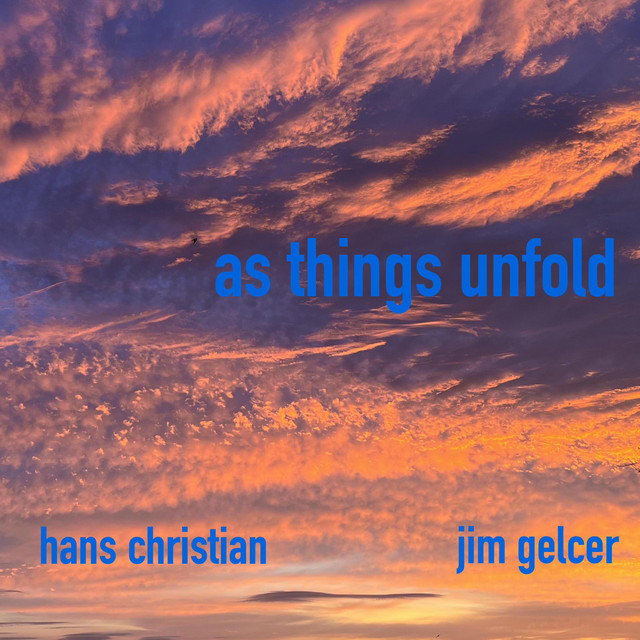
The only release from 2023, "As Things Unfold" is a single that bridges the heavier 2022 material and the thematic run that followed in 2024. Its title suggests acceptance of the way a practice, or a life, reveals itself over time. It is a quiet pivot in the arc, a pause between response to world events and a turn toward inner qualities. The drop-in point is the title track, the single piece here. It is a good choice if you prefer contemplation over declaration.
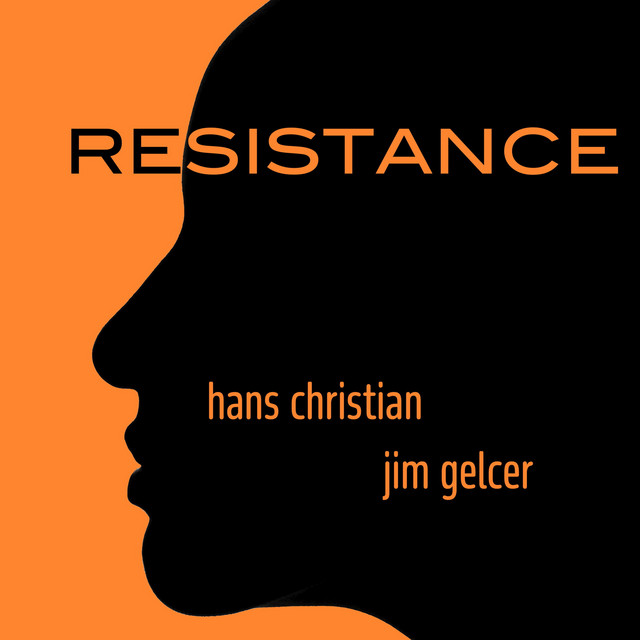
"Resistance," a 2022 single, belongs to a year in which Gelcer's music engaged directly with difficulty. The title carries tension rather than comfort, and it sits alongside "Warrior Spirit" and "Mariupol" as part of a more confrontational cluster. In the arc, it shows that his devotional practice was never meant as escape. Start with the title track, the single piece on the release. It is best approached with some attention to its title, since the word invites reflection on what we push against and why.
A 2022 single, "Warrior Spirit" reaches for strength and courage, and it may be the most outwardly energetic title among his recent releases. Still, his catalog favors restraint, so expect resolve rather than bombast. It fits the 2022 cluster of work responding to a troubled moment, and it points ahead to the "Resilience" of 2024. Begin with the title track, the only piece on the release. It suits listeners who want a sense of backbone in their practice music, balanced with calm.

"Mariupol," released in 2022, is an explicit response to the war in Ukraine, named for the besieged city. It stands out in the catalog as the moment his kirtan practice turned toward witness, showing he was willing to bring global grief into devotional music. Within the arc it is the most historically anchored release, and it shapes how the surrounding 2022 singles read. The drop-in point is the title track, the single piece. Approach it in a reflective frame of mind, with time afterward to sit quietly.
This 2022 single reimagines the 2020 original as an ambient remix, credited to Entheo. It is a good example of how his songs travel, since a piece first released as a song can be reshaped into something more atmospheric and open. In the arc it shows a willingness to hand material to other hands and hear it anew. Start with the title track, the single piece here. Listen to it after the original "Reconcile" for contrast, or on its own as a long exhale.

The wordplay in this 2021 single title, which joins science fiction and the yoga practice of final relaxation, shows a lighter, wry side of Gelcer. It points toward questions about technology and consciousness, and it is a rare moment of humor in a catalog mostly devoted to sincerity. In the arc, it sits between the 2020 releases and the more serious 2022 work. Drop into the title track, the single piece on the release. It is a natural choice for the end of a practice session, when stillness is the goal.

"Reconcile" is a 2020 single and the source for the ambient remix that followed in 2022. The title introduces a theme of repair that returns later in "Forgiveness." In the arc, it arrives in the first year of the single-driven era that followed his album run, when he began issuing shorter, idea-focused releases. Start with the title track, the only piece here. It is an easy way to meet his newer, compact format, and a good companion to "I Got Your Back," released the same year.
Also from 2020, this single carries a warm, plain-spoken title, one of friendship and support rather than abstraction. It reads as a gesture toward listeners during a difficult period, the kind of reassurance a teacher might offer a student. In the arc it sits alongside "Reconcile" at the start of his single era and shows an accessible, conversational side. Begin with the title track, the single piece on the release. It suits anyone who wants music that feels more like company than ceremony.
Released in 2019, this album takes its title from a journey: Gelcer was born in Cape Town, and Kolkata evokes the Indian tradition he embraced. It reads as his most autobiographical statement and places kirtan inside his larger life as a musician. In the arc, it is the last full album before the long run of singles, closing a chapter. Track listings aren't documented here, so begin at track one and let the title's geography guide you through the album's blend of origin and devotion.

This 2018 album is the outlier in the catalog. Its title suggests a duo interpreting classical repertoire, and it reflects the formal training behind his kirtan work. It shows the musician beneath the devotional singer, and it helps explain the arrangements elsewhere that feel more like chamber music than call-and-response. In the arc, it stands as a detour between the devotional albums and Cape Town to Kolkata. Track listings aren't documented here, so start at track one, and approach it as an instrumental-minded counterpoint to the chanting records.
This 2017 single carries a title drawn from the language of self-inquiry, with the line "I Am Not This Body" pointing toward the philosophical depth behind his practice. It is a lone single among the albums of this period, and it hints at the themed releases to come. In the arc, it marks the same year his term as musical director of Shri Fest ended. Drop into the title track, the single piece on the release. It rewards listeners who want to sit with the meaning of the words.

Released in 2016, this album's title promises clarity and sincerity, qualities the artist's work is known for. It arrives in the middle of his festival years and belongs to the stretch of devotional albums that followed Bhakti Groove Machine and Going Om. It is a good choice for listeners ready to go beyond the debut and hear him settle into his voice. Track listings aren't documented here, so begin at track one and let the album's own title set the standard for what you listen for.
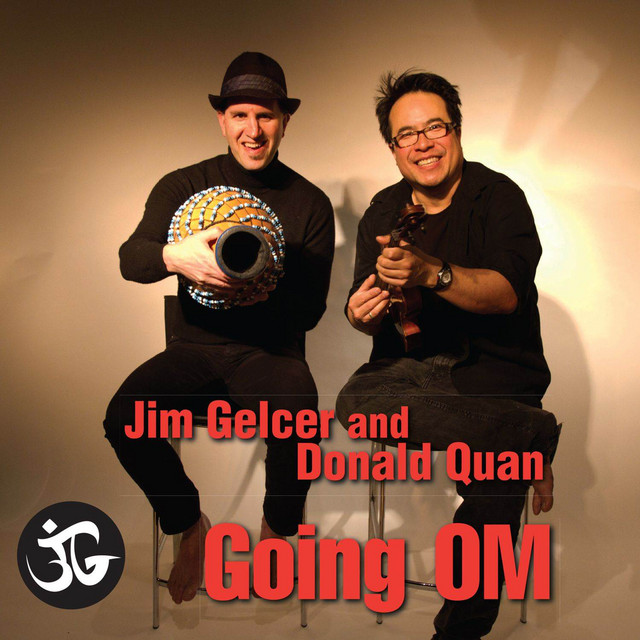
Going Om arrived in 2014, a year after Bhakti Groove Machine, and its playful title puns on the sacred syllable. It shows an artist at ease with his own tradition, comfortable with a light touch. In the arc, it sits in the productive middle period, when he was releasing regularly and leading kirtan at festivals. Track listings aren't documented here, so begin at track one. It is a friendly album for newcomers who find the idea of kirtan intimidating, and it carries the warmth of an artist who enjoys the work.
Recorded in 2013 with Grammy-nominated producer Ben Leinbach, this is the album where Gelcer's groove-minded instincts come forward. It is more polished and experimental than the debut, with deeper rhythm and sharper production, while the Sanskrit devotion stays at the center. In the arc, it is the natural second step after Bhagavan, proving the form could stretch without losing its footing. Track listings aren't documented here, so begin at track one. It is the album to choose if you want kirtan with movement in it.

How High the Bird came out in 2011, the year after his debut, and its image-driven title is the most poetic among his early albums. It sits near the beginning of the arc, when he was still defining what his kirtan would sound like and how much of his jazz past to carry in. Little else about it is documented here, so this section stays brief. Track listings aren't available, so start at track one and treat it as an early sketch of the artist who later emerged.
His 2010 debut kirtan album is where it all starts, and it is the entry point his own sources recommend. Sanskrit chants are sung clearly, often over live instrumentation shaped by his jazz background, never overcomplicated. Yoga Chicago magazine called him "the perfect bhakti singer" on the strength of it. In the arc, it is the foundation: everything later, from the grooves of 2013 to the stillness of 2025, grows from this record. Track listings aren't documented here, so begin at track one and hear the sound that started it all.
Devotional: Bhagavan. It is the clearest, most traditional statement of his kirtan, with Sanskrit chants at the center.
Contemplative: Quiet Expanse. It is spacious, patient and the most refined version of his aesthetic.
Energetic: Bhakti Groove Machine. With deeper rhythm and Ben Leinbach's production, it is the catalog's most propulsive record.
Healing: "Healing" or "Letting Go". Both are short, meditation-paced singles that fit easily into a morning or evening routine.