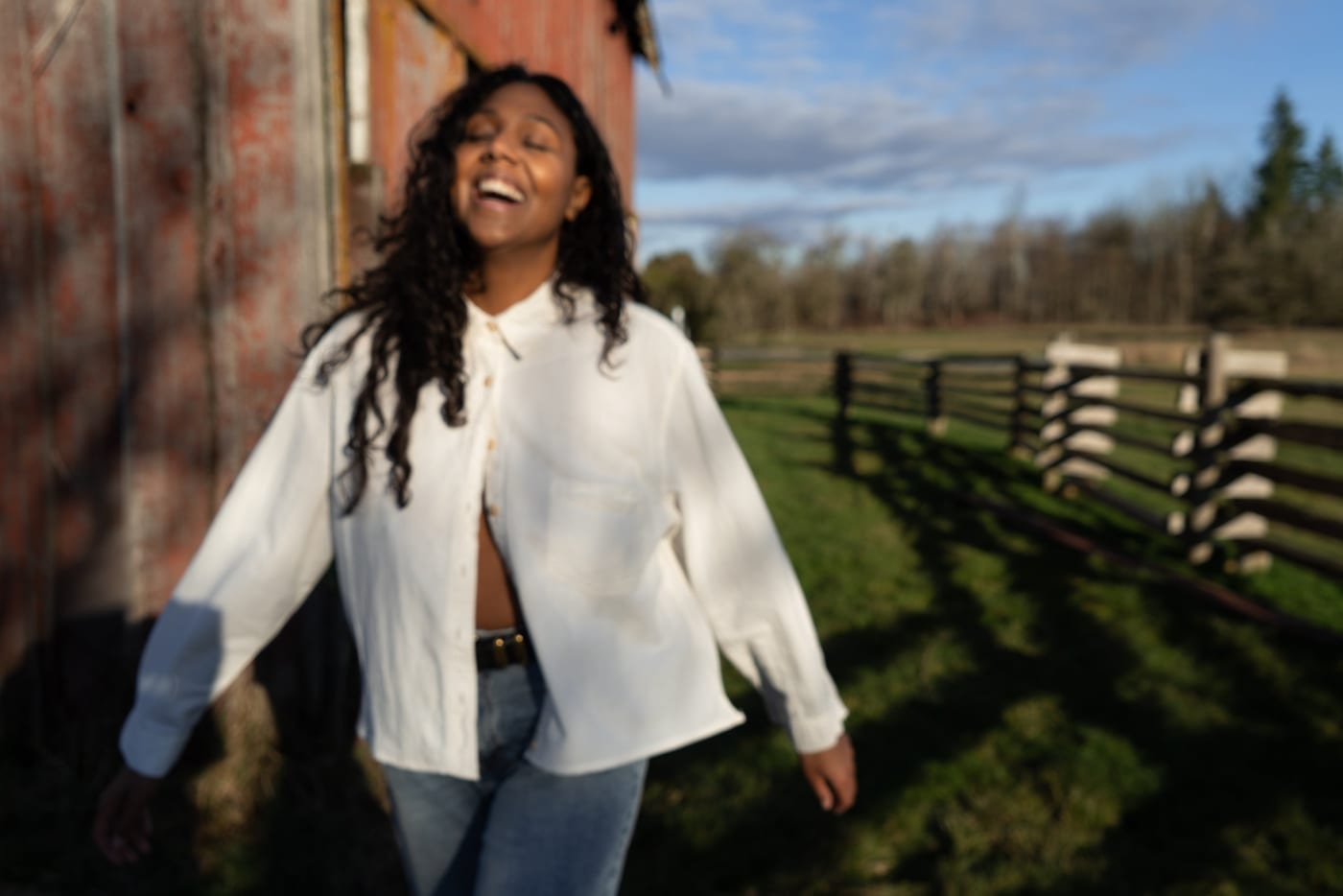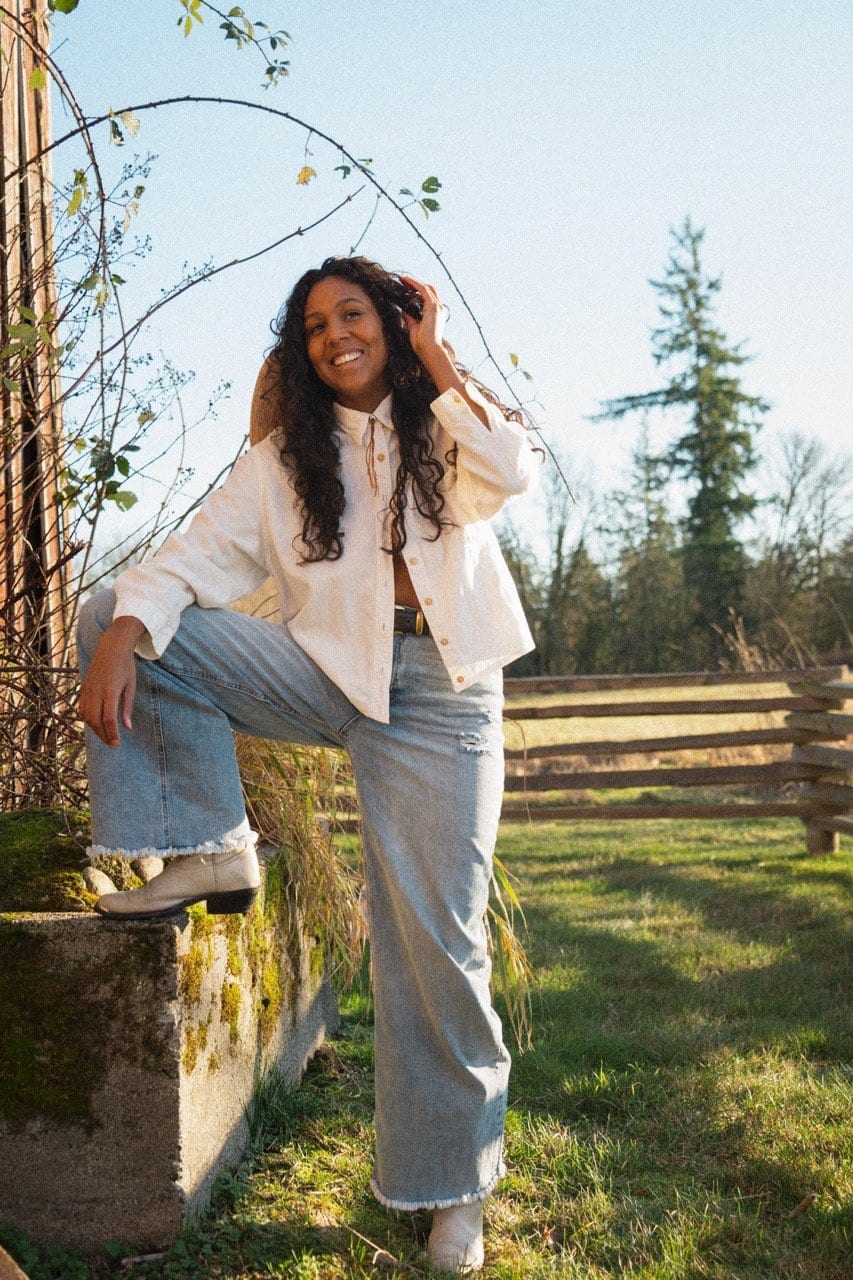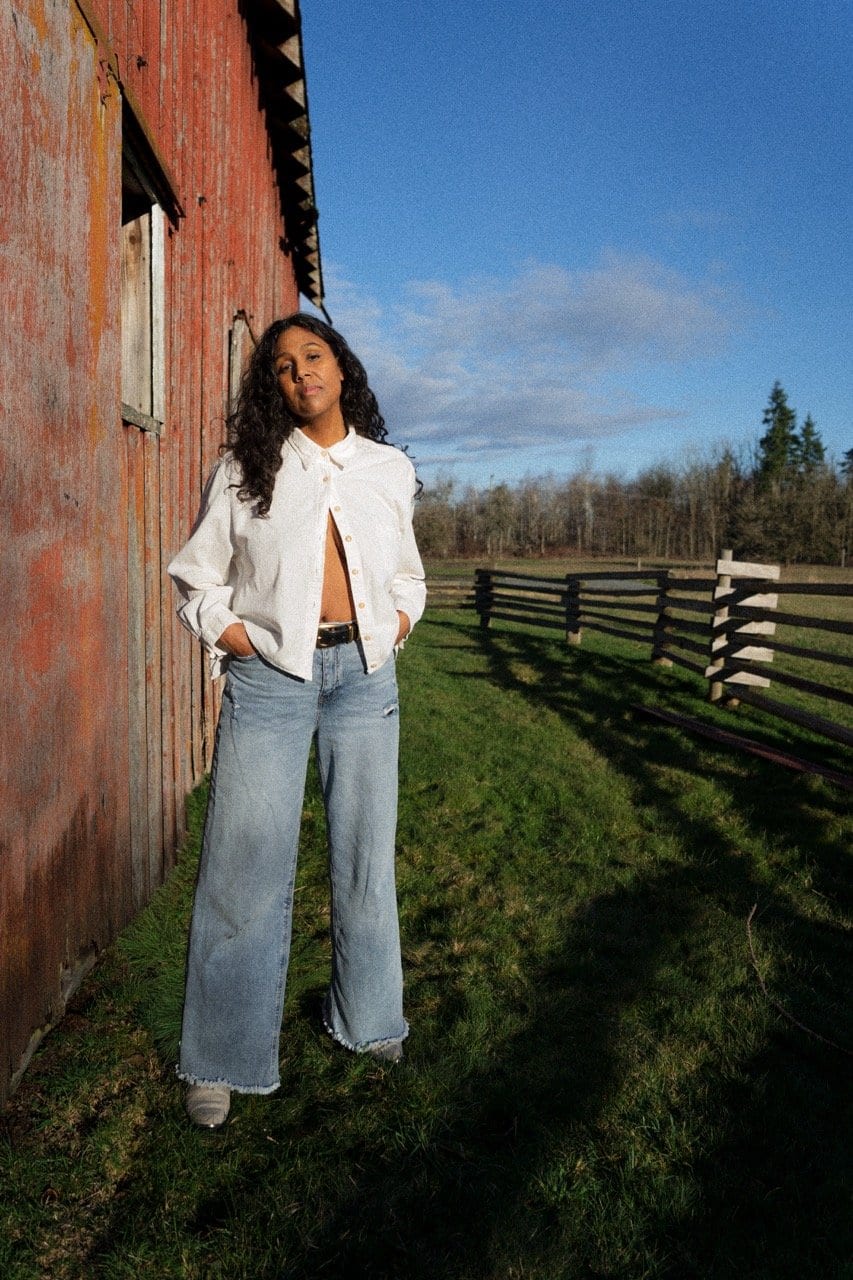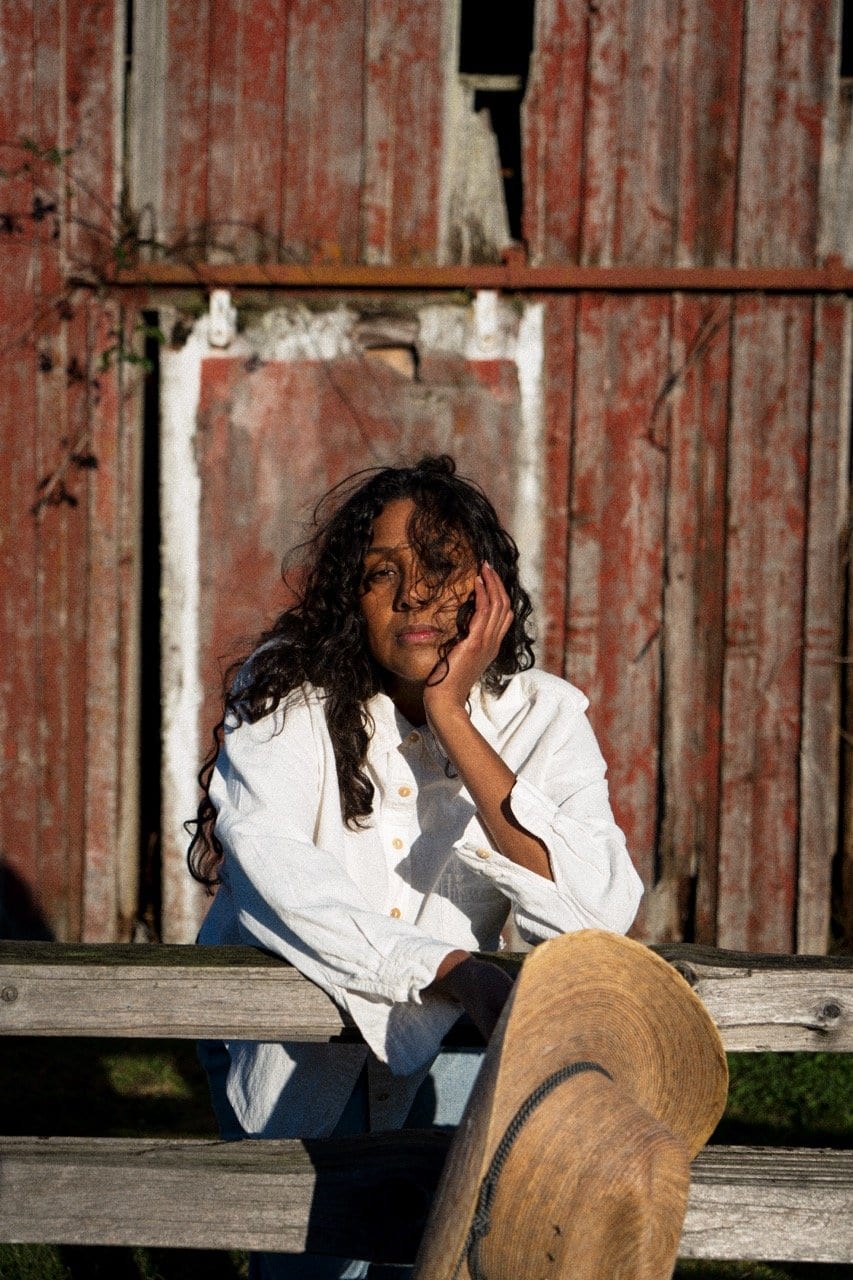

Desirée Dawson is a Vancouver-based recording artist, songwriter, producer, dance teacher, sound healing facilitator and yoga teacher. Those titles could suggest a scattered career. In her case they describe a single practice: using a powerful yet soothing voice, sometimes joined by body percussion or a baritone ukulele, to help people feel and heal. With more than 175,000 followers on Spotify, a JUNO nomination and a body of work that has traveled widely through social media, she has built an audience that comes for the songs and often stays for the gatherings.
Her hometown is Vancouver, British Columbia, and the city remains central to her identity and her work. Beyond that, the public record offers little about her childhood, family or early training, and this profile does not guess at them. What can be said is that her work has been shaped by west-coast Canada, and that she continues to be supported by Music BC, Creative BC and the Province of British Columbia.
The first clear marker in her public career came in 2016, when she won the CBC Searchlight Contest, a Canadian competition for emerging artists. The win placed her before a national audience and established her as a songwriter to watch. The bio does not describe what led her to sound healing or yoga teaching, so I won't invent a single turning point. What the record does show is that her music-making and her facilitation work developed side by side and now inform one another.
Many singer-songwriters write about healing. Dawson builds it into the structure of what she does. Her songs, she says, often point toward liberation by tending to the spaces within us that have been silenced into isolation. Her premise is that learning to love and embrace ourselves goes hand in hand with learning to love, care and build with the people around us. Music, in her view, is a powerful tool for both.
Sonically, she works from pop, folk, soul, Americana and country, a blend most simply called genre-blending singer-songwriter music. Her arrangements favor directness. She often performs with only her voice and a baritone ukulele, or with body percussion that keeps the rhythm physical and close. She also plays as a duo or with a full band. The restraint is deliberate, and it leaves room for the voice and the listener.
Meet You At The Light is the project most closely tied to her reputation. It earned a JUNO Award nomination for album of the year and is the natural place to go after her best-known singles. Full Spectrum (Deluxe), from 2021, offers a wider look at her range. Love-Notes, released in 2023, is her most recent full album and continues her interest in love, connection and self-understanding.
Two songs have carried her furthest. "Cup Of Tea" and "I Am Blessed" have found wide audiences on Instagram and TikTok. "I Am Blessed" also exists in several versions, including a loop version from 2023, and its repeating, mantra-like quality suits the meditative settings she works in. Her 2025 singles include "Chop Some Wood," "the fall" and a demo version of "hanging on."
Her visual work has drawn attention too. She won two SXSW Music Video Awards in 2022 and received a UK Music Video Award nomination for international pop music video of the year. Her songs have been placed in the television shows Wynonna Earp and Heartland, in a Destination Vancouver advertisement, and in films and documentaries.
Alongside recording and touring, Dawson leads music-based workshops and gatherings, locally and internationally. Sound healing and voice work are part of that offering, as is her teaching background in yoga and dance. Detailed accounts of what a session looks like are not part of the public record I have drawn on, so I'll say only what her stated aims make clear: whether she is performing solo, singing in harmony with her band or leading a workshop, the music is meant to get people feeling and healing. Anyone curious about current offerings can look to her website, desireedawsonmusic.com.
In 2023 Dawson was part of the Keychange cohort, spending a year connecting with like-minded change makers in the European market. Keychange is an initiative focused on gender equality and change in the music industry, and her participation reflects an interest in how the industry itself is built, not only in the music it produces. Her recent releases show an artist still writing and putting out new work, with 2025 singles following the larger statement of Love-Notes. Her profile has grown through the reach of her viral songs, but the grounding in community work has stayed constant.
Dawson reaches a few overlapping audiences. There are listeners who find her through a short clip of "Cup Of Tea" or "I Am Blessed" and need nothing more than a warm, honest song. There are yoga and sound-healing communities who use her music as a container for practice. And there are the people who attend her workshops and gatherings, where the songs become a shared activity.
Her importance lies in how she holds these roles together. She does not treat wellness as a marketing layer on top of pop songwriting, and she does not water down her songwriting to suit a wellness setting. Awards and placements show that the work stands up as music, and her themes of isolation, self-acceptance and collective care speak to a widely felt need.
Her work is not for everyone. Those looking for high-energy, dance-oriented or heavily produced music may find her sound too spare, and listeners put off by the language of healing may feel a distance. For people who want music that asks for some presence and offers some tenderness in return, Desirée Dawson is an artist worth sitting with.