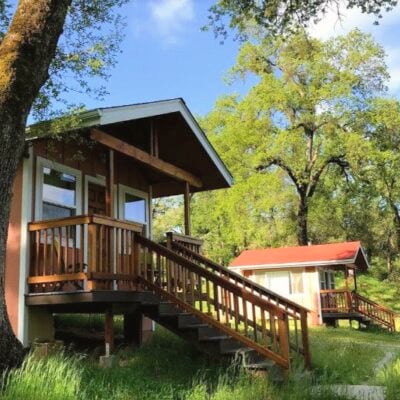
Sivananda Ashram Yoga Farm — Grass Valley, United States
Sivananda ashram, yoga teacher training & retreats in Northern California
Sivananda Ashram Yoga Farm is a residential ashram and retreat center in Northern California, known for classical Sivananda Yoga teacher training, Ayurveda programs, and self-healing retreats rooted in the ancient yogic tradition. It operates as a nonprofit 501(c)(3) charitable organization whose stated mission is practicing and teaching the ancient yogic knowledge of health, peace, unity in diversity, and Self-realization. The ashram traces its lineage through three teachers: Swami Sivananda, the foundational master of the tradition; Swami Vishnudevananda, who carried that teaching to the West; and Swami Sitaramananda, who leads the Yoga Farm today. That unbroken transmission shapes every program on the property, from the daily satsangs to the scriptural study of texts including the Bhagavad Gita, the Raja Yoga Sutras, the Hatha Yoga Pradipika, and the Viveka Chudamani. The program calendar is broad and structured. Teacher training offerings include the foundational Teacher Training Course (TTC), the Advanced Yoga Teacher Training Course (ATTC), the Sadhana Intensive, the Sivananda Yoga Health Education Training (SYHET), the new Sivananda Yoga Peace Educator Training, and a Gentle Yoga Teacher Training. Continuing education extends to a Stress Management Teacher Training and Yoga Sadhana for Self Healing. Foundational retreats — among them the Meditation in Daily Life Retreat, the Heartfelt and Joyful Living Retreat, and the Positive Thinking Course — serve those newer to the path. The health and healing side of the calendar runs from targeted retreats for chronic pain, anxiety, depression, and sleep, to Ayurvedic programs including Pancha Karma, Ayurvedic Massage Rejuvenation, Detoxification and Juice Fasting, and Seasonal Cleanse and Rejuvenation. The ashram also offers a Permaculture Design Certification and observes Vedic festivals including Sivaratri, Krishna Janmastami, Navaratri, and Diwali. The grounds themselves are part of the practice. The property includes temples and shrines, lavender fields, gardens and orchards, a walking labyrinth, and Vrindavan Pond. A Well-being Center offers massage treatments. Guests have access to a boutique, a library, and vegetarian meals prepared on site. The ashram is open year-round; overnight guests stay a minimum of two nights, and day visits are also available. The surrounding area includes the Yuba River, referenced in the Prana and Yuba River program. Karma Yoga — selfless service — runs as a thread through the whole community. Volunteers may participate in Karma Yoga weeks or longer Karma Yoga and Seva Study programs, working alongside residents as part of their practice. The ashram also publishes Yoga Life Magazine and books including Yoga Sadhana for Self Healing and Essentials of Yoga Practice and Philosophy, extending the teaching beyond the property. Weekly international satsangs with Swami Sitaramananda and a daily morning satsang anchor the community both on-site and online. The Yoga Farm draws seekers at every stage — beginners exploring foundational courses, experienced practitioners pursuing advanced teacher credentials, and those coming specifically for healing. The shared structure of daily yoga classes, twice-daily satsangs, vegetarian meals, and service creates the conditions the ashram describes as yoga life: a rhythm aligned with nature and the body's own intelligence.
Traditions: Sivananda Yoga, Hatha Yoga, Raja Yoga, Karma Yoga, Jnana Yoga, Ayurveda, Vedanta, Kirtan
Programs: Teacher Training Course (TTC), Advanced Yoga Teacher Training Course (ATTC), Sivananda Yoga Health Education Training (SYHET), Sivananda Yoga Peace Educator Training, Pancha Karma, Ayurvedic Massage Rejuvenation Retreat, Permaculture Design Certification (PDC), Meditation in Daily Life Retreat, Yoga Vacation, Karma Yoga / Seva Study
Amenities: Temples & Shrines, Well-being Center, Lavender Fields, Walking Labyrinth, Vrindavan Pond, Gardens & Orchards, Vegetarian Meals, Boutique, Library, Guest Accommodations
Frequently Asked Questions
What makes Sivananda Ashram Yoga Farm different from other yoga retreats in Northern California?
The Yoga Farm is a classical ashram in the Sivananda lineage—led today by Swami Sitaramananda—which means it's less boutique wellness resort and more traditional spiritual community. You're not here for luxury; you're here for a structured schedule of two daily satsangs, asana classes in the Sivananda sequence, karma yoga (actual work assignments like kitchen duty or garden work), and scriptural study that goes deep into texts like the Bhagavad Gita and Hatha Yoga Pradipika. The land itself—lavender fields, Vrindavan Pond, temples, walking labyrinth—feels like a working sanctuary rather than a manicured spa. Most programs require a minimum two-night stay and follow a set daily rhythm that's been consistent for decades. If you're looking for personalized spa treatments or flexible scheduling, this isn't it; if you want immersion in a lineage that traces directly back through Swami Vishnudevananda to Swami Sivananda, this is one of the most authentic settings in the West.
Who shouldn't come to the Sivananda Ashram Yoga Farm?
Don't come if you need freedom to skip sessions or sleep in—the ashram runs on a rigid schedule starting before dawn, and karma yoga assignments are non-negotiable if you're staying as a guest. The vegetarian-only meals and absence of caffeine or stimulants make some people irritable by day two. If chanting in Sanskrit, devotional kirtan, and references to Hindu deities make you uncomfortable, the satsangs will feel like too much; this is not a secularized mindfulness retreat. The accommodations are genuinely spartan, often shared, and if you need creature comforts or private space to decompress, you'll spend your stay wishing you'd booked elsewhere. People who thrive on variety in their yoga practice may find the repetition of the same Sivananda sequence day after day tedious rather than grounding.
What does a typical day actually look like at the Yoga Farm?
The bell rings around 5:30 a.m. for morning satsang—meditation, chanting, and a short talk in the temple space. Asana class follows, usually the full two-hour Sivananda sequence with the same twelve basic postures, pranayama, and long savasana. Breakfast is silent and vegetarian, served at communal tables. Mid-morning is karma yoga time: you're assigned to the kitchen, gardens, cleaning crew, or office work for a couple of hours. Lunch is the main meal, then a break where people nap, walk the labyrinth, or read in the library. Late afternoon brings another asana class or workshop session depending on your program, followed by dinner and evening satsang with kirtan. Lights out is around 10 p.m., and you'll notice most guests are asleep well before that because the days are physically and mentally full.
What's the food situation really like?
Meals are strictly vegetarian, often vegan, and designed according to yogic and Ayurvedic principles—lots of dal, rice, steamed vegetables, salads, chapati, and fruit. Breakfast is silent, which takes getting used to; the only sounds are spoons on bowls and the occasional clatter of a serving dish. Lunch is the heaviest meal and served buffet-style in a simple dining hall with long communal tables; expect lentils, grains, cooked greens, sometimes a curry or kitchari. Dinner is lighter, often soup and bread. There's no coffee, no garlic, no onions (considered too stimulating in the yogic diet), and no alcohol anywhere on the property. People who need flavor variety or protein-heavy meals sometimes supplement with their own nut butters or snacks from the boutique, though that's discouraged.
What are the lodging options and what are the real differences between them?
You'll be offered shared or private rooms, both of which are basic: single bed or twin beds, minimal furniture, shared bathrooms down the hall unless you're in one of the few ensuite options. The private rooms give you quiet and space to process the intensity of the schedule, but they're not luxurious—just functional. Shared rooms mean bunking with strangers, which can be lovely if your roommate respects silence and sleeps on the same rhythm, or exhausting if they snore or stay up reading with a headlight. Some accommodations are in older buildings that get cold in winter or hot in summer; there's no air conditioning. If you're doing a longer program like the month-long Teacher Training Course, paying for a private room is worth it for the mental recovery space between sessions. Budget for the upgrade if you're noise-sensitive or introverted.
What surprises first-timers the most—good and bad?
The good surprise is how powerful the land feels: the labyrinth, the quiet pond, the lavender fields in bloom, the shrines tucked into garden corners—all of it creates a stillness that's hard to find elsewhere in California. The hard surprise is how little downtime there actually is; the schedule is relentless, and even "free time" often comes with the expectation that you'll use it for walking meditation or scriptural reading rather than scrolling your phone. Many first-timers don't realize karma yoga is mandatory, not optional, so being assigned to chop vegetables for two hours when you thought you'd be journaling by the pond can feel jarring. The repetition of the same asana sequence twice a day surprises people too—some find it meditative, others find it monotonous. And the complete absence of caffeine throws a lot of people; plan for headaches if you're a daily coffee drinker.
How much does it actually cost, and what's included versus extra?
Pricing is mid-range ($$)—a weekend Yoga Vacation runs a few hundred dollars, while month-long programs like the Teacher Training Course are several thousand. That rate includes your room, all meals, access to the land and facilities, and the core program schedule of classes and satsangs. What's not included: Ayurvedic treatments like Pancha Karma or massage sessions from the Well-being Center, which are add-ons with separate fees. Items from the boutique—books, malas, meditation cushions—are also extra. Karma yoga programs, where you work more hours in exchange for reduced tuition, are available and widely used by people who can't afford full price; the ashram doesn't advertise it loudly, but the staff is open to discussing work-study if you ask directly. Budget for a donation at the end if you're able; the ashram runs on tight margins.
Do you have to be silent the whole time, and how religious is it really?
Silence isn't required everywhere, but breakfast is always silent, and there's an expectation of quiet in the accommodation areas and temple. You can chat during lunch and dinner, during breaks, and while doing karma yoga, though the culture leans toward soft-spoken and minimal small talk. The religious framing is strong and unapologetic: satsang opens with mantras to Ganesha and Sivananda, there are altars and deity images throughout the property, and the teaching references Hindu scriptures constantly. If you're comfortable with devotional practice as a cultural/spiritual container rather than a doctrinal requirement, you'll be fine; if the chanting or imagery feels like appropriation or pressure to convert, it will grate on you. The teachers generally frame it as "this is our lineage" rather than "this must be your belief," but the immersion is total.
What's the physical setting actually like—what does it feel like to be there?
The Yoga Farm sits in the Sierra Nevada foothills near Grass Valley, about 90 minutes northeast of Sacramento—dry golden hills in summer, green after winter rains, surrounded by pine and oak. The land itself has a patchwork quality: lavender fields that bloom purple in late spring, vegetable gardens worked by karma yogis, fruit orchards, the small Vrindavan Pond where you'll see people sitting in meditation. Temples and shrines are scattered throughout—some elaborate, some just a painted statue under a tree—and the walking labyrinth is set in a clearing with views of the surrounding hills. It's not wilderness; you're aware of the road nearby and the occasional neighbor's dog barking, but the layout creates pockets of real quiet. The buildings are modest, mostly wood-frame structures painted in ochre and white, very much in the style of 1970s Northern California intentional communities.
What should I pack that most visitors forget?
Bring layers—mornings are cold even in summer, and the temple and yoga halls aren't heated consistently. A good flashlight or headlamp is essential because the paths between buildings aren't well-lit at night and evening satsang ends after dark. Your own meditation cushion or folding seat makes a huge difference if you're staying more than a weekend; the communal cushions are worn and flat. Earplugs are critical if you're in a shared room or a building near the temple bell. Bring your own herbal tea bags if you need something warm and flavorful in the evenings, since the ashram's tea selection is minimal. Slip-on shoes you can take on and off quickly matter more than you'd think—you'll be removing them a dozen times a day entering buildings. And if you take any supplements or need specific snacks for blood sugar, bring them; the boutique has limited stock.
Is the Yoga Farm accessible for people with mobility issues or disabilities?
Honestly, accessibility is limited. The property has gravel paths, uneven terrain between buildings, and stairs in many of the accommodation blocks and temple spaces, which makes it tough for wheelchair users or anyone with significant mobility limitations. The yoga classes follow the classical Sivananda sequence, which includes headstands, shoulderstands, and floor work that may not be modifiable depending on the teacher and the program intensity. There are Gentle Yoga and Restorative Yoga options in some of the self-healing retreats, but those are specific programs, not the default. If you have dietary restrictions beyond vegetarian—severe allergies, for instance—the kitchen can try to accommodate, but the meals are served communal-style with limited customization. Best practice is to call ahead and speak directly with the ashram staff about your specific needs; they're earnest and will try to help, but the infrastructure isn't built for universal access.
What's the etiquette around phones, leaving early, or skipping parts of the schedule?
Phones are discouraged in all communal spaces—temple, dining hall, yoga halls—and you'll get gentle reminders if you're caught scrolling. There's no official phone ban, but the culture is strong enough that most people keep devices in their rooms and check them only during breaks. If you need to leave a program early, you're expected to inform the office in advance; just disappearing is frowned upon, especially on teacher trainings where the group dynamic matters. Skipping sessions is technically possible but socially awkward—if you're on a Yoga Vacation, missing a class here and there is tolerated, but if you're in a structured retreat or training, absences get noticed and sometimes questioned. Karma yoga assignments are the hardest to skip; if you don't show up, someone else has to cover your work, and that creates friction. The ashram runs on a gift economy in some ways—your labor is part of the exchange—so opting out feels like breaking an implicit contract.