
KK

Kiranjot Kaur
Vocalist
À propos
Kiranjot Kaur is a vocalist, Kundalini Yoga teacher and Indian classical music instructor, with a deep devotion to the Divine Mother and A Course in Miracles. She is a founding member of Copper Wimmin, whose appearances on Democracy Now and the Showtime series The L Word, where their song "Bleeding Rivers" was featured, brought the group recognition.
Kiranjot Kaur is a vocalist, Kundalini Yoga teacher and Indian classical music instructor, with a deep devotion to the Divine Mother and A Course in Miracles. She is a founding member of Copper Wimmin, whose appearances on Democracy Now and the Showtime series The L Word, where their song "Bleeding Rivers" was featured, brought the group recognition.
In 2006 she refocused her career on Indian classical music, spending five years living and studying in Amritsar, India, under her teacher Dr. Ustad Narindar Singh. Rather than the traditional performance where the audience is separate from the performer, she now draws together her early experiences of communal singing with Sweet Honey in the Rock and Bobby McFerrin, her love of Indian music, and the Kirtan tradition.
Kiranjot was introduced to A Course in Miracles in 2014 and has steadily brought its daily lessons into her life. She offers a blend of Indian classical notes and A Course in Miracles songs, sung in the call-and-response style of Kirtan. She has performed at Frequency Festival, Bhakti Fest and Sebastopol Bloom, and founded Jyoshi Fest, a devotional music festival.
Her greatest joy, she has found, is inspiring people of any singing experience to use their voices to quiet the mind, surrender to presence, and practise revolutionary self-love. She also leads Divine Voice retreats that combine Indian classical note singing, harmonium basics, yoga and chanting.



Questions
Kiranjot Kaur is a vocalist, Kundalini Yoga teacher and Indian classical music instructor whose work sits where Hindustani singing, Kirtan and A Course in Miracles meet. Her wider visibility began with Copper Wimmin, the group she co-founded, whose appearances on Democracy Now and the Showtime series The L Word, where their song "Bleeding Rivers" was featured, reached audiences well before her devotional work came into focus. In 2006 she refocused on Indian classical music and spent five years studying in Amritsar, India, under her teacher Dr. Ustad Narindar Singh, which gave that shift real training behind it. Her distinctive move is to treat the gathering as the performance, using call-and-response Kirtan so that the room sings back rather than only listening. Her streaming footprint is small, with nine single releases on Spotify dated 2020 to 2024 and 109 followers at the time of this data, so her reputation rests largely on live rooms, festivals and retreats. That mix of activist-era visibility and classical discipline is why serious listeners follow her closely.
Her work draws on several overlapping lineages rather than a single school, and the most concrete link is her study with Dr. Ustad Narindar Singh in Amritsar, which anchors her Indian classical note singing. Her Kirtan practice follows the devotional call-and-response tradition, and she frames her singing around devotion to the Divine Mother. She also teaches Kundalini Yoga, though the materials available to us do not name a specific Kundalini teaching line, so we cannot place her within one. Her communal singing instincts were shaped earlier by Sweet Honey in the Rock and Bobby McFerrin, whose group and solo vocal work made voice-as-community feel central to her. In 2014 she was introduced to A Course in Miracles, and she has since built a body of songs from its text, which marks the most recent layer of her practice. Readers who want a fuller account of how these strands connect should look for long-form coverage of her lineage once it is published, since none is available yet on BrightStar.
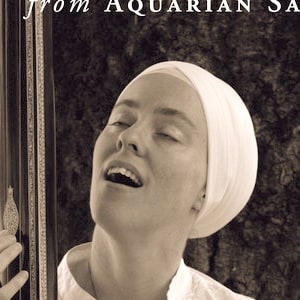
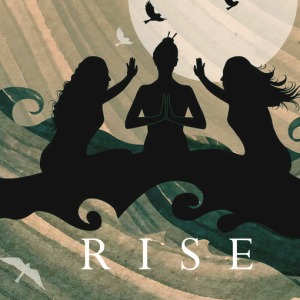
Her catalog contains no full-length album, so a newcomer's first listen will be to a single, and the most substantial place to begin is From Aquarian Sadhana, a 2024 release with four tracks and the most recent entry in the discography. The title uses the word sadhana, meaning a disciplined spiritual practice, which signals that the material is meant to be sung as much as heard. For a more direct devotional entry point, Ayka Maaee with Message from the Divine Mother (2020) foregrounds her Divine Mother devotion in its title and presents her voice in its clearest devotional frame. A second layer would be Rise (feat. Kiranjot Kaur & Sophia Mae Lin) from 2023, which shows how she works in collaboration. Newcomers who already know Kirtan from a live setting will likely connect more quickly with the call-and-response structure of these recordings than those coming to it cold. Start with the four-track release, then move to the 2020 single to hear the devotional core of her work.
Most devotional vocalists come from one tradition, either Kirtan or classical training, but Kiranjot Kaur holds both at once, having studied Indian classical music for five years in Amritsar and then built a Kirtan practice around it. Her ACIM song catalog is a less common specialty, since A Course in Miracles is rarely set to sung, call-and-response music. Her Copper Wimmin background adds a layer few devotional singers carry, because her earlier work was in a group whose public profile came through activist-leaning television and broadcast appearances. She also teaches Kundalini Yoga and runs Divine Voice retreats combining Indian classical note singing, harmonium basics, yoga and chanting, so her singing is embedded in a broader practice rather than sold as stand-alone performance. Her festival footprint includes Frequency Festival, Bhakti Fest and Sebastopol Bloom, and she founded Jyoshi Fest, a devotional music festival of her own. The combination of classical rigor, communal Kirtan and ACIM text is what separates her from most peers in the vocalist category.
Listeners who want high-BPM electronic music, dance floors or driving rhythmic production will find little here, since the Kirtan and Indian classical framework is built around repetition, breath and communal pacing. Anyone looking for instrumental background music without lyrics will also be poorly served, because her songs are text-forward and sung in Sanskrit, Hindi or Punjabi-rooted devotional language and carry explicit Divine Mother and A Course in Miracles content. Secular listeners who are uncomfortable with explicit spiritual or devotional framing will likely find the material more demanding than they want. Those who prefer a concert-hall model, where a performer sings and the audience stays seated, should know her gatherings are designed to pull the room into the singing. The discography is also thin, with nine singles and no album, so listeners who want an extended catalog to study over months may feel short-changed. Her work rewards people who want to sing along, meditate with it, or follow a devotional thread, and it asks little of listeners who want novelty or sonic spectacle.
The most reliable starting point is her official links page at kiranjotkaurmusic.com/links, which gathers her current channels in one place. Her releases appear on Spotify, Apple Music and YouTube, and her Spotify artist page lists the full run of singles, with the most recent dated May 2024 in the data available here. No upcoming events were crawled for this profile, so there are no confirmed tour dates to list, and readers should check the links page directly before planning travel. Her live appearances historically cluster around festivals such as Frequency Festival, Bhakti Fest and Sebastopol Bloom, so watching those event calendars can surface her bookings. Because she runs her own Jyoshi Fest and leads Divine Voice retreats, retreat dates may appear through her own channels rather than through general listings. Following her YouTube channel is the most direct way to catch recordings from live gatherings between releases. Check the official links page first, since it is the only source here that states her current channels.
Her music is built on Indian classical note singing and Kirtan call-and-response, so the default texture is a single lead voice answered by a gathered group, with the harmonium typically underneath. The aesthetic leans toward restraint rather than vocal display, since the tradition values sustained notes, repetition and breath over ornamentation for effect. Her Hindustani training from Amritsar shapes the phrasing, which tends to move slowly and stay close to the melodic line rather than resolving quickly into a chorus. Her ACIM songs bring the lyrical content of A Course in Miracles into the same call-and-response form, so the words are repeated and returned rather than developed into narrative. The catalog data does not include arrangement notes or track-level analysis, so this description draws on how her work is framed in her own bio and on the Kirtan format she uses in live gatherings. Expect pacing that rewards patience, with the most rewarding listens coming from songs that are sung back, not just heard once.
Her catalog lists no full-length albums, so every essential entry is a single, and that is worth stating plainly before a listener searches for a record that does not exist. From Aquarian Sadhana (2024, four tracks) is the most substantial and most recent release to start with, and it frames her practice explicitly as sadhana. Ayka Maaee with Message from the Divine Mother (2020) is the clearest statement of her Divine Mother devotion, and it marks the earliest release in the discography. Aad Gureh Nameh with I Am Protected (2024) pairs a devotional Gurmukhi-rooted title with an English-language counterpart, which suggests her bilingual approach to chant. Rise (feat. Kiranjot Kaur & Sophia Mae Lin, 2023) is the main collaborative entry, showing her working with another vocalist. Supernova (2022) and Heart Full of Flowers (2022) fill out the middle of the run. Treat the set as a sequence of devotional studies rather than a conventional album run, and listen in release order to hear how her approach developed.
The harmonium is the instrument most clearly tied to her practice, since her Divine Voice retreats include harmonium basics as a core component alongside Indian classical note singing, yoga and chanting. Her voice is the primary instrument across her releases, and the call-and-response structure means the group of listeners or singers functions as a second voice in live settings. The only named collaborator on her recordings in the catalog data is Sophia Mae Lin, who appears on Rise (2023). Her formative teacher, Dr. Ustad Narindar Singh, is the most important figure in her classical training, though he is a teacher rather than a recording partner. Earlier, her work with Copper Wimmin placed her inside a group that brought her to national attention through Democracy Now and The L Word. The catalog does not identify other instrumentalists, percussionists or producers, so readers should not assume a fixed ensemble behind her recordings. Her collaborations appear to center on voices and on the harmonium-led structure that carries her Kirtan work.
Several of her releases carry titles and framings that point toward practice rather than entertainment, and that is the strongest signal available in the catalog data. From Aquarian Sadhana uses the word sadhana, meaning a regular spiritual discipline, which makes it a natural candidate for a seated practice or a yoga session's closing chant. Ayka Maaee with Message from the Divine Mother (2020) centers the Divine Mother, a frame common in devotional music used for meditation and ceremonial singing. Aad Gureh Nameh with I Am Protected (2024) combines a mantra-like opening with an English line about protection, which suits a reflective close to a session. Her Kirtan format is designed for group singing, so any of these recordings will likely work better as a shared practice than as solo background music. Because the catalog contains no track-level notes, these suggestions rest on titles and her stated practice rather than a listening review. Students who sing in a Divine Voice retreat setting are likely to find the material easiest to use in ceremony, since they will already know the call-and-response pattern.


C’est vous ? Revendiquer cette page ›
There's more where this came from.
BrightStar is the global directory of artists, teachers, and healers in the wellness and spiritual movement. Find your next experience — or add yourself.
Discover More Artists
Browse 14,000+ curated profiles across kirtan, yoga, meditation, and beyond.
Explore directory →Find an Event Near You
Kirtan, retreats, sound baths, breathwork, ceremonies — happening this week.
Browse events →Add Your Profile
Are you an artist, teacher, or healer? Get listed — free, AI-assisted, live in minutes.
Get started →