The History of Kagyu Samye Ling Monastery
The History of Kagyu Samye Ling Monastery
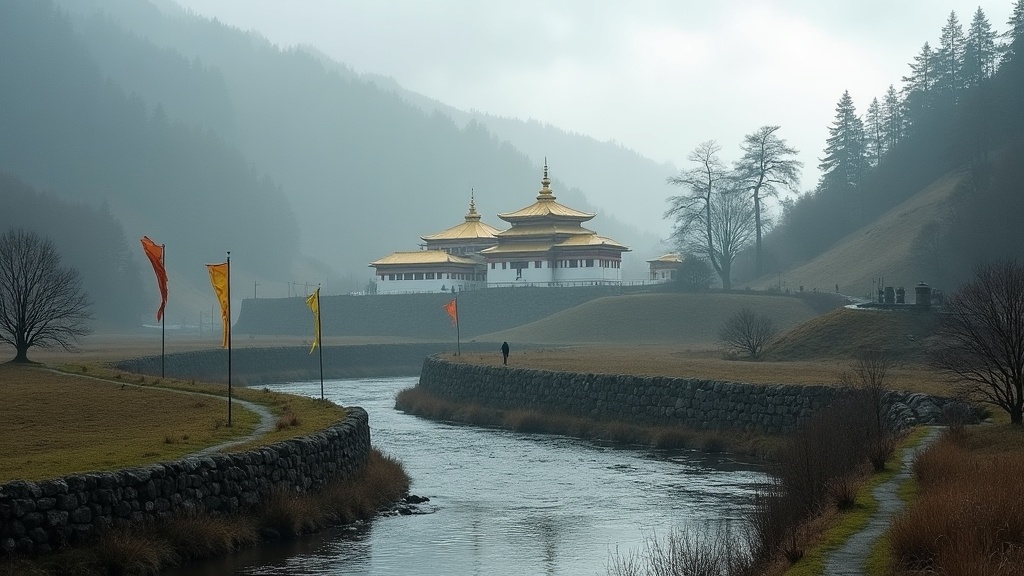
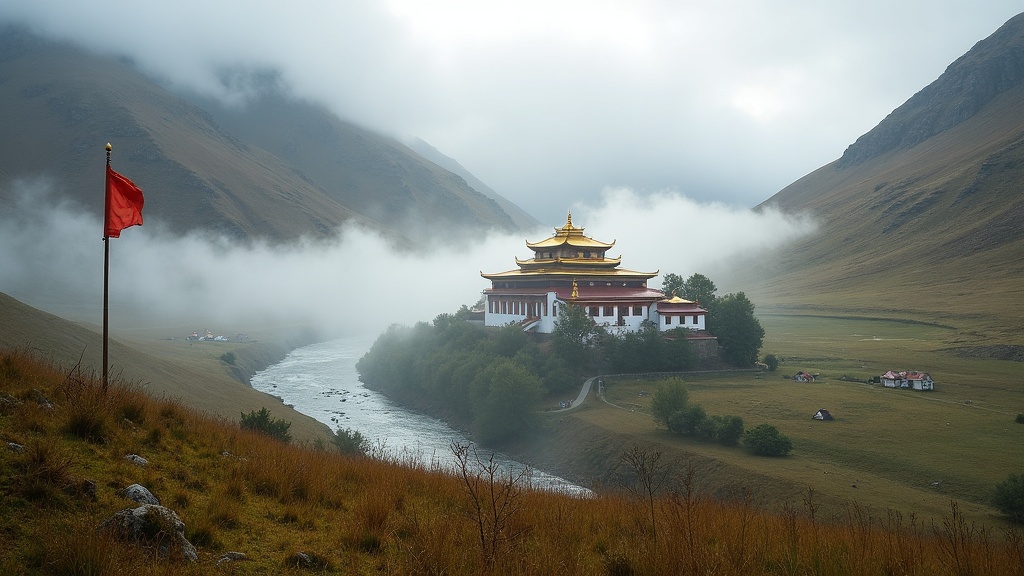
In a remote Scottish valley where the River Esk winds through the rolling hills of Dumfriesshire, something unprecedented took root in 1967. Kagyu Samye Ling Monastery became the first Tibetan Buddhist monastery established in the Western world—a beacon of ancient wisdom planted in unlikely soil, fifteen miles from the nearest town and seemingly worlds away from the Himalayan peaks where its traditions were born.
Origins in Exile
The monastery's founding story is inseparable from one of Buddhism's great tragedies: the Chinese invasion of Tibet. Among the thousands who fled their homeland were two young tulkus—recognized reincarnate lamas—Dr. Akong Tulku Rinpoche and Chogyam Trungpa Rinpoche. These refugee teachers, carrying the unbroken lineages of the Karma Kagyu tradition, arrived in the West with little more than their training, their determination, and an extraordinary vision: to preserve and share the profound contemplative methods they had risked everything to protect.
They found an improbable home in Eskdalemuir: Johnstone House, a former hunting lodge in the Scottish Borders. The symbolism was potent—they named their nascent community after Samye, the first Buddhist monastery ever built in Tibet in the eighth century. Just as that ancient institution had brought the Dharma to the Land of Snows, so would this new Samye Ling bring these teachings to the West.
Early Days and Unexpected Visitors
The late 1960s proved fertile ground for such an experiment. Within two years of opening, Samye Ling attracted an eclectic stream of spiritual seekers. Among them: a young David Bowie, who came remarkably close to ordaining as a monk before ultimately choosing a different path, and Leonard Cohen, who studied there briefly in 1969. These brushes with cultural icons hint at the monastery's immediate resonance—here was something authentic in an era hungry for genuine spiritual experience.
A Steady Hand Through Decades of Growth
By 1970, Chogyam Trungpa Rinpoche departed for America, where he would establish his own influential teaching centers. Dr. Akong Tulku Rinpoche remained, and it was under his humble, patient leadership that Samye Ling underwent its most profound transformation. What began as a single building gradually expanded into a comprehensive spiritual community—a full monastery complex that would serve not only as a practice center but as a living bridge between Tibetan Buddhist culture and the modern West.
Akong Rinpoche's vision extended beyond meditation halls and prayer rooms. Recognizing that authentic spiritual community requires holistic support, he developed Samye Ling into an institution offering multiple pathways to wisdom—from intensive retreat practices to studies in traditional Tibetan medicine, from formal monastic training to accessible programs for day visitors and weekend guests.
The Karma Kagyu Lineage in Action
At its heart, Samye Ling remains dedicated to preserving and transmitting the profound contemplative technologies of the Karma Kagyu lineage. Practitioners here engage with the complete spectrum of Vajrayana Buddhism: the foundational Ngondro preliminary practices that prepare the mind and heart; the subtle awareness training of Mahamudra; and advanced methods like the Six Yogas of Naropa, which work directly with the body's energetic systems.
This is Buddhism as complete path—not diluted or simplified for Western consumption, but offered in its full depth to those willing to commit seriously to the journey.
A Living Monastery Today
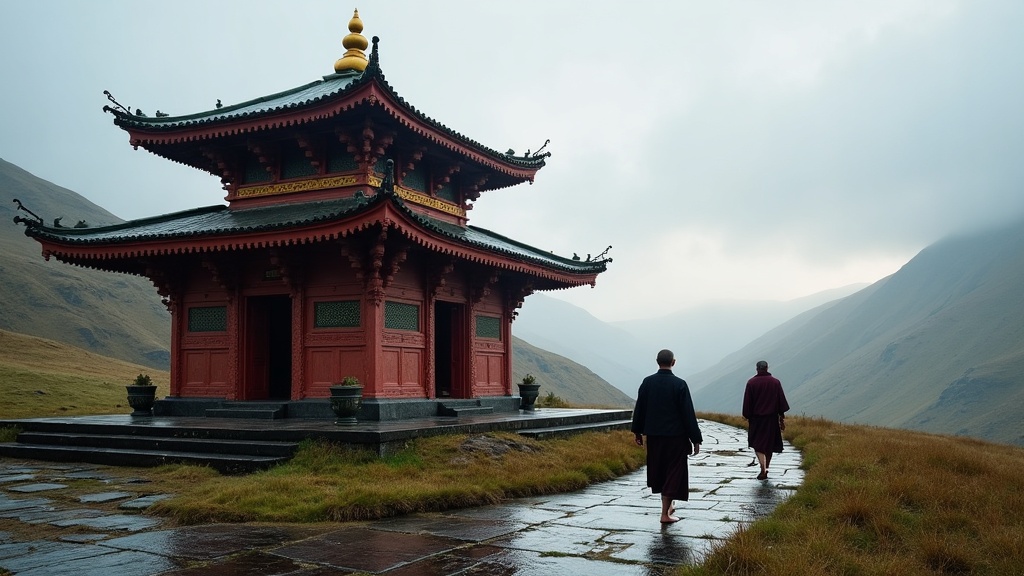
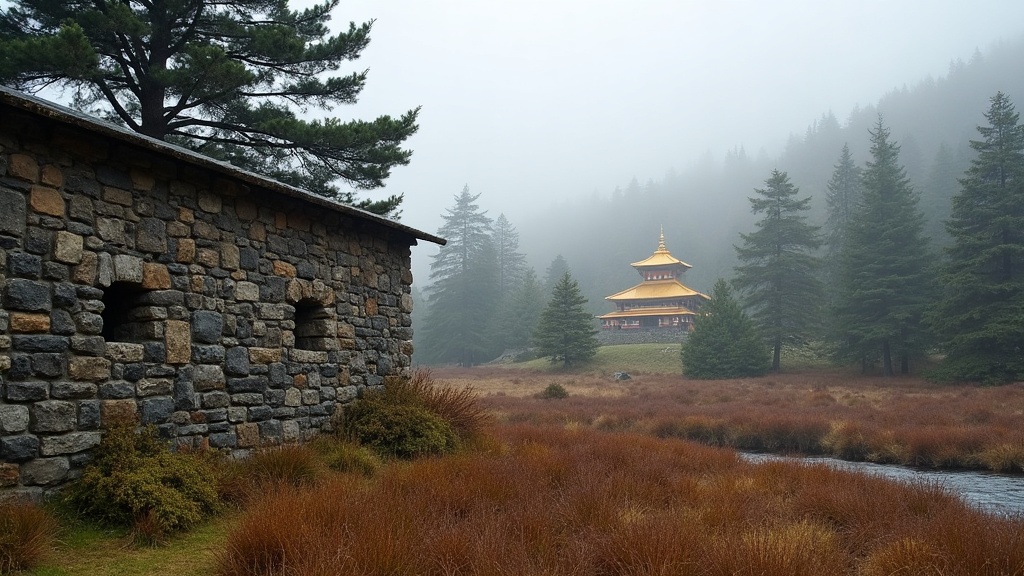
Contemporary Samye Ling embodies a rare achievement: it functions as both a traditional Tibetan monastery with resident monks and nuns, and as an accessible center welcoming visitors from all backgrounds. The temple, adorned with intricate Tibetan art and sacred symbols, sits amid gardens and walking paths. The community maintains daily practice schedules while hosting courses, retreats, and teachings throughout the year.
What makes Samye Ling distinctive is precisely this balance—between preservation and adaptation, between monastic rigor and warm hospitality, between ancient lineage and present moment. Visitors describe an atmosphere both disciplined and welcoming, where centuries-old chants echo in Scottish air and butter lamps flicker against Northern light.
The monastery also maintains its commitment to Tibetan medicine, offering consultations and training in this holistic healing tradition—a reminder that genuine Buddhist practice has always addressed the whole person, body and mind together.
A Bridge Between Worlds
More than five decades after two refugee lamas transformed a Scottish hunting lodge into sacred space, Kagyu Samye Ling stands as testament to Buddhism's remarkable adaptability. The teachings that once traveled from India to Tibet have found genuine root in European soil, not as museum pieces but as living practices that continue to transform lives. In these quiet Borders valleys, the ancient and contemporary meet—an ongoing conversation between wisdom and place that invites anyone sincere in their seeking to join.