Best Programs at Kagyu Samye Ling Monastery for Beginners
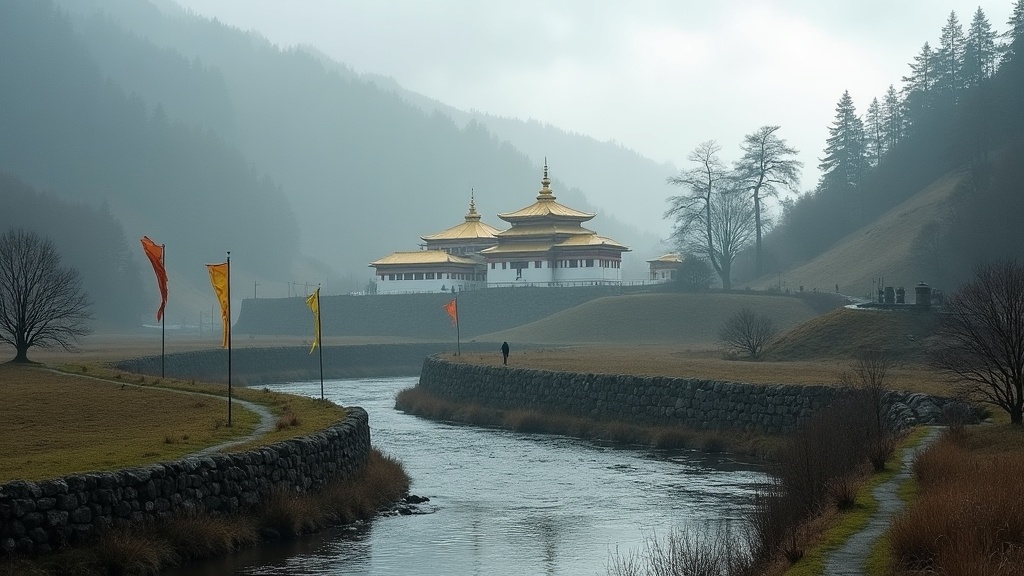
Best Programs at Kagyu Samye Ling Monastery for Beginners
The fear that grips most first-timers isn't about whether they'll meditate correctly—it's whether they'll be exposed as frauds among seasoned practitioners who can sit motionless for hours while their own minds bounce like caffeinated squirrels. Here's the truth: Kagyu Samye Ling has been teaching absolute beginners since 1967, when two Tibetan lamas turned a Scottish hunting lodge into the West's first Tibetan Buddhist monastery. They didn't build it for experts. The monastery expects you to arrive knowing nothing, and the residential community has seen every variety of beginner anxiety imaginable.
The one warranted concern isn't about belonging—it's about signing up for the wrong program. Some offerings assume familiarity with Tibetan Buddhist terminology and practices. Choose poorly, and you'll spend three days wondering what a "yidam" is while everyone else chants in Tibetan.
The Best Entry Points
Introduction to Buddhism Weekends are purpose-built for people who can barely spell "Buddha." These cover meditation basics, the Four Noble Truths, and enough context about Tibetan Buddhism that you won't feel lost when someone mentions karma. You'll learn sitting meditation, walking meditation, and how to navigate the monastery's daily rhythm. The teaching style assumes zero background.
Meditation for Modern Life courses strip away religious framework entirely. If you're not ready to engage with Buddhism as a faith tradition but want practical meditation techniques for stress, these weekends work. You'll get breath-focused practices, body scans, and mindfulness techniques without prostrations or refuge vows.
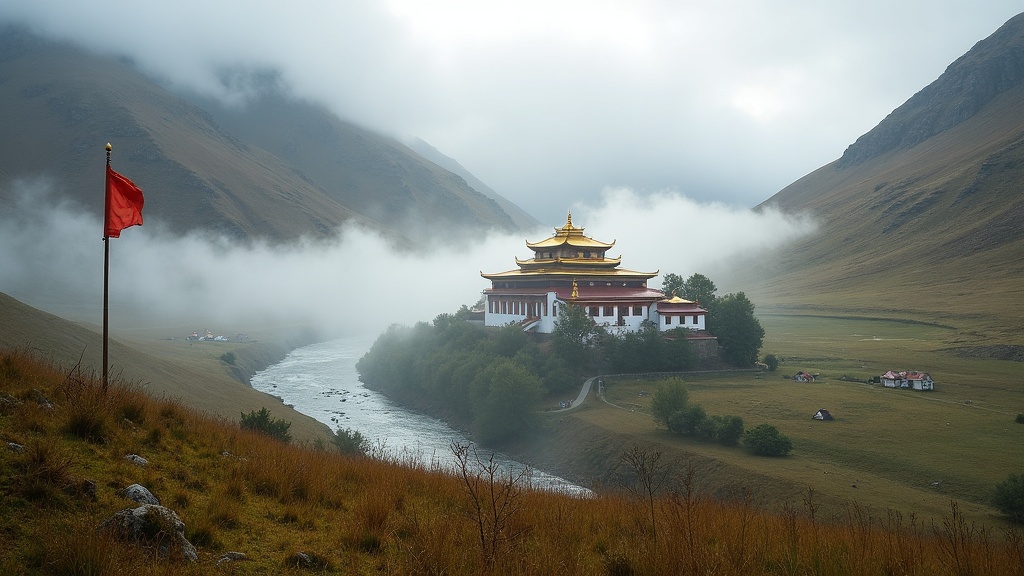
Beginner Meditation Retreats (typically 3-5 days) add structure and silence to what you'd learn in an intro weekend. These include morning and evening meditation sessions, teachings on basic Buddhist philosophy, and plenty of free time to walk the grounds or sit by the River Esk. The schedule isn't rigorous—you're looking at maybe 4-5 hours of structured practice daily.
Tara Practice Weekends offer a gentle introduction to Vajrayana deity meditation through Green Tara, a female buddha associated with compassion and protection. These include chanting, visualization basics, and prostrations. They assume you're curious about Tibetan Buddhist practice specifically, but they teach the preliminary techniques from scratch.
Working Guest Programs aren't meditation retreats, but they're brilliant for anxious beginners. You stay at the monastery, participate in morning and evening pujas (prayer services), and spend your days helping in the garden, kitchen, or maintenance. You absorb the rhythm of monastery life without performance pressure.
What "Level" Actually Means Here
Kagyu Samye Ling doesn't gatekeep like some centers. "Beginner" means you're new. "Intermediate" means you've done at least a few retreats and have a basic meditation practice. "Advanced" typically signals that the program requires completion of Ngondro—the 100,000+ preliminary practices that form the foundation of Vajrayana training. When a program description mentions "some meditation experience helpful," that's code for "you should be able to sit for 30 minutes without panicking."
Programs to Skip Your First Time
Ngondro Retreats require specific empowerments and assume you've committed to the preliminary practices. You can't walk into these cold.
Six Yogas of Naropa Programs are advanced Vajrayana practices involving visualization, energy work, and techniques that build on years of foundation. These aren't starting points.
Long Retreats (anything over 10 days on your first visit) sound appealing, but monastery life is physically and mentally demanding in ways urban practitioners don't anticipate. The beds are basic, the Scottish valley is isolated, and the silence can be deafening. Test-drive the environment first.
Loong Teachings on Buddhist philosophy can be intellectually rigorous and reference concepts you haven't encountered. Save these until you've got practical experience.
Choosing Your Duration
Take a weekend if you're genuinely uncertain about monastery life, have limited time off, or need to test your ability to unplug. The brevity keeps anxiety manageable.
A 5-day retreat works if you've done a meditation weekend elsewhere (doesn't have to be Buddhist) and want to deepen practice without committing to a full week. Five days allows enough time to settle into monastery rhythm and push past the mental turbulence that clears around day three.
Choose a week if you have meditation experience—even a home practice counts—and you're ready to investigate Buddhism more seriously. Week-long programs at Samye Ling often include teachings on core Kagyu practices and more intensive meditation schedules.
When You're Ready for More
You'll know you're ready for intermediate programs when you can sit for 45 minutes without major discomfort, you understand basic Buddhist terminology without constant clarification, and you've established a home practice. The clearer signal: you start feeling curious about specific aspects of Vajrayana practice—deity yoga, mantra recitation, or Mahamudra meditation—rather than just wanting "meditation skills." When the monastery stops feeling foreign and starts feeling like a place you want to study rather than just visit, you're ready for deeper work.