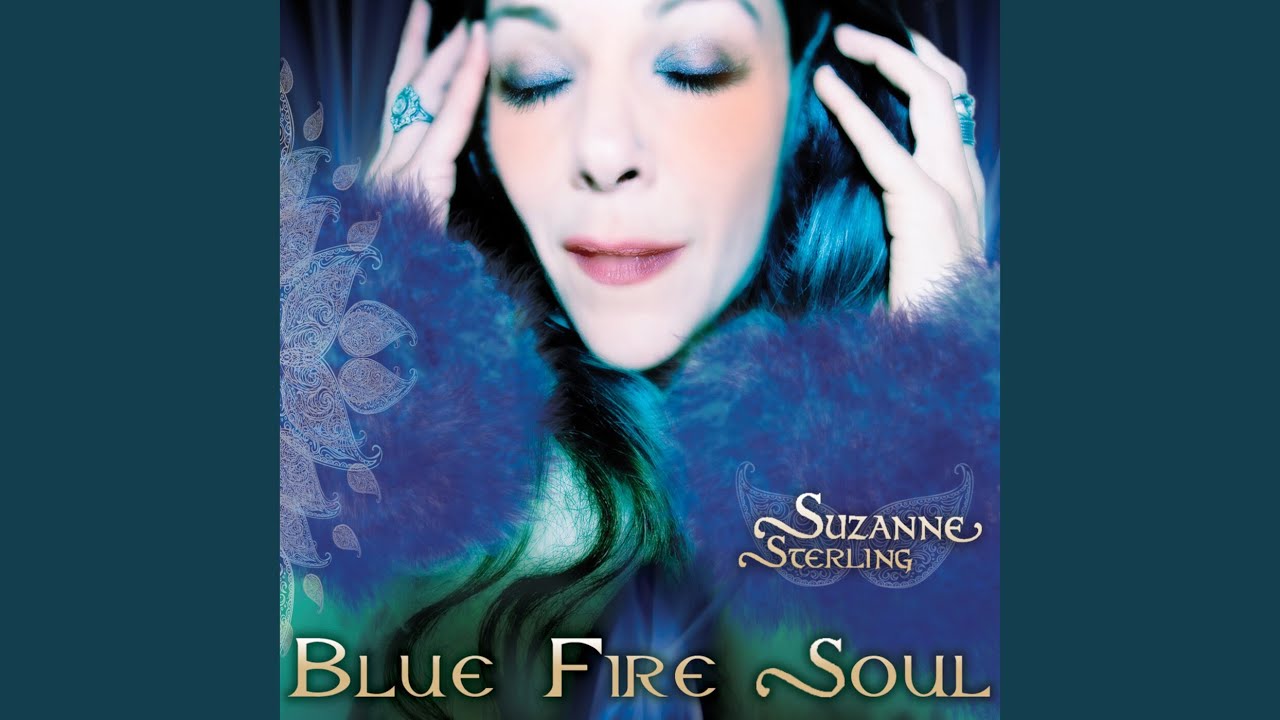
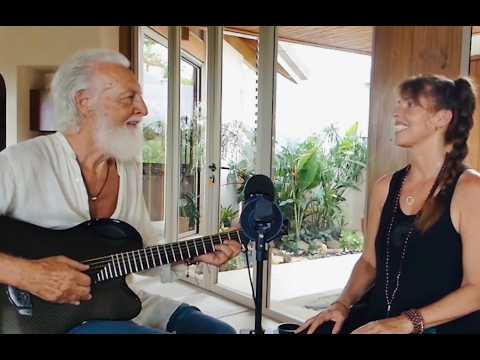
Two and a half minutes into a plain, direct YouTube video, a teacher named Suzanne Sterling makes an invitation. Speaking to the camera, she introduces herself as a yoga teacher, a musician, an activist, and the founder of something called Voice of Change, then describes a six-week online seminar built on a simple but demanding premise: that most of us were taught to be quiet, that the habit of second-guessing ourselves is learned rather than natural, and that reclaiming our voice is inseparable from social change. The video, published in April 2015, is a promotional opener for that course. It is brief, and it is more a map of intentions than a lesson. Still, the map names the ideas that matter, including radical self-responsibility, the conditioning that suppresses creativity, the physiology of sound, and the step from personal expression to leadership, and those ideas are worth unpacking on their own terms.
Sterling's self-introduction runs in one breath, and the order of the words does some quiet work. She is a yoga teacher and a musician before she is an activist, and the founder of the project comes last. That sequence suggests a practitioner who came to social questions through the body and through sound, not through a political platform. She frames her life's work in three phrases that reappear across the course description: "to promote real social change through the tools of radical self-responsibility community building and joyful creativity."
"It's been my life's work to promote real social change through the tools of radical self-responsibility community building and joyful creativity and I created Voice of Change to deepen this work and make it accessible to others."
— Suzanne Sterling, in her 2015 YouTube video "You personal invitation to become a Voice of Change"
Notice what is absent from that list: charisma, expertise in a field, a credential. What she puts forward instead is a set of practices that can be shared. Radical self-responsibility means taking ownership of your own speech and creative life rather than waiting for permission. Community building means doing that work with others. Joyful creativity is the claim that the work should not feel like punishment, a notion that many activist traditions quietly resist.
The center of the invitation is a diagnosis. Sterling says the course will explore "the many ways that we're conditioned to second guess and suppress our inner creativity," and she goes further, naming "the traumas of the voice and the patterns that keep us silent." The word that does the most work there is conditioned. It implies that the silence many adults feel in front of a microphone, a meeting, or a room of strangers is not a fixed fact about who they are. It is a set of habits, absorbed over years, that can be noticed and unlearned.
That framing is useful because it turns a vague sense of inadequacy into something you can examine. If your voice shrinks when you stand up to speak, the question becomes: where did that pattern come from, and what keeps it running? Sterling's answer, in this short piece, is that the work begins with trauma and pattern, not with technique. Technique comes later.
Among the course topics she lists is "the science of sound healing and the physiology of The Voice," placed right beside "releasing blocks and reclaiming your voice." That pairing is the most unusual feature of the invitation. Most seminars about speaking your truth stay in the language of courage and psychology. Sterling insists the body is part of the story. The voice is produced by breath, muscle, and resonance, and a person who is holding tension in the throat or the chest is, in a literal sense, restricting the instrument.
For a musician, this is familiar ground. Anyone who has practiced a wind instrument or sung in a choir knows that the sound you make depends on posture, breath support, and whether the body is free. Sterling's course appears to carry that craft logic into the wider project of self-expression. Her description also says each session will include "embodied exercises and skill building," which suggests the ideas are meant to be tested in the body rather than only discussed.
The most ambitious line in the piece is the final stretch of topics: "speaking truth to power unleashing your creative genius and inspiring others and becoming agents of change." Read in order, the full list moves from the inside out: grounding and discovering what you have to say, uncovering the patterns that keep you silent, releasing blocks, then speaking outward, inspiring others, and stepping into leadership. Sterling also says that the course will explore "what it means to be a voice of change in the world today and why it's important for us to step into leadership in this way."
That progression carries an assumption worth stating plainly. It holds that social change does not come only from policy or from crowds, but also from individuals who learn to say what they actually think in ordinary settings. A person who cannot speak in their own family or workplace will struggle to speak to power. The course is betting that the small rehearsal and the large act are connected.
The structure is spelled out in the back half of the video. Six online sessions, each with "guided meditations, questions for discussion, embodied exercises and skill building," along with interaction among the group. At the end of each session participants receive a short video overview of the topics and exercises for home practice. The format is built for sustained attention rather than a single weekend workshop. Six weeks gives time for an insight to be tested in daily life, which is where the conditioning Sterling describes actually operates.
Registration, according to the video description, runs through the Off the Mat, Into the World website. The teacher's closing words are brief: "please join me in this empowering work, thank you."
It is worth being honest about the limits. The video is a little over two minutes long. It gives no price, no schedule, no biography beyond the opening self-description, and no account of how Voice of Change developed or who has taken the course. Its view count, 663 at the time of capture, reflects a modest audience. What it offers is an articulate statement of purpose and a clear list of ideas. If you want evidence of outcomes or a fuller sense of Sterling's teaching, you would need to look for longer material, her own writing, or the course itself.
Start with the video itself, watching for the moment she describes the conditioning that silences people, and see whether it matches your own experience. Then try the one practice the ideas point toward: before your next conversation where you usually hold back, take a slow breath, notice where tension sits in your throat and jaw, and say one sentence you actually believe. The course Sterling describes is built around exactly that kind of small, repeated act. Because the video dates to 2015, confirm current details on the registration page before making plans.