BrightStar

Parcourir tous les Events

Découvre des rassemblements conscients

events

Yoga
Meditation
Breathwork
Qigong
Tai Chi
Sacred Music
World Music
Medicine Music
Sound Healing
Ecstatic Dance
Destinations populaires
BaliSedonaLos AngelesCosta RicaNew YorkSan FranciscoAustinMiamiJoshua TreeTulum
Voir toutes les catégoriesVoir toutes les destinations

Explorer toutes les fonctionnalités

Des outils puissants pour développer tes événements

Fonctionnalités de la plateforme

Tarification dynamique intelligente
Catégories de billets
Places assignées
Récupération des paniers abandonnés
Récupération des visiteurs
Dons & Prix variables
Système d'affiliation
Scanner de billets
Codes promo
Questions personnalisées
Partage de billets
Ventes additionnelles & Options
Analyses & Rapports
Séquences d'emails
Liste d'attente / Notifier / Rappeler
Personnes & Lieux
Artists & TeachersEvent OrganizersVenues & StudiosKnowledge BaseGlossaryInspiration
Voir toutes les fonctionnalitésÀ propos
TarifsBlog
Language
Saved events
Parcourir tous les événements

events

YogaMeditationBreathworkQigongTai ChiSacred MusicWorld MusicMedicine Music

Destinations populaires

BaliSedonaLos AngelesCosta RicaNew YorkSan Francisco

Personnes & Lieux

Artists & TeachersEvent OrganizersVenues & StudiosKnowledge BaseGlossaryInspiration

Fonctionnalités de la plateforme

Tarification dynamique intelligenteCatégories de billetsPlaces assignéesRécupération des paniers abandonnésRécupération des visiteursDons & Prix variablesSystème d'affiliationScanner de billetsCodes promoQuestions personnaliséesPartage de billetsVentes additionnelles & OptionsAnalyses & RapportsSéquences d'emailsListe d'attente / Notifier / Rappeler
Voir toutes les fonctionnalitésÀ propos
TarifsBlog
ConnexionChercheursCréateurs
  • Parcourir tous les Événements
  • Pour les chercheurs
  • Yoga
  • Méditation
  • Breathwork
  • Qi gong
  • Tai-chi
  • Musique sacrée
  • Musiques du monde
  • Musique médecine
  • Soins sonores
  • Danse extatique
  • Retraites
  • Ateliers
  • Toutes les catégories →
  • Bali
  • Sedona
  • Los Angeles
  • Costa Rica
  • Tulum
  • Byron Bay
  • San Francisco
  • Austin
  • New York
  • San Diego
  • Denver
  • Seattle
  • Portland
  • Miami
  • Toutes les villes →
  • Join the Movement
  • Sell Globally
  • Pour les créateurs
  • Pour les équipes
  • Pour les écrivains
  • Pour les enseignants
  • Pour les artistes de kirtan
  • Pour les studios
  • Pour les festivals
  • Pour les centres de retraite
  • Pour les associations
  • Ambassadeur de marque
  • Études de cas
  • Billetterie gratuite
  • Elevate
  • Amplify
  • Réseau de 500K+ acheteurs
  • Récupération des paniers abandonnés
  • Tarification dynamique intelligente
  • Catégories de billets
  • Événements récurrents
  • Places assignées
  • Système d'affiliation
  • Liste d'attente / Notifier
  • Scanner de billets
  • Widget intégrable
  • Diffusion d'événements
  • Messagerie
  • Intégrations
  • Rapports
  • Toutes les fonctionnalités →
  • À propos
  • L'écosystème
  • Blog
  • Glossaire
  • Inspiration
  • Centre d'aide
  • Contact
  • Documentation API
  • Ressources de marque
  • Carrières
  • Presse
  • Conditions d'utilisation
  • Politique de confidentialité

Événements

  • Parcourir tous les Événements
  • Pour les chercheurs
  • Yoga
  • Méditation
  • Breathwork
  • Qi gong
  • Tai-chi
  • Musique sacrée
  • Musiques du monde
  • Musique médecine
  • Soins sonores
  • Danse extatique
  • Retraites
  • Ateliers
  • Toutes les catégories →

Destinations

  • Bali
  • Sedona
  • Los Angeles
  • Costa Rica
  • Tulum
  • Byron Bay
  • San Francisco
  • Austin
  • New York
  • San Diego
  • Denver
  • Seattle
  • Portland
  • Miami
  • Toutes les villes →

Pour les créateurs

  • Join the Movement
  • Sell Globally
  • Pour les créateurs
  • Pour les équipes
  • Pour les écrivains
  • Pour les enseignants
  • Pour les artistes de kirtan
  • Pour les studios
  • Pour les festivals
  • Pour les centres de retraite
  • Pour les associations
  • Ambassadeur de marque
  • Études de cas
  • Billetterie gratuite
  • Elevate
  • Amplify

Fonctionnalités

  • Réseau de 500K+ acheteurs
  • Récupération des paniers abandonnés
  • Tarification dynamique intelligente
  • Catégories de billets
  • Événements récurrents
  • Places assignées
  • Système d'affiliation
  • Liste d'attente / Notifier
  • Scanner de billets
  • Widget intégrable
  • Diffusion d'événements
  • Messagerie
  • Intégrations
  • Rapports
  • Toutes les fonctionnalités →

Entreprise

  • À propos
  • L'écosystème
  • Blog
  • Glossaire
  • Inspiration
  • Centre d'aide
  • Contact
  • Documentation API
  • Ressources de marque
  • Carrières
  • Presse
  • Conditions d'utilisation
  • Politique de confidentialité
BrightStar
© 2026 BrightStar. Tous droits réservés.
Watch

Ethnic Concert: Sati Kazanova's Cross-Cultural Mantra Program

Sati Kazanova
Sati Kazanova
Jun 14, 2016
7 min de lecture

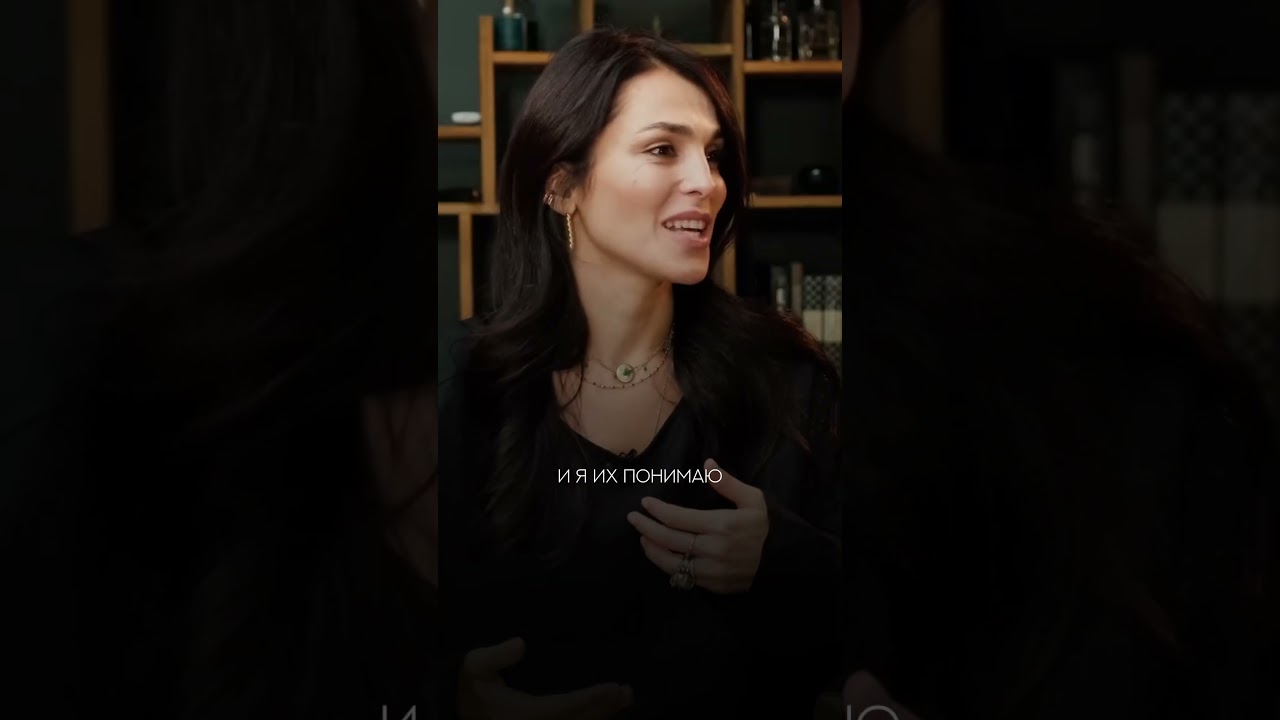
At the Psychology 3000 festival in June 2016, singer and spiritual practitioner Sati Kazanova presented an ethnic concert program comprised entirely of mantras drawn from multiple cultural and religious traditions. The performance combined musical presentation of sacred chants with personal sharing about her spiritual realizations and direct experiences with mantra practice, offering an exploration of how different cultures use vocal prayer and sound-based meditation as pathways to consciousness.

Lecture · 7 sections

What is an Ethnic Mantra Concert?

An ethnic mantra concert merges two often-separate domains: the musicality and performance of a concert setting with the spiritual technology of mantra practice. Rather than presenting mantras as abstract religious artifacts or as ethnographic curiosities, Kazanova's approach treats them as living spiritual practices with direct personal relevance. By performing mantras from multiple traditions in a single program, the concert implicitly asks a question central to contemporary spirituality: are the deepest truths expressed through different religious and cultural frameworks reaching toward something universal, or are they fundamentally rooted in their specific contexts?

The Psychology 3000 festival, in which this concert was embedded, signals the intended audience and framing. The festival title itself suggests an orientation toward consciousness studies, psychological development, and spiritual practice as interrelated domains. Within this context, Kazanova's program was not a museum piece or cultural tourism, but rather an active exploration of how mantra—sound as a technology of consciousness—operates across traditions.

How Do Mantras From Different Traditions Function?

Mantras appear across Hindu, Buddhist, Islamic, Christian, and indigenous spiritual systems, yet they operate on a common principle: the repetition of sacred syllables, phrases, or prayers produces effects on the practitioner's consciousness. The specific words may differ radically—a Sanskrit mantra addressed to a deity functions within a wholly different theological framework than an Islamic invocation or a Christian prayer—but the mechanism remains consistent. Sound, breath, and intention align in a practice that is both simple and requiring genuine engagement.

By presenting mantras from various cultures and faiths in a single program, Kazanova's concert reveals this underlying structural similarity without flattening the differences. Each tradition has developed its own understanding of how sound works, what constitutes proper pronunciation, when mantras should be performed, and what results they produce. These differences matter. Yet the fact that cultures separated by geography and history all developed mantra-like practices suggests something fundamental about human consciousness and its relationship to sacred sound.

What Role Does Personal Realization Play in Presenting Mantras?

The concert description emphasizes that Kazanova "shared her realizations and experiences" (переживаниями) alongside the musical performance. This suggests that the program was not merely a recital—a technical display of vocal skill and cultural knowledge—but a testimony. In spiritual contexts, "realization" typically refers to direct experiential understanding that goes beyond intellectual knowledge. When a practitioner says they have realized something through mantra, they mean they have felt, experienced, or understood it in their body and consciousness, not merely thought about it.

By sharing realizations within the concert format, Kazanova bridges the gap between performance and practice. The audience is invited not just to listen aesthetically, but to receive transmission. In many Eastern spiritual traditions, the presence and direct experience of a practitioner who has worked with a practice is considered valuable in itself—not because they teach about the practice in words, but because their state of being communicates something to listeners. The singing of mantras combined with the sharing of personal experience creates a different kind of event than either alone would provide.

Why Present Mantras From Multiple Faiths in a Single Program?

A concert that draws exclusively from one tradition—say, Hindu Vedic mantras or Buddhist chants—would make a straightforward cultural and spiritual statement: this is the practice and wisdom of this particular path. But Kazanova's program, which encompasses "various peoples and faiths," makes a different statement. It asserts that mantra practice itself, as a technology of consciousness, transcends any single religious container, even as specific mantras remain meaningful within their original contexts.

This approach reflects a contemporary spiritual orientation sometimes called "perennialism"—the view that different religious traditions point toward shared truths accessible through their own unique vocabularies and methods. It also suggests practical eclecticism: a practitioner may find that mantras from multiple traditions speak to different aspects of experience or address different dimensions of consciousness. One mantra might work with grief, another with devotion, another with clarity; their cultural origin becomes less relevant than their functional effect on the practitioner's inner state.

At the same time, the very term "ethnic concert" in Kazanova's title preserves awareness of cultural specificity. The mantras are not presented as disembodied abstract truths, but as ethnic—rooted in particular peoples and their ways of understanding the sacred. The tension between universal spiritual technology and culturally-rooted practice remains present and creative rather than being resolved by flattening either dimension.

What Does Mantra Practice Reveal About Consciousness?

The use of mantra across traditions implies certain assumptions about consciousness that are worth making explicit. First, it assumes that consciousness responds to sound and vibration. This is not a mystical claim but an observable fact: repeated sound patterns affect the nervous system, emotional state, and quality of attention. Chanting a mantra for twenty minutes produces measurable changes in brain state, nervous system regulation, and felt experience.

Second, mantra practice assumes that precise use of language and sound matters. The idea that "a mantra is just words" misses the point entirely. Different pronunciations, different rhythms, different tonalities produce different effects. This is why mantras are typically taught orally, from teacher to student, rather than learned from a book. The vibration matters as much as the meaning.

Third, mantra practice implies that consciousness itself may be understood as fundamentally relational—responsive, capable of being shaped and directed through sound and attention. Rather than consciousness as a static thing we either have or don't have, mantra work treats consciousness as a living process that can be refined, purified, and developed through specific practices.

How Does Performance Transform Spiritual Practice?

When a mantra is sung in a concert before an audience, something shifts. In traditional practice, mantras are often performed individually or in small groups, in dedicated spaces and at specific times. The intention is usually inward focus, the working of mantra on one's own consciousness. In a concert setting, the intention becomes more complex. The singer must maintain their own practice while also transmitting to listeners; there is an outward movement of energy and sound meant to affect the room and the consciousness of those present.

This does not make the concert less spiritual than quiet individual practice—it simply makes it a different kind of spiritual technology. The presence of witnesses, the amplification through performance, the shared time and space—these become part of the practice itself. A concert can create a field of consciousness that supports practice in a way that isolated individual work might not. Equally, the presence of performance elements—musicality, staging, the charisma of the singer—introduces dynamics that can either deepen or dilute the spiritual potency, depending on how they are handled.

Kazanova's choice to share personal realizations alongside the musical performance suggests an integration of these elements. She is not hiding behind the performance or using it to mask her own practice; rather, she is making her practice visible and inviting the audience into a shared exploration. The concert becomes a form of teaching through presence and example as much as through sound.

Where to Go From Here

If Kazanova's ethnic concert interests you, consider exploring mantra practice from one or more traditions directly. Read the Bhagavad Gita, the Quran, the Upanishads, or Buddhist texts to understand the philosophical contexts from which different mantras emerge. Visit a kirtan event, a Hindu puja, a Buddhist chanting session, or a Sufi zikr circle to experience mantra in its living context. Notice what happens in your body and consciousness when you chant a mantra regularly—not seeking any particular result, but simply observing the effects.

Equally, pay attention to the role of sound and vibration in your own daily experience. How does music affect your mood, your clarity, your emotional state? How does silence work? What happens when you repeat a word or phrase for an extended period? These inquiries can ground abstract discussions of mantra in your own direct experience. The spiritual value of exploring mantras across traditions lies not in intellectual understanding, but in discovering through your own practice how sound, consciousness, and intention work together.

Comments

Loading the conversation…

Sati Kazanova
ArtistSati Kazanova

Sati Kazanova is a Russian singer and founder of Sati Ethnica, an online music and community project that blends sacred sound traditions with digital gathering spaces. She also ope…

Voir le profilSite web
Explorer les thèmes
Mantra-practiceEthnic-musicSpirituality-across-culturesSacred-soundConsciousness-practice

Des questions ?

Questions fréquemment posées

A mantra is a sacred syllable, phrase, or prayer repeated to affect consciousness through sound. Mantras appear across Hindu, Buddhist, Islamic, Christian, and indigenous traditions, each with distinct theological contexts but operating on the same principle: repetition of sacred sound produces measurable effects on the nervous system, emotional state, and attention.
Mantra practice assumes consciousness is responsive and can be refined through specific techniques. Chanting affects brain state, nervous system regulation, and inner experience measurably. Many modern psychology frameworks, particularly those addressing consciousness studies, recognize mantra as a technology for developing awareness and regulating the nervous system.
Yes, many contemporary practitioners work with mantras from multiple traditions based on which ones address their specific needs or resonate with their experience. While each mantra remains rooted in its original cultural context, the underlying technology of sound-based consciousness work appears to transcend any single religious container, allowing practitioners to benefit from diverse approaches.
A live concert creates a shared field of consciousness with immediate presence and transmission. The singer's own practice state, combined with the amplification of sound and the collective witness of the audience, produces different effects than individual practice. The addition of personal sharing about realizations bridges performance and genuine spiritual practice.
Precise pronunciation is considered essential in mantra traditions because the specific vibration of each sound produces particular effects on consciousness. This is why mantras are typically taught orally from teacher to student rather than learned from text—the subtleties of tone, rhythm, and sound quality matter as much as the meaning of the words.
Realizations refer to direct experiential understanding gained through practice, not merely intellectual knowledge. When a practitioner shares realizations about a mantra, they are testifying to how the practice has affected their consciousness, nervous system, and direct experience—offering the audience transmission through both the mantra itself and their present state.
Modern consciousness studies and psychology increasingly recognize mantra, meditation, and other contemplative practices as legitimate technologies for understanding and developing consciousness. Festivals like Psychology 3000 reflect an integration of ancient spiritual sciences with contemporary frameworks for studying human awareness and transformation.

Continuer la lecture

More from Sati

Voir tout
Until Dawn: Sati Kazanova's Exploration of Pre-Awakening Consciousness
Inspire

Until Dawn: Sati Kazanova's Exploration of Pre-Awakening Consciousness

Sati Kazanova's "До рассвета" (Until Dawn) is a musical meditation on the threshold between sleep and waking consciousness. The track explor…

1 min read
When Relationships With Men Align: Spiritual Perspectives
Inspire

When Relationships With Men Align: Spiritual Perspectives

Exploring how spiritual practice and inner alignment shift relationship dynamics with partners. A practical look at when connections with me…

1 min read
Minimal Vocalization as Spiritual Practice: Power in Simplicity
Inspire

Minimal Vocalization as Spiritual Practice: Power in Simplicity

A brief live vocal interlude demonstrates how devotional sound—stripped to its essence—can invoke presence and transformation through pure r…

1 min read
Govinda Jaya: How Sacred Sound Awakens the Heart
Inspire

Govinda Jaya: How Sacred Sound Awakens the Heart

Radhika Das channels the liberating power of mantra through a luminous kirtan performance at Medicine Festival, invoking divine names to pur…

1 min read

Continue d’explorer

Poursuis ton chemin

Plus de sagesse et de rassemblements dans tout l’annuaire BrightStar.

Plus d’articles

Parcours toute la bibliothèque d’enseignements, d’entretiens et de guides.

Retour à tous les articles →

Enseignants et artistes

Découvre les lignées, les musiciens et les guides du monde conscient.

Explorer les artistes →

Trouver un événement

Kirtan, retraites, bains sonores, breathwork, festivals — bientôt près de chez toi.

Parcourir les événements →