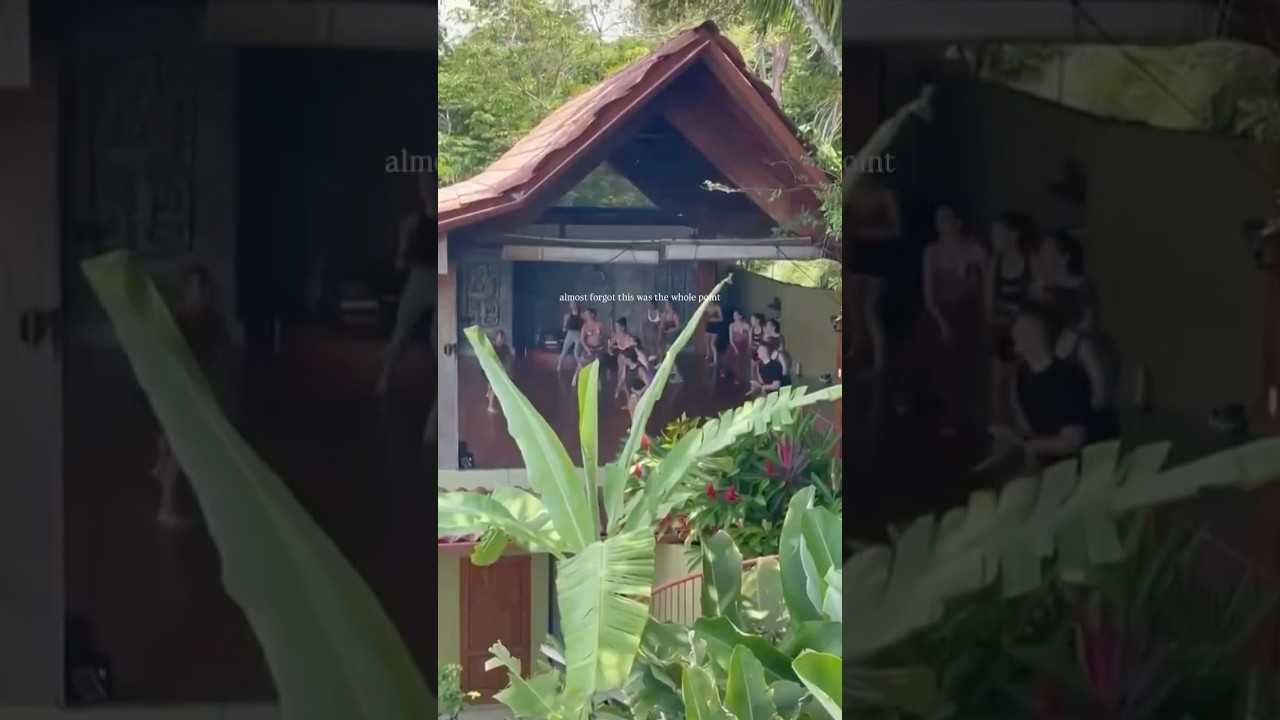
When a yoga retreat ends, something particular happens in the space where practitioners gather to mark the threshold. At Anamaya Resort in Costa Rica, a closing circle becomes a mirror—seven days of intensive practice reflected back through the voices of those who lived it. This short film captures that moment: the real interviews, unscripted and unfiltered, from participants as they step out of a transformative week.
What Unfolds in Seven Days on the Mat?
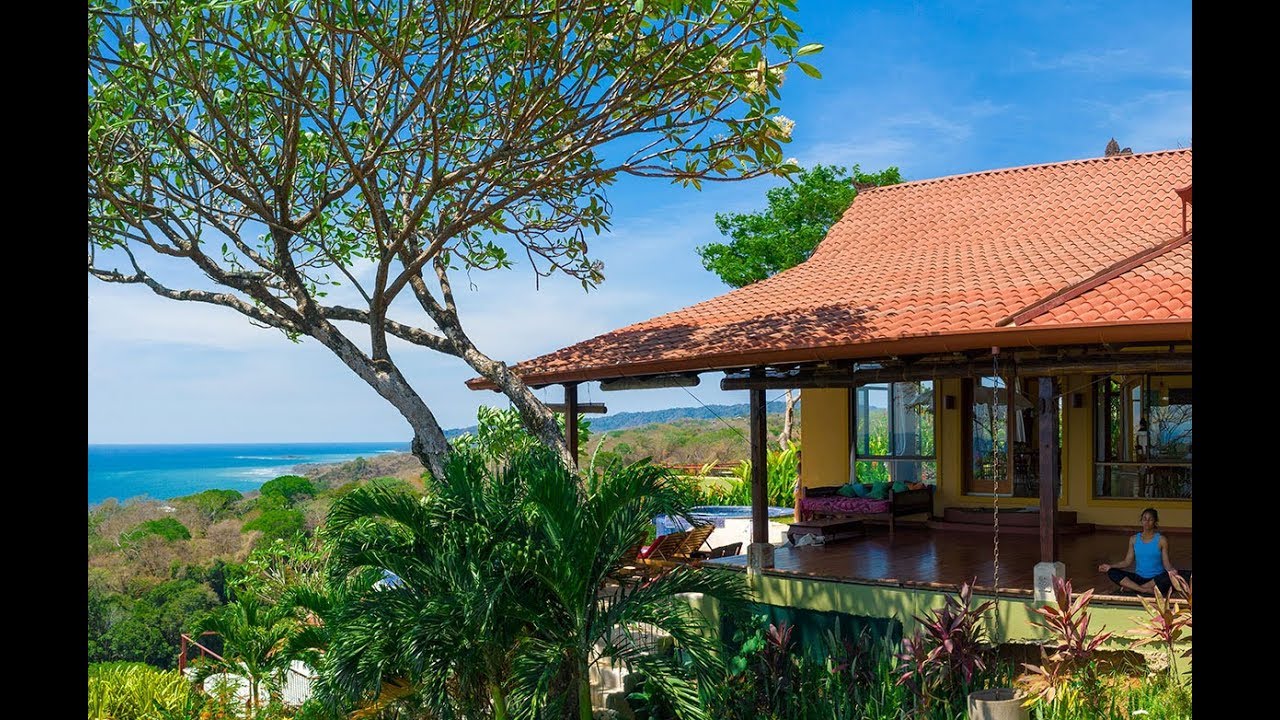
A yoga retreat compressed into a week does something different from home practice. The total immersion—the consistent environment, the shared rhythm of morning and evening sessions, the removal from daily noise—creates conditions where transformation becomes possible. Anamaya Resort, situated on Costa Rica's Nicoya Peninsula, offers that container: a place where the practice can deepen without interruption.
The closing circle format is ancient in yoga lineage. It marks integration. By the final evening, practitioners have moved through a journey—physical asana, breath work, perhaps meditation, certainly the friction of group living and the vulnerability of opening in unfamiliar ways. When they sit together and speak what the week has meant, they're not performing. They're processing.
Why Does Location Matter in Retreat Experience?
Costa Rica's geography and cultural ethos have long drawn yoga students seeking something beyond studio walls. The Nicoya Peninsula carries a reputation: blue zones, longevity, a pace that invites slowness. The natural setting—tropical, alive with biodiversity—offers a sensory invitation away from the mental loops that follow practitioners home. A retreat at a dedicated resort means the entire environment becomes teacher: the morning bird calls during meditation, the evening air cooling after heat, the ocean nearby as a constant pulse.
Anamaya itself is designed as a yoga sanctuary. When participants arrive, they're not adapting to a multipurpose venue or hotel repurposed for the week. The space itself holds intention. That consistency of environment—seeing the same view from the studio each day, practicing in a room built for practice—works on the nervous system in ways research is only beginning to map.
What Do Participants Actually Report?
The interviews captured in this closing circle are documentary evidence of what happens when people commit fully. No two retreats, no two practitioners, tell the same story. One person may arrive struggling with injury and leave with a healed relationship to their body. Another may come seeking relaxation and discover something closer to spiritual opening. A third might arrive cynical and find their walls softening in unexpected ways.
The closing circle format honors this diversity. Rather than a single narrative imposed by instructors, it creates space for many truths to coexist. One voice speaks their experience, another responds with a different reflection, and both are real. That texture—multiple perspectives on what one week contained—is what makes retreat documentation valuable. It resists the marketing impulse to package transformation as a product. Instead, it shows transformation as messy, personal, and paradoxical.
The Role of Closure in Integration
Retreat culture often overlooks the closing circle. The week happens, intensity builds, and then participants scatter back into ordinary life. But the final gathering serves a function: it's a pause before return. In speaking together about what the retreat has opened, practitioners begin to imagine how to carry the shift back home. The circle is bridge work, not dessert.
When this film captures those voices, it preserves something that normally dissolves. Each person returns to their city, their job, their relationships, and the retreat begins to fade into memory—quickly, often completely. But a closing circle recorded becomes a small artifact of what was possible. Watching it months later, a participant can recall the feeling-tone of that week. Others, considering their own retreat, can begin to imagine what they might discover.
Where to go from here
If this film speaks to you, the question isn't just about Anamaya—though Costa Rica retreats, particularly those at established resorts designed for the work, do offer consistent containers for transformation. The deeper inquiry is: what would it mean to remove yourself from daily life for a full week, with no email, no work calls, no divided attention? What might unfold if your only task was to show up on the mat, sit in silence, and listen to what wants to emerge? The participants in this closing circle can't answer that question for you. Only your own retreat can. The interviews here are simply evidence that when people commit to that kind of time and space, something real happens.