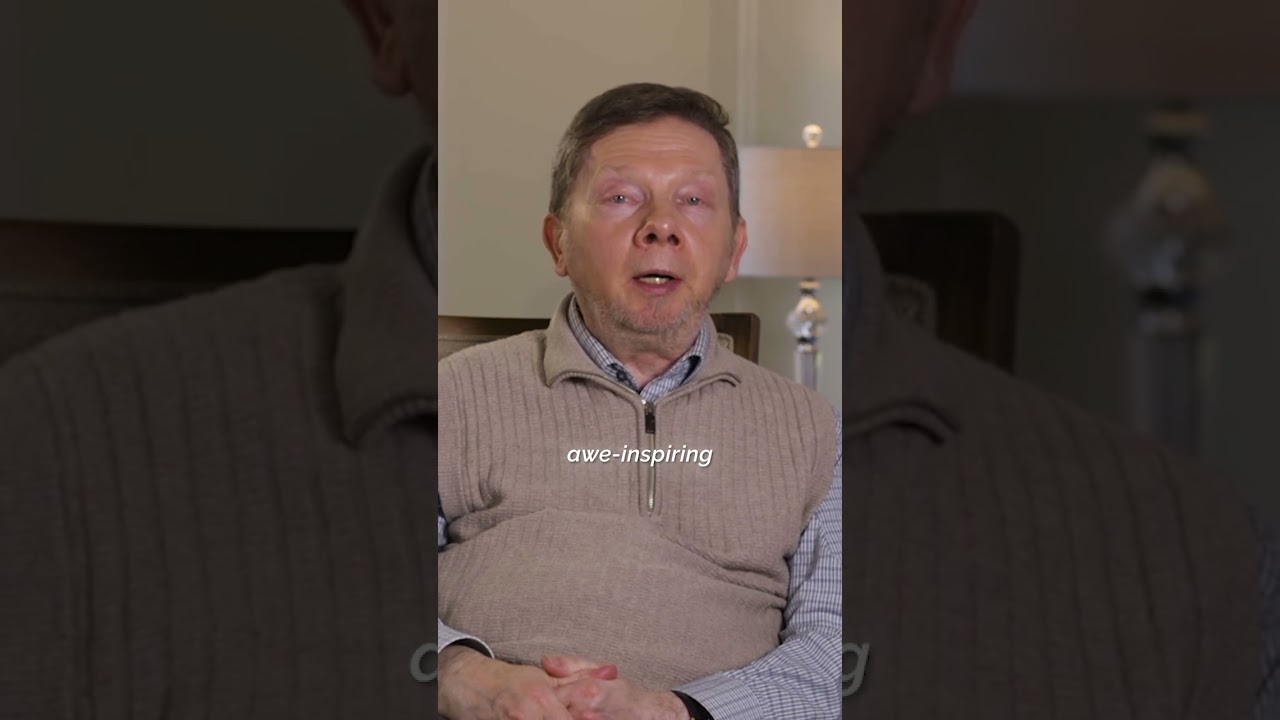
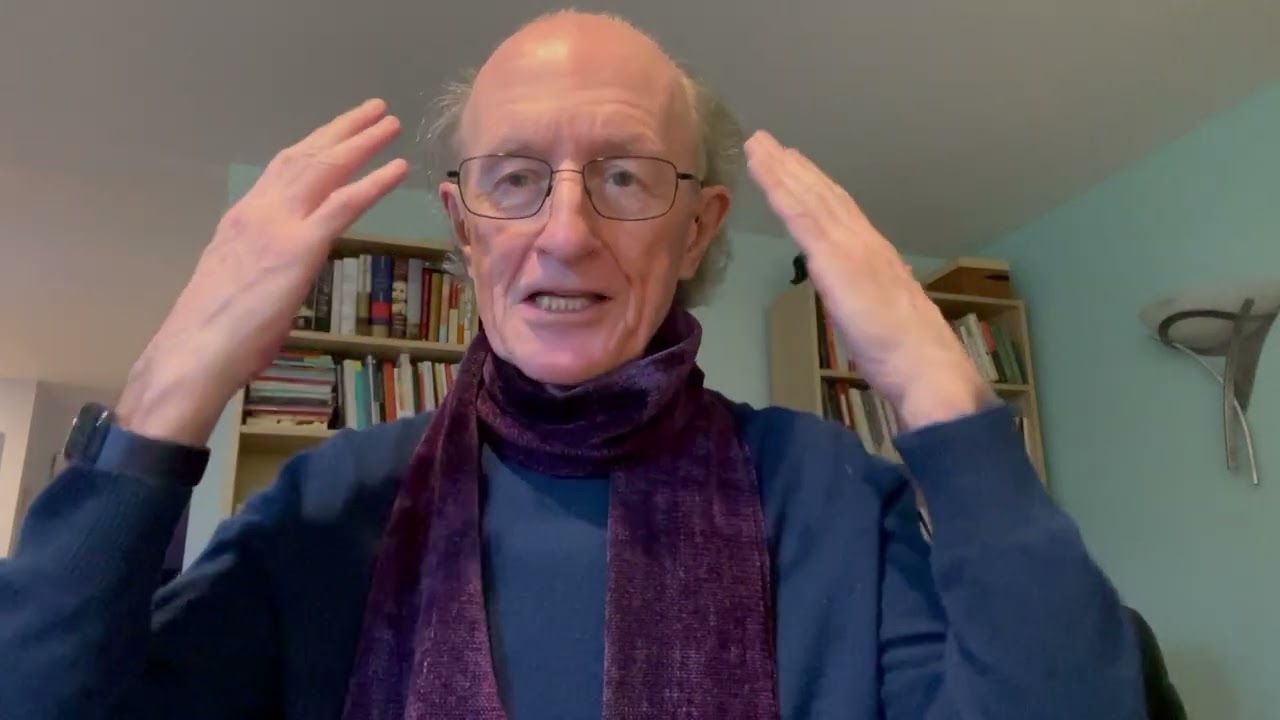
Picture the scene Tony Brady sets at the start of this short video: no stage, no instruments, just a dark sky, a few seconds of quiet music, and a voice asking you to look up. Over roughly three minutes he moves from the physical makeup of the human body to the oldest question people ask about the cosmos, whether anyone else is out there, and then closes by reciting a poem titled Starlight. The argument is simple and deliberately open-ended. We are made of material that once belonged to dying stars, and the sheer strangeness of that fact should leave us in awe rather than in a hurry to settle the question of our place in the universe. The poem then pushes that idea further, arguing that the act of searching and wondering matters more than any answer we might find.
The video opens on its central claim: "our bodies you and I the atoms which make us up are composed of the Dust of stars which exploded long long ago" (22s). Brady does not explain the mechanism in the clip, and he does not need to. What he does is turn a statement of physical fact into an emotional starting point. The reader is asked to hold two images at once, a living body sitting on a planet that circles a sun, and the debris of ancient explosions that became that body's substance.
That framing matters for how the rest of the video lands. Brady describes the Earth as a "lifegiving rock planet," and he places the viewer in a posture of looking up, "in awe and wonder at the magic of the night sky." Notice the verbs. We "sit here," we "gaze up," we "speculate." The stardust claim is not presented as a lecture on astrophysics. It is presented as the reason looking up feels personal. If the atoms of your hand were forged in a stellar event, then the night sky is not a backdrop. It is a kind of ancestral record.
The turn at the heart of the video comes at about the one-minute mark, when Brady says that inevitably we ask "are we alone in all this vastness." What makes this passage work is his observation about the two possible replies: "we find either possible answer equally hard to take in." He names both sides without ranking them. "Yes we are or no we are not." Each answer carries its own weight. If we are alone, the universe is vast and silent and our existence looks like an accident. If we are not alone, the universe is populated and our place in it shifts in ways we cannot yet picture.
Brady then turns the question inward: "what does either answer mean for each of us and for all of us." This is the move that makes the piece more than a sky-watching exercise. He is asking what the answer would do to a person's daily life, not just to science's ledger. The question is not only about the cosmos. It is about what it would mean to be the kind of creature who can ask it.
"Are we alone in all this vastness and we find either possible answer equally hard to take in: yes we are or no we are not." (Tony Brady, in the video, around 58 seconds)
Brady introduces the poem by saying he offers it "to keep you company as you gaze up in wonder tonight." The excerpt does not name the poem's author, so the reading here stays with what Brady presents. The first stanza sets up a contrast. He beholds "the canopy of stars" and contemplates the "immensity of space," then pivots to the work of "unmanned Landers" that "dig and Probe on Mars for evidence of life."
The poem's most interesting claim comes next. The speaker says it "matters not to me" if the probes find that we are alone, "though that I doubt." What matters, the poem insists, is "the search," and specifically "the eagerness to probe explore find out." This is a striking position. Most public talk about space exploration treats the discovery itself as the payoff. The poem treats the drive to discover as the thing worth honoring, whatever the result. The desire to investigate becomes its own form of meaning.
From there the poem widens into the question of origin. Some, it says, "claim this wondrous World a torn of chance," a line whose transcription is garbled in the excerpt but whose sense is clear: chance is one account of how this world came to be. "While others say it is a work of God." The poem does not adjudicate. It sets the two accounts side by side, much as Brady did with his two answers about life beyond Earth.
The sharpest passage in the excerpt is a judgment on people who do not pause. "Some Ponder not make marry sing and dance and wonder not I find that sadly odd." The poem is gently sardonic about those who go through life without marveling at the sky. It asks for a response that is playful and open, not just analytical, the kind of response that sings and dances.
The closing lines carry the weight of the whole reflection. The speaker finds it "so feeble" that "the greatest minds" of those "who raise our vision Skyward from the Dust" do not always rise to the moment of wonder. The phrase "from the Dust" ties the poem back to Brady's opening claim about stardust. We are the dust of stars, and the people who lift their eyes to the sky are that dust looking back at its origin. The poem's final image is the one that holds the whole piece together.
Three minutes is not much time, and the video is not an argument you can test in a laboratory. What it offers is a stance. Brady asks you to hold a physical fact about your body, a cosmic question about your place, and a poetic invitation to keep looking, all at once. He suggests that the honest response to the universe is not a verdict but an ongoing act of attention. Whether the answer to the question of being alone is yes or no, the act of asking is already a kind of kinship with the stars.
The excerpt provided ends mid-poem, so this reading covers only the opening and the first half of the recitation. Anyone who wants the full text should watch the complete video. The clearest takeaway from what is available is the one Brady starts with: you are made of stardust, and the sky has been part of your story from the beginning.
Start with the video itself, which runs just over three minutes and rewards a second viewing with the sound low and the lights off. Then try Brady's own exercise. Step outside on a clear night, name one thing you know about how the atoms in your body were made, and let the two facts sit together without trying to resolve them. The question of whether we are alone may stay open for a long time. The wonder the poem asks for is available tonight.